You cannot remote start an EV in the traditional sense there is no engine to start. What EVs offer instead is better: preconditioning. From the app, you heat or cool the cabin and warm the battery before you leave, and if the car is plugged in, the energy comes from the wall instead of your range. In winter, that difference is money: a preconditioned EV starts warm with a full battery, while a cold one spends 20% or more of its range just fighting the temperature. Here is how it works, and what it means for the rest of your driveway.
Why Don’t EVs Have Remote Start?
Because remote start solves engine problems EVs do not have. A gas engine idles to circulate oil and produce heat; an electric motor needs neither. The cabin heater, defroster, and seat warmers run directly off the battery, “engine” off, no idling involved. So manufacturers replaced the start button metaphor with a climate one: tell the car when you are leaving, and it gets itself ready.
The practical result feels identical to remote start warm cabin, clear glass, zero scraping with one upgrade: no fuel burned and no exhaust in the garage.
What Is EV Preconditioning?
Two warm-ups in one. Cabin preconditioning heats or cools the interior to your set temperature before departure. Battery preconditioning warms the battery pack itself toward its efficient operating window — which matters because a cold battery both delivers less range and charges far slower.
The golden rule: precondition while plugged in. On wall power, the car reaches departure temperature using the grid, and you unplug with a full battery and a warm cabin. Preconditioning on battery power still works, but it spends range to do it.
How Much Range Does Winter Really Cost?
More than most new EV owners expect. Analyses of real-world fleet data by Recurrent show typical winter range losses of 20–30%, with some models losing more in severe cold mostly to cabin heating. Cars with heat pumps lose meaningfully less than those with resistive heaters.
Preconditioning is the main defense. Warming the cabin and battery on wall power before departure, then maintaining temperature while driving, costs far less range than heating everything from frozen while rolling. The same logic applies before DC fast charging: a preconditioned battery charges at full speed, while a cold one crawls.
How Do You Precondition an EV?
Three ways, from manual to automatic. One: open the manufacturer’s app and start climate ten to thirty minutes before leaving — the EV equivalent of tapping remote start. Two: set scheduled departure, so the car preconditions itself for your commute automatically. Three: navigate to a fast charger in the car’s own navigation, which triggers battery preconditioning en route on most modern EVs.
October is the month to set this up the same week you winterize the rest of the car, build the preconditioning habit before the first hard freeze.
What About Hybrids and the Gas Car Next to the EV?
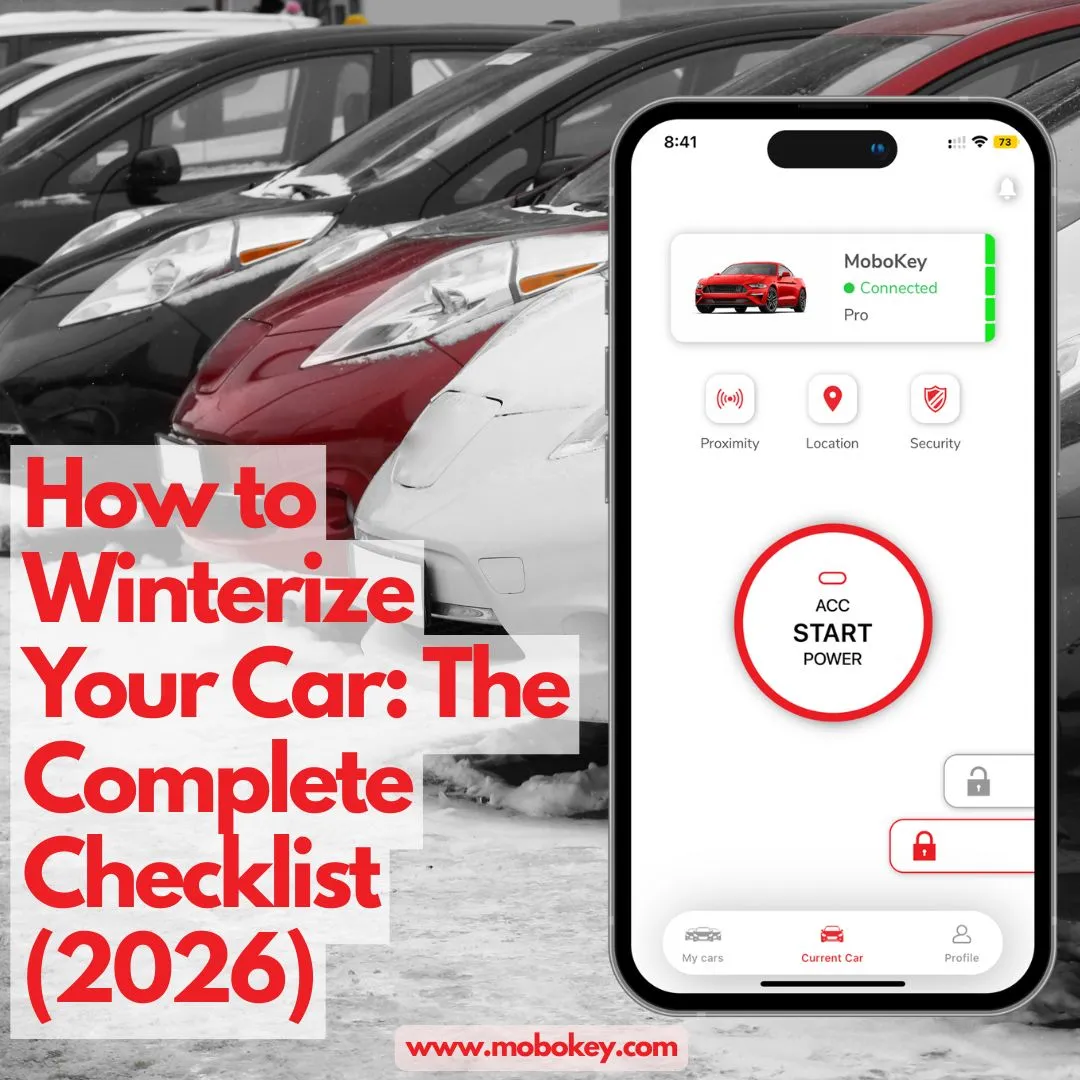
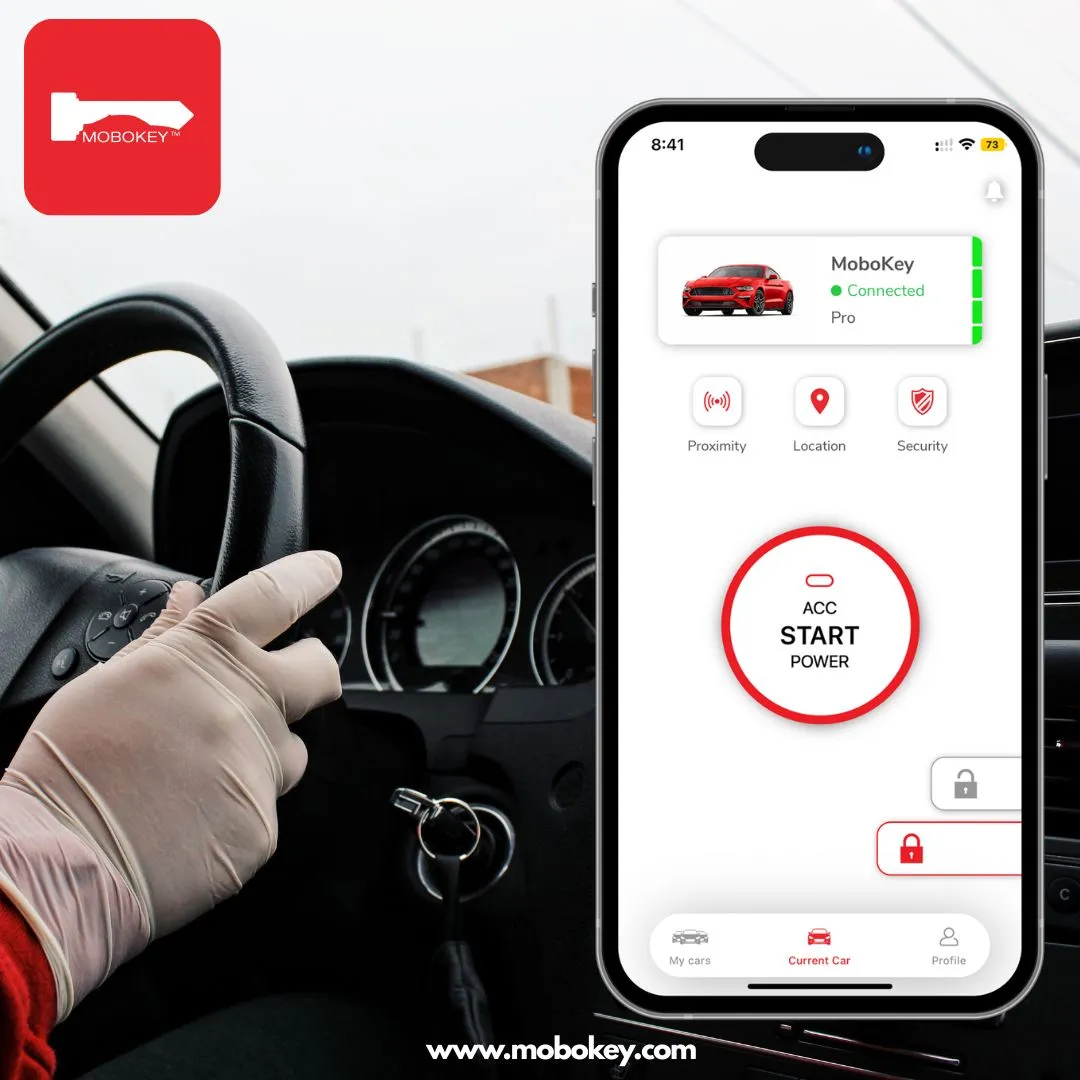
Plug-in hybrids straddle both worlds: they precondition electrically like an EV, and some also run the engine remotely like a gas car. Conventional cars, meanwhile, still need actual remote start — and that is an aftermarket add-on for most of them. MoboKey adds phone-based remote start to over 90% of combustion vehicles with no subscription; the options are covered in remote start with a smartphone app for any car, and the right warm-up routine in how long you should warm up your car. Mixed driveway? The EV preconditions from its app; the gas car gets MoboKey; both start warm.
EVs in Car Sharing: The Access Question
Preconditioning solves comfort; it does not solve access. Manufacturer apps are built for one owner, which becomes a problem the moment an EV earns money on Turo or in a small fleet — renters need controlled, temporary access, not your factory app login. That is where digital key platforms step in: MoboKey issues time-bound keys per booking, with instant revocation and access logs, the same way it does for gas cars. EV hosts should start with the keyless entry guide for Turo hosts, and multi-car operators with managing a small rental fleet from one app.
Frequently Asked Questions: EV Remote Start and Preconditioning
Not literally — there is no engine. The equivalent is preconditioning: starting the climate system from the app so the cabin and battery are warm at departure. It achieves everything remote start does, without idling.
Only if the car is unplugged. Plugged in, preconditioning draws from wall power, so you leave with a warm cabin and a full charge. Unplugged, it spends some range — still usually less than heating from frozen while driving.
Typically 20–30% in real-world conditions, mostly to cabin heating, with heat-pump models losing less. Preconditioning while plugged in recovers a large share of the difference.
Yes. A cold battery accepts charge slowly, so preconditioning on the way to a DC fast charger — usually triggered by navigating to it in the car — can cut charging stops dramatically in winter.
Plug-in hybrids precondition electrically, and some also support engine remote start. Conventional hybrids and gas cars need aftermarket remote start — MoboKey adds it by phone to over 90% of vehicles, with no subscription.
Through a digital key platform. MoboKey issues each booking a time-bound key on the renter’s phone — unlock, drive, and expire at return — with no need to share your factory app account. Access logs and instant revocation included.
Ready to go keyless? Visit mobokey.com or contact us today to get started.