Winterizing your car takes one afternoon and prevents the three classic winter failures: the no-start morning, the skid, and the frozen lockout. The core checklist: test the battery, check tire tread and pressure, switch to winter washer fluid and fresh wipers, verify coolant strength, treat the door seals, pack an emergency kit, and sort your warm-up plan before the first freeze. Do it in October — every item gets harder, slower, or more expensive after the first cold snap.
When Should You Winterize Your Car?
Before your area’s first freeze, for most of the US, that means October. The reasoning is practical: batteries fail on the first cold morning, not the tenth; installer and shop calendars fill after the first snow; and discovering a worn wiper in a storm is the wrong time. Work backward from your region’s freeze date and give yourself two weekends of slack.
Engine and Battery: The No-Start Insurance
Start with the battery, because cold cuts its output by a third or more. Any battery over three years old deserves a free load test at an auto parts store, and anything near year four should be replaced on schedule rather than on a frozen driveway. While you are under the hood, check that coolant is a proper 50/50 mix, it protects to roughly -34°F and glance at belts and hoses for cracking.
If the car already struggles on cool mornings, diagnose now. Here is why cars won’t start in cold weather, and the general immobilizer, battery, or starter diagnosis if the symptoms are murky.
Tires and Visibility: The Skid Insurance
Cold shrinks air — tires lose about 1 PSI for every 10°F drop, so an October-inflated tire runs underinflated by January. Check pressure monthly all winter. Tread matters more: the quarter test (insert a quarter head-down; if you see all of Washington’s head, replace) is the winter minimum, and true winter tires transform braking in snow states.
Visibility is the cheap half of safety. Fit fresh wiper blades, fill with winter-rated washer fluid that will not freeze in the lines, and test the defroster on both windshields now — not on the first frosted morning.
Doors, Locks, and Keys: The Lockout Insurance
Freezing rain bonds rubber seals to door frames. Five minutes with a silicone-based rubber protectant on every seal prevents it. Keep the de-icer sprayer in the house — it helps nobody inside the glovebox of a frozen car.
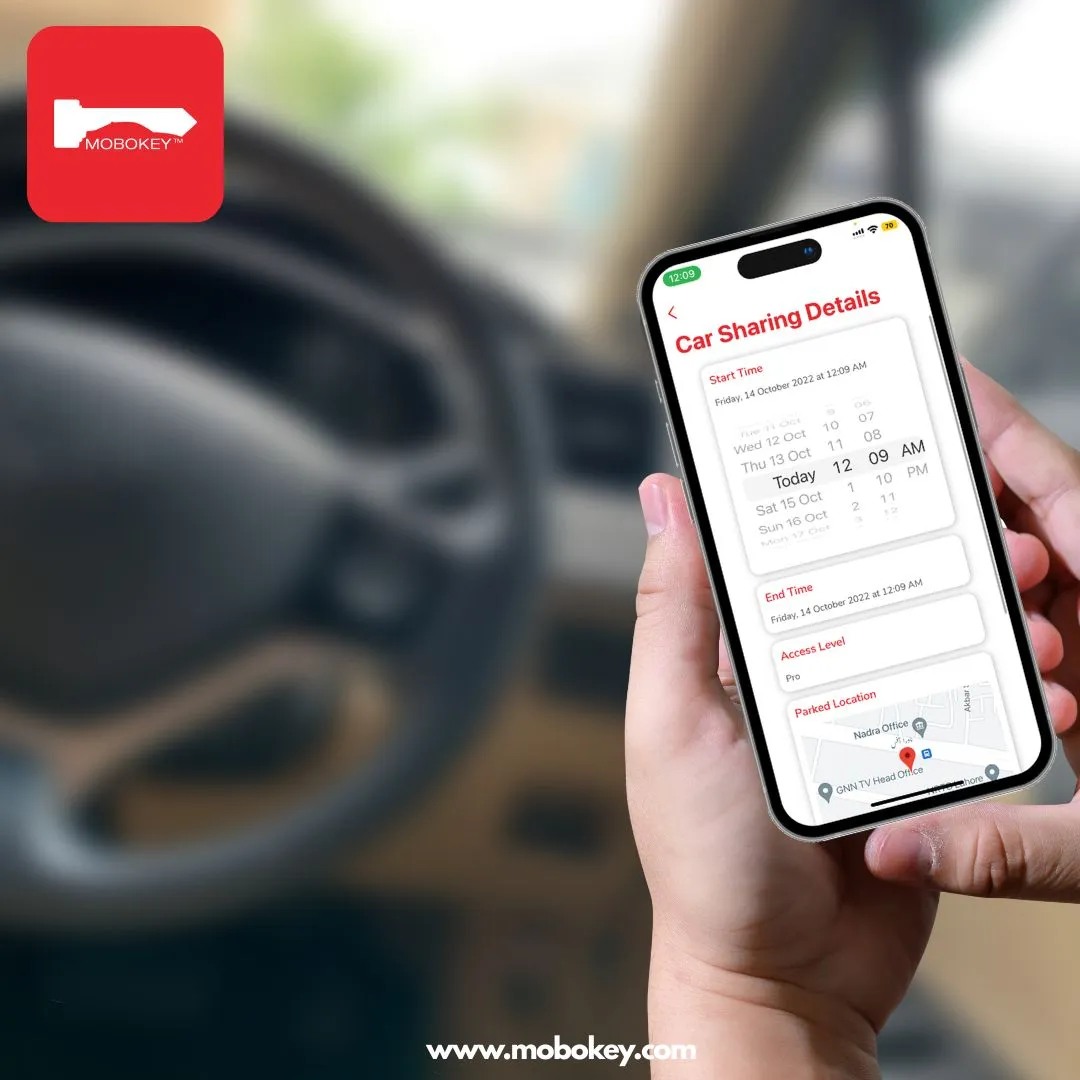
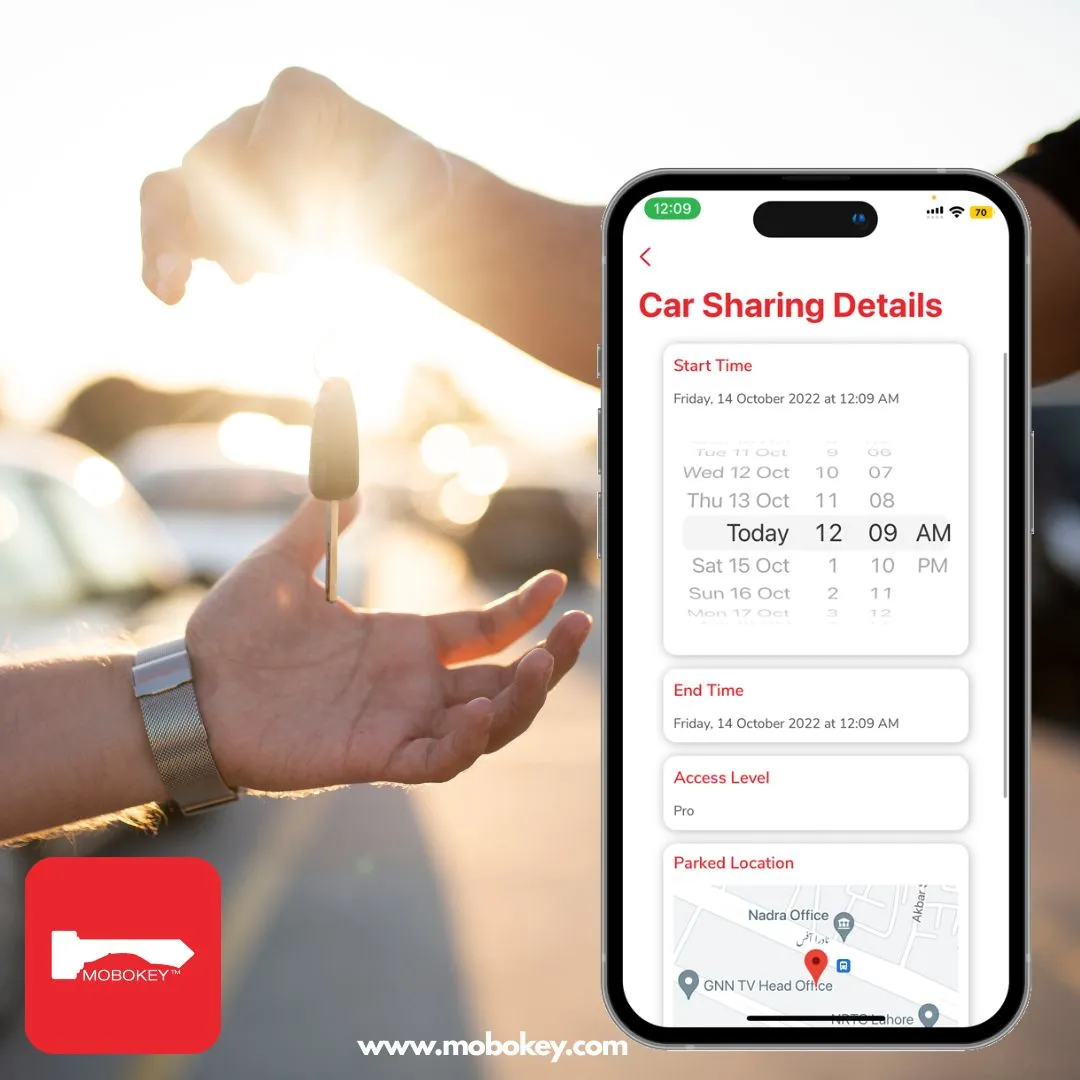
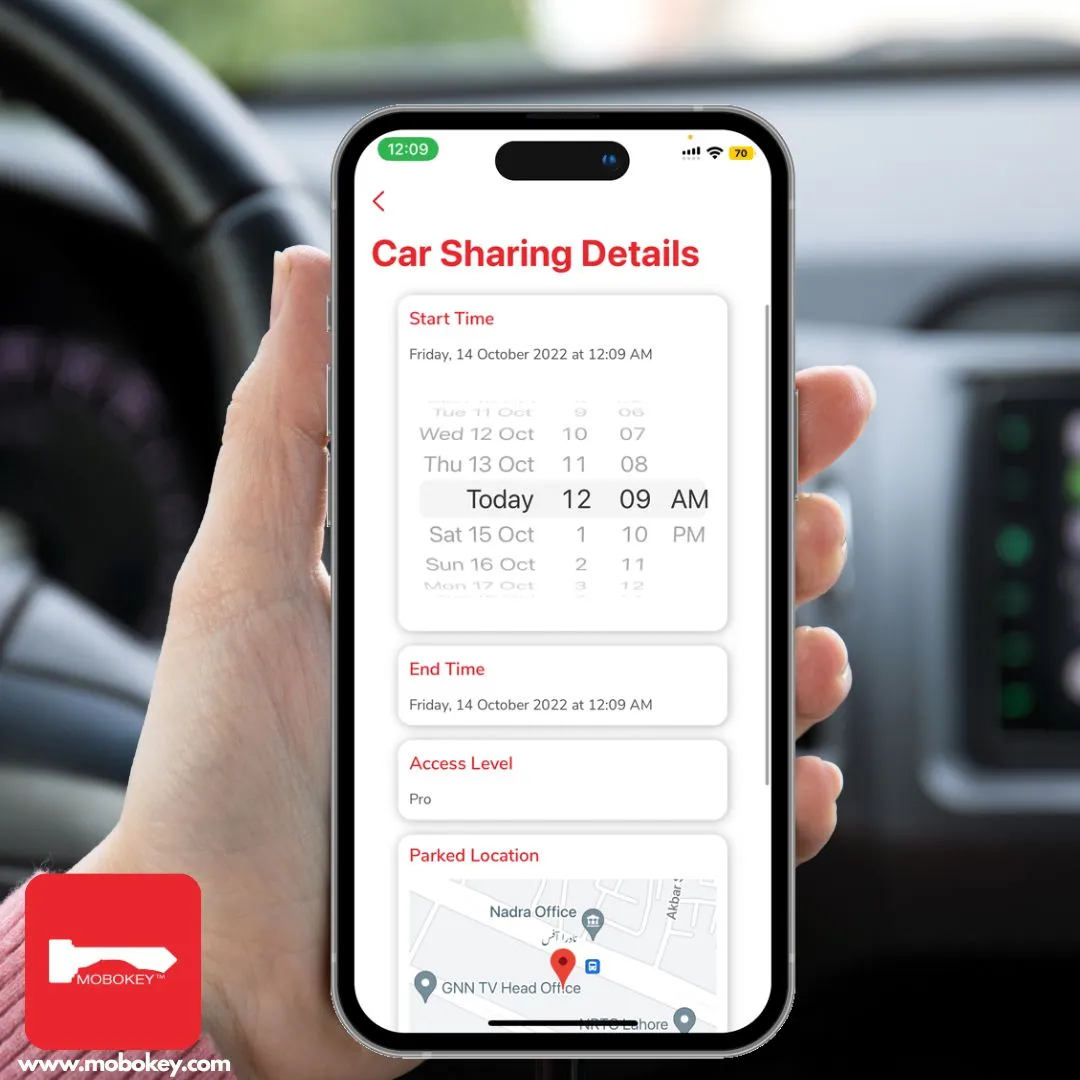
Then winterize the keys themselves. Cold kills fob coin cells, so replace them each fall, here is how cold weather affects keyless entry and car batteries. And make a lockout plan before you need one: a spare with a household member, or better, a digital key shared with family so someone can unlock the car from their phone wherever they are.
The Emergency Kit: The Stranded Insurance
Build it once, forget it until needed. Ready.gov, FEMA’s preparedness site, recommends a winter car kit including: ice scraper and brush, jumper cables, flashlight, phone charger, blankets, water and snacks, sand or cat litter for traction, and a first aid kit. Add gloves and a small shovel in snow states. The whole kit fits in a trunk corner and costs less than one tow.
Comfort and Security: The Smart Half of Winterizing
The checklist above protects the car; this part upgrades the season. If you want remote start, book it now — the best time to install a remote starter is before the freeze rush fills installer calendars. Once it is in, use it right: warm up the car for 30 seconds, not 10 minutes, with the doors locked and keys in your pocket.
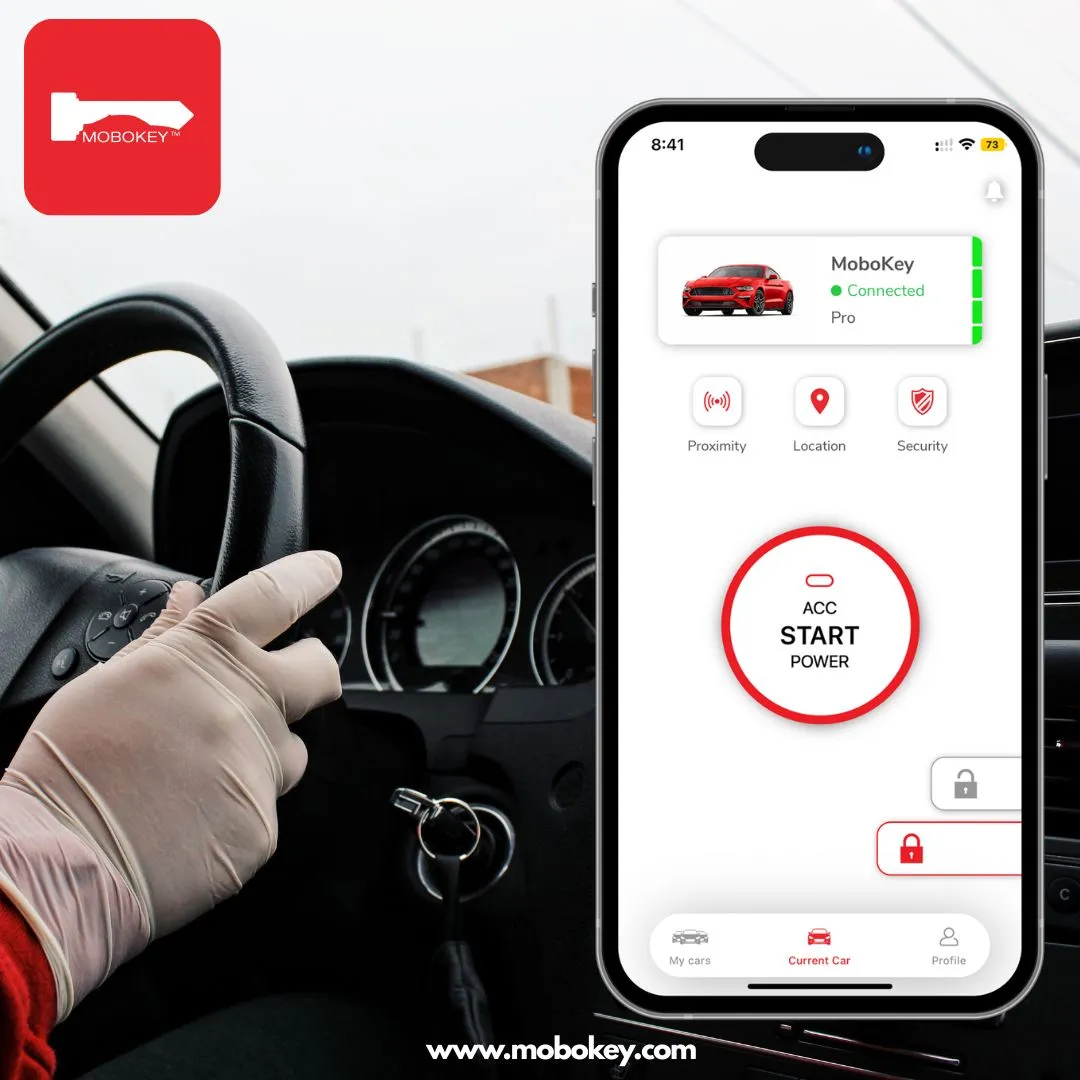
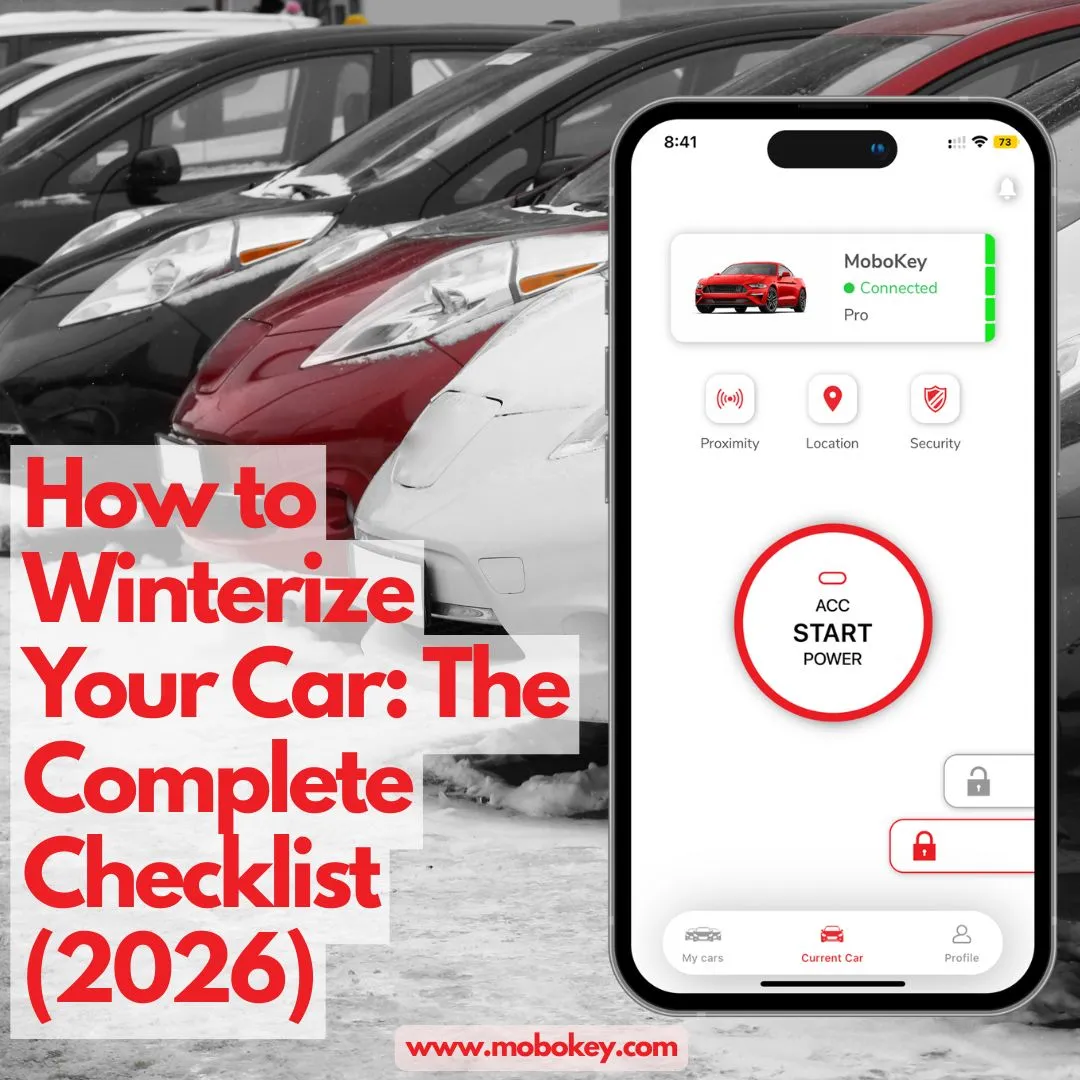
That locked-doors habit matters, because winter car theft spikes with idling cars and dark evenings. MoboKey covers the whole winter package in one device: phone-based remote start with no subscription, hands-free unlock that works with gloves on, family key sharing for lockouts, and a remote engine kill for the worst case.
Quick Checklist: Print and Go
| Task | When | Time |
|---|---|---|
| Battery load test | October | 15 min (free at parts stores) |
| Coolant, belts, oil check | October | 20 min |
| Tire tread + pressure | October, then monthly | 10 min |
| Winter wipers + washer fluid | October | 10 min |
| Silicone on door seals | October | 5 min |
| Fob batteries replaced | October | 5 min |
| Emergency kit packed | October | 30 min |
| Remote start installed | Before first freeze | 1–2 hrs (book early) |
Frequently Asked Questions: Winterizing Your Car
In October for most of the US — before your area’s first freeze. Batteries fail on the first cold morning, and installer calendars fill after the first snow, so early beats perfect.
Often under $100 if the battery and tires pass: washer fluid, wipers, seal protectant, and an emergency kit. A new battery adds $150–$250, winter tires more. Every item costs less in October than its failure costs in January.
Yes — it is the single highest-value item on the list. Cold cuts battery output by 35% or more, which is why batteries that worked all summer die on the first freezing morning. Most auto parts stores test free in minutes.
In snow states, they are the biggest safety upgrade available — braking distances shrink dramatically. In mild climates, all-seasons with healthy tread suffice. Either way, check pressure monthly, because cold drops it.
It is the comfort-and-safety half. Remote start warms the cabin and defrosts the glass with the doors locked and no key inside — the legal, theft-proof way to warm up. Install in fall, before the post-freeze rush.
Scraper, jumper cables, flashlight, phone charger, blankets, water, snacks, sand or cat litter, and a first aid kit — plus gloves and a shovel in snow country. Keep the de-icer at home, where you can reach it.
Ready to go keyless? Visit mobokey.com or contact us today to get started.