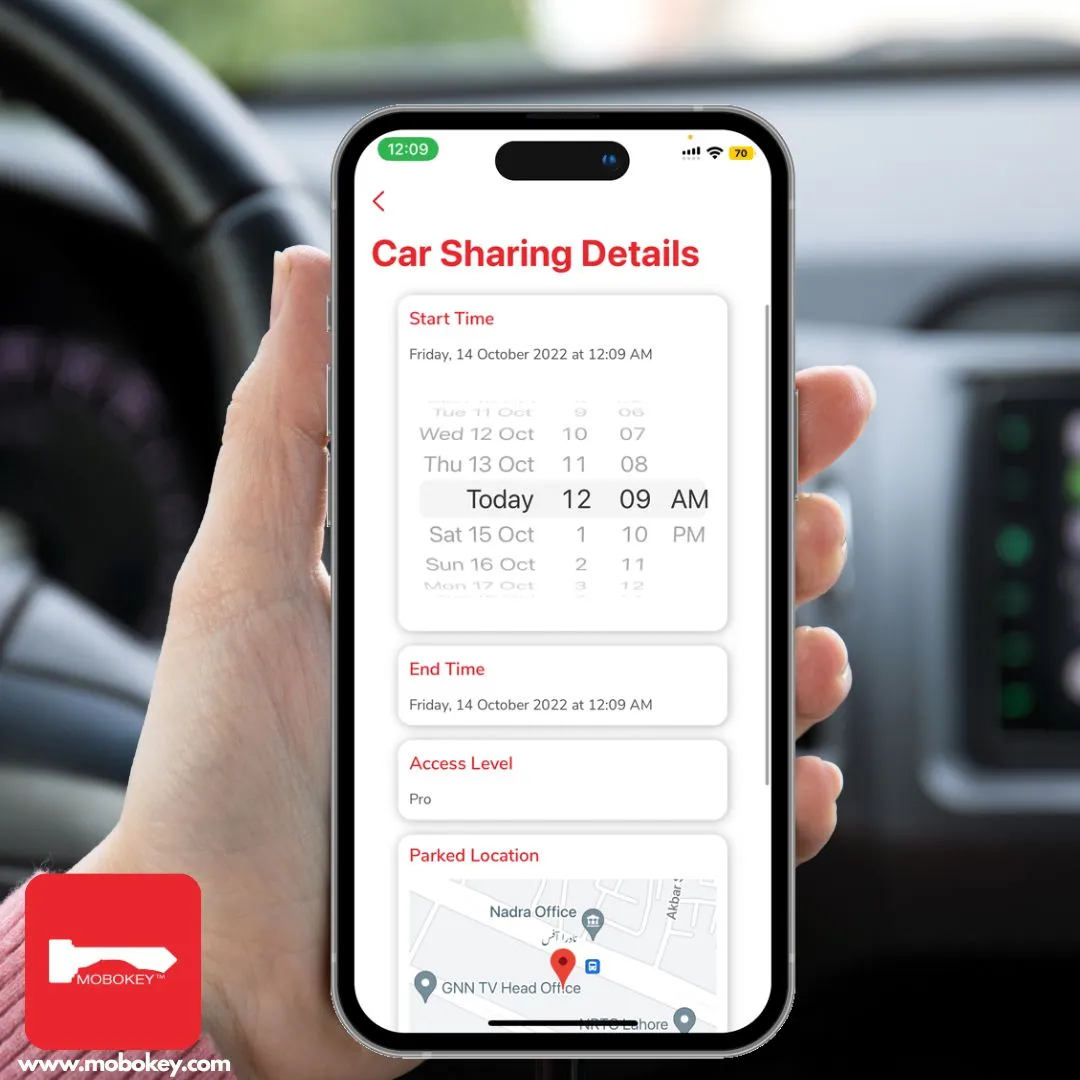
Car sharing means having access to a car when you need one, without owning it. You book through an app, unlock the car with your phone, drive, and pay only for the time you use — by the hour or by the day. It comes in three models: peer-to-peer marketplaces like Turo, where individuals share their own cars; fleet services like Zipcar, where a company owns the vehicles; and direct booking with independent local operators. All three run on the same foundation: digital keys that let a stranger access a car securely, with no key handover.
What Is Car Sharing, Exactly?
Car sharing is short-term vehicle access as a service. Instead of one owner per car, one car serves many drivers — neighbors, travelers, commuters — each paying for their slice of time. The owner might be a private individual earning income from an idle vehicle, or a company running a fleet.
The idea is old; the technology made it practical. Smartphones solved booking and payment, and keyless access solved the hard part: getting a verified stranger into the right car at the right time, securely. Research from the Transportation Sustainability Research Center at UC Berkeley has found that each shared vehicle can replace on the order of nine to thirteen privately owned cars — which is why cities encourage it and why the market keeps growing.
How Does Car Sharing Work?
Five steps, whichever model you use. First, you create an account and verify your driver’s license — every legitimate service screens drivers. Second, you book a car and time window in the app. Third, at pickup, your phone becomes the key: the doors unlock through the app or automatically as you approach. Fourth, you drive as agreed — fuel and insurance handling varies by service. Finally, you return the car to its spot, lock it from the app, and payment settles automatically.
Notice what is missing: a rental counter, paperwork at pickup, and a human handing you keys. The digital key is the entire experience. Here is how a digital car key works under the hood.
What Are the Types of Car Sharing?
Three models dominate in 2026:
| Model | Who owns the cars | Example | Best for |
|---|---|---|---|
| Peer-to-peer marketplace | Private individuals | Turo | Daily rentals, variety |
| Fleet / station-based | A company | Zipcar | Hourly city trips |
| Direct booking | Independent local operators | MoboKey GO operators | Repeat rentals, best prices |
The models are converging — many hosts now run several cars like small fleets, and operators blend marketplace and direct bookings. The full peer-to-peer car rentals vs car sharing platforms comparison covers the differences in depth, and the current car sharing companies and apps in the USA roundup covers who operates where.
How Much Does Car Sharing Cost?
Fleet services typically charge $10 to $18 per hour with fuel and basic insurance bundled. Peer-to-peer daily rates commonly run $35 to $90 depending on the car, plus platform and protection fees. Direct-booking operators often undercut both, since no marketplace commission sits in the middle.
Compare that to ownership: car payments, insurance, fuel, parking, and depreciation add up to five figures a year for many households. Consequently, the math favors sharing for anyone driving fewer than a handful of days per month — and favors owning only when the car works daily.
What Technology Makes Car Sharing Possible?
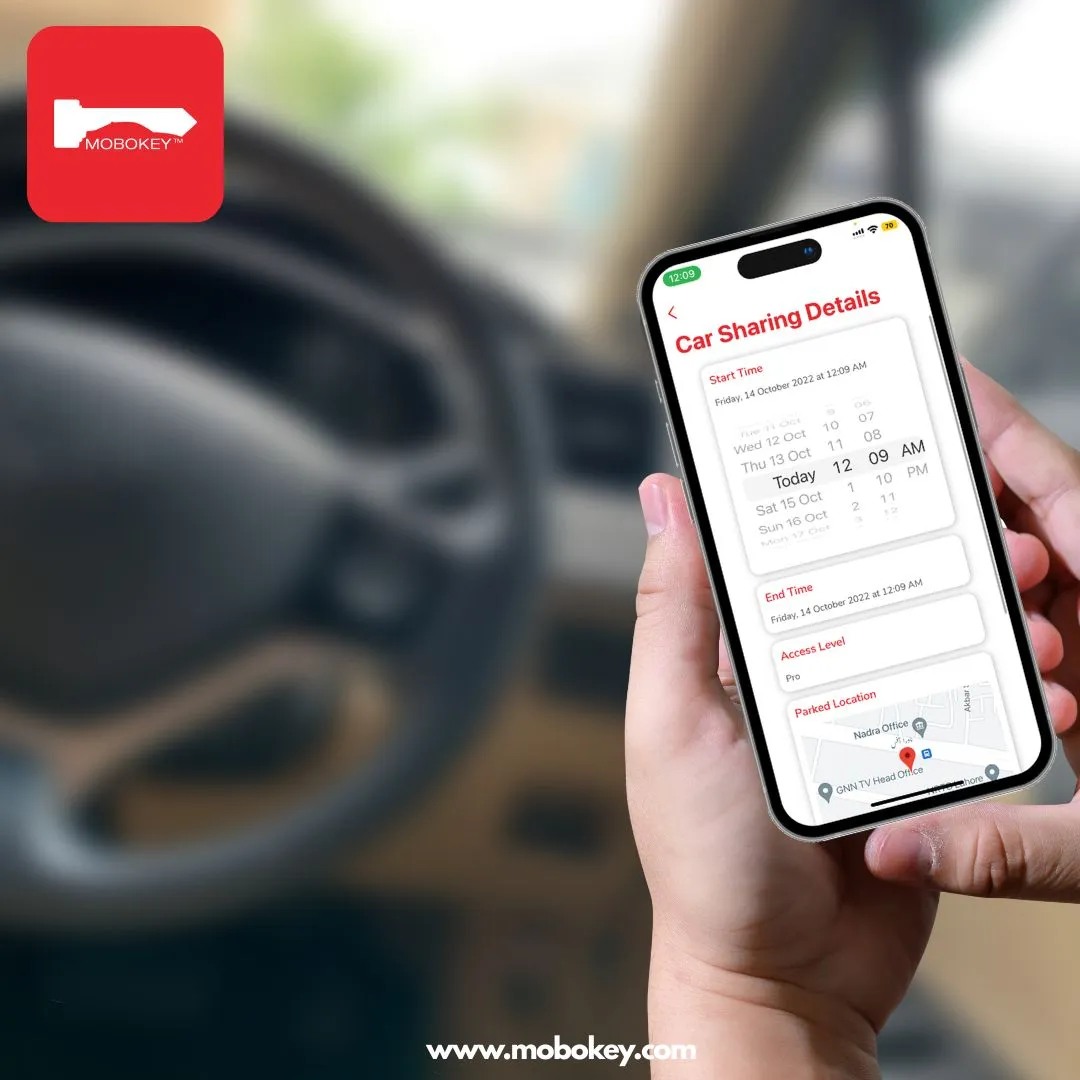
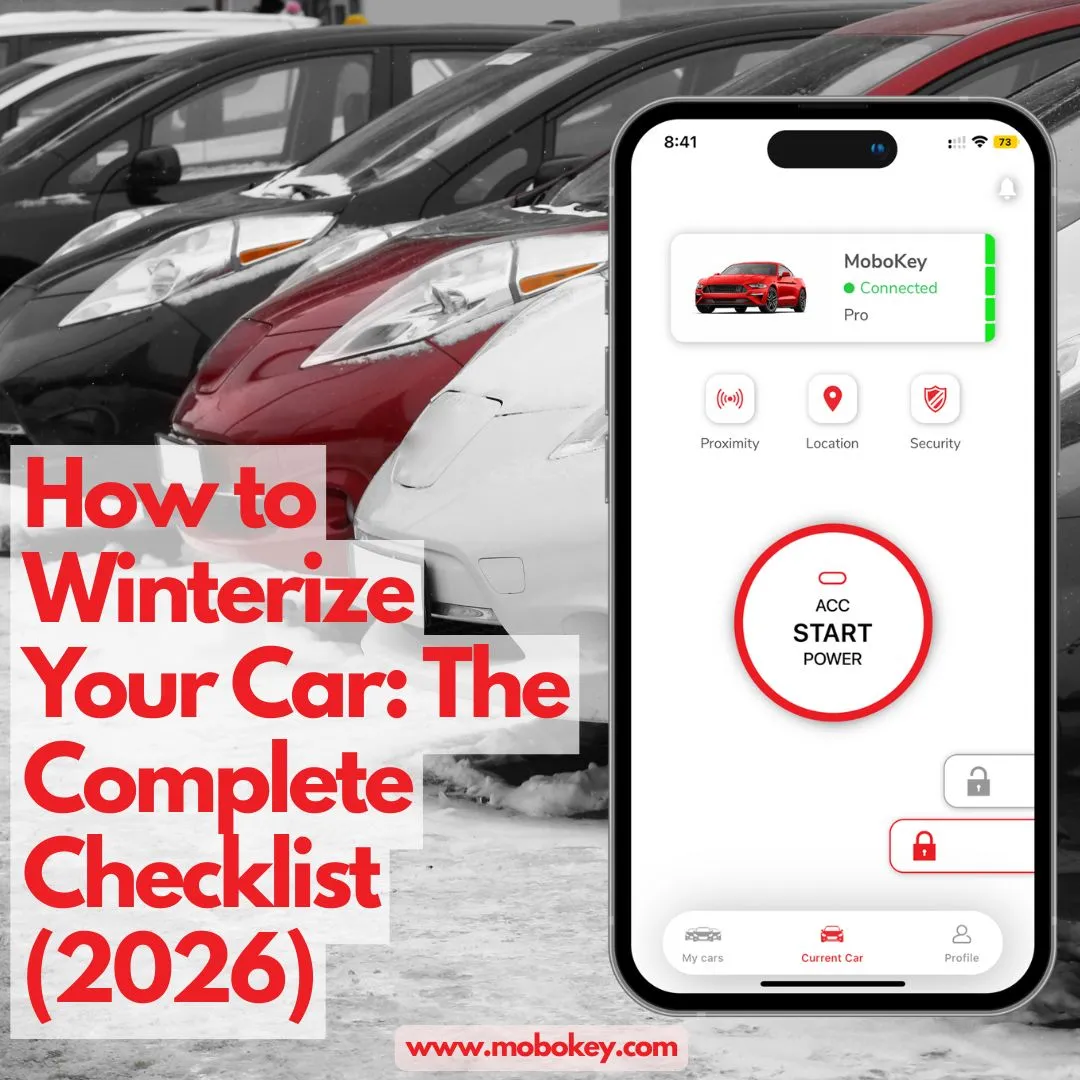
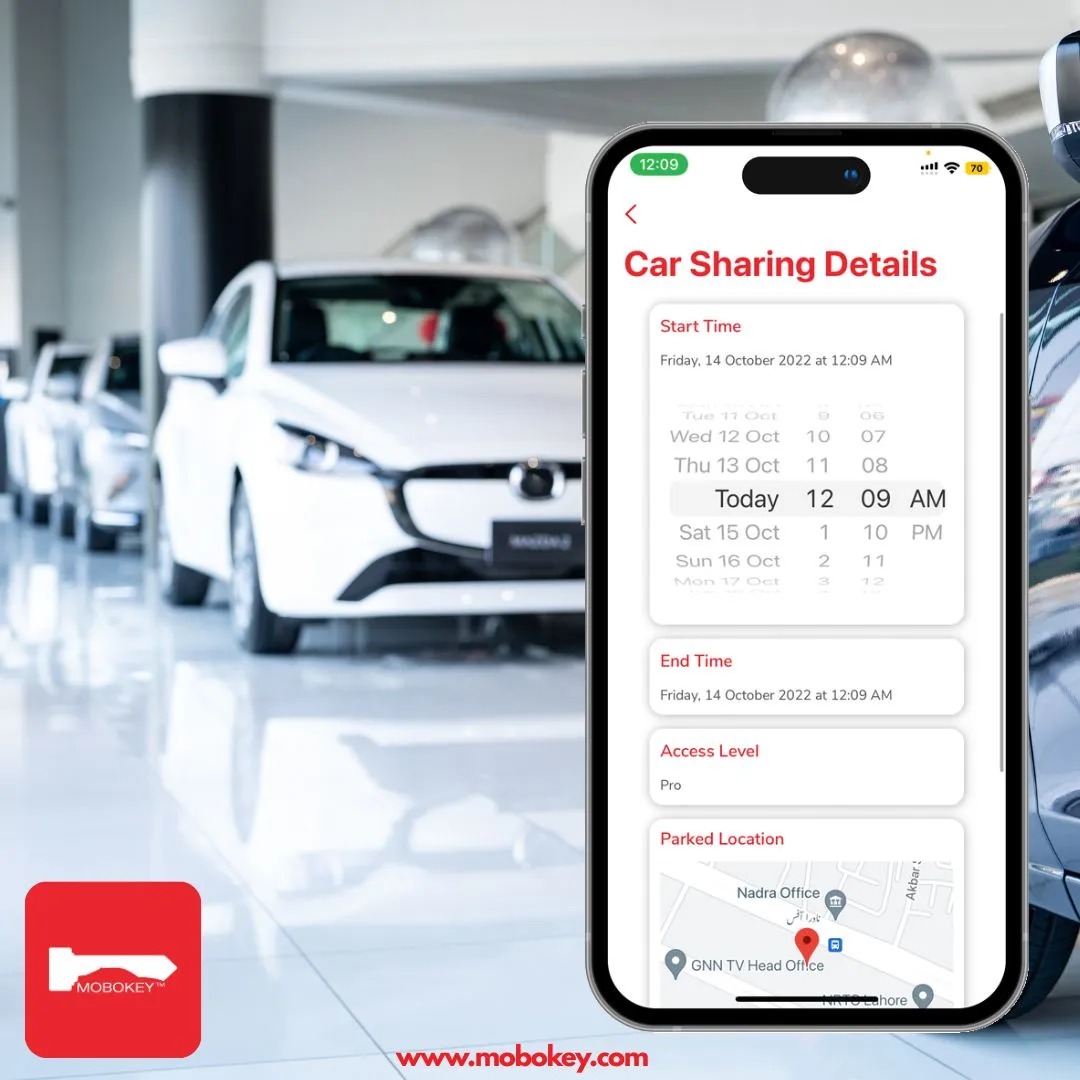
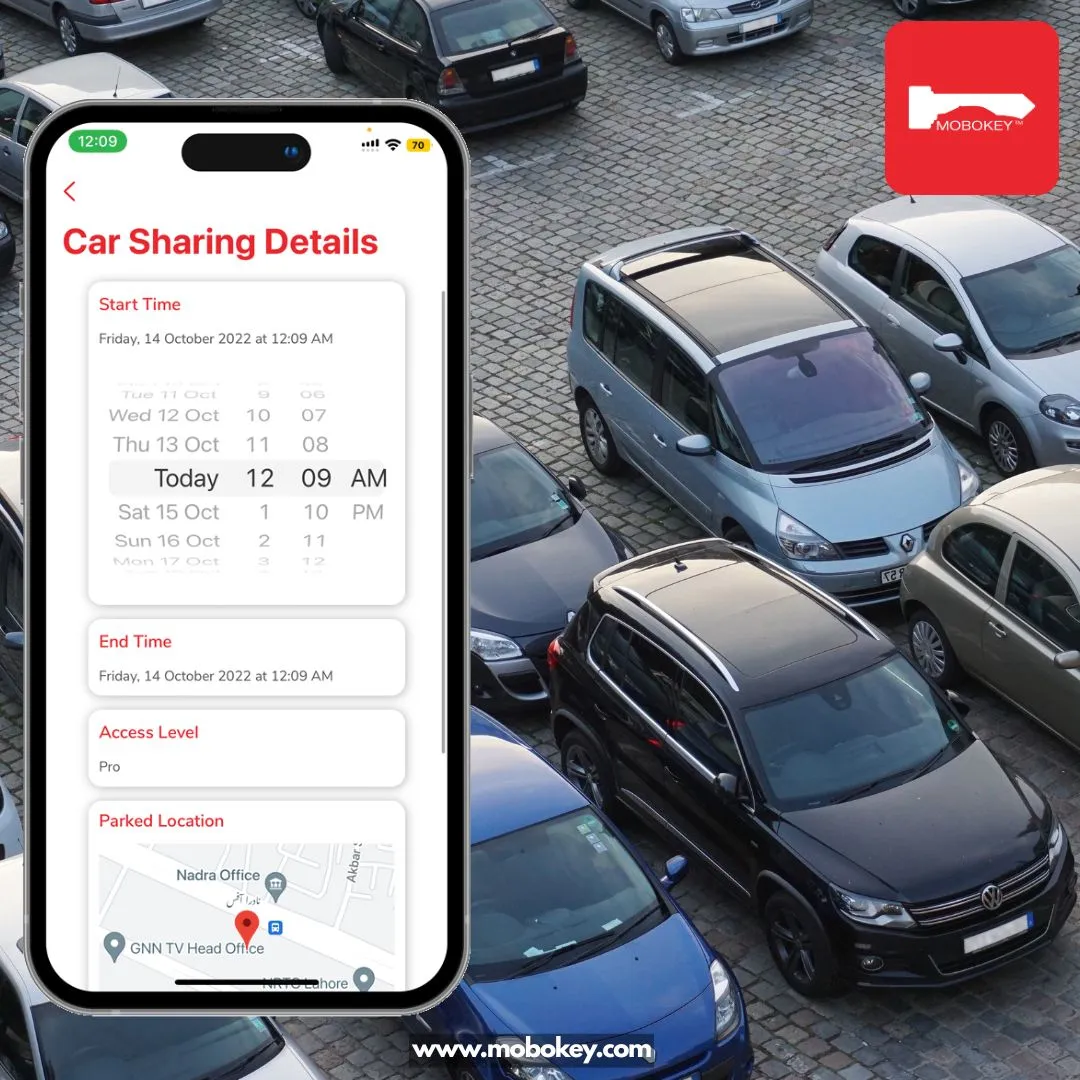
Keyless access is the enabler; everything else is an app. A car sharing vehicle needs to admit the right driver at the right time, refuse everyone else, and change drivers several times a week without anyone meeting anyone. Physical keys cannot do that. Digital keys can: each booking generates a time-bound key on the renter’s phone, access works over encrypted Bluetooth with no internet needed at the car, and the key expires when the trip ends.
This is exactly what MoboKey provides — for a single owner sharing with family, a Turo host running five cars, or an operator building a branded car sharing service on MoboKey GO. The hardware installs in over 90% of vehicles, adds remote engine kill and location awareness for security, and charges no subscription.
Is Car Sharing Worth It?
For renters: yes, if you drive occasionally. Pay for hours you use; skip everything ownership costs while parked. Start with the best apps like Turo for renters to pick a service.
For owners: yes, if your car sits idle. US hosts average around $10,500 per car per year on Turo. Here is how much you can make renting out your car — and how the earnings change as you scale
Frequently Asked Questions: Car Sharing
Paying for a car only when you use it. You book through an app, unlock with your phone, drive, and return it — by the hour or day. Someone else owns and maintains the vehicle.
Car sharing is self-service and short-term: app booking, keyless pickup, hourly options, cars parked in neighborhoods. Traditional renting means counters, paperwork, and daily minimums at airport locations. The line blurs more every year.
No. In ride sharing (Uber, Lyft), someone drives you. In car sharing, you drive yourself in a borrowed car. Car sharing replaces owning a car; ride sharing replaces taking a taxi.
Roughly $10 to $18 per hour for fleet services with fuel included, or $35 to $90 per day on peer-to-peer marketplaces. Direct booking with local operators is often cheapest, because no marketplace commission applies.
Yes — that is peer-to-peer car sharing. List on a marketplace like Turo, or rent directly with your own booking channel. Keyless hardware like MoboKey handles renter access either way, with time-bound digital keys and remote security.
Both sides are protected by design: drivers are license-verified, trips are documented, and digital keys expire when bookings end. Owners add remote engine kill and location tracking, so a car that goes missing can be found and immobilized.
Ready to go keyless? Visit mobokey.com or contact us today to get started.