Turo is worth it for hosts who run it like a small business, and a disappointment for those who expect passive income from any car. The honest numbers: hosts average around $10,500 per car per year in gross earnings, keep 60% to 90% of each trip depending on their protection plan, and then pay the costs nobody advertises, depreciation, cleaning, turnover time, and deductibles. With the right car, steady demand, and automated handovers, the net is real. With a financed new car in a slow market, it often is not. Here is the math that decides which host you will be.
How Much Do Turo Hosts Actually Make?
Gross first: roughly $10,500 per car per year on average, with top markets and well-chosen cars earning multiples of that. But gross is the number Turo markets; net is the number that pays you. Between the two sit the platform’s cut, your protection plan choice, and operating costs. Consumer-finance reviews like NerdWallet’s gig income analyses consistently land on the same conclusion: side-income platforms reward operators, not passengers. The full earning picture, market by market, is in how much you can make renting out your car.
The Honest Math: One Car, One Month
Illustrative numbers for a sensible mid-range car at $45 per day:
| Line item | Monthly |
|---|---|
| 14 booked days × $45 | +$630 gross |
| Host keeps ~75% (mid protection plan) | $472 |
| Cleaning and consumables | −$50 |
| Extra depreciation and wear | −$150 |
| Small repairs, fees, surprises (average) | −$40 |
| Net before your time | ≈ $230/month |
Two things jump out. First, depreciation is the biggest invisible cost, every 1,000 rental miles ages the car, and that bill arrives at resale, not monthly. Second, the net is sensitive: push booked days to 20, or run a car that cost less to buy, and the profit doubles. Let utilization slip to 8 days, and you work for free.
What Costs Do New Hosts Underestimate?
Four, reliably. Depreciation leads — hosts who buy new or financed cars often discover the car loses value faster than it earns. Time is second: photos, messages, cleaning, and key handovers add up to real hours per trip unless automated. Deductibles third: even with protection plans, incidents cost something, and claims take effort. Seasonality last: the holiday weeks surge, but February exists too — judge the math on an average month, not a peak one.
When Is Turo Worth It and When Not?
Worth it when three things line up. The car is bought for the job — used, reliable, cheap to run; the best cars for Turo ranked by ROI shows why a $12,000 Corolla usually beats a $40,000 SUV. The market has demand — airports, cities, and tourist towns keep calendars full. And your time cost stays low, which is an automation question more than an effort question.
Not worth it when the car is financed and new (depreciation eats the margin), when local demand is thin, or when every pickup requires you to drive across town with a key. Those hosts quit within a year — not because Turo lied, but because the math never had room.
How Do Successful Hosts Tilt the Math?
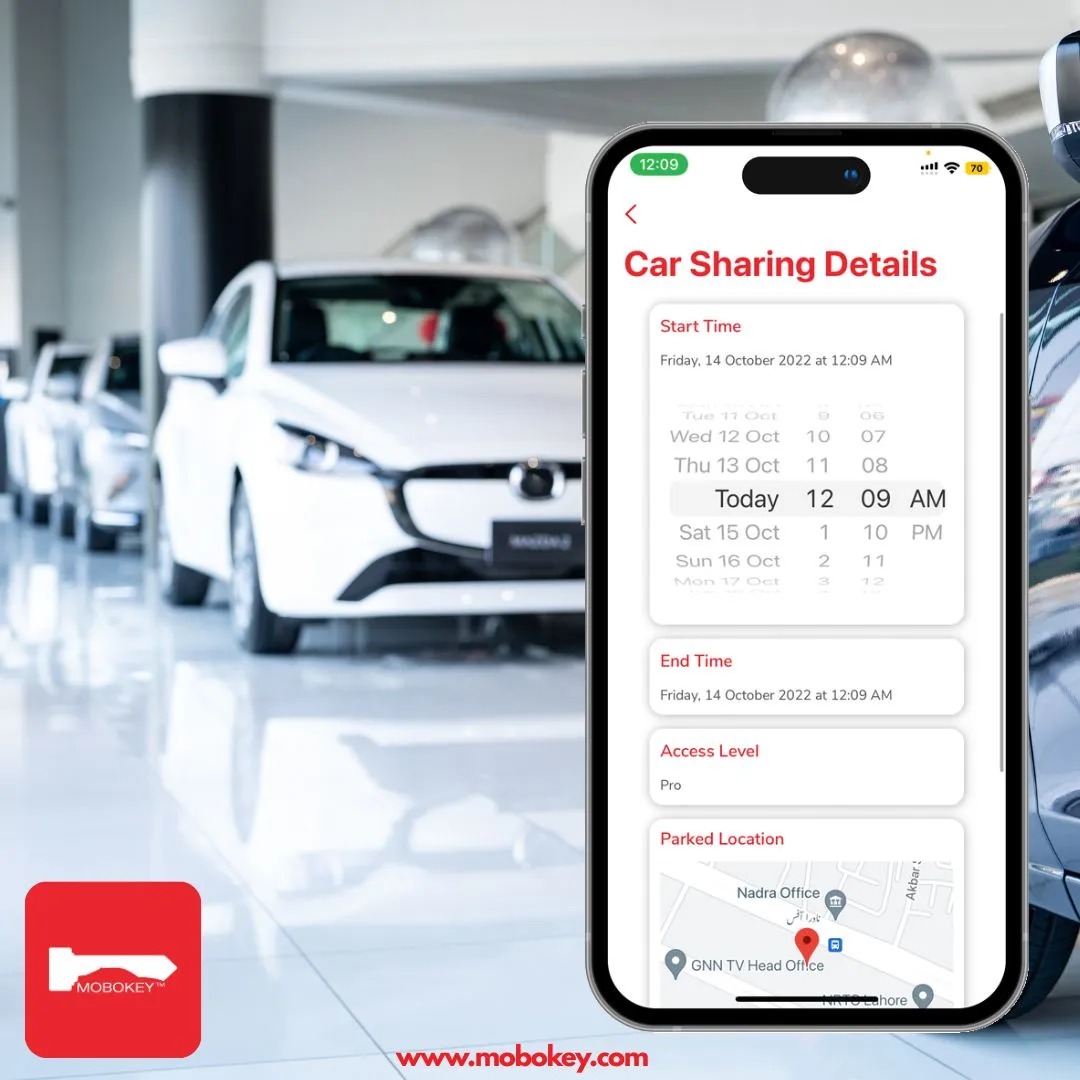
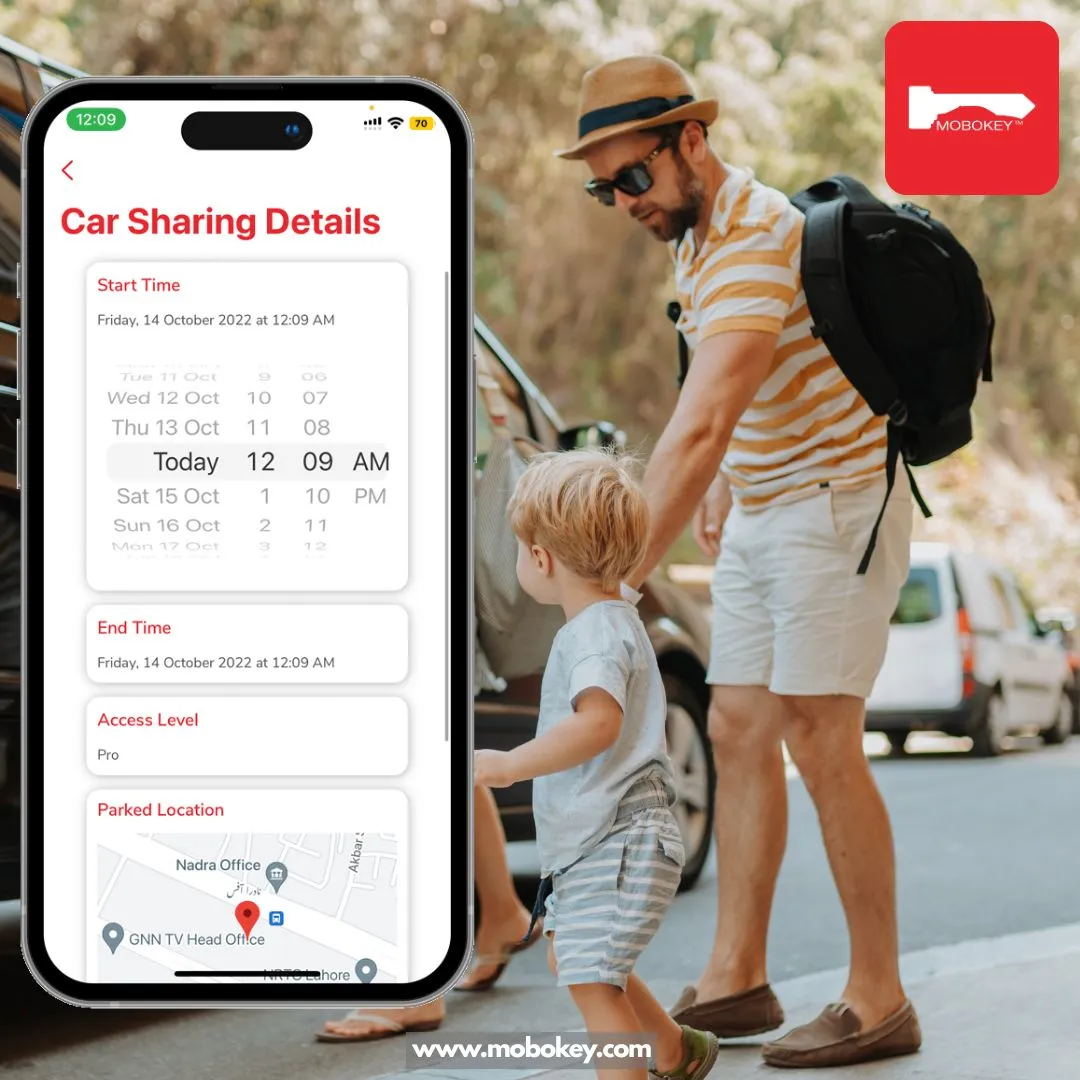
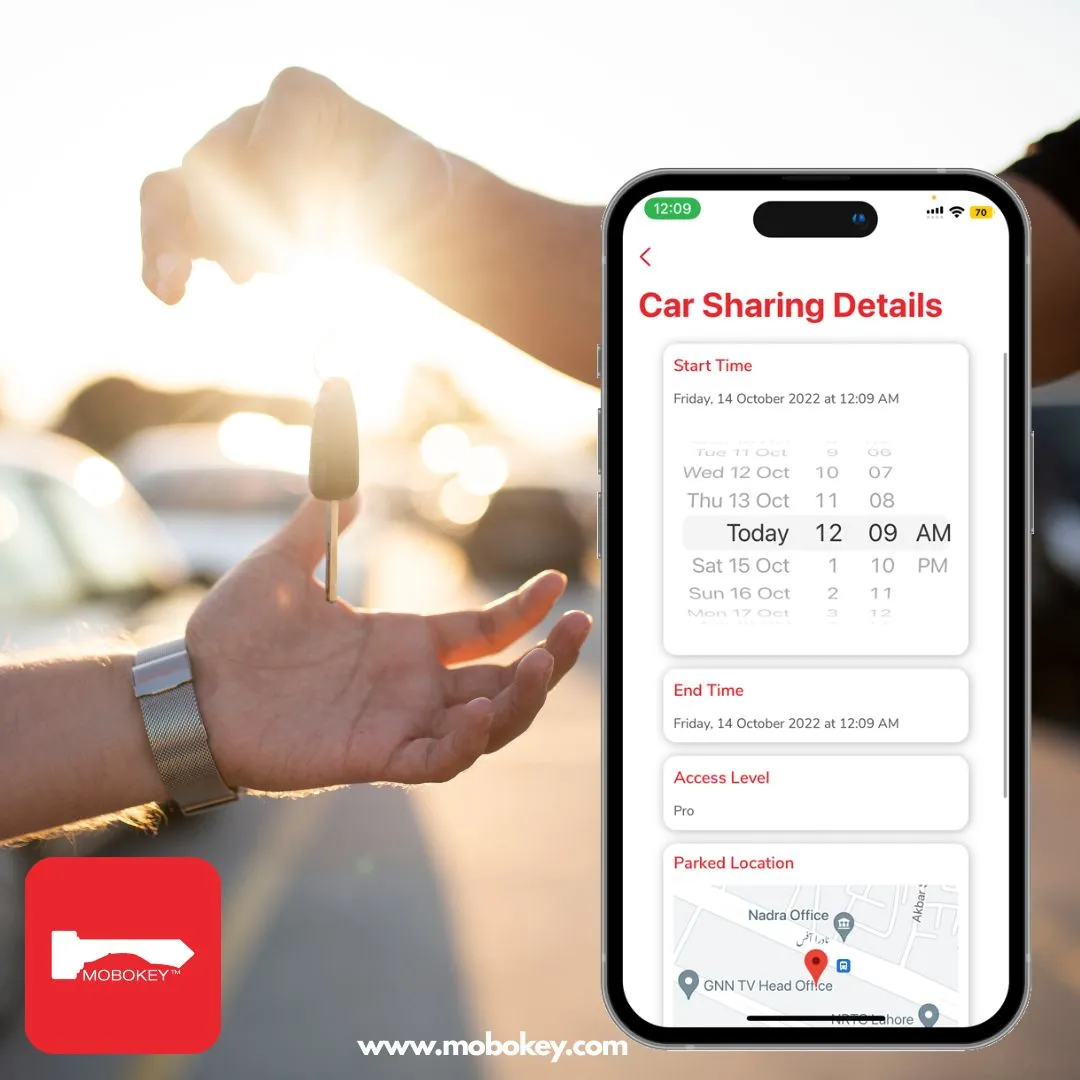
Three moves, in order of impact. First, automate handovers: keyless access removes the single biggest time cost. With MoboKey, each booking gets a time-bound digital key, pickups happen without you, and access expires at return, the full setup is in the keyless entry guide for Turo hosts. Hosts who automate run multiple cars with less effort than manual hosts spend on one.
Second, scale into a small fleet once the first car proves the math, fixed effort spreads across more earners. Third, graduate your repeat renters to direct bookings, where no commission applies; operators running MoboKey GO keep the entire trip price. That progression — one automated car, then several, then a direct channel, is how a side hustle quietly becomes a rental business.
Frequently Asked Questions: Is Turo Worth It?
Yes, for hosts who treat it as a business: a smart used car, a high-demand market, and automated handovers produce real profit. It disappoints owners expecting passive income from a financed daily driver in a slow market.
Around $10,500 per car per year in gross earnings on average. Net after the platform’s share, cleaning, depreciation, and incidentals is typically a fraction of that — the spread between smart and careless setups is enormous.
Hosts keep 60% to 90% of the trip price depending on the protection plan they choose — more coverage, smaller share. Most hosts land in the middle, keeping roughly 70–80%.
As a test, yes — one car proves your market and your math with limited risk. As income, one car nets a few hundred dollars a month at typical utilization. The economics improve sharply with automation and a second car.
Depreciation. Rental miles age the car faster than personal use, and the cost appears at resale rather than in monthly statements. It is the main reason cheap, reliable, slow-depreciating cars out-earn expensive ones on ROI.
On Turo, no — the fee funds the marketplace and protection. But many hosts move repeat renters to direct bookings over time, using their own channel with keyless access via MoboKey GO, where no commission applies.
Ready to go keyless? Visit mobokey.com or contact us today to get started.