The best cars for Turo in 2026 are affordable, reliable economy models: the Chevrolet Cruze, Dodge Grand Caravan, and Ford Focus all return over 150% annual ROI because they cost little to buy and stay booked constantly. If you want maximum monthly revenue instead, Tesla Model 3 and Model Y, Toyota 4Runner, and Jeep Wrangler gross $800 to $2,500+ per month. The right choice depends on your strategy: cheap and busy beats expensive and idle for most first-time hosts.
Choosing the car is the biggest decision a Turo host makes — and the data says most people choose wrong. The flashiest cars do not produce the best returns. Here are the numbers for 2026, and the strategy behind them.
What are the best cars for Turo in 2026?
Measured by return on investment — earnings against what the car costs you — the winners are unglamorous and consistent.
The standout example: a used Chevrolet Cruze valued around $11,000 earns roughly $7,300 per year on Turo. That is a better return than almost any luxury vehicle can match, because the denominator stays small.
| Vehicle | Annual ROI | Why it works |
|---|---|---|
| Chevrolet Cruze | ~185% | Cheap to buy, constant demand |
| Dodge Grand Caravan | ~182% | Families and airport trips love vans |
| Ford Focus | ~180% | Reliable, cheap parts, easy to service |
| Ford Fiesta | ~178% | Lowest entry cost |
| Chevrolet Spark | ~171% | City renters, great fuel economy |
| Mitsubishi Mirage | ~169% | Ultra-low running costs |
| Nissan Versa Note | ~162% | Practical, high occupancy |
| Subaru Forester | ~159% | AWD demand in outdoor markets |
The pattern is clear. These cars combine predictable demand with low operating risk: simpler mechanical systems, cheaper and more available parts, and fewer days lost to repairs. According to the GOBankingRates ROI analysis, that reliability edge is exactly what separates the top returners from the rest.
ROI vs revenue: which should you optimize?
Two valid strategies exist, and they point at different cars.
The ROI strategy maximizes return per dollar invested. You buy a $10,000 to $15,000 economy car, keep it booked 20+ days a month, and earn back the purchase price in under a year. This suits first-time hosts, tight budgets, and anyone scaling toward multiple vehicles — three Cruzes out-earn one luxury SUV with less risk concentration.
The revenue strategy maximizes gross income per vehicle. Tesla Model 3 and Model Y, Toyota 4Runner, Jeep Wrangler, Chevrolet Corvette, and Sprinter-style vans gross $800 to $2,500+ per month. However, they cost more to buy, insure, and repair — so the percentage return is lower even when the dollars are bigger. This suits hosts with capital who want fewer, higher-value bookings.
Furthermore, the two strategies mix well. Many established hosts run an economy core for steady income plus one specialty vehicle for premium bookings. Whichever you choose, our guide on how much you can make renting out your car breaks down the net math after fees. (Link to the earnings post once live.)
What makes a car good for car sharing?
Beyond the model lists, six criteria predict success for any vehicle.
Purchase price relative to daily rate — the cheaper the car, the faster it pays for itself. Reliability record — every repair day is lost revenue. Parts availability — common models get fixed fast and cheap. Demand category — compact SUVs, vans, and trucks book heaviest in most markets. Fuel economy — renters compare it before booking. And keyless compatibility — because access friction quietly caps your calendar.
That last one is underrated. A car that requires in-person key handovers cannot take early-morning, late-night, or same-day bookings. Hosts using keyless entry rent the same car more hours per month than handover hosts — same asset, more income.
How do you maximize earnings from whatever car you choose?
The car sets the ceiling; operations decide how close you get to it.
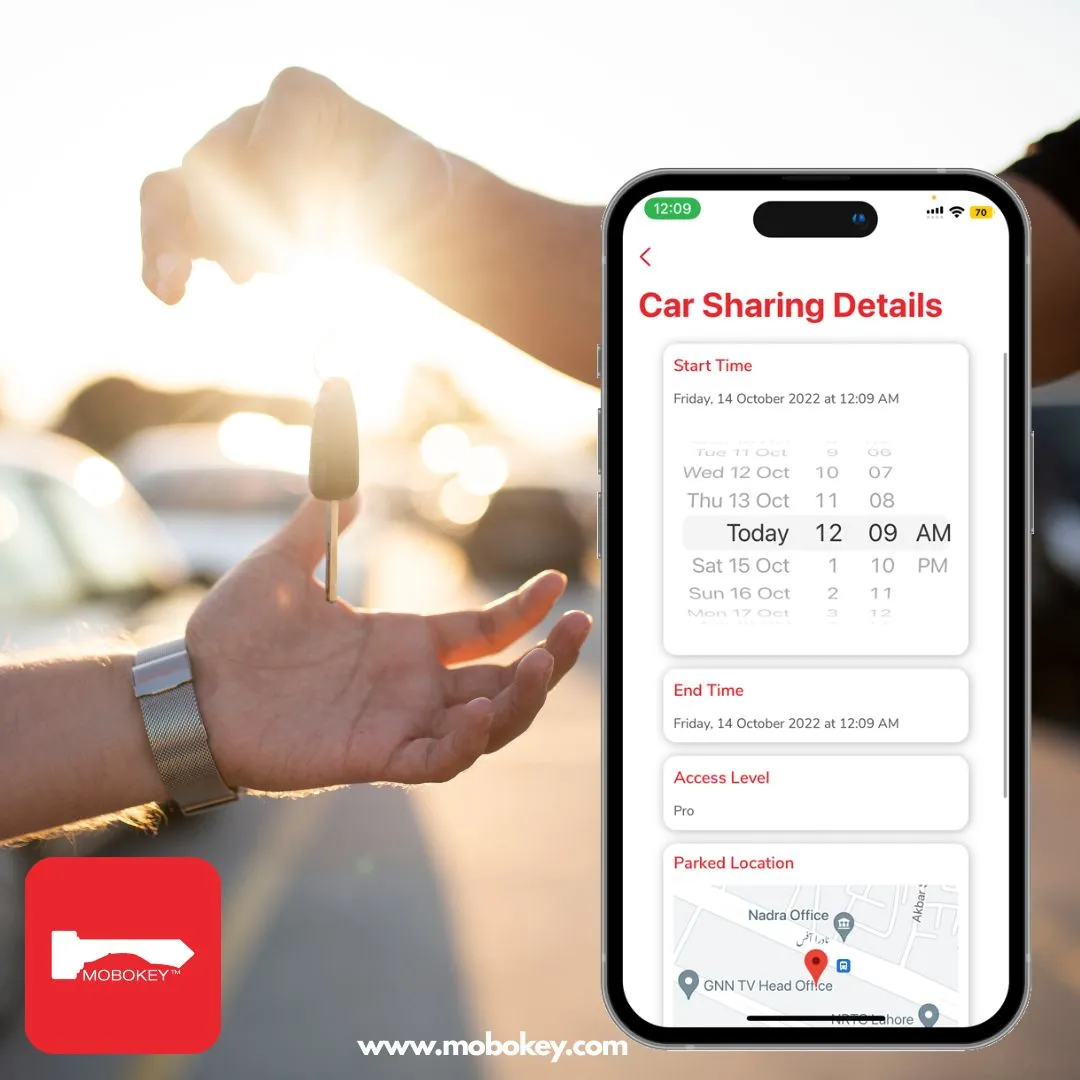
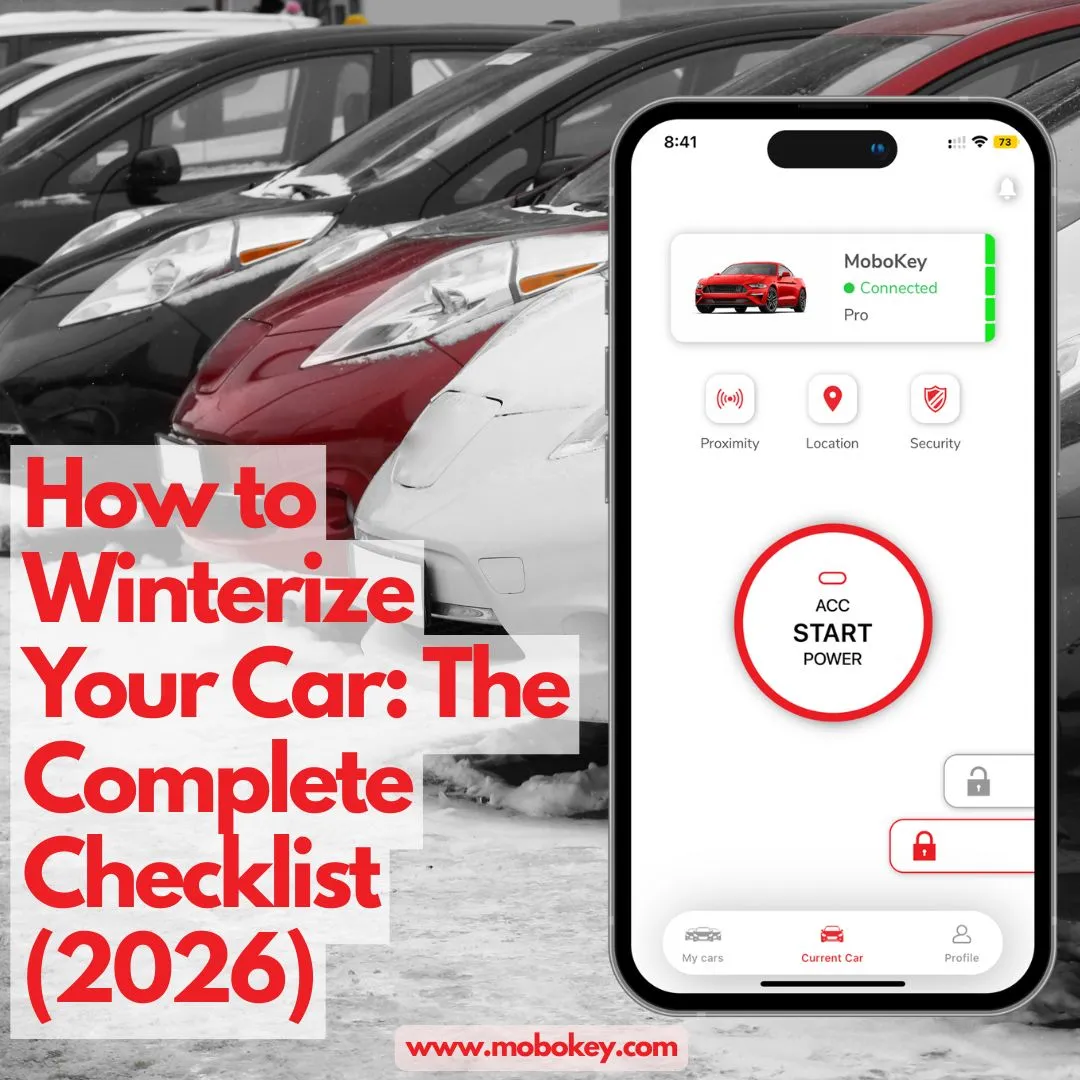
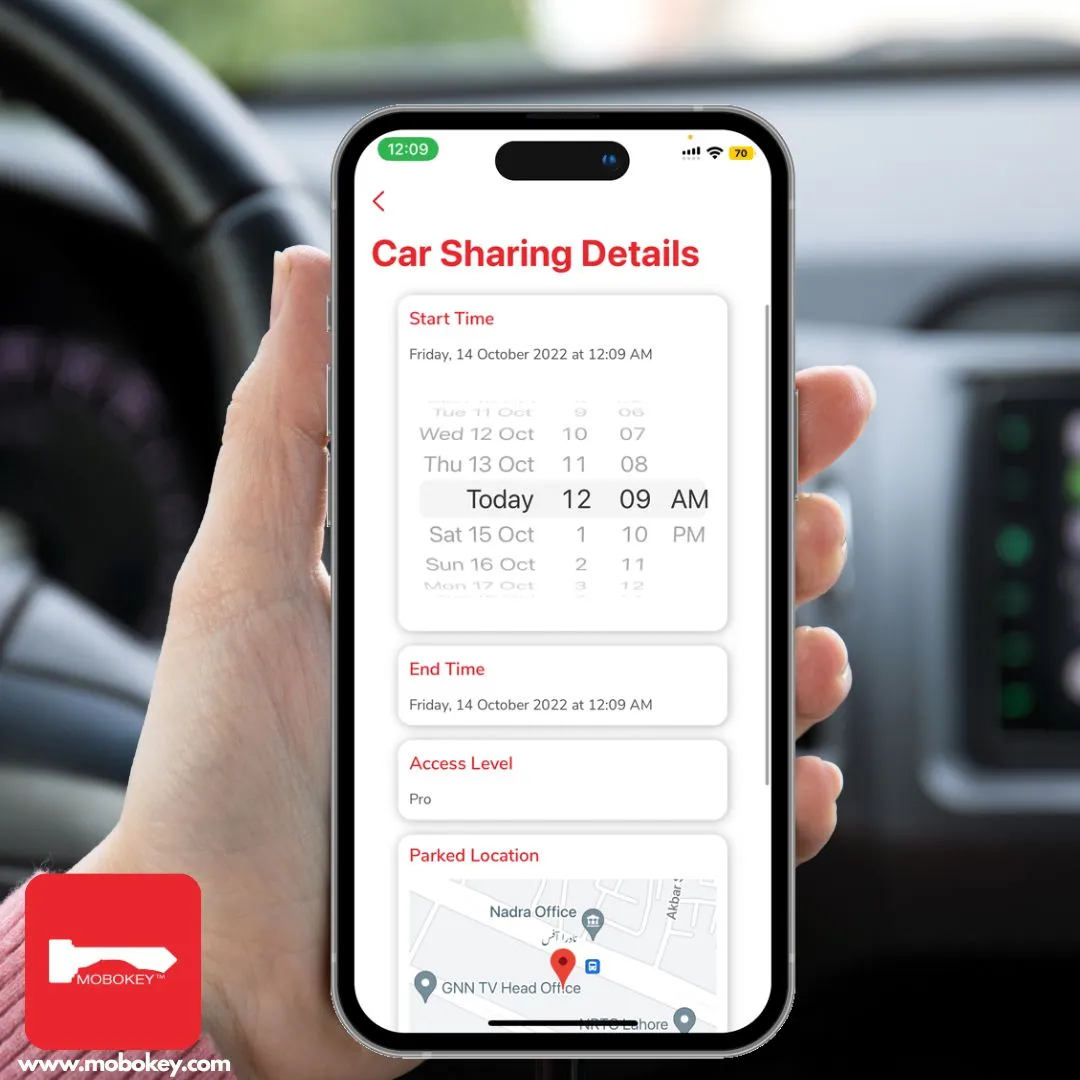
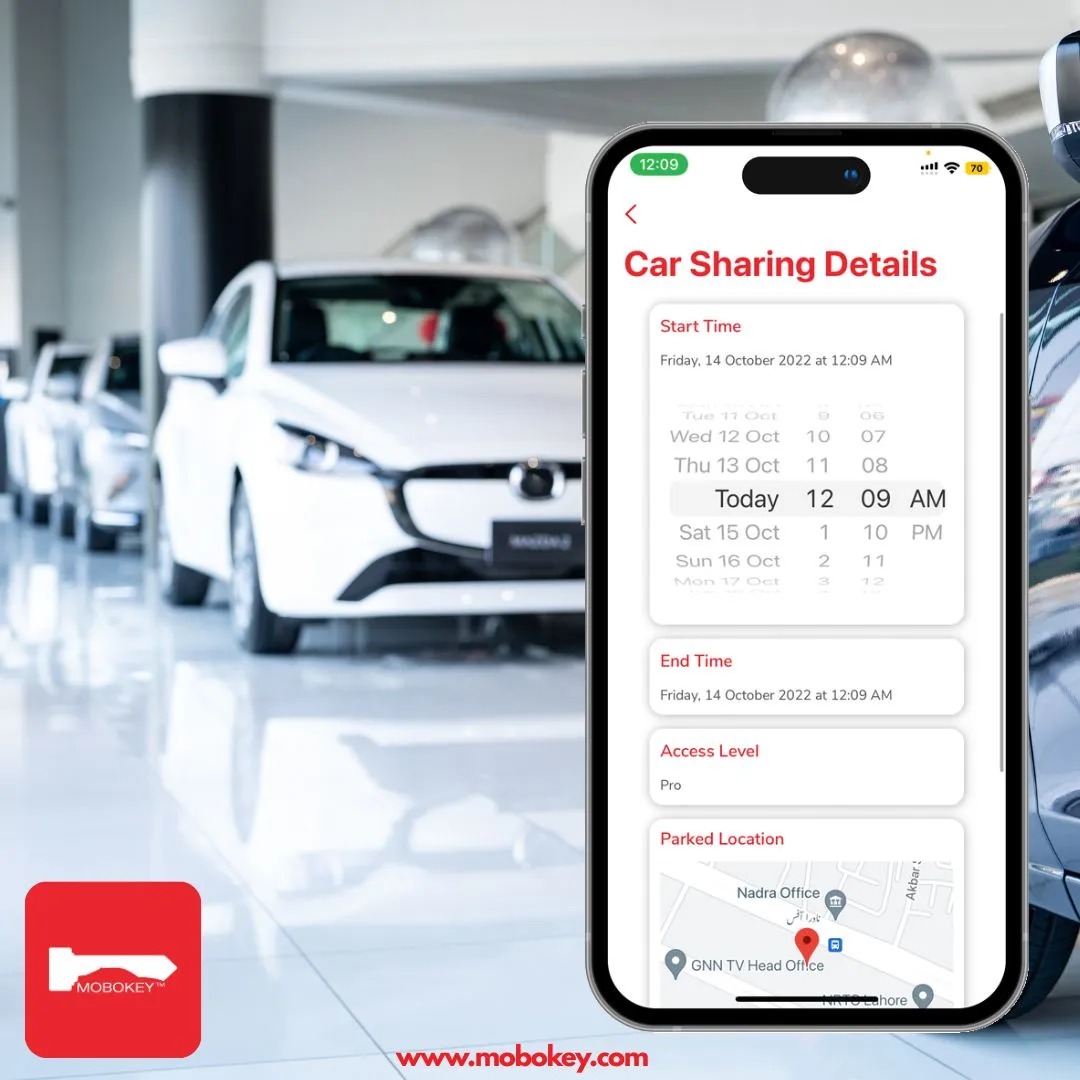
First, go keyless from day one. MoboKey installs on over 90% of vehicles — including every model on the ROI list above — and issues time-bound digital keys for each booking. No meetups, no lockboxes, 24/7 pickup.
Second, protect the asset. The same device includes a remote kill switch and parked location tracking, which matters more as your car works harder.
Third, follow the trend the top hosts already discovered: move repeat renters off-platform. Marketplace commissions take 15 to 40% of every booking. MoboKey GO gives you a branded booking app on the same hardware, so returning customers book you directly — commission-free. For a host doing steady volume, that shift often beats adding another car.
MoboKey is a one-time hardware cost with no subscription. Details are at MoboKey Shop.
Ready to put the right car to work? Visit mobokey.com or contact us today to get started.
Frequently asked questions: best cars for Turo
What is the most profitable car on Turo in 2026?
By ROI, the Chevrolet Cruze leads — roughly $7,300 in annual earnings on a car valued around $11,000. By gross revenue, Tesla Model 3/Y, Toyota 4Runner, and Jeep Wrangler top the charts at $800 to $2,500+ per month. Profit percentage and profit dollars point at different cars.
Are Teslas worth it for Turo?
For revenue, yes, Teslas gross among the highest on the platform, especially in urban markets. For ROI, usually not: the higher purchase price, insurance, and repair costs eat the percentage return. Choose a Tesla for premium positioning, not for efficiency of capital.
Should I buy a new or used car for Turo?
Used, in most cases. Depreciation is the largest hidden cost of car sharing, and a three-to-five-year-old reliable model has already absorbed the steepest part of the curve. The top-ROI list is dominated by affordable used cars for exactly this reason.
How many days a month should my Turo car be booked?
Aim for 60 to 70% occupancy, roughly 18 to 21 days a month. Below that, revisit your pricing and photos. Above 80%, you are likely underpriced. Keyless access raises the practical ceiling because pickups no longer depend on your availability.
What is the best first car for a car sharing business?
A used compact from the ROI list, Cruze, Focus, or Versa Note, or a Grand Caravan if your market has family and airport demand. Low purchase price limits your downside while you learn the operations. Scale after your first car holds steady occupancy.
How does MoboKey work with any of these cars?
MoboKey installs on over 90% of vehicles, including every model above — key-start or push-start, automatic or manual. Each renter receives a time-bound digital key that expires when the booking ends, and the owner keeps a remote kill switch and parked location tracking throughout.