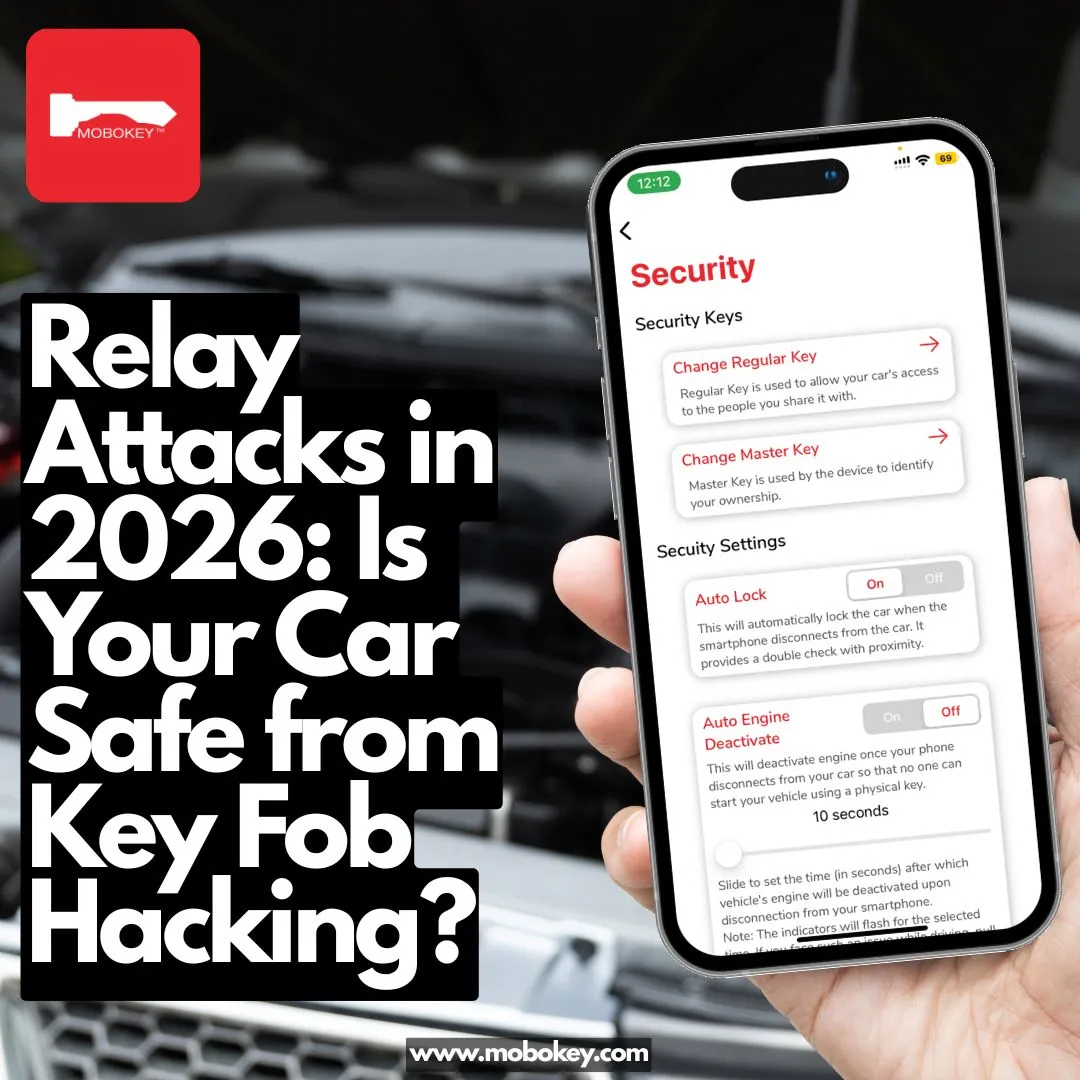
Direct Answer: A relay attack is a car theft method where thieves capture your key fob’s signal and relay it to your parked car, tricking it into unlocking and starting. The attack takes under 60 seconds and works on most keyless entry vehicles. In 2026, it remains the leading theft method for modern cars. Prevention requires blocking the fob signal with a Faraday pouch, and adding a security layer the relay cannot touch such as a kill switch or app-authorized digital key.
The convenience of a keyless car is undeniable, but it comes with a critical security risk: the relay attack. This modern form of vehicle theft has led to a surge in auto crime worldwide, often bypassing traditional security systems and leaving owners vulnerable. The question is no longer “Do I have an alarm?” but rather, “Is my key fob’s signal protected?”
What is a Relay Attack and Why is Your Fob Vulnerable?
A relay attack is a simple but highly effective method used by thieves to steal a car without ever touching the physical key.
- Signal Interception: Two thieves work together. One positions themselves near your key fob (often outside your front door or window) with a signal amplification device.
- Signal Relay: This device captures the faint radio frequency (RF) signal constantly emitted by your key fob and relays it to a second device held by an accomplice near your car.
- Theft: The car is tricked into thinking the key is physically present, so it unlocks the doors and allows the thieves to start the engine and drive away all in a matter of minutes, and without triggering a traditional alarm. A factory immobilizer does not stop this either the car believes the real key is present.
Which Cars Are Most at Risk from Relay Attacks?
Any vehicle with passive keyless entry and start is a potential target. If your car unlocks when you approach with the fob in your pocket, its signal can be relayed.
So how easy is it to steal a Tesla or a modern keyless EV? Harder than most keyless cars — but not impossible. Teslas use phone-based Bluetooth keys and offer PIN to Drive, which blocks the start even after entry. However, researchers have demonstrated relay attacks against Bluetooth phone keys too. Owners who skip the PIN feature give that protection away.
The highest-risk group is different: conventional keyless cars from 2015 onward without any signal protection. European auto club ADAC has tested hundreds of keyless models and found the overwhelming majority could be opened and started with basic relay equipment.
Older cars with physical keys face no relay risk at all. However, they usually lack an immobilizer’s protection against hot-wiring. Every era of car has its weak point — which is why layered security wins.
The Digital Shield: MoboKey’s Multi-Layered Defense
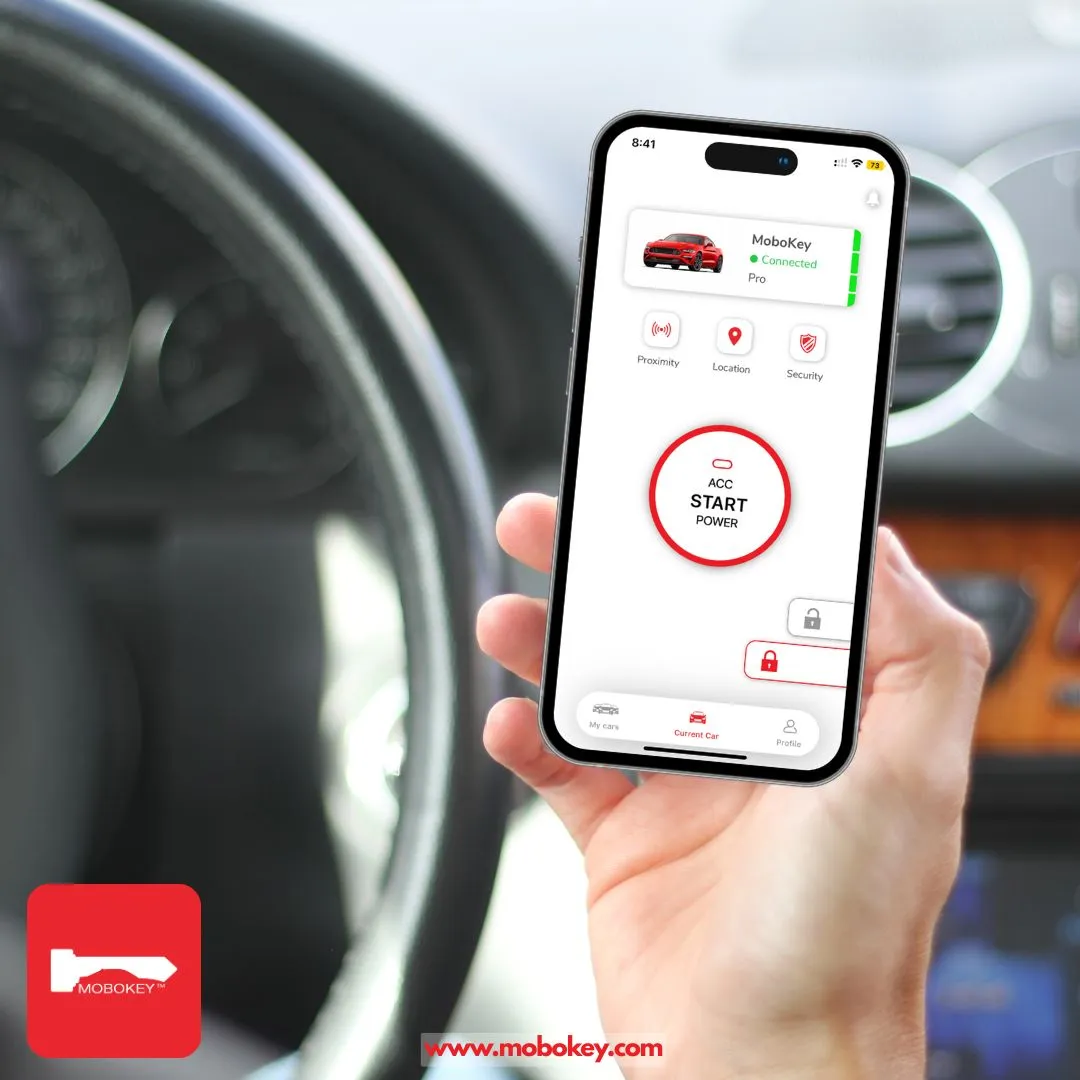
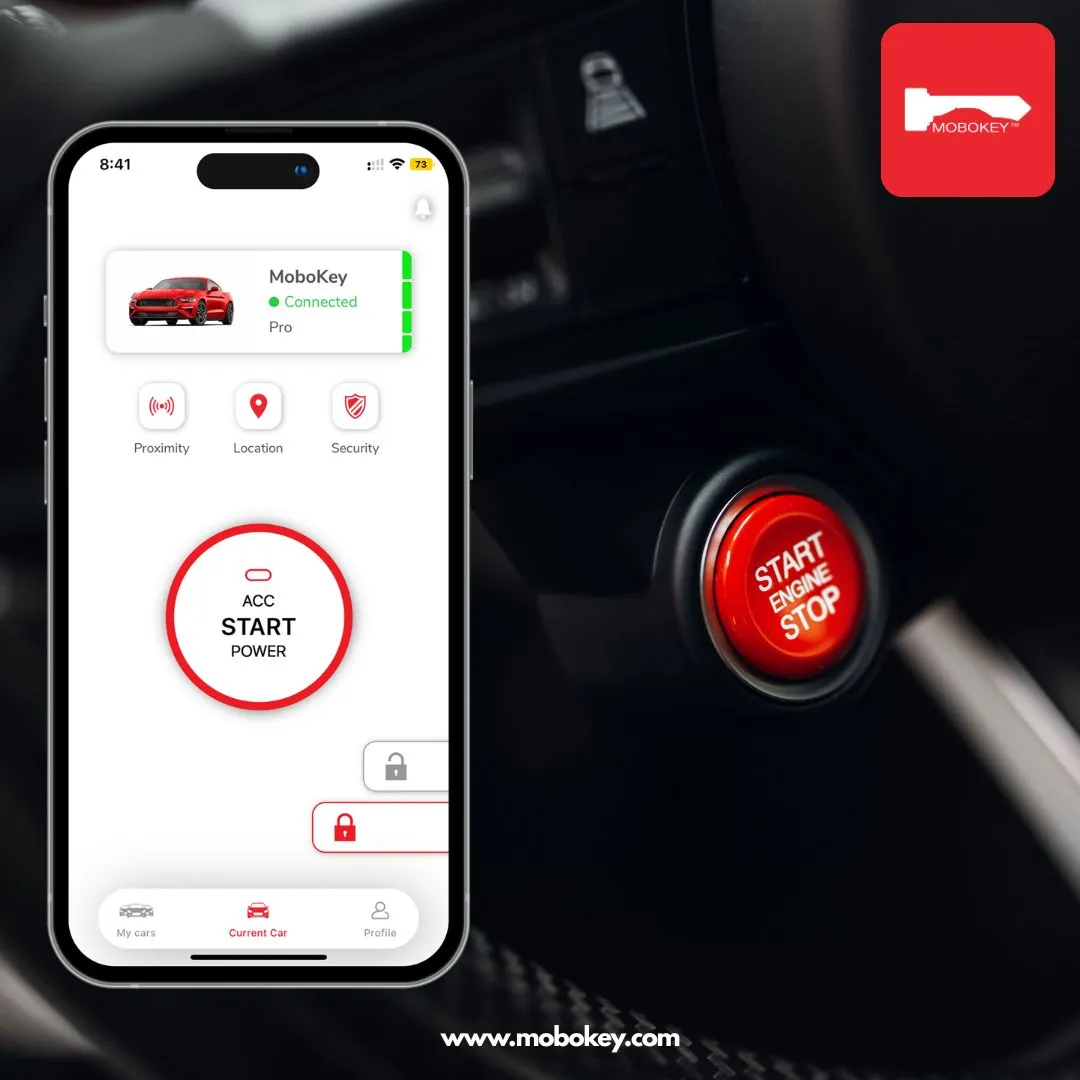
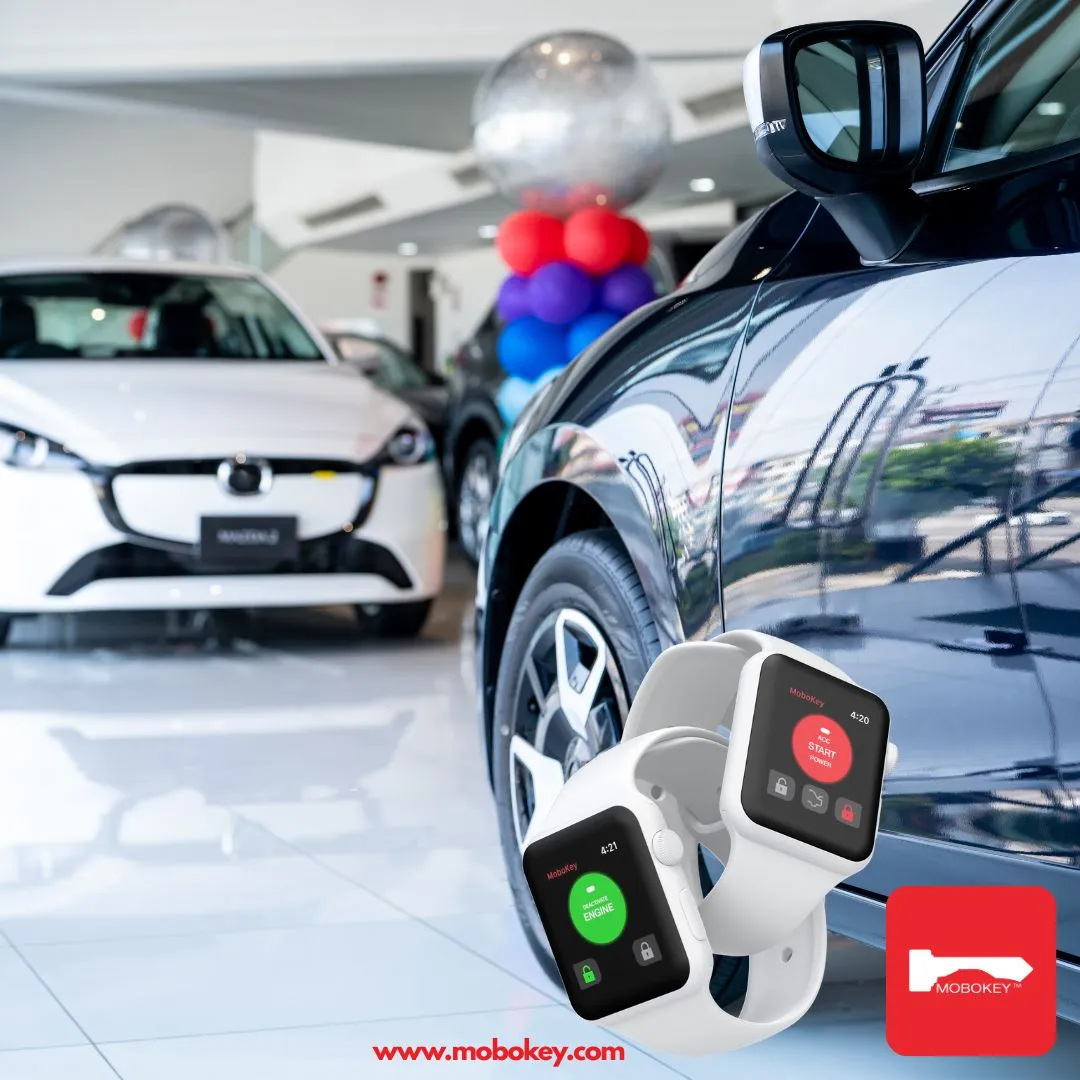
Digital keys, especially those designed by aftermarket innovators like MoboKey, are built to eliminate the vulnerabilities of the continuously broadcasting key fob. MoboKey transforms your smartphone into a digital shield, using a multi-layered approach to security:
- Encrypted Communication: MoboKey’s system does not rely on traditional, vulnerable RF signals. It uses AES-encrypted communication over Bluetooth. This makes it extremely difficult for hackers to intercept or manipulate the signal, effectively protecting against sophisticated hacking attempts.
- No Continuous Broadcast: Since MoboKey relies on a connected smartphone app for authorization, it does not broadcast a signal continuously like many older key fobs, significantly minimizing the window of opportunity for signal interception.
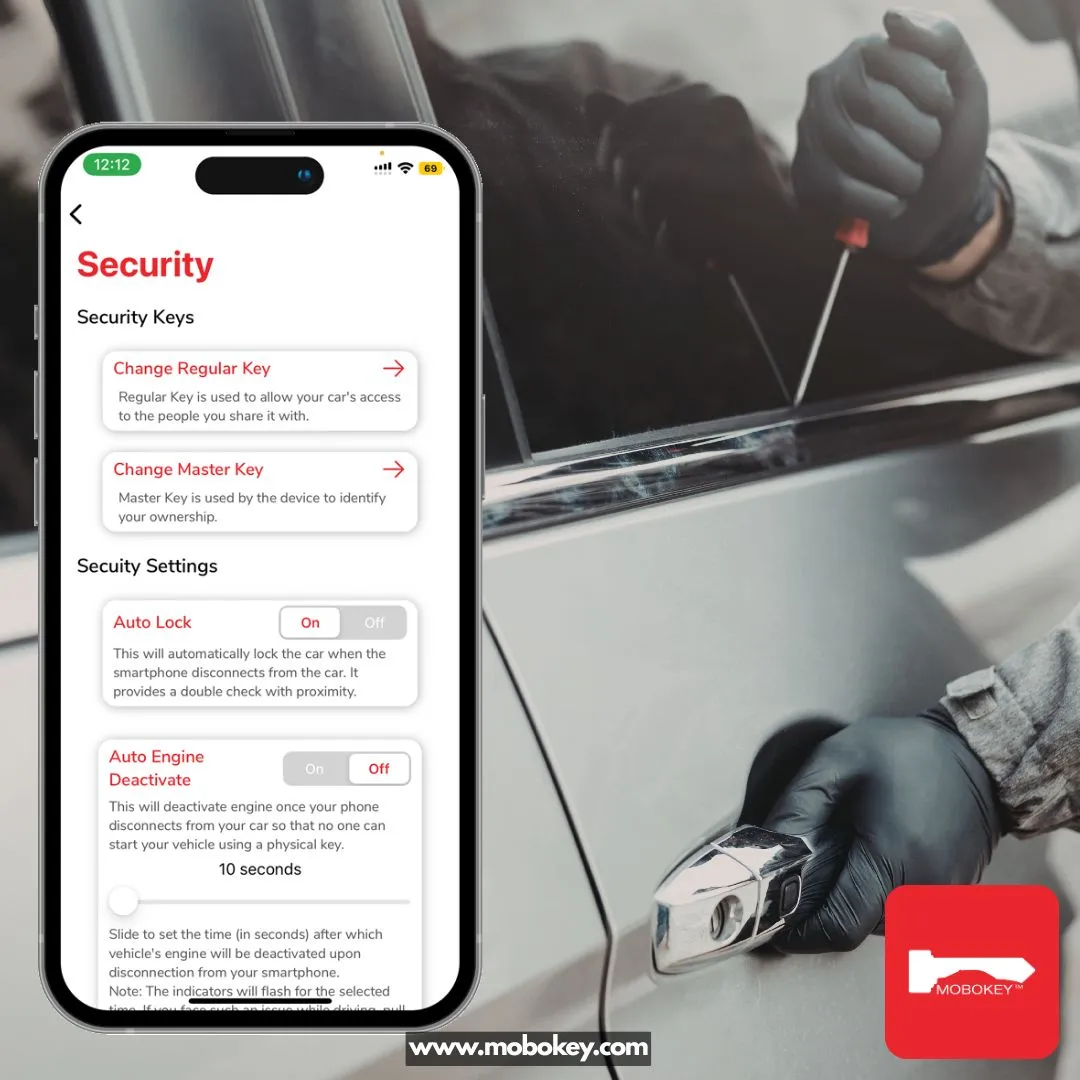
- Active Immobilization (Remote Kill Switch): If a theft attempt or unauthorized movement is detected, you have the ultimate weapon: the remote engine kill switch. You can remotely cut the engine’s power, actively immobilizing the car and preventing the theft before it progresses further.
- Instant Revocation: If your smartphone is lost or stolen, you can instantly log in from another device and remotely revoke access to the digital key. This ensures a lost phone does not grant permanent access to your vehicle.
Protecting Your Vehicle: Beyond the Fob
Security experts agree that the best defense is a multi-layered approach. If you still use a traditional key fob, you must protect its signal.
| Defense Layer | Solution | MoboKey Advantage |
| Signal Blocking | Store your fob in a Faraday pouch or metal box when at home. | Does not rely on a constantly broadcasting key for secure access. |
| Physical Deterrent | Use a steering wheel lock; it provides a visual deterrent to thieves. | Complements physical security with digital security and a remote kill switch. |
| Digital Control | Enable PIN-to-drive features if your car supports them. | Provides remote access revocation, encrypted access, and engine immobilization. |
How Do You Prevent a Relay Attack in 2026?
Five measures stop relay theft, ordered from free to comprehensive.
Furthermore, combine layers. A Faraday pouch plus a kill switch covers both the signal path and the engine path — at a total cost lower than one insurance deductible.
MoboKey offers a comprehensive solution that combines active security, remote control, and peace of mind. By making the switch to a smartphone-based digital key, you are choosing a system built to defeat the modern threat of key fob hacking.
Frequently Asked Questions: Relay Attacks and Key Fob Hacking
What is a relay attack on a car?
A relay attack is a theft method where two thieves capture and amplify your key fob’s radio signal. One device picks up the signal near your home; a second device replays it beside your car. The car believes the key is present, unlocks, and starts. The entire theft takes under a minute.
How easy is it to steal a Tesla?
Harder than most keyless cars, but not impossible. Teslas use Bluetooth phone keys and offer PIN to Drive, which blocks driving even after entry. Researchers have demonstrated relay attacks against Bluetooth keys, so owners should enable the PIN feature. Without it, a Tesla is exposed like any keyless vehicle.
Can a relay attack start my car, or just unlock it?
Both. The relayed signal satisfies the car’s keyless start system, so the engine starts normally. However, most cars will not restart once turned off without the real key nearby — which is why thieves drive stolen keyless cars directly to a container or chop shop.
Does insurance cover relay attack theft?
Comprehensive coverage generally covers theft regardless of method. However, some insurers scrutinize keyless thefts because there is no sign of forced entry. Anti-theft devices help both ways: they prevent the theft and often qualify you for a premium discount.
Do Faraday pouches really work against relay attacks?
Yes. A quality Faraday pouch blocks the fob’s radio signal completely, which makes the relay attack impossible — there is nothing to capture. Test yours: with the fob in the pouch beside the car, the door handles should not respond.
How does MoboKey stop relay attacks?
MoboKey does not broadcast a constant signal like a key fob, so there is nothing to relay. Access requires AES-encrypted authorization from the paired smartphone app. Additionally, if a vehicle moves without authorization, the remote kill switch prevents the engine from continuing to run. The attack path relay thieves rely on simply does not exist. Wondering about the legal side? Kill switches are legal anti-theft devices — and many insurers discount premiums for them
Ready to secure your car with the latest anti-theft system? Explore the MoboKey solution here: MoboKey PRO.