A TCU in a car is a telematics control unit, an embedded computer that connects the vehicle to the internet over a cellular network. It collects data like GPS location, speed, and diagnostics, and transmits it to a cloud platform. The TCU is what makes remote features possible: app-based lock and unlock, vehicle tracking, and usage reports. Note that TCU can also stand for transmission control unit, a different component that manages automatic gear shifting.
Modern cars are computers on wheels, and the TCU is the component that puts them online. If you have ever unlocked a car from an app or checked its location remotely, a telematics unit made that happen. Here is what a TCU in a car actually is, how it works, and what it means for car owners and fleet operators.
What is a TCU in a car?
A TCU (telematics control unit) is the vehicle’s communication hub. It is a small embedded computer, usually hidden behind the dashboard, that links the car to the outside world.
The TCU has one core job: move data between the vehicle and a cloud platform. Outbound, it transmits the car’s location, speed, fuel level, and diagnostic codes. Inbound, it receives commands — like a remote lock request from an app.
Most new cars ship with a factory TCU. It powers the manufacturer’s companion app, emergency call features, and over-the-air updates. Fleet vehicles often carry an additional aftermarket telematics unit for tracking and management.
One important clarification: in automotive contexts, TCU has a second meaning — transmission control unit. That component manages gear shifts in automatic transmissions and has nothing to do with connectivity. This article covers the telematics meaning, with the difference explained below.
How does a TCU work?
A telematics control unit combines four components in one box.
First, a cellular modem connects the car to mobile networks, exactly like a phone without a screen. Second, a GPS receiver pins down the vehicle’s position. Third, an interface to the car’s internal network (the CAN bus) reads data from the engine, sensors, and controls. Fourth, a processor and memory package everything and manage the communication.
The data flow is continuous. The TCU reads vehicle data from the CAN bus, packages it, and sends it over the cellular network to a cloud server. The owner’s app reads from that server. When you tap “lock” in an app, the command travels the same path in reverse.
SAE International, the standards body for automotive engineering, defines the frameworks these systems follow which is why telematics data works consistently across brands and fleet platforms.
The dependency to note: a factory TCU needs cellular coverage. In a dead zone or an underground garage, cloud-based remote features stop working until the signal returns.
What is the difference between a TCU and an ECU?
Drivers meet three similar acronyms. Here is how they differ:
| Unit | Stands for | What it does |
|---|---|---|
| TCU (telematics) | Telematics Control Unit | Connects the car to the internet; enables tracking and remote features |
| TCU (transmission) | Transmission Control Unit | Manages automatic gear shifting |
| ECU | Engine Control Unit | Runs the engine: fuel, ignition, timing, immobilizer checks |
The ECU is the car’s brain for driving. The telematics TCU is its phone line to the world. They cooperate constantly — the TCU reads what the ECU reports and sends it onward. However, they are separate components with separate jobs.
If a mechanic mentions a TCU fault, ask which one they mean. A transmission TCU problem affects shifting. A telematics TCU problem affects the app, tracking, and connected services.
Do you need a TCU for remote car access?
No and this matters for older cars and rental fleets. Connected access devices like these are one of the fastest-growing corners of the automotive aftermarket.
A factory TCU routes every command through the internet: phone to cloud to car. That works well with good coverage. However, it fails in garages and dead zones, and it usually locks you into the manufacturer’s app and subscription.
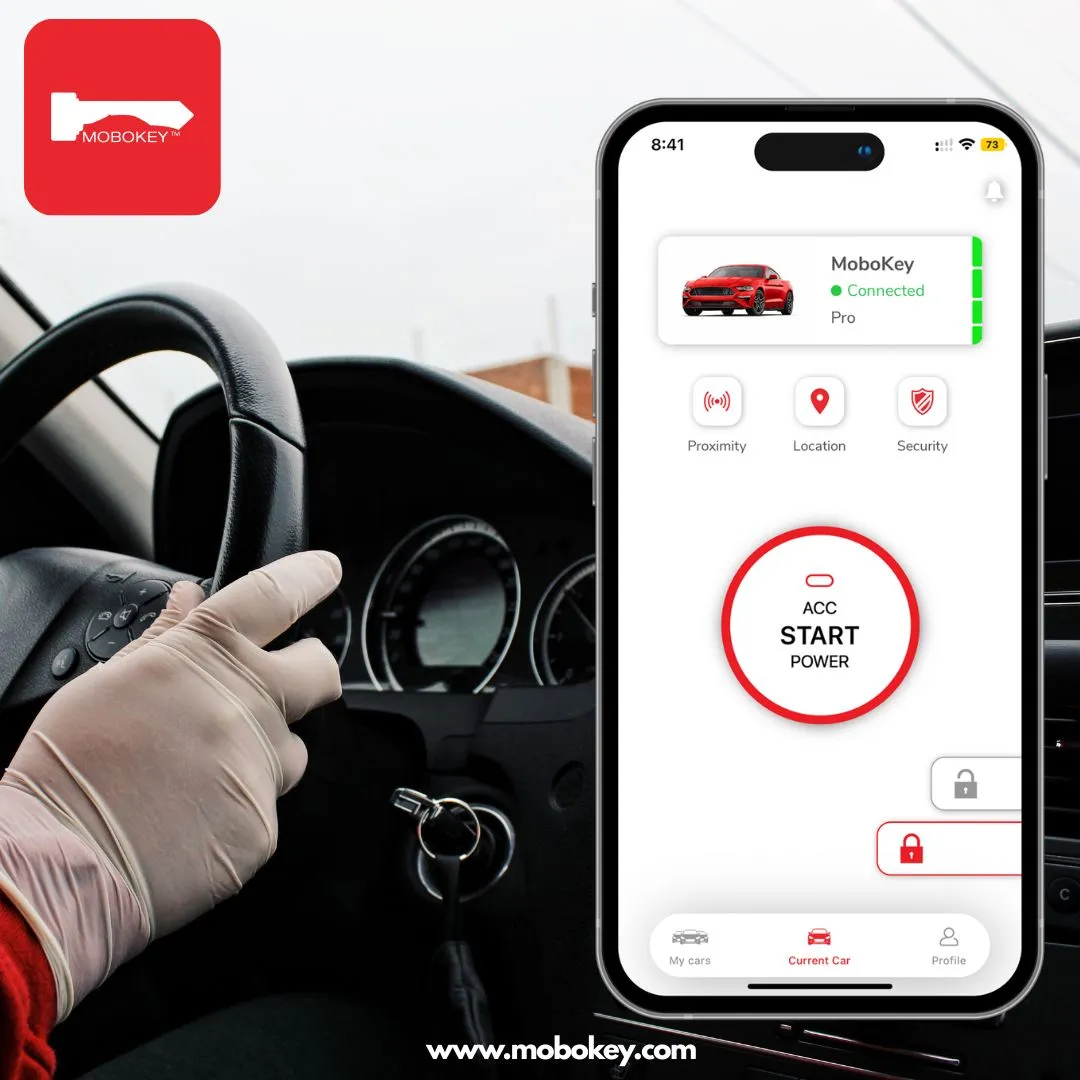
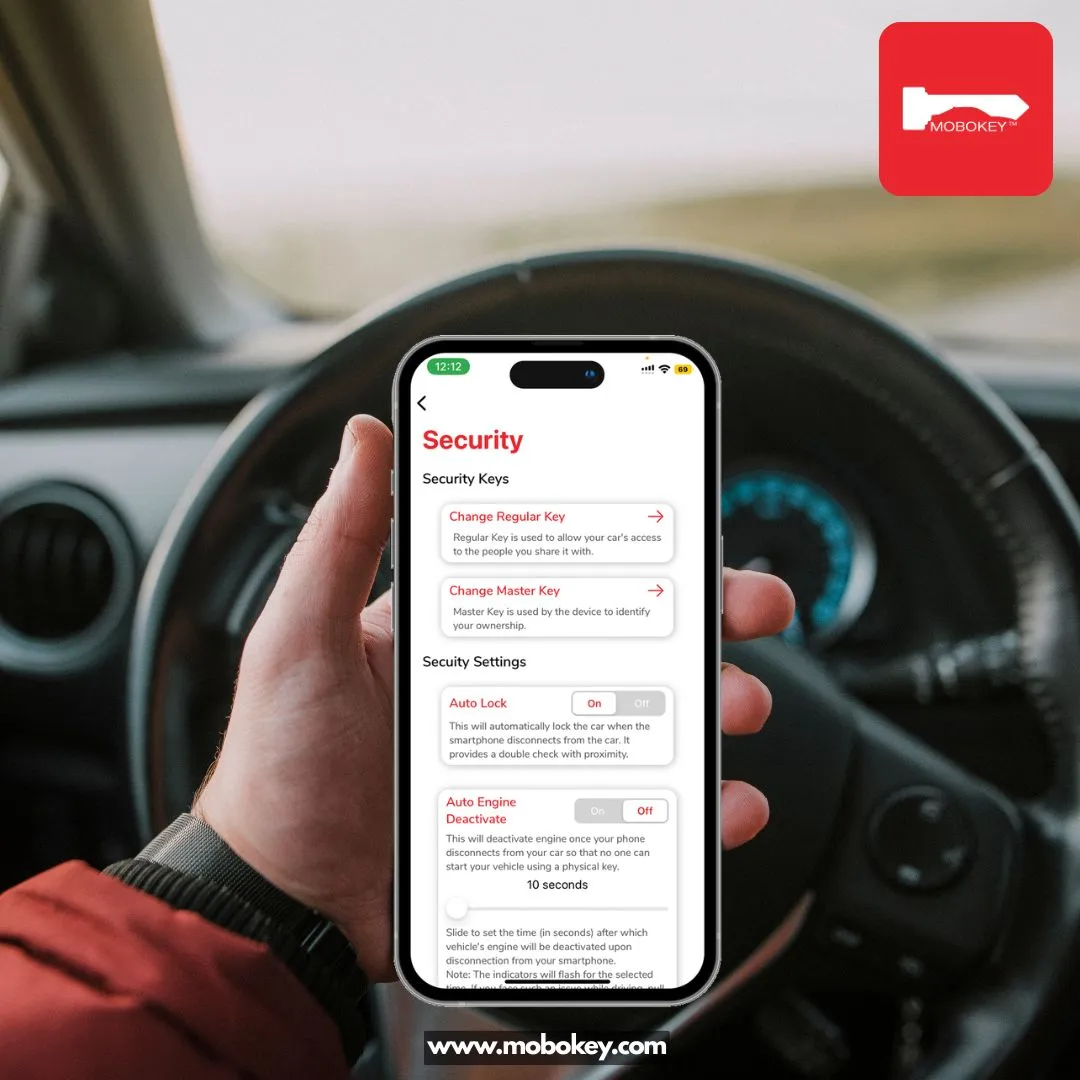
An aftermarket device like MoboKey takes a different path. It connects to your phone directly over Bluetooth, with a working range of 100 to 350 feet. The digital key exchange happens locally between phone and device. Therefore, unlocking and starting the car works with zero internet at the vehicle — the exact situation where cloud-based TCUs fail.
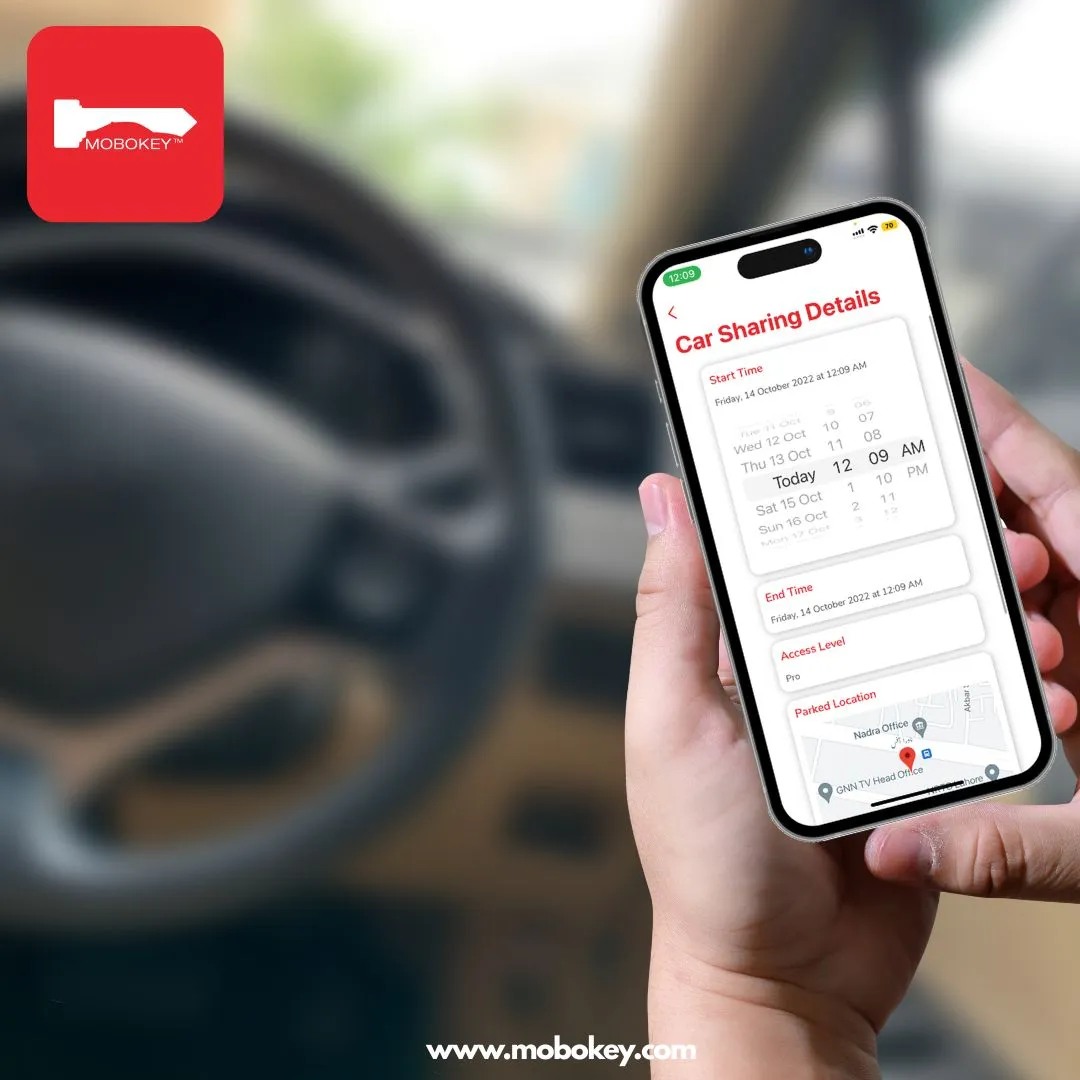
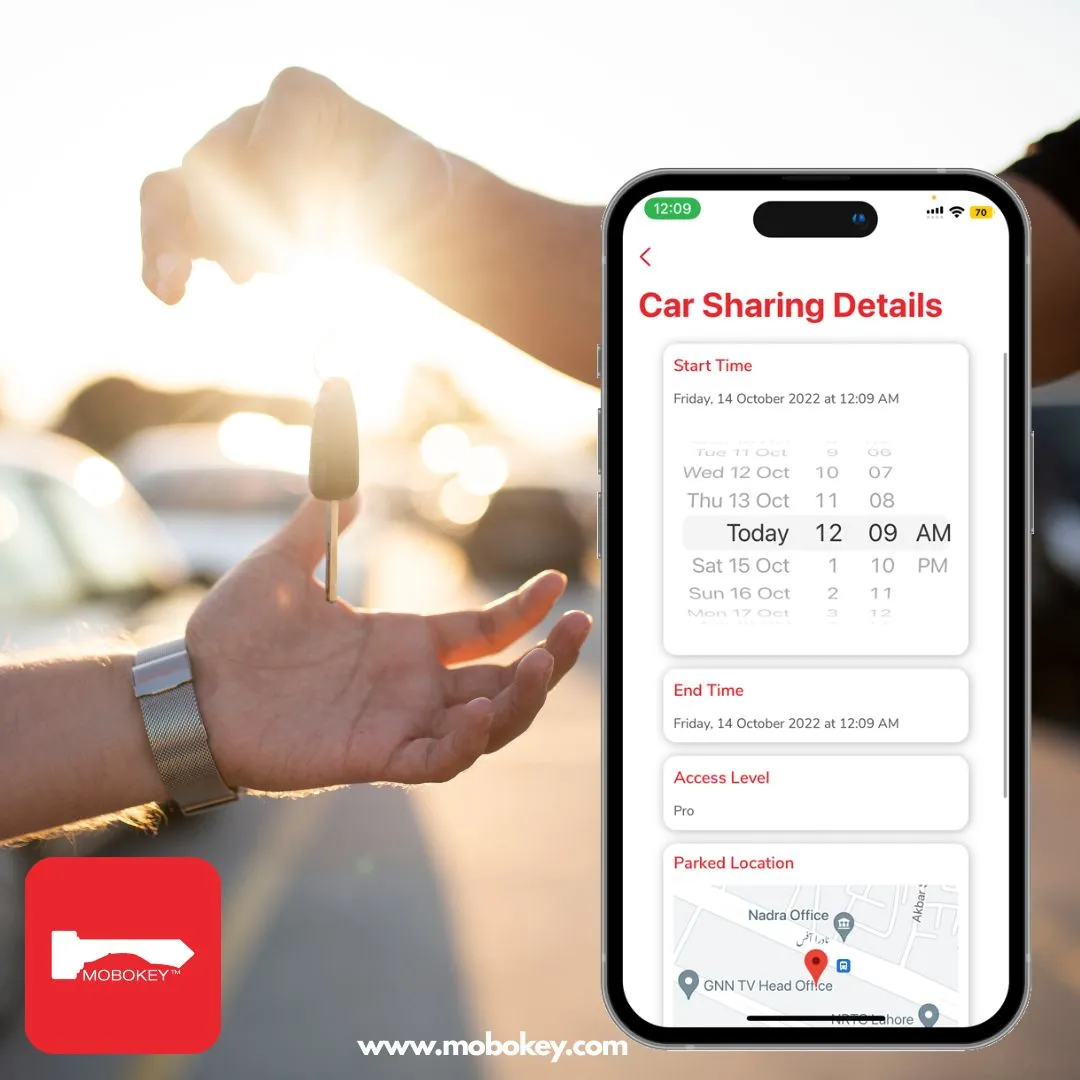
MoboKey still provides the features people want from telematics: parked location tracking, remote engine control, and access logs. Additionally, it adds time-bound digital key sharing and a remote kill switch. For fleet operators, this delivers TCU-class capability on any vehicle — including older cars that never shipped with factory telematics.
The hardware installs in over 90% of vehicles at a one-time cost with no subscription. Details are at MoboKey Shop.
Ready to go keyless? Visit mobokey.com or contact us today to get started.
Frequently asked questions: TCU in a car
TCU stands for telematics control unit. The embedded computer that connects the vehicle to the internet for tracking, diagnostics, and remote features. In transmission contexts, TCU also stands for transmission control unit, which manages automatic gear shifting. The two are unrelated components.
Most factory telematics units sit behind the dashboard or under a seat, connected to the car’s antenna and internal network. Aftermarket units install near the OBD port or within the dash wiring. The unit is deliberately hidden and requires no driver interaction.
If the telematics TCU fails, connected features stop: the companion app, remote commands, live tracking, and emergency call services. The car still drives normally, because driving systems run on separate control units. A transmission TCU failure, in contrast, causes shifting problems and usually a warning light.
A factory TCU typically reports location whenever the vehicle is on, and some report periodically while parked. What is collected and shared depends on the manufacturer’s privacy policy. Aftermarket systems vary — MoboKey records the parked location rather than streaming continuous movement data.
Yes. An aftermarket device adds connected features to almost any vehicle. MoboKey installs in over 90% of cars and provides app-based access, location tracking, remote engine control, and digital key sharing — with no factory TCU required and no subscription.
You need its capabilities, not necessarily a factory TCU. Car sharing requires remote access, tracking, and engine control per vehicle. MoboKey provides all three over Bluetooth with cloud management, which is why operators use it to run rentals on vehicles of any age.