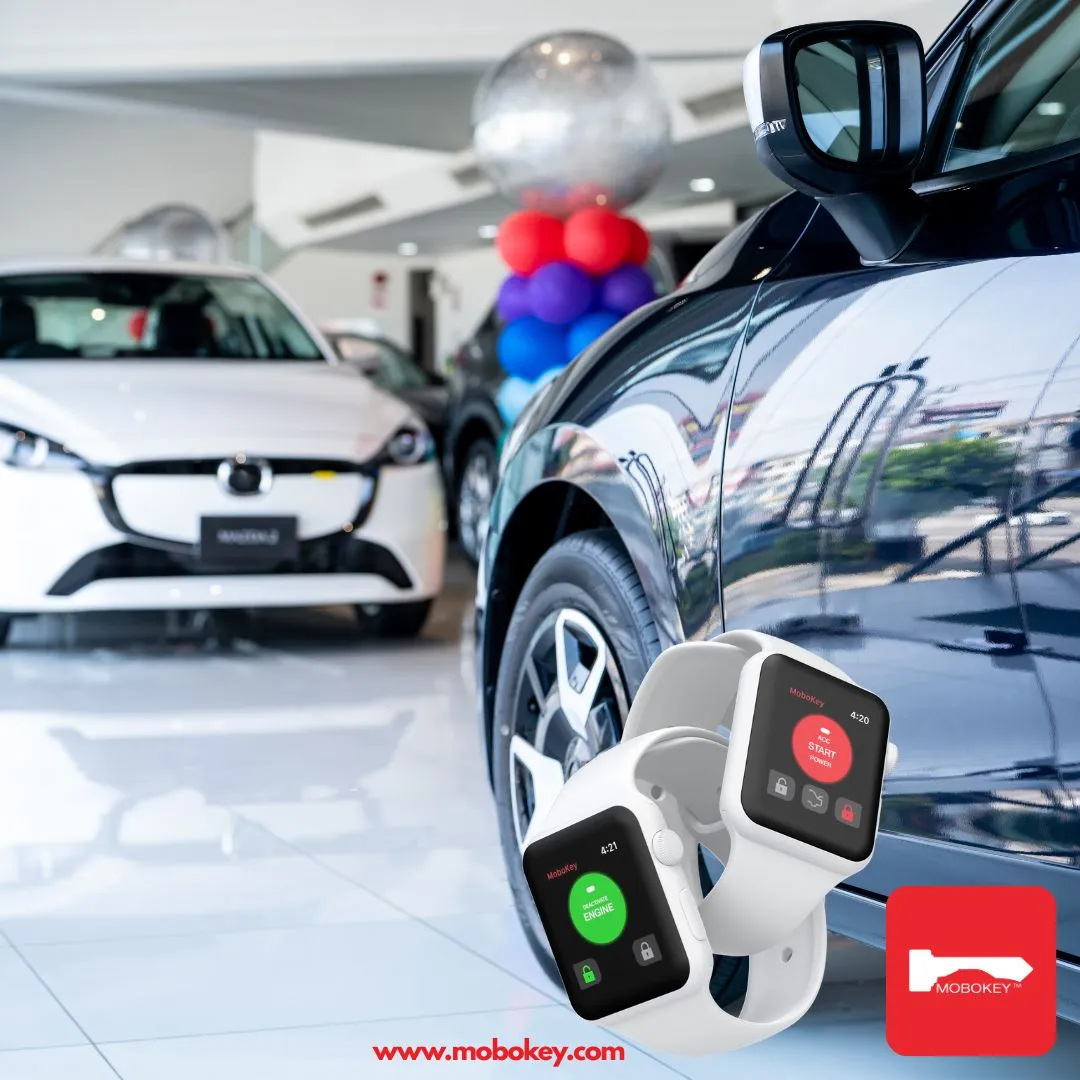
Yes, kill switches are legal in the United States and most other countries when installed on a vehicle you own. For everything beyond the law, see the complete kill switch for a car guide. A kill switch qualifies as an anti-theft device and faces no federal or state prohibition. Furthermore, many car insurance providers offer reduced premiums for vehicles with qualifying anti-theft systems, including kill switches. The only area of legal complexity involves lender-installed remote disablers on financed vehicles — a separate category with its own state-level rules that do not apply to a privately installed kill switch.
Are kill switches legal to install on a car?
Yes, kill switches are legal to install on a vehicle you own. No federal law in the United States prohibits a vehicle owner from adding an anti-theft device to their own car. In fact, regulators and insurers actively encourage owners to add security layers beyond factory-fitted equipment.
A kill switch interrupts the vehicle’s electrical circuit to prevent the engine from starting without authorization. This places it firmly in the anti-theft device category under the definitions used by most insurers and vehicle security certification bodies worldwide.
There is one important distinction to keep in mind. A personal kill switch the owner controls is legal without restriction. Lender-installed starter interrupt devices, on the other hand, operate under a separate set of rules. Several US states have proposed or enacted regulations around these commercial devices — which auto loan companies use to disable vehicles for missed payments. Those rules do not apply to a private owner adding their own anti-theft kill switch.
What do insurance companies say about kill switches?
Most major car insurance providers view kill switches positively. In fact, many offer premium discounts for vehicles that carry approved anti-theft devices.
Kill switches typically qualify for the anti-theft device discount category alongside immobilizers, steering wheel locks, and vehicle alarms. The exact discount level varies by insurer and state. However, most providers require professional installation for the device to qualify. An installation receipt from a certified technician provides the evidence your insurer may request.
Furthermore, some insurers distinguish between passive devices — those that activate automatically — and active ones that the driver engages each time. A remote kill switch sits in the active category. Some providers apply a higher discount to passive systems, so it is worth asking your insurer directly which category earns the larger reduction.
The Insurance Information Institute notes that anti-theft devices rank among the most widely available car insurance discounts and can produce meaningful savings on comprehensive coverage for qualifying vehicles.
Are there any restrictions on kill switch use?
For private vehicle owners installing a kill switch for anti-theft protection, there are no restrictions. The device protects your own property and does not affect other road users.
For fleet operators and car sharing businesses, a few practical points are worth checking before installation.
First, review your commercial insurance policy. Some commercial policies list which aftermarket modifications require prior notification. Adding a kill switch rarely affects coverage, but informing your insurer keeps the policy accurate.
Second, if the vehicle is on a finance agreement, review the finance contract. Some lenders include modification clauses. A kill switch is a minor, reversible addition in most cases, but confirming in writing protects you.
Third, for operators in multiple countries, check local regulations in each jurisdiction. Kill switches for anti-theft use are legal across the US, Canada, the UK, Australia, and most of Europe. However, a small number of jurisdictions may apply requirements to commercial vehicle modifications specifically.
Does MoboKey qualify as a legal anti-theft device?
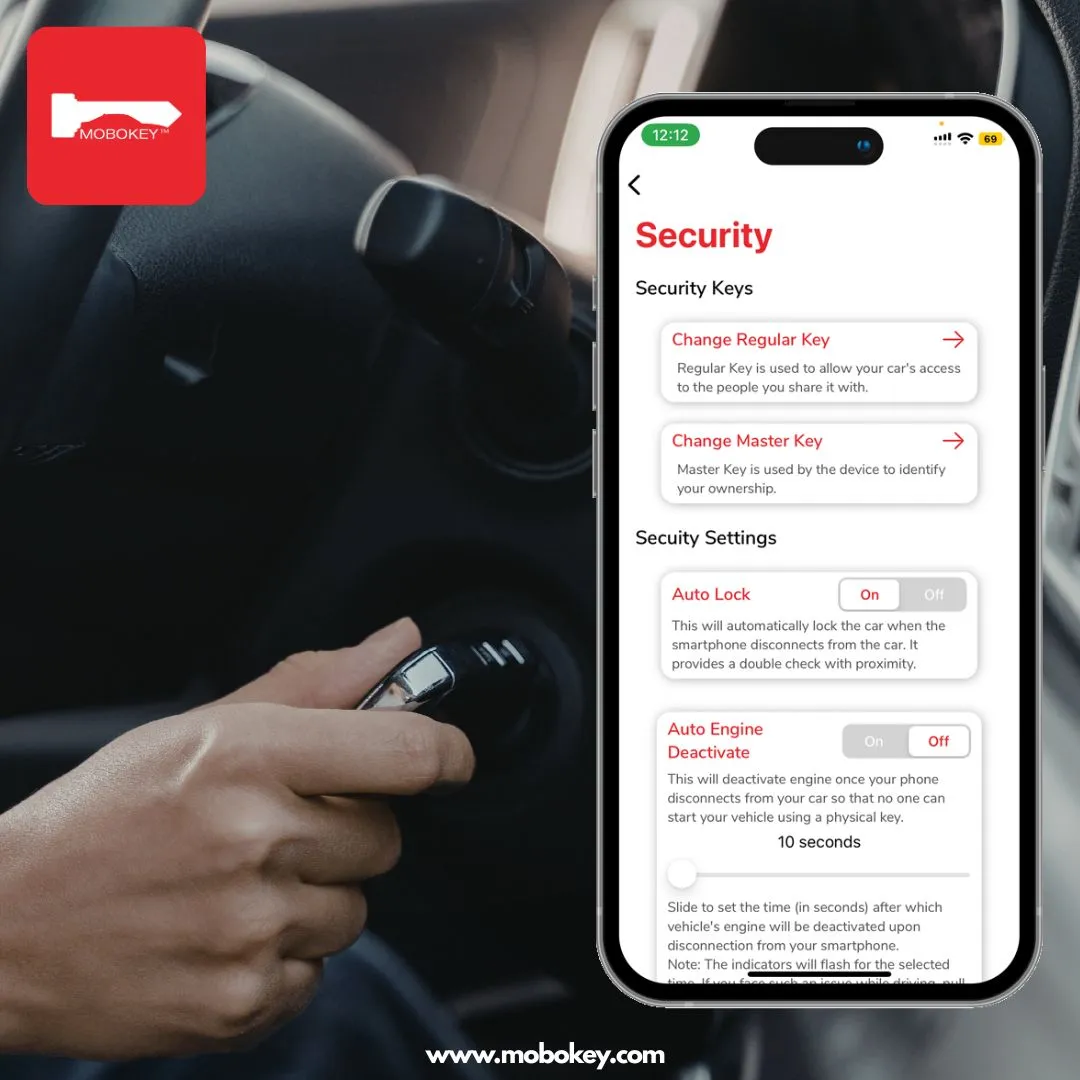
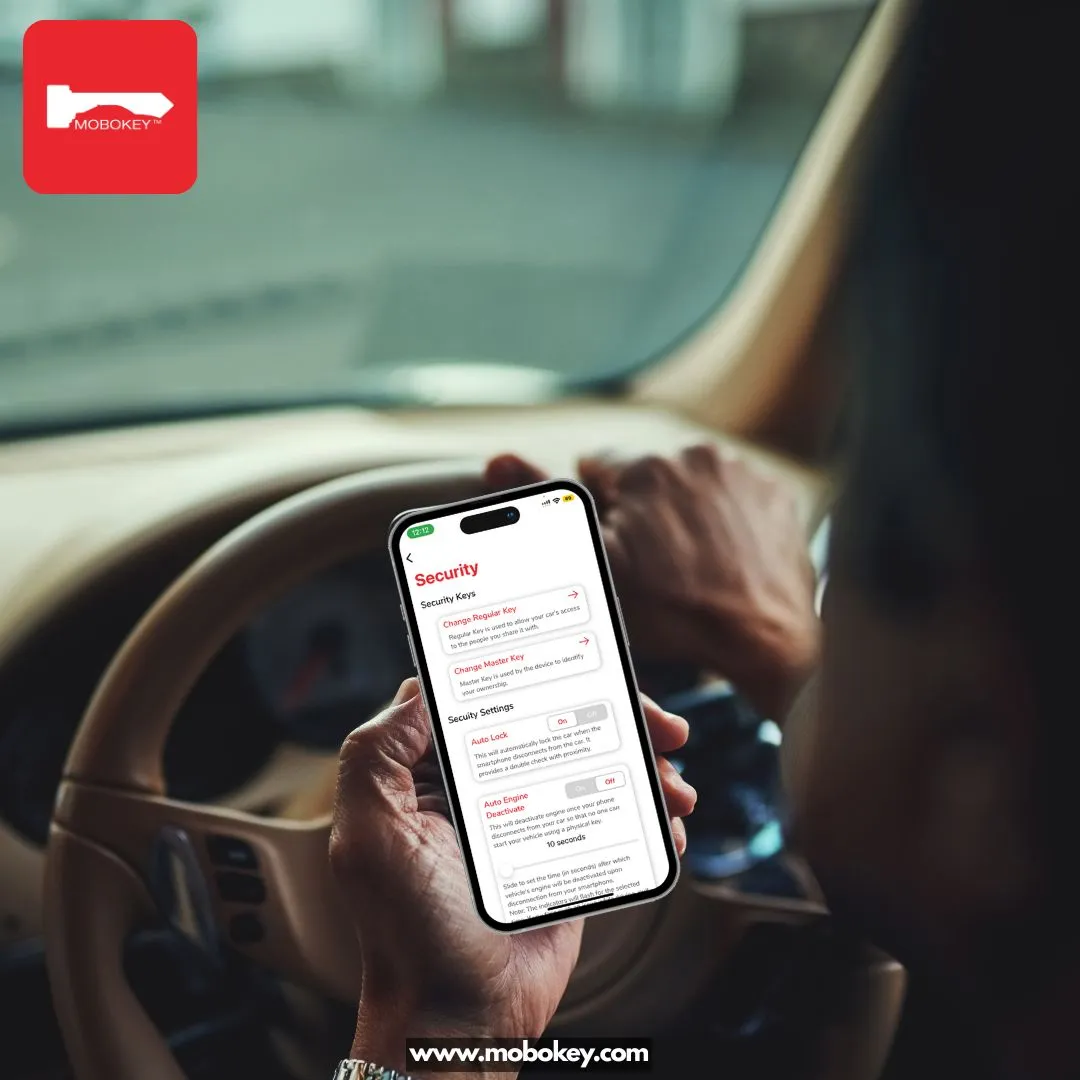
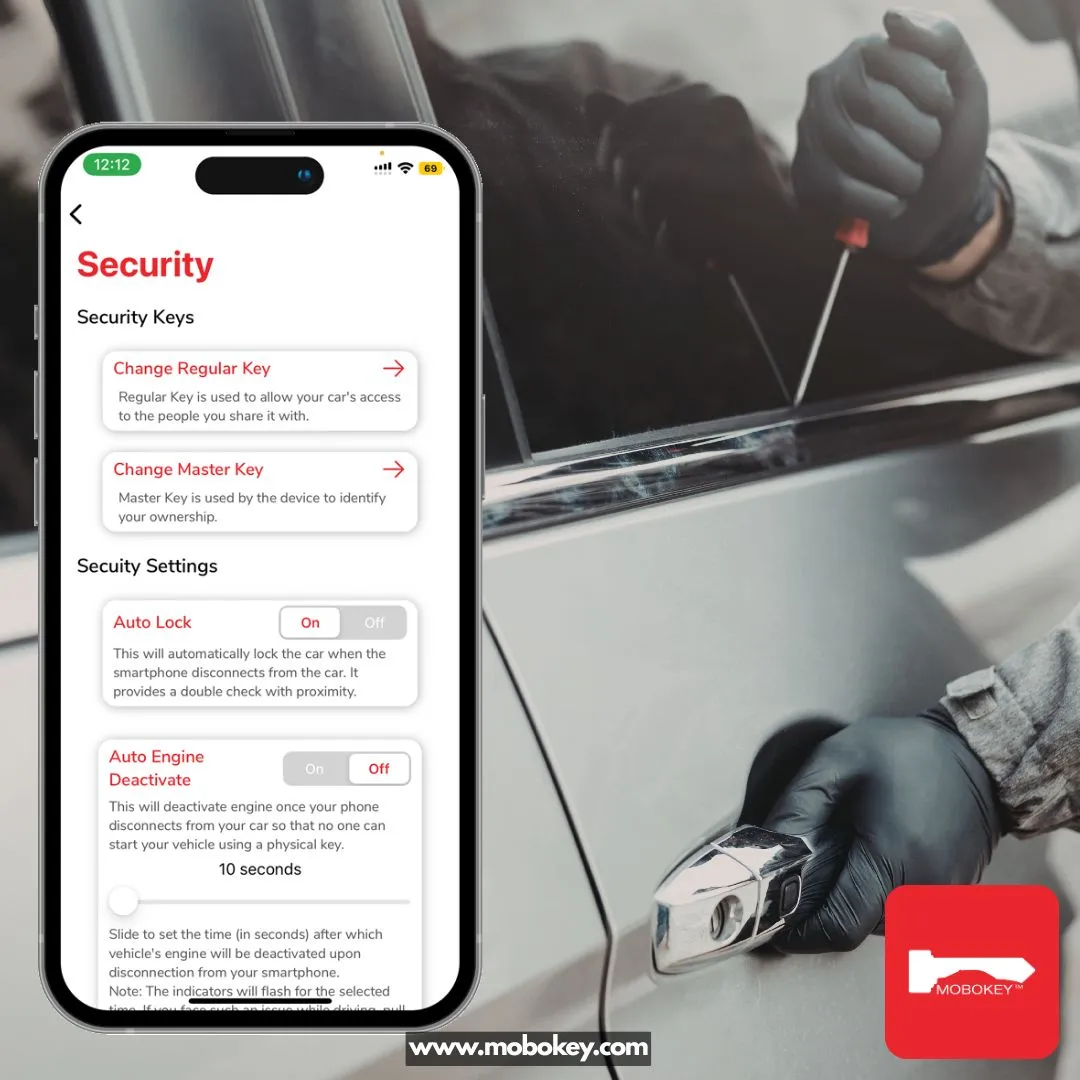
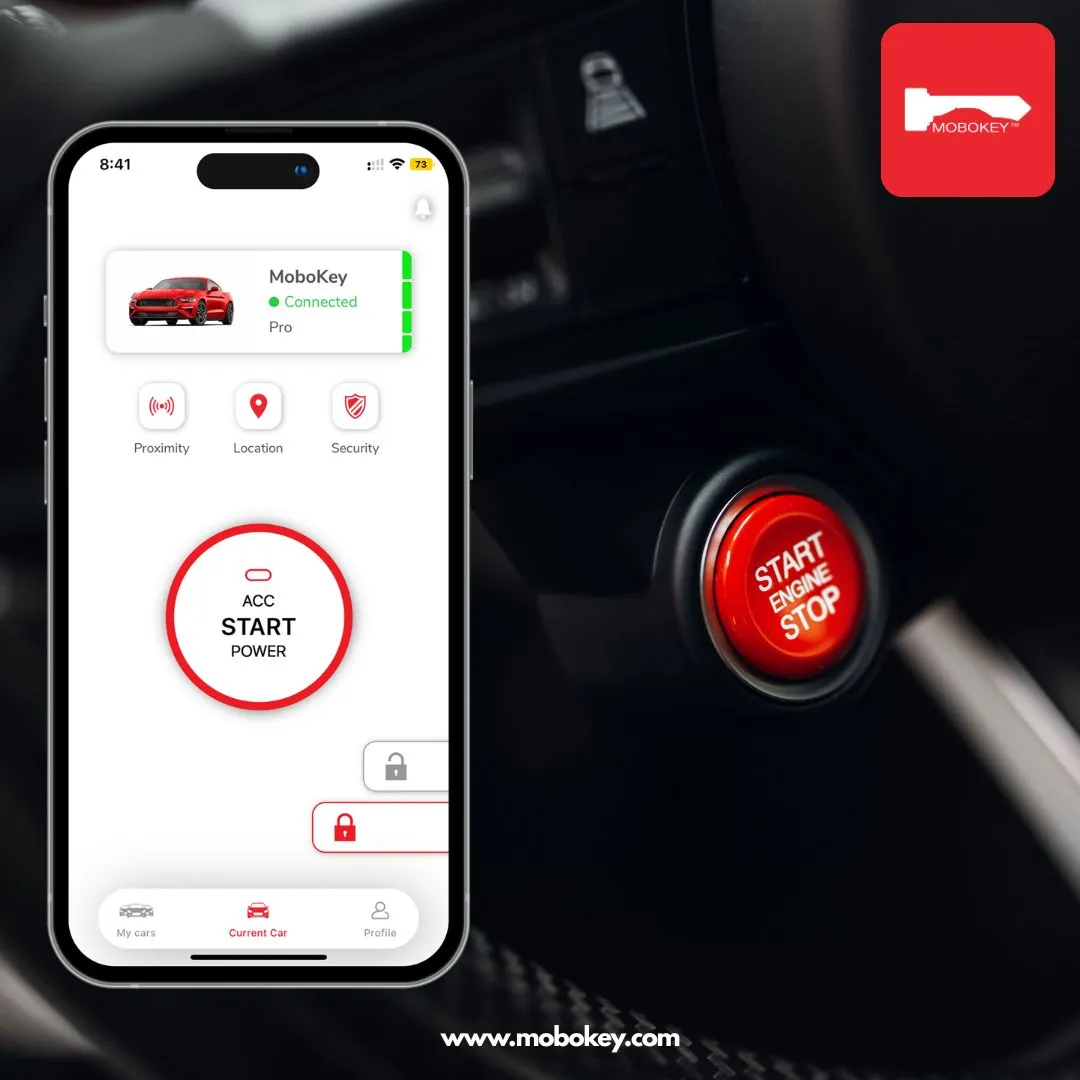
Yes. MoboKey is an aftermarket remote kill switch and digital key system that a vehicle owner or authorized operator installs on their own vehicle. It meets the standard definition of an anti-theft device used by most insurers and vehicle security certification bodies.
MoboKey also goes beyond a standard kill switch. In addition to remote engine kill, it provides digital key sharing, hands-free auto unlock, time-bound access control, instant key revocation, and parked location tracking. Each of these features reduces the vehicle’s risk profile from an insurer’s perspective.
When you notify your insurer of a MoboKey installation, ask specifically about the anti-theft device discount. Bring the installation receipt and a brief summary of the device’s features. This gives the insurer what they need to apply the appropriate reduction to your policy.
MoboKey carries a one-time hardware cost with no annual fees and no monthly subscription. For hardware details and compatible vehicles, visit MoboKey Shop. For full information on features and pricing, visit mobokey.com.
Ready to go keyless? Visit mobokey.com or contact us today to get started.
Frequently asked questions: are kill switches legal?
Yes. No US state prohibits a vehicle owner from installing a kill switch as an anti-theft device. State-level regulations on remote vehicle disabling apply specifically to lender-installed commercial systems, not to privately installed anti-theft kill switches.
Many insurers offer discounts for vehicles with qualifying anti-theft devices, and kill switches typically qualify. The exact reduction depends on your insurer, your state, and whether a certified technician completed the installation. Contact your insurer directly to confirm the applicable discount and required documentation.
No. A remote kill switch like MoboKey is an anti-theft device the vehicle owner installs and controls. A lender’s starter interrupt device is a system the finance company installs to disable the vehicle if loan payments stop. These are distinct products with entirely different legal frameworks.
Under the Magnuson-Moss Warranty Act in the United States, a manufacturer cannot void your warranty simply because you added an aftermarket device, unless that device caused the specific fault you are claiming. For certainty, check your warranty terms or contact the manufacturer directly before installation.
You do not need to inform them to keep your policy valid. However, you should inform them to claim any applicable anti-theft discount. Proactively disclosing the device also keeps your policy accurate, which protects your claim if the vehicle is ever stolen.
Yes. Fleet operators and car sharing businesses can legally install MoboKey on vehicles they own. Commercial operators should review their insurance policy and any applicable local regulations before installation, but no law prohibits a vehicle owner from adding remote engine control technology to their own fleet.