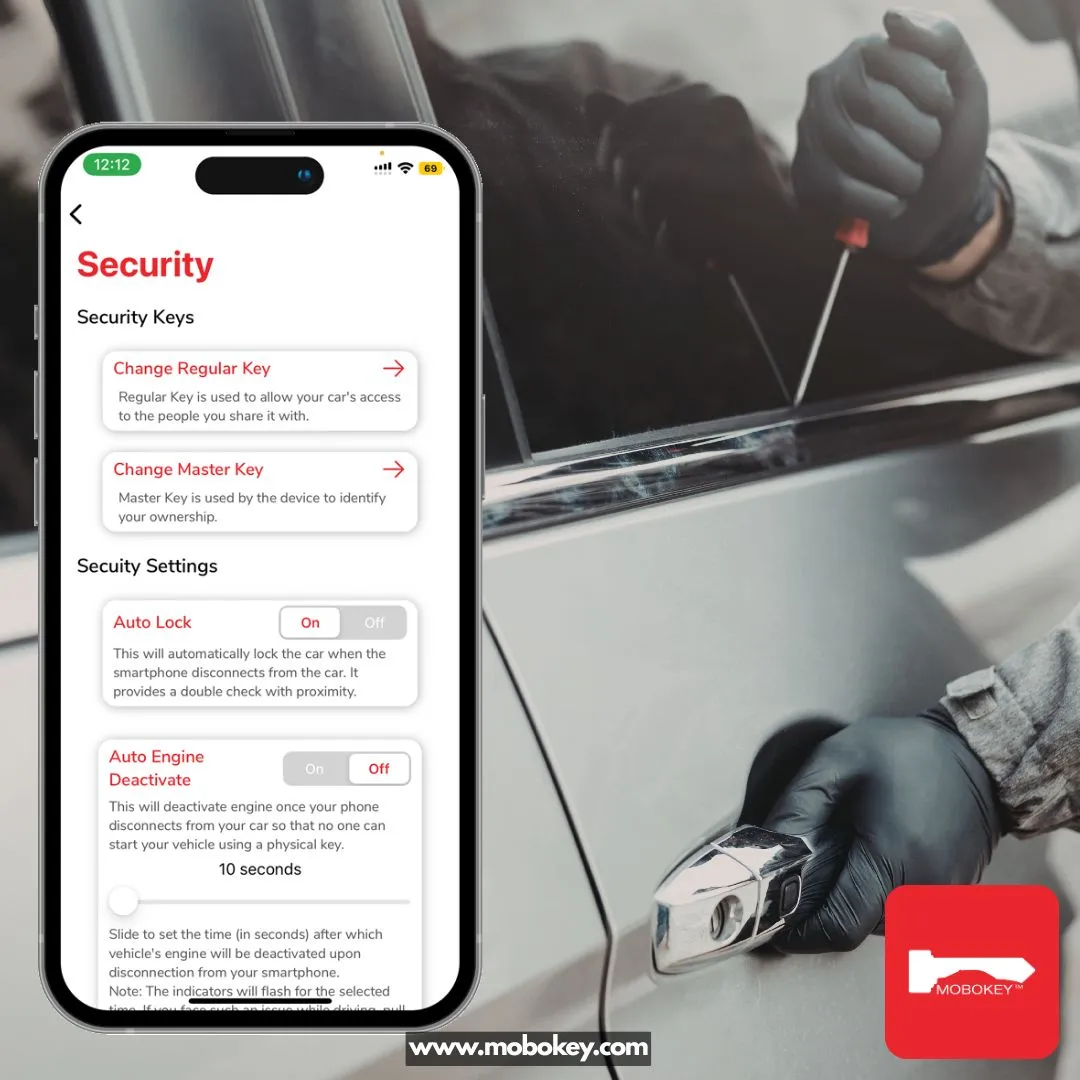
The best anti-theft devices for cars in 2026 are those that physically prevent the vehicle from moving: a remote kill switch, an engine immobilizer, and a steering wheel lock. Alarms and GPS trackers help, but they deter or recover rather than prevent. For most drivers, the strongest setup combines a factory immobilizer with a hidden or remote kill switch for a car, plus a visible deterrent like a steering lock. This layered approach defeats both traditional theft and modern relay attacks.
Car theft did not disappear with modern security, it adapted. Relay attacks, key cloning, and OBD port hacks now defeat many factory systems. Therefore, choosing the best anti-theft devices for cars means knowing what each device actually stops. This guide ranks the eight main options by real-world effectiveness.
What are the best anti-theft devices for cars in 2026?
Here are the eight main anti-theft devices, ranked by how directly they prevent theft.
How do the best anti-theft devices for cars compare?
| Device | Prevents theft? | Stops relay attacks? | Ongoing cost | Best use |
|---|---|---|---|---|
| Remote kill switch (MoboKey) | Yes — engine control | Yes | None | Daily drivers, fleets, rentals |
| Engine immobilizer | Yes — passive | No | None | Baseline on modern cars |
| Hidden manual kill switch | Yes | Yes | None | Budget protection |
| Steering wheel lock | Deters only | N/A | None | Visible deterrent layer |
| Faraday pouch | Blocks one attack type | Yes | None | Keyless-entry cars |
| GPS tracker | No — recovery only | No | $10–$40/month | Post-theft recovery |
| Car alarm | Deters only | No | None | Noise deterrent |
| Wheel clamp | Yes — physical | N/A | None | Storage and long stays |
The pattern is clear. Devices that interrupt the engine prevent theft. Devices that make noise or report location only respond to it. Consequently, your first dollar should go toward engine-level protection.
Which anti-theft devices actually stop thieves?
Think of car security in three layers: prevention, deterrence, and recovery.
Prevention devices stop the car from moving. A kill switch and an immobilizer both do this. According to the FBI’s crime statistics, a vehicle is stolen in the United States roughly every 32 seconds — and the vast majority are crimes of opportunity. A car that will not start ends the opportunity on the spot.
Deterrence devices make your car look harder than the next one. A steering lock and an alarm belong here. They work against amateurs, but not against professionals with tools and a plan.
Recovery devices help after the theft. A GPS tracker leads police to the vehicle. This matters for expensive cars and fleets, but it does nothing in the moment that counts.
Modern thieves mostly bypass factory systems with relay attacks — capturing your key fob signal and replaying it to the car. However, a relay attack cannot defeat a kill switch. The circuit stays broken no matter what signal the car receives. This is why a kill switch plus an immobilizer covers both the old attack paths and the new ones.
How do you choose the right anti-theft device for your car?
Match the device to your situation, then layer.
For a modern daily driver, your immobilizer is already working. Add a remote kill switch to close the relay attack gap, and keep the key fob in a Faraday pouch overnight.
For an older car without an immobilizer, a kill switch is your primary protection, not a supplement. A hidden manual switch works, but a remote version adds control from anywhere.
For high-theft areas, add a visible steering lock on top. Thieves scanning a street pick the car with no visible resistance.
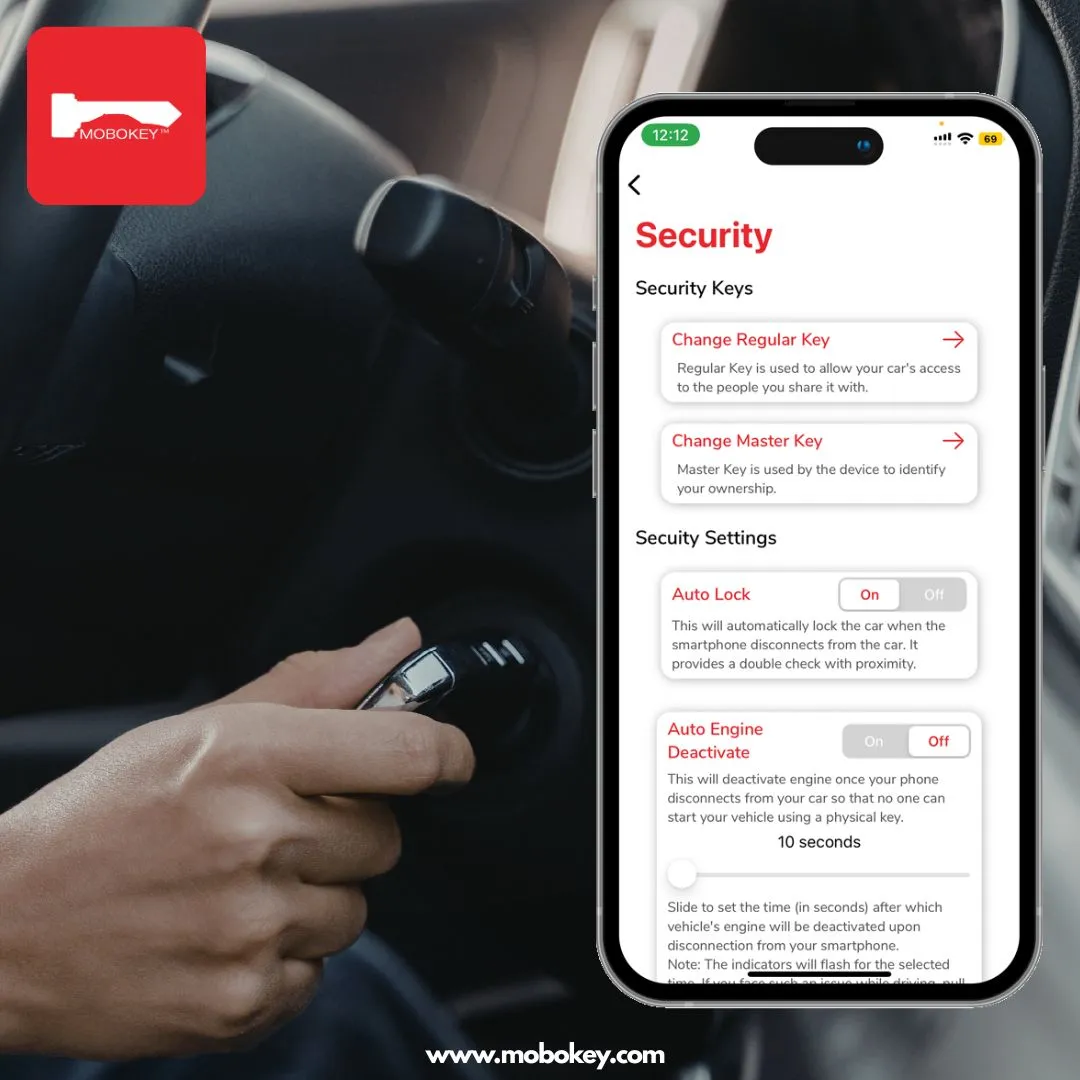
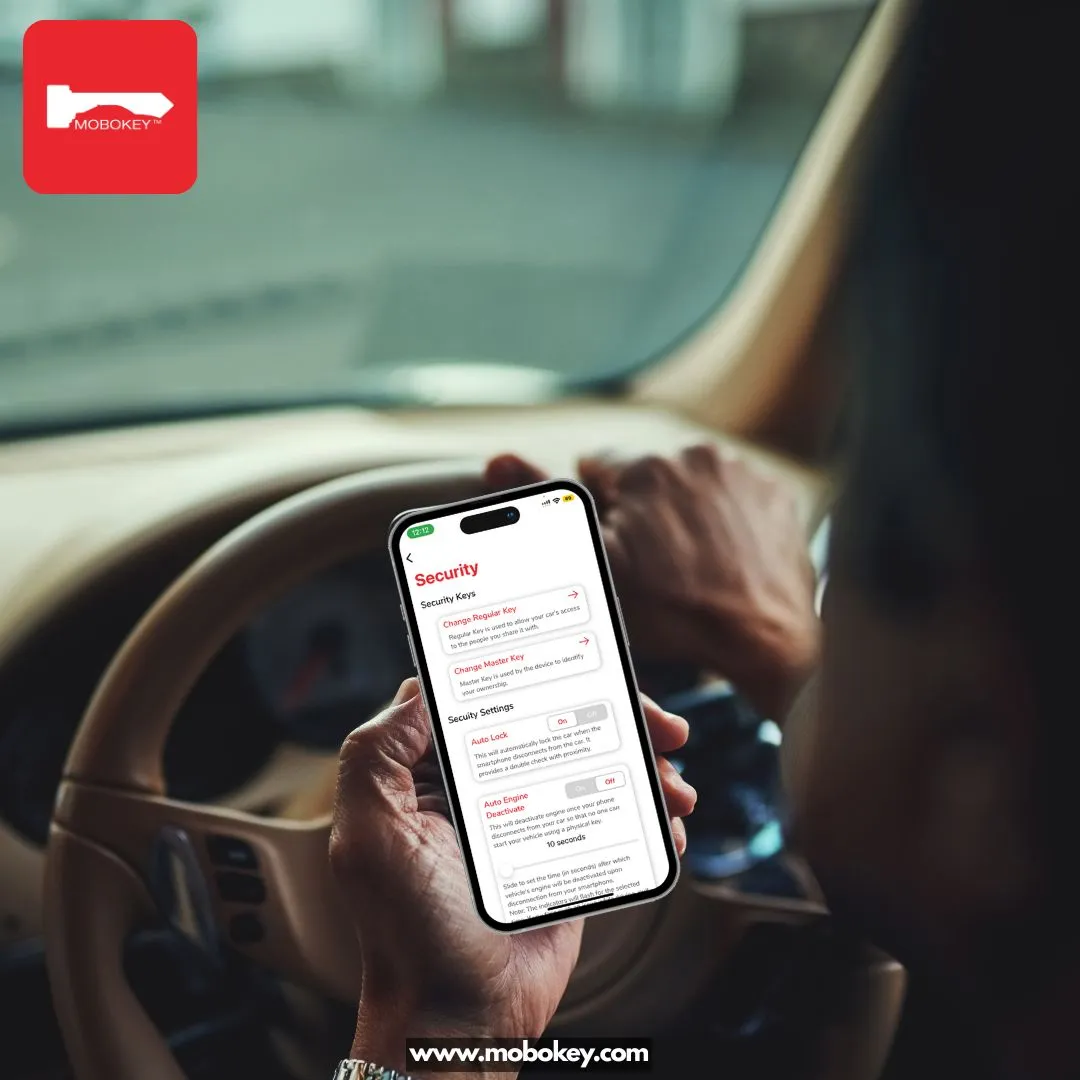
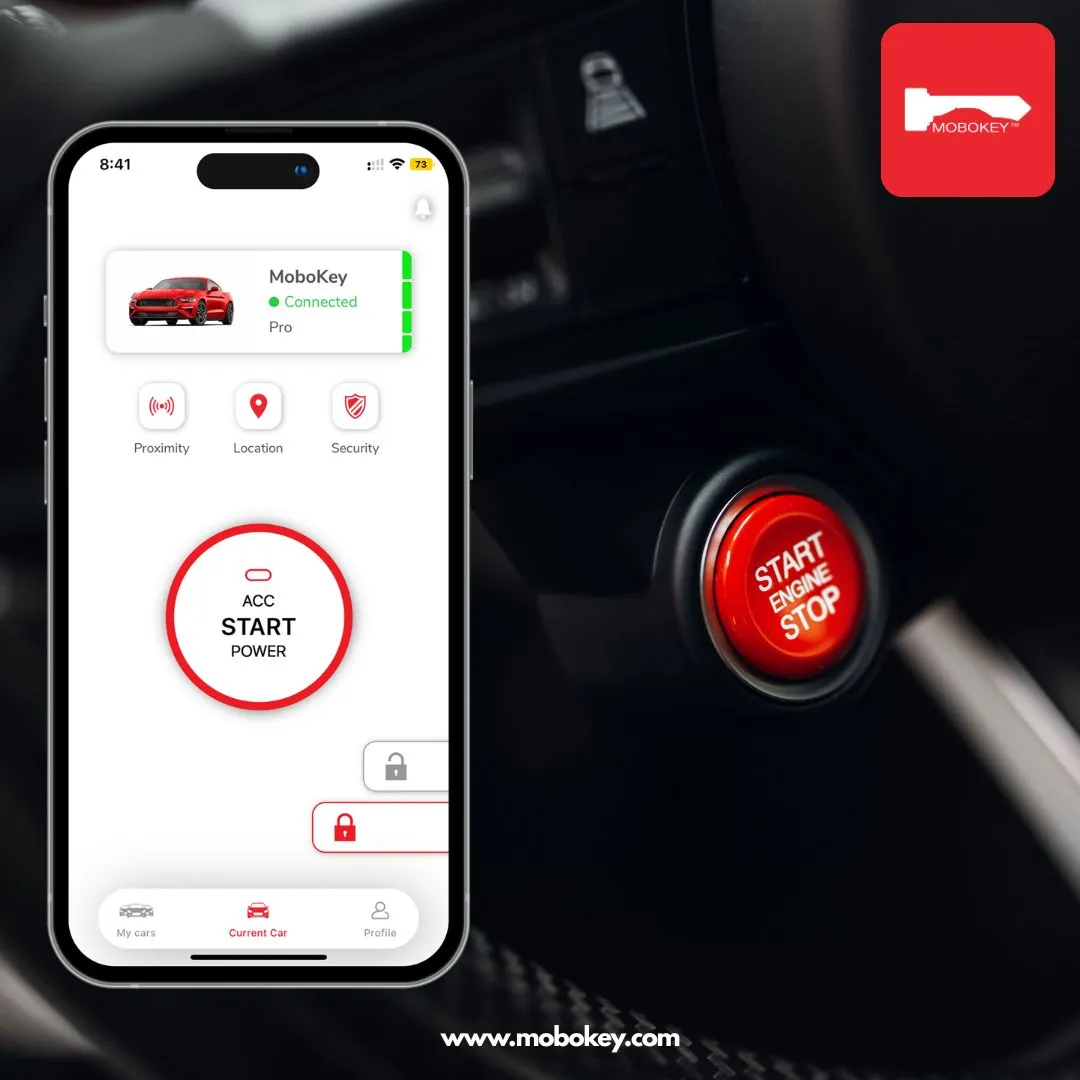
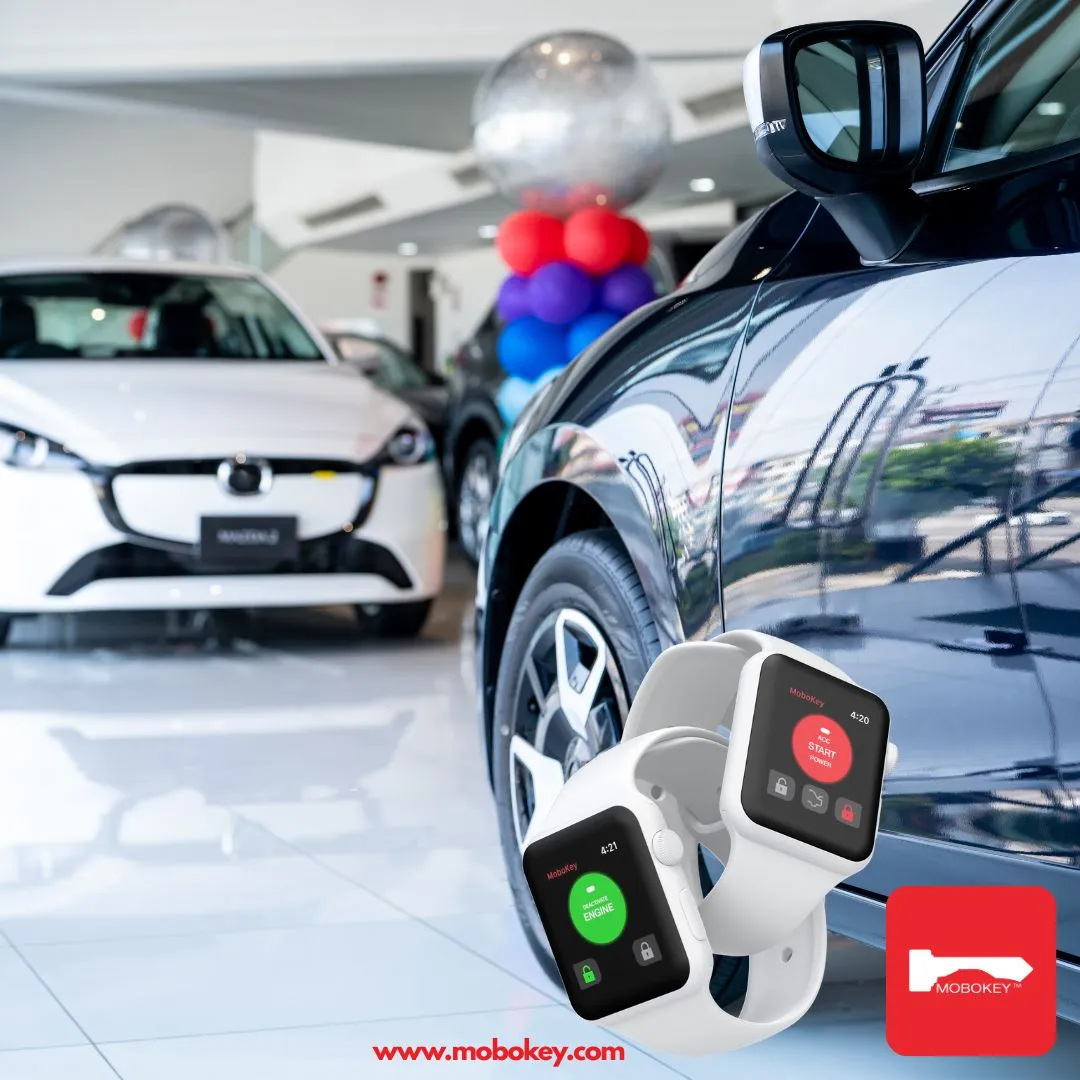
For fleets, rentals, and car sharing, engine control is non-negotiable. MoboKey combines a remote kill switch with digital key access, parked location tracking, and instant key revocation — one device covering prevention, access, and recovery, with no monthly subscription. Hardware details are at MoboKey Shop.
Ready to go keyless and protect your vehicle? Visit mobokey.com or contact us today to get started.
Frequently asked questions: best anti-theft devices for cars
What is the most effective anti-theft device for a car?
A kill switch is the most effective single device because it prevents the engine from running at all. Paired with a factory immobilizer, it covers both traditional theft and modern relay attacks. A remote kill switch like MoboKey adds smartphone control on top of that protection.
Do steering wheel locks actually work?
Yes, as a deterrent. A steering lock makes your car visibly harder to steal, which pushes opportunists toward easier targets. However, determined thieves can cut through one in minutes. Use it as a visible layer over engine-level protection, not as your only defense.
Are GPS trackers worth it for car theft?
For recovery, yes. A GPS tracker significantly improves the odds of getting a stolen vehicle back. For prevention, no — it does nothing to stop the theft itself. Fleet operators benefit most, especially when tracking is combined with remote engine control.
What stops relay attacks on keyless cars?
Two things work reliably: a Faraday pouch for the key fob, which blocks the signal at the source, and a kill switch, which keeps the engine disabled regardless of what signal the car receives. Using both closes the relay attack path completely.
How much should I spend on car anti-theft devices?
A strong layered setup costs less than most people expect. A Faraday pouch runs under $20, a steering lock under $80, and a hidden kill switch under $200 installed. A remote kill switch like MoboKey is a one-time hardware cost with no monthly fees — usually far less than one year of a GPS tracker subscription plus an insurance deductible.
Do anti-theft devices lower insurance premiums?
Often, yes. Many insurers offer discounts for vehicles with qualifying anti-theft devices, especially professionally installed engine-disabling systems. Contact your insurer with your installation receipt and ask specifically about the anti-theft device discount.