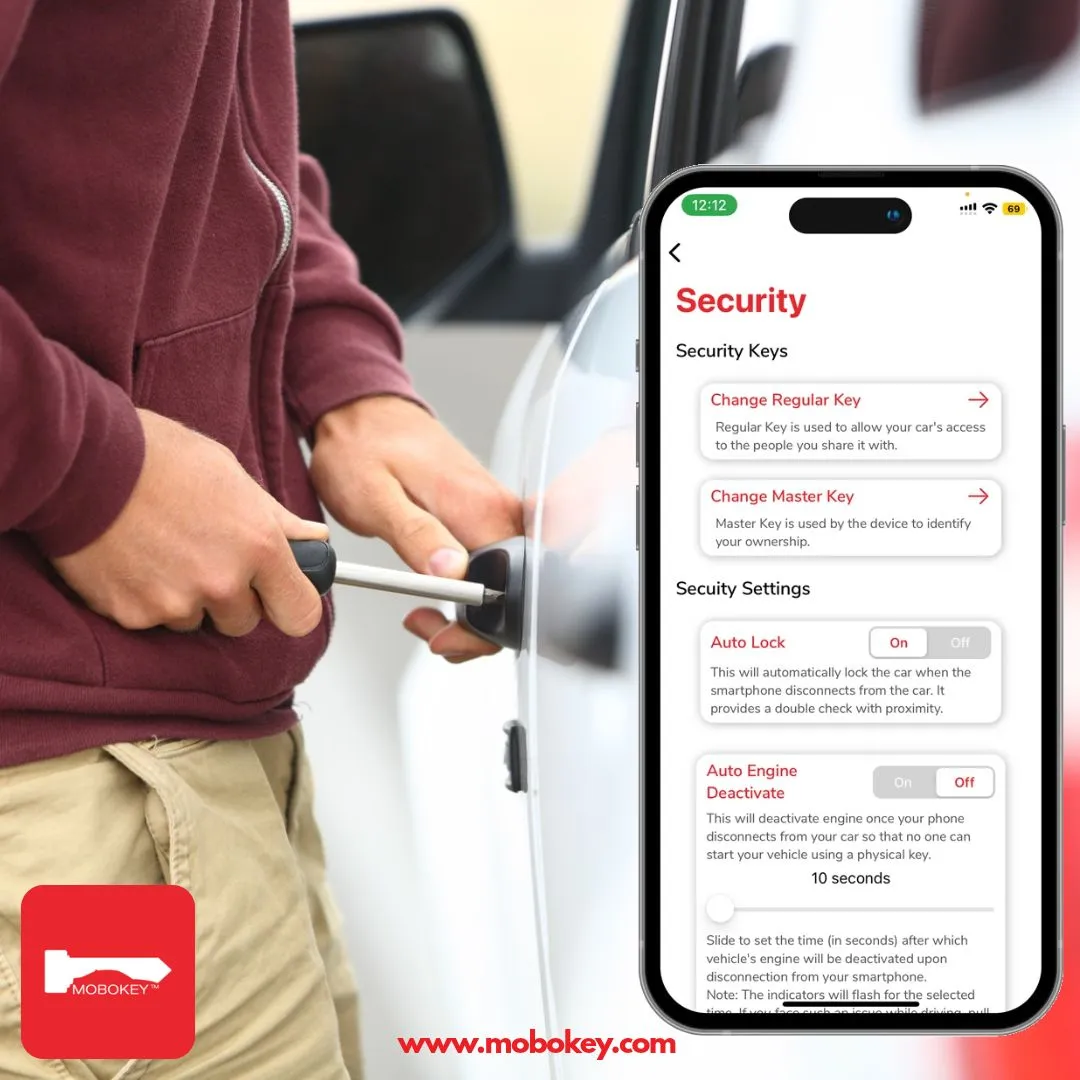
Yes, anti-theft devices earn car insurance discounts — typically 5% to 25% off the comprehensive portion of your premium, which is the part that covers theft. The fine print matters: the discount applies to comprehensive coverage only, not your whole bill, and insurers reward device categories differently. Passive devices that arm themselves — immobilizers, automatic kill switches — sit in the top tier. Manual gadgets earn less, and some earn nothing. Here is what qualifies, what you will actually save, and exactly how to ask.
Do Anti-Theft Devices Really Lower Car Insurance?
Yes, through the comprehensive line of your policy. Theft claims fall under comprehensive coverage, so a car that is harder to steal costs the insurer less — and most pass part of that back as a discount. The Insurance Information Institute lists anti-theft discounts among the standard premium reducers, alongside bundling and safe-driver programs.
Additionally, several states — New York and Massachusetts among them — require insurers to offer anti-theft discounts, sometimes on published schedules by device category. Elsewhere it varies by company, which is why the same device can earn 20% with one insurer and a shrug from another. Always ask yours directly.
Which Devices Qualify for a Discount?
Insurers group devices into recognizable categories:
| Device category | Typical treatment | Passive or manual? |
|---|---|---|
| Factory or aftermarket alarm | Small discount | Passive |
| Immobilizer / engine cut-off | Top tier — largest discounts | Passive versions earn most |
| Kill switch (hidden or smart) | Top tier when professionally installed | Depends on type |
| Recovery/tracking system | Strong discounts with some insurers | Passive |
| Steering wheel lock | Often none — deterrent, not disabler | Manual |
| VIN etching | Small discount in some states | One-time |
The pattern is clear: devices that stop the theft outrank devices that discourage it. Our anti-theft device rankings sort them by effectiveness — and the insurance tiers track that same order.
Why Do Passive Devices Earn More?
Because they cannot be forgotten. A passive device arms itself every time you leave the car, so the insurer knows the protection is actually active — not sitting unused like a steering lock in the trunk. Manual devices depend on the owner’s habits, and insurers price for the lazy day.
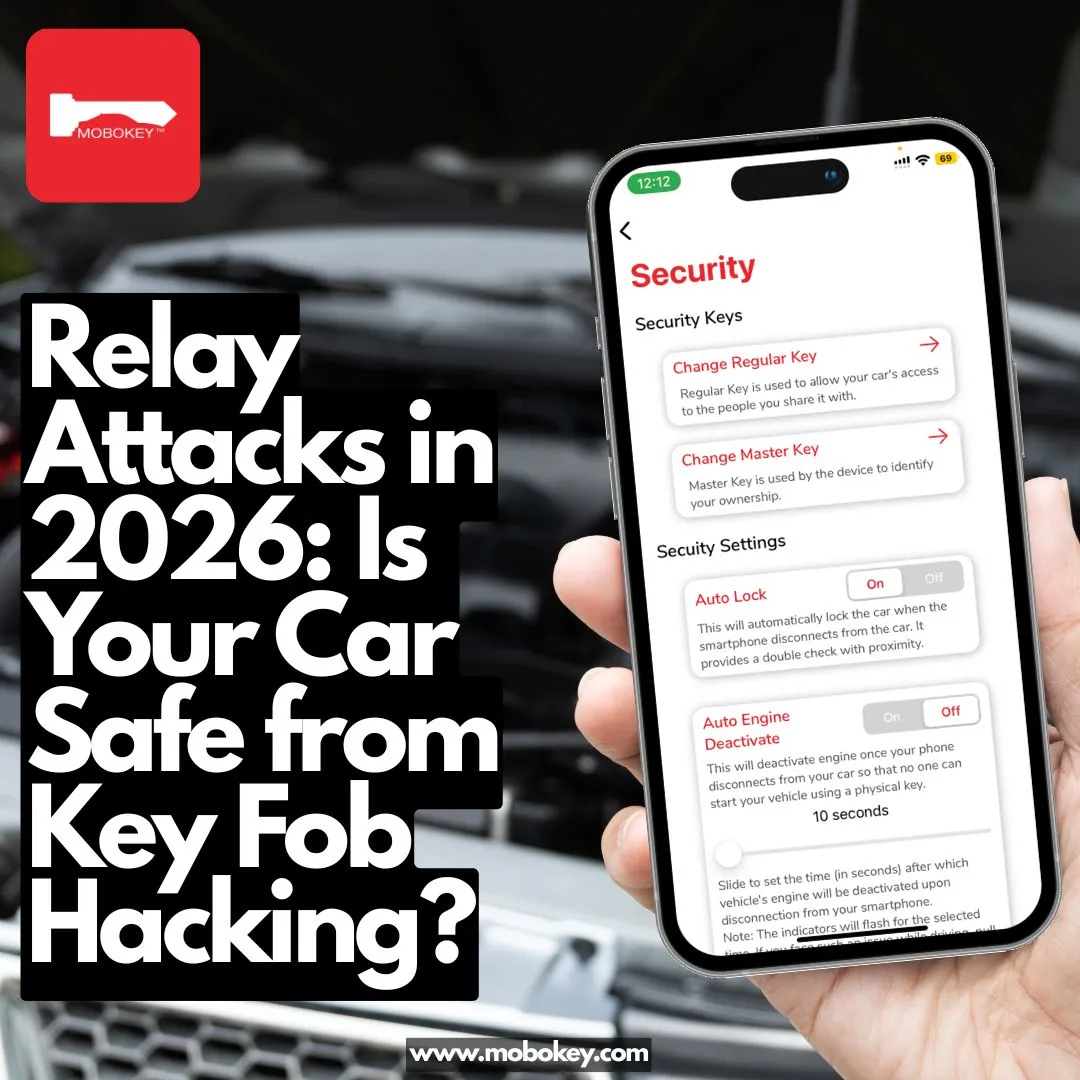
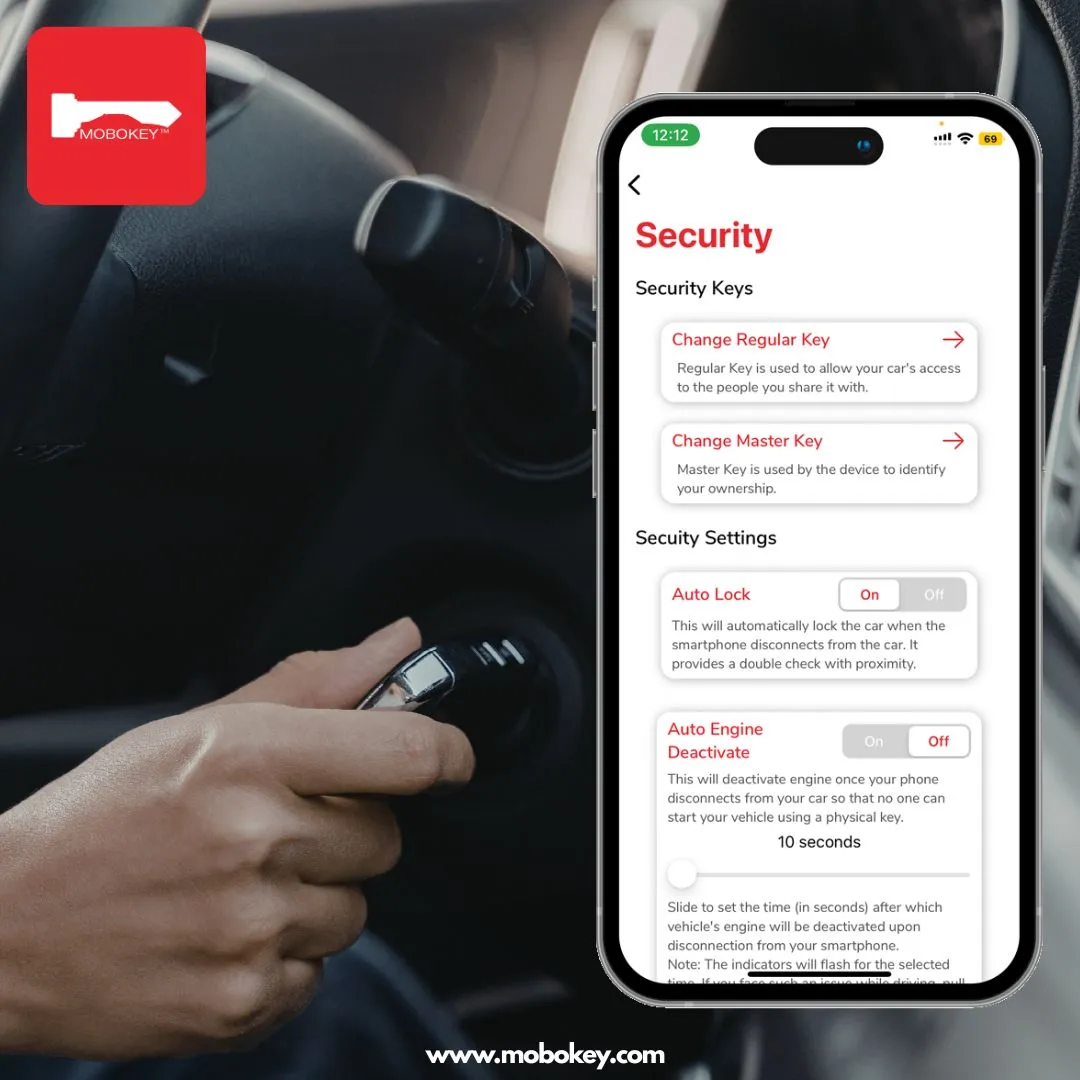
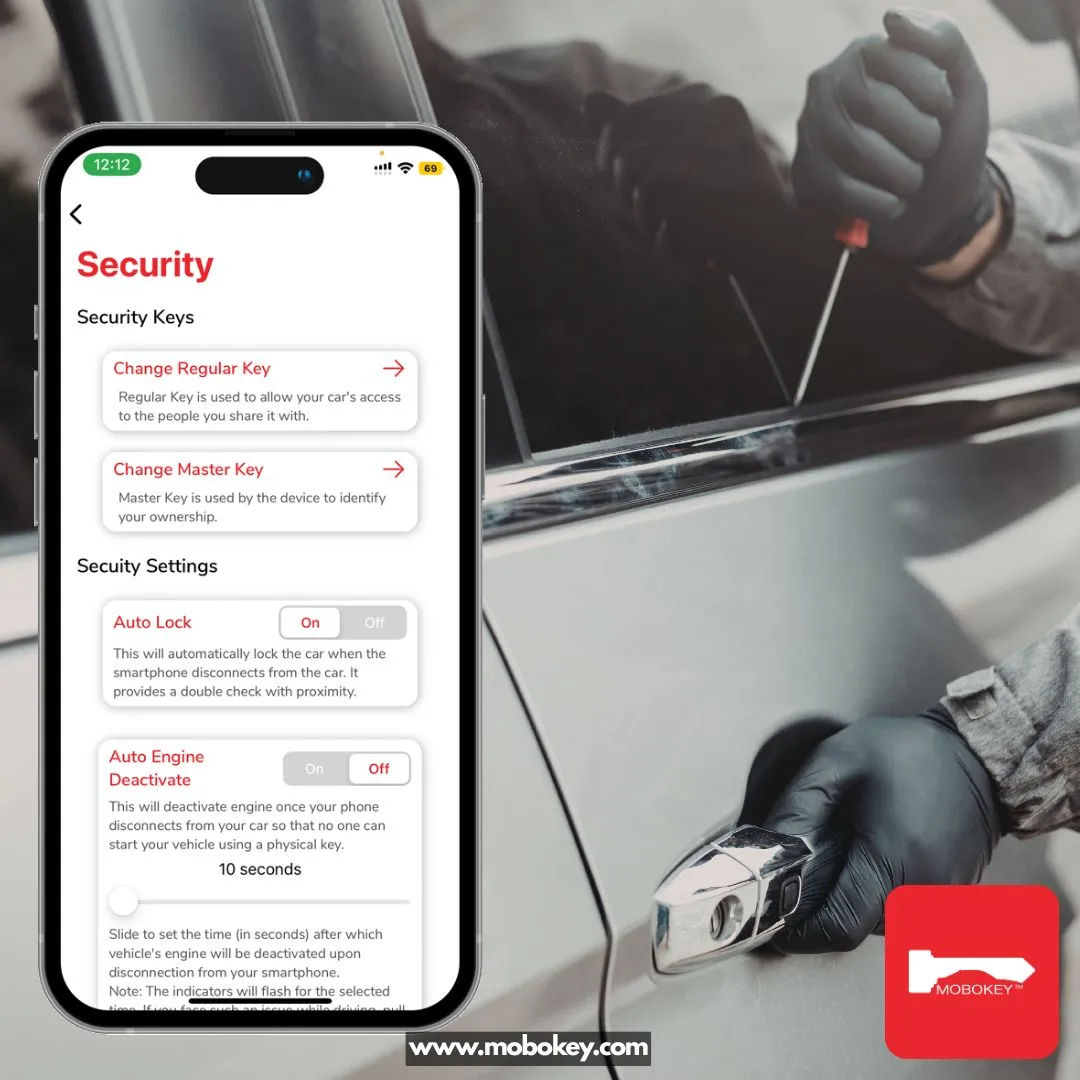
This is where smart systems fit well. MoboKey’s engine immobilization is passive by design: when your authenticated phone is not present, the engine does not run — no arming step, no habit required. It also layers a remote kill and parked location on top, which maps onto both the “immobilizer” and “recovery” categories insurers recognize. How insurers view kill switches more broadly — including the legality questions — is covered in are kill switches legal and what insurers say.
How Much Will You Actually Save?
Here is the honest math most articles skip. The discount applies to comprehensive coverage only. If your comprehensive premium is $400 a year and your insurer grants 15%, that is $60 a year — not $60 a month. Meaningful, recurring, but not dramatic.
The real financial case has three layers. The discount itself, compounding yearly for as long as you own the car. The deductible you never pay, because the theft never happens — typically $500 to $1,000. And the unreimbursed costs of a theft nobody refunds: time, rental gaps, replacement hassle, lost resale. Viewed that way, a one-time device cost — here is what kill switches cost installed — pays for itself in discounts alone over several years, with the theft prevention as the actual prize.
How Do You Claim the Discount?
Five steps, fifteen minutes. First, install the device professionally and keep the receipt — installer documentation is the proof insurers most often want. Second, call your insurer and use their vocabulary: ask about a “comprehensive anti-theft discount” for a “passive immobilizing device.” Third, send what they request — receipt, device certificate, sometimes photos. Fourth, confirm the discount appears on your next declarations page. Finally, re-ask at renewal or when switching insurers: discounts do not always follow you automatically.
One more tip: if you carry only liability (no comprehensive), there is no theft coverage to discount — but the device matters more, not less, because a stolen car would be entirely your loss.
Frequently Asked Questions: Anti-Theft Insurance Discounts
Do anti-theft devices lower car insurance?
Yes — typically 5% to 25% off the comprehensive portion of your premium, which covers theft. Passive devices like immobilizers and automatic kill switches earn the most. Some states require insurers to offer these discounts; everywhere else, policies vary by company.
How much is the anti-theft discount really worth?
Modest but recurring. The percentage applies to comprehensive coverage only — on a $400 comprehensive premium, 15% saves $60 a year. Over a typical ownership period, that alone can repay the device, before counting the theft it prevents.
Does a kill switch qualify for an insurance discount?
Usually, yes — professionally installed engine-disabling devices sit in insurers’ top discount tier. Passive versions, which arm themselves automatically, qualify most consistently. Bring the installer receipt when you ask.
Does MoboKey qualify for an anti-theft discount?
It fits the categories insurers reward: passive engine immobilization (the engine runs only with the authenticated phone present), remote kill, and parked location tracking. Ask your insurer about their passive immobilizer and recovery-device discounts, and provide the professional installation receipt.
What proof do insurers ask for?
Most commonly the professional installation receipt; sometimes a device certificate or photos. Keep the paperwork from the installer — it doubles as your claim-time evidence that the device was active.
Do steering wheel locks lower insurance?
Yes — typically 5% to 25% off the comprehensive portion of your premium. Insurers classify them as deterrents rather than disablers, and because they are manual, there is no guarantee they are used. They still have a place in a layered setup — just not on the premium.
Ready to go keyless? Visit mobokey.com or contact us today to get started.