To host on Turo in 2026, your vehicle must be under 12 model years old (2014 or newer), have fewer than 130,000 miles, and carry a clean title; no salvage or rebuilt titles. Fair market value is generally capped around $200,000, with specialty exceptions for classics between 12 and 25 years old valued up to $85,000. As a host, you need to be at least 18 with a valid license and an approved account. Cars that miss the cutoffs can still earn through direct rental outside the marketplace.
Turo’s requirements filter out most surprises before they happen but they also turn away plenty of perfectly rentable cars. Here is the complete 2026 checklist for vehicles and hosts, what happens at the edges, and what to do with a car that does not qualify.
What are the Turo vehicle requirements in 2026?
Six requirements decide whether a car can list.
| Requirement | The 2026 rule | Notes |
|---|---|---|
| Vehicle age | Under 12 model years — 2014 or newer | Rolls forward each calendar year |
| Mileage | Under 130,000 miles | Checked at listing |
| Title | Clean only | No salvage, rebuilt, lemon, or branded titles |
| Fair market value | Generally up to ~$200,000 | High-value cars face extra requirements |
| Specialty vehicles | 12–25 years old allowed by exception | FMV up to $85,000; classics program |
| Condition | Safe, well maintained, recalls resolved | Legally registered and drivable |
Two edges of the rules matter to hosts.
Grandfathering works in your favor: a car listed while it qualifies can stay on the platform past the age cutoff, provided it stays well maintained and within the terms. Consequently, listing a car in its eleventh year preserves earning ability its twin in the driveway loses forever.
The title rule has no flex. A salvage or rebuilt title fails regardless of the car’s actual condition — as guides like Ridester’s requirements breakdown confirm, this is the most common hard rejection.
What do you need as a Turo host?
The host side is lighter than the vehicle side.
You must be at least 18 years old in the US, hold a valid driver’s license, and pass Turo’s account approval, which screens identity and driving history. A business entity is not required — individuals host directly, though many form an LLC as they scale for liability separation.
Additionally, plan for the operational requirements the listing page does not mention. Tell your personal auto insurer you are hosting — our guide to car sharing insurance explains why nondisclosure risks your whole policy. Choose your protection plan deliberately: the earnings-versus-deductible trade-off shapes your real income more than your daily rate does. (Link the insurance post once live.)
What if your car does not qualify for Turo?
A rejection from Turo is not a rejection from the rental market.
Here is how much you can make renting out your car either way.
Consider what the cutoffs exclude: a reliable 2012 Corolla with 140,000 miles, a well-kept high-mileage van, a rebuilt-title car restored properly. Renters would happily pay for all three. The marketplace’s rules protect its insurance economics — they do not measure whether your car can earn.
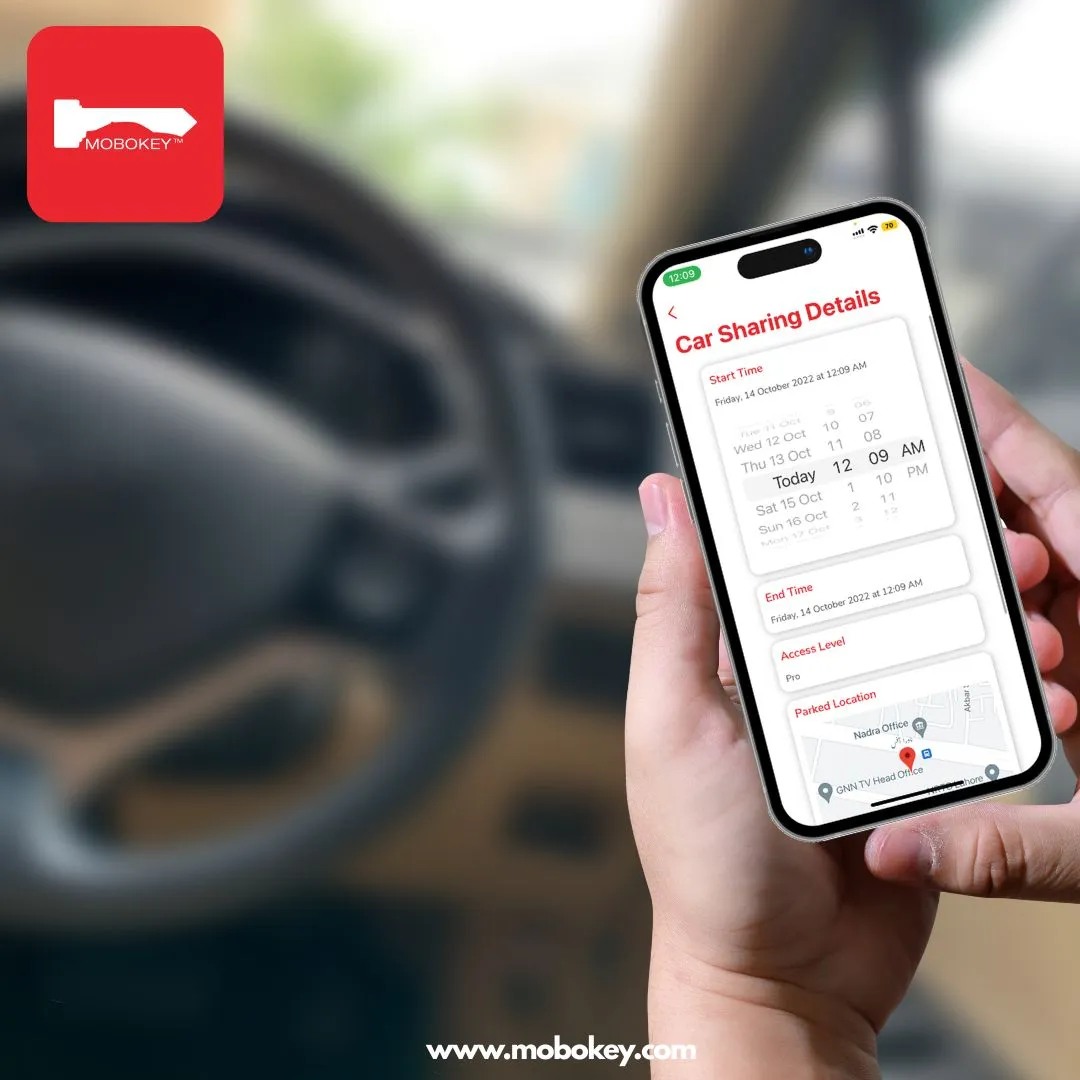
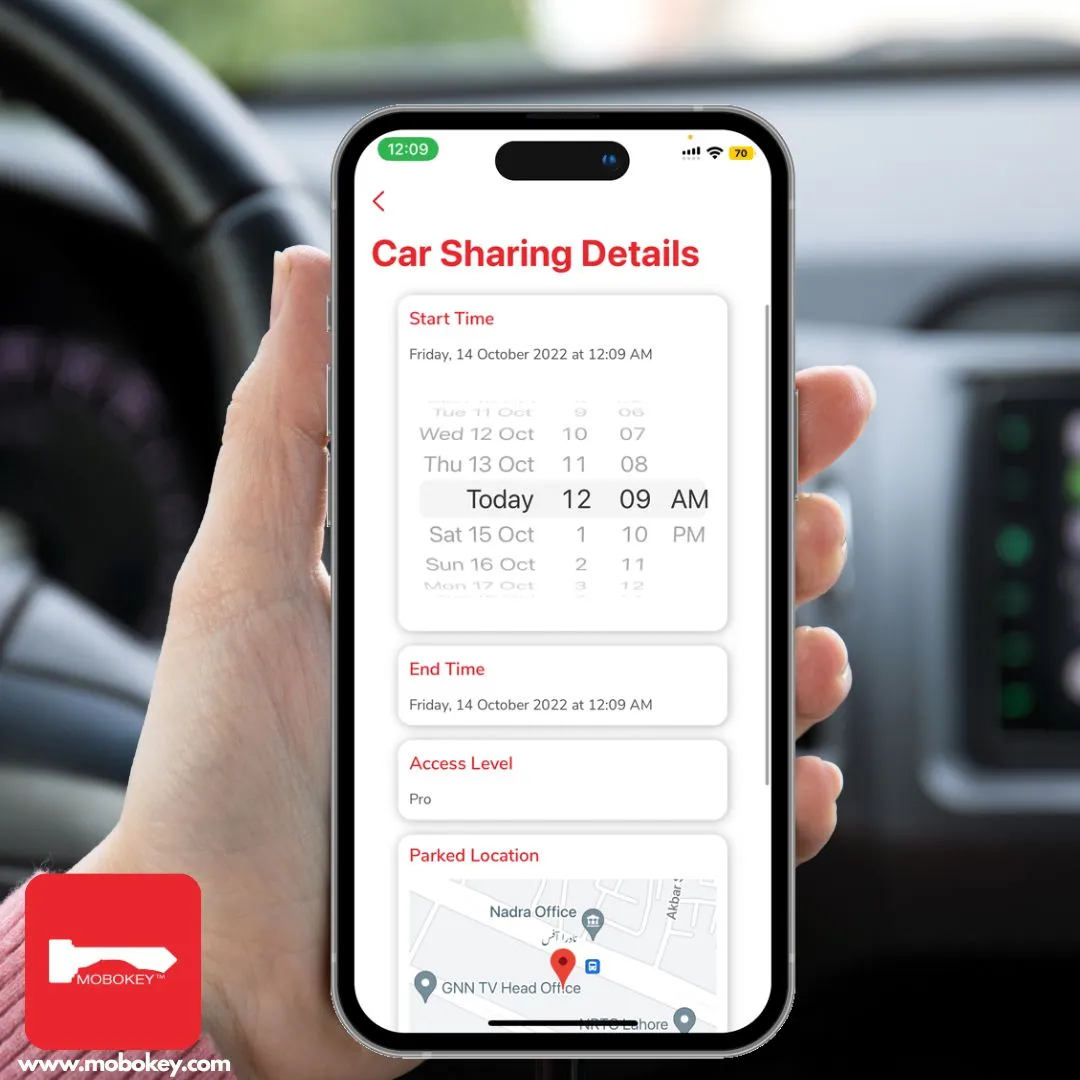
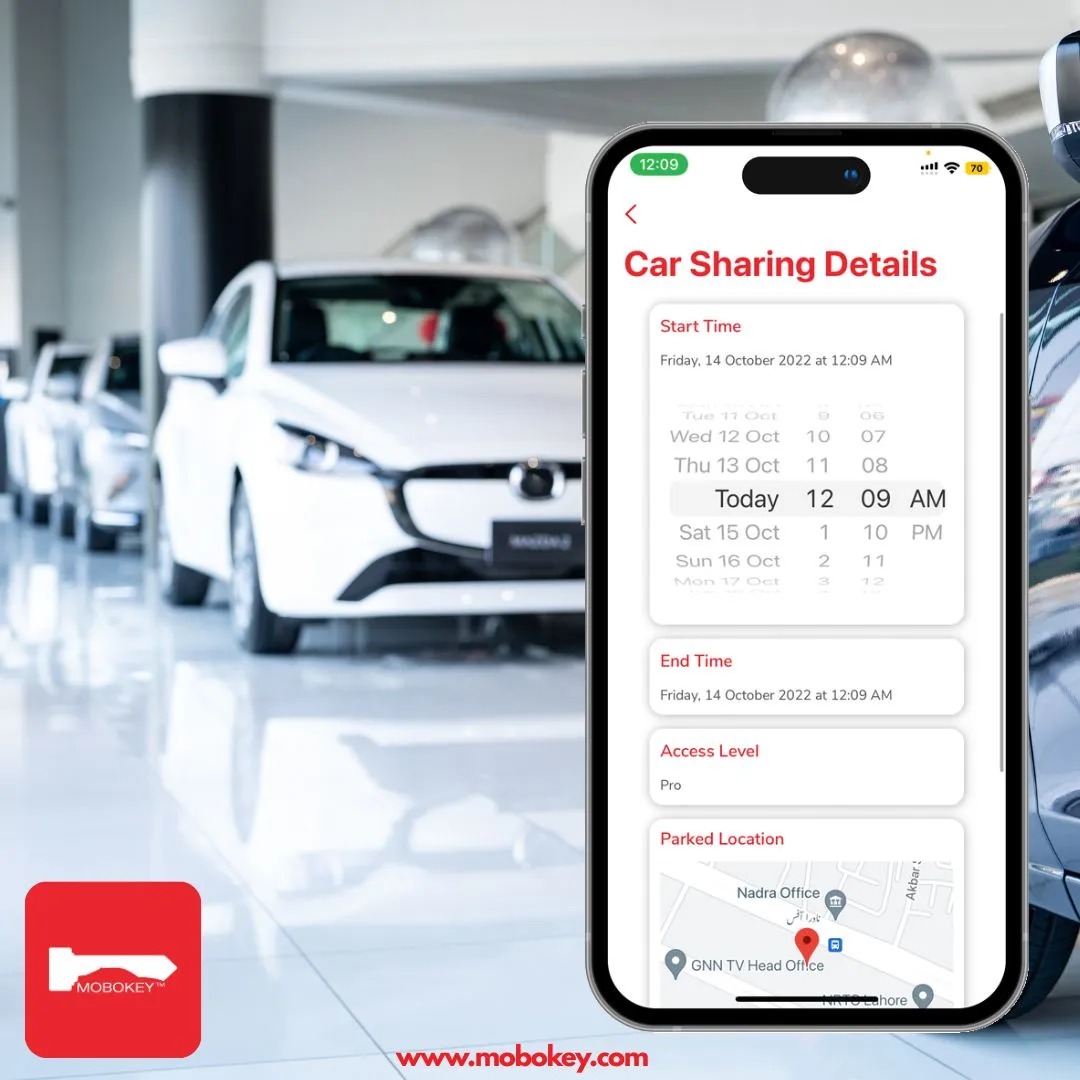
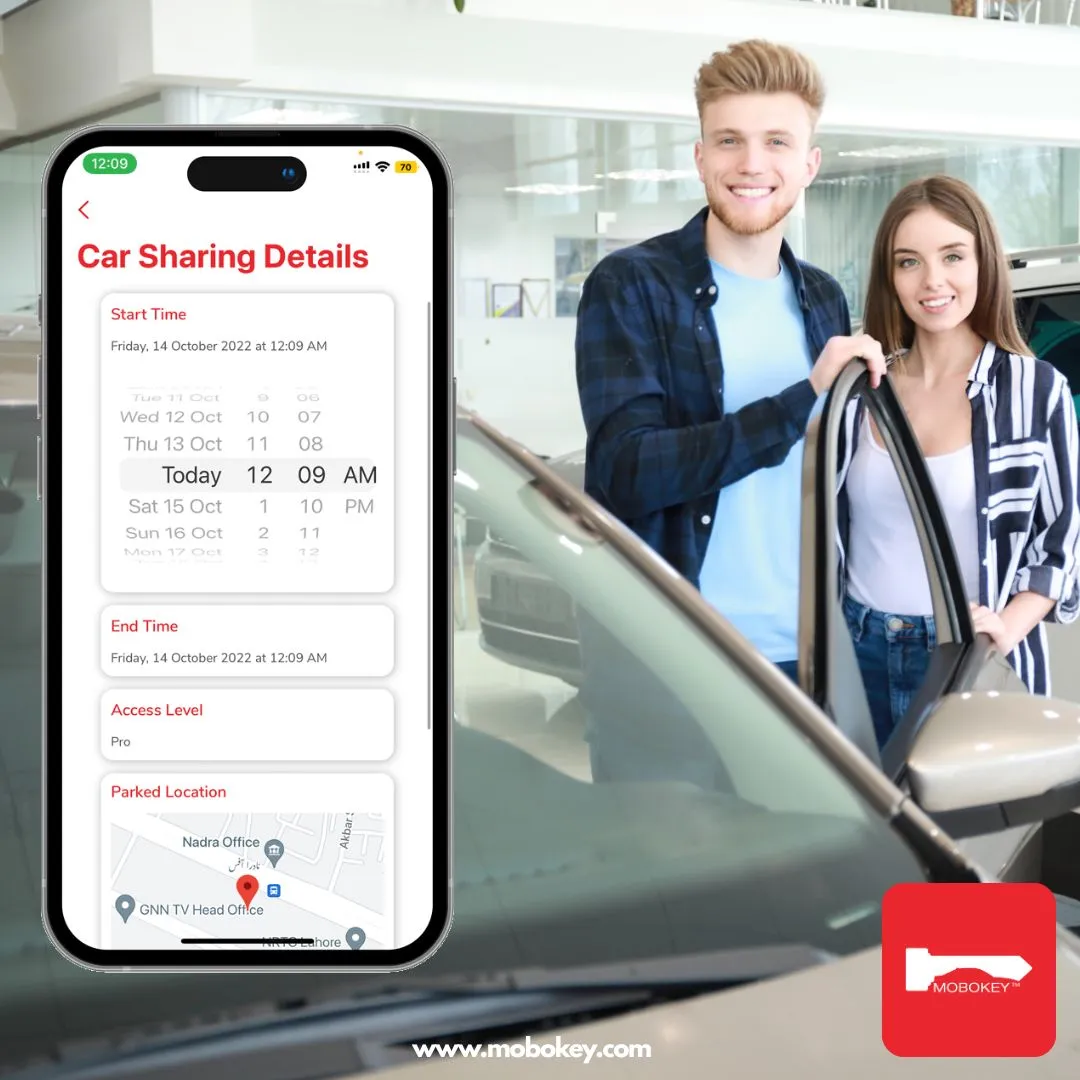
The independent route has no age or mileage committee. With a commercial policy and MoboKey GO, you rent directly: your own booking app, time-bound digital keys, remote kill switch, and parked location tracking. MoboKey hardware installs on over 90% of vehicles — including the 1990s-to-2013 models Turo’s age rule excludes. Local demand for cheap, honest rentals is real, and the excluded cars are usually the cheapest to buy.
Furthermore, the two routes combine. Qualifying cars go on Turo for marketplace demand; non-qualifying cars earn directly. One access system runs both sides of the fleet.
The setup checklist beyond the requirements
Meeting the requirements gets you listed. Five more steps get you booked.
First, photograph the car properly; clean, daylight, all angles. Photos drive clicks more than price does. Second, set the right vehicle strategy; the highest-ROI hosts run affordable, reliable models, not showpieces. Third, price for occupancy early and reviews will raise your rates later. Fourth, sort insurance before the first trip, not after. Fifth, go keyless — keyless entry removes handover scheduling and opens your calendar to early, late, and same-day bookings.
MoboKey covers the last step with a one-time hardware cost and no subscription. Details are at MoboKey Shop.
Ready to start hosting? Visit mobokey.com or contact us today to get started.
Frequently asked questions: Turo host requirements
In 2026, standard listings must be model year 2014 or newer — under 12 years old. Specialty vehicles between 12 and 25 years old can qualify by exception with a fair market value up to $85,000. Cars listed before aging out can remain grandfathered on the platform.
Vehicles must have fewer than 130,000 miles when listed. Once listed, a well-maintained car can continue hosting as the odometer climbs. A car already past the limit cannot join the marketplace, but it can still earn through direct rental.
No. Turo requires a clean title with no exceptions — salvage, rebuilt, lemon, and branded titles are all ineligible regardless of the car’s condition. Restored branded-title cars can only earn through independent rental with appropriate commercial insurance.
No. Individuals can host with a personal account, a valid license, and account approval at age 18 or older. Many hosts form an LLC as they add vehicles, for liability separation and cleaner taxes — useful, but not a Turo requirement.
Yes, within limits. Fair market value is generally capped around $200,000, and high-value vehicles face additional requirements under Turo’s programs. Higher-value cars also mean higher deductible exposure, so review your protection plan choice carefully.
Yes. Age, mileage, and title rules only govern the marketplace. With commercial insurance and a keyless system like MoboKey GO, non-qualifying cars rent directly: renters book through your channel, receive a time-bound digital key, and unlock the car with their phone. Older cars often deliver the best return on investment this way.