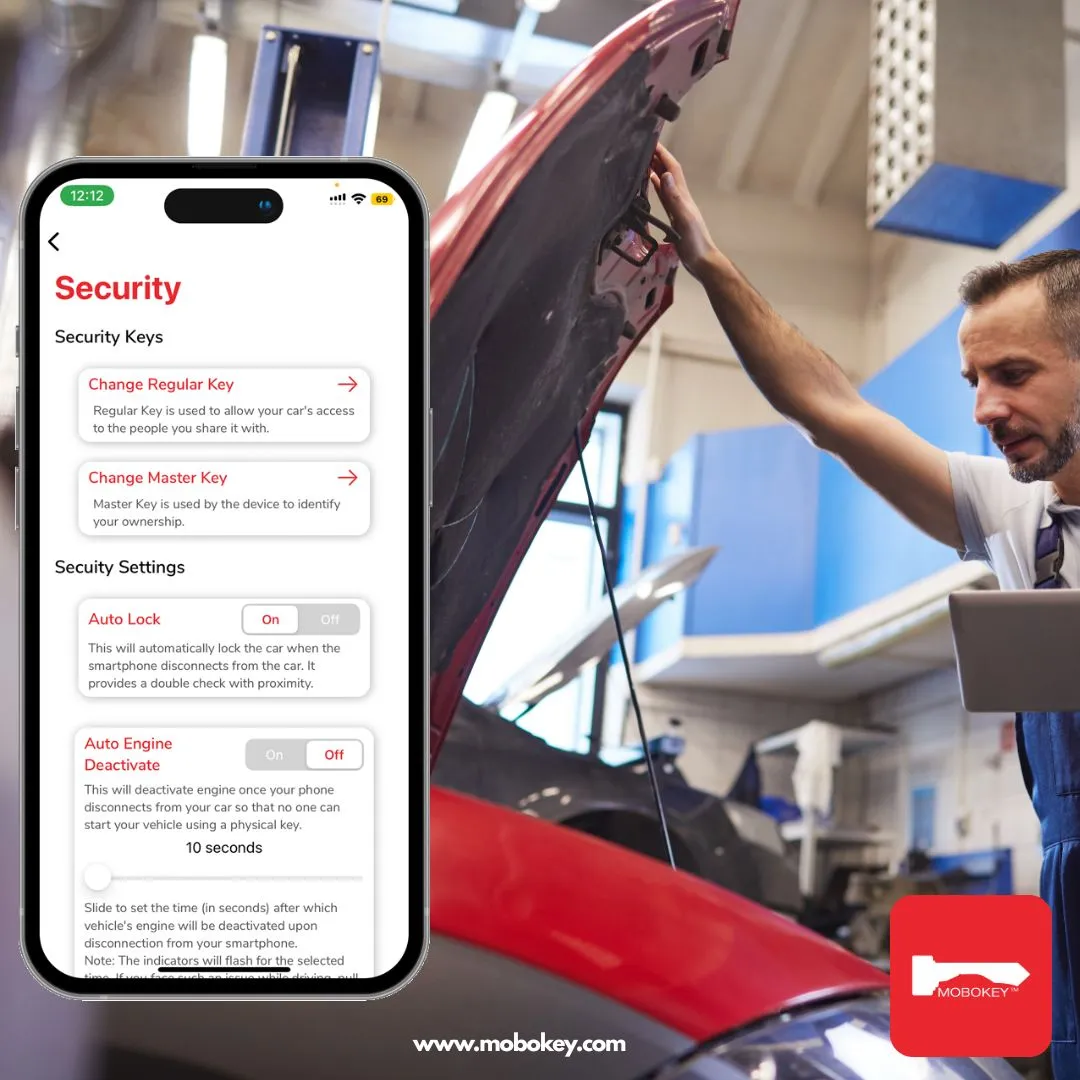
Are digital car keys safe? This is one of the first questions car owners and rental operators ask. Physical keys have a familiar security model. You hand them over, or you do not. Digital keys introduce new technology, and new technology raises new questions. Understanding how digital key systems work helps answer that question clearly. Here is a clear breakdown of how digital car key security works and what protects your vehicles.
How digital car keys actually work
Digital car keys replace a physical key with a secure credential stored on a smartphone. The phone communicates with a device installed in the vehicle. This communication happens via Bluetooth for close-range access. Therefore, the vehicle only responds to an authorized phone within a short distance.
Unlike traditional keys, digital keys carry built-in permissions. You can set time windows for when a key is active. You can limit which vehicles a specific driver can access. You can also revoke a key instantly from anywhere. Consequently, digital keys offer more control than physical ones, not less.
Furthermore, the credential is not a fixed code that someone could copy or replay. Modern digital key systems use encrypted, dynamic authentication. Each access event generates a unique exchange between the phone and the device. So capturing one exchange does not give an attacker a reusable key.
What makes app-based key sharing secure
Key sharing through an app raises a legitimate concern. Could someone intercept a key shared over the internet? This concern is valid for systems that transmit active keys through cloud servers. However, well-designed systems separate the sharing process from the access process.
In a secure system, sharing a key means sending a permission record. It is not a live access credential. The recipient downloads the permission to their device. After that, access happens locally between the phone and the vehicle hardware. As a result, no key travels over the internet during vehicle entry.
Additionally, reputable platforms use multi-layer authentication. The driver must hold an authorized device and be physically present within range. Remote commands from unknown devices simply do not work. This limits the attack surface significantly. A physical key, by contrast, works for anyone who holds it.
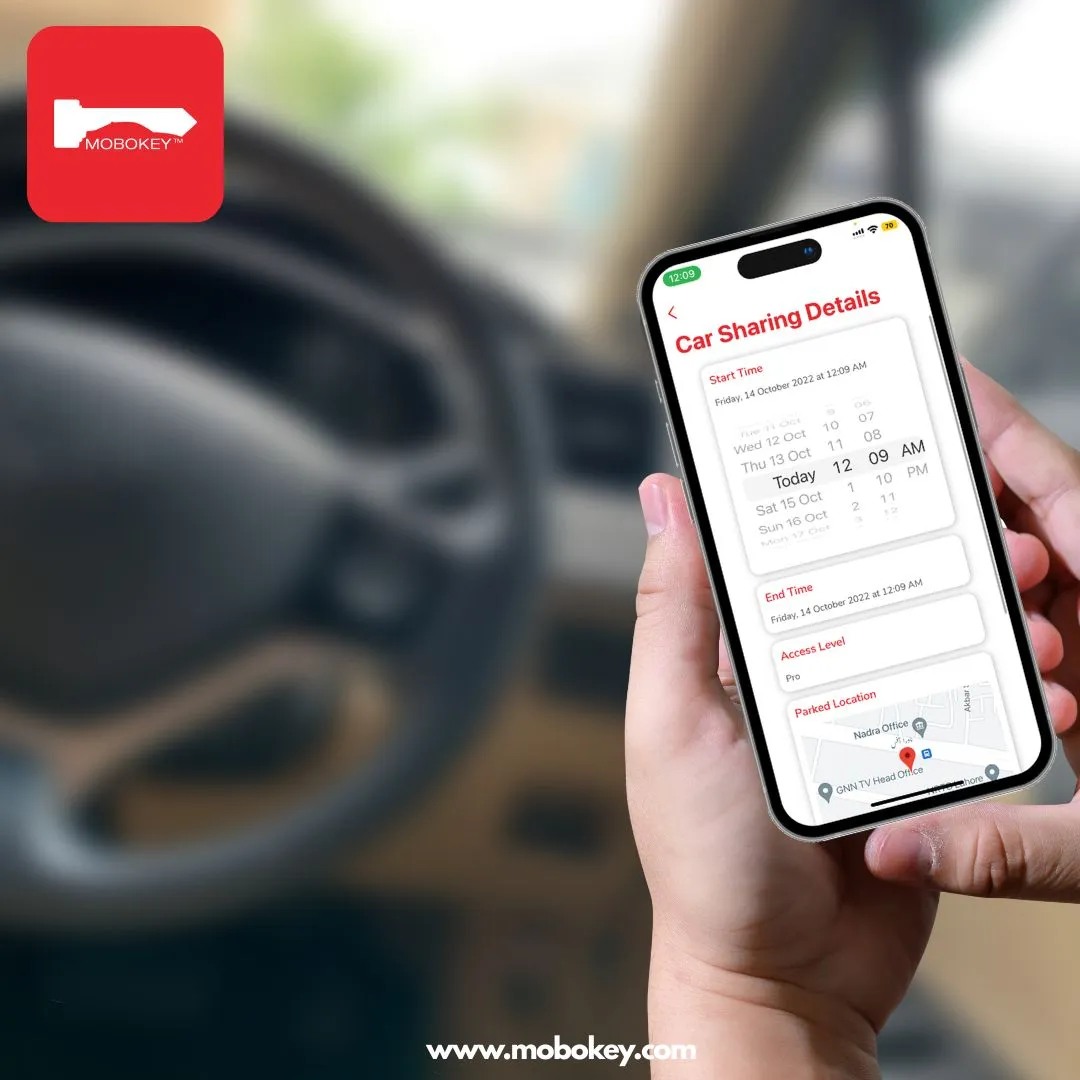
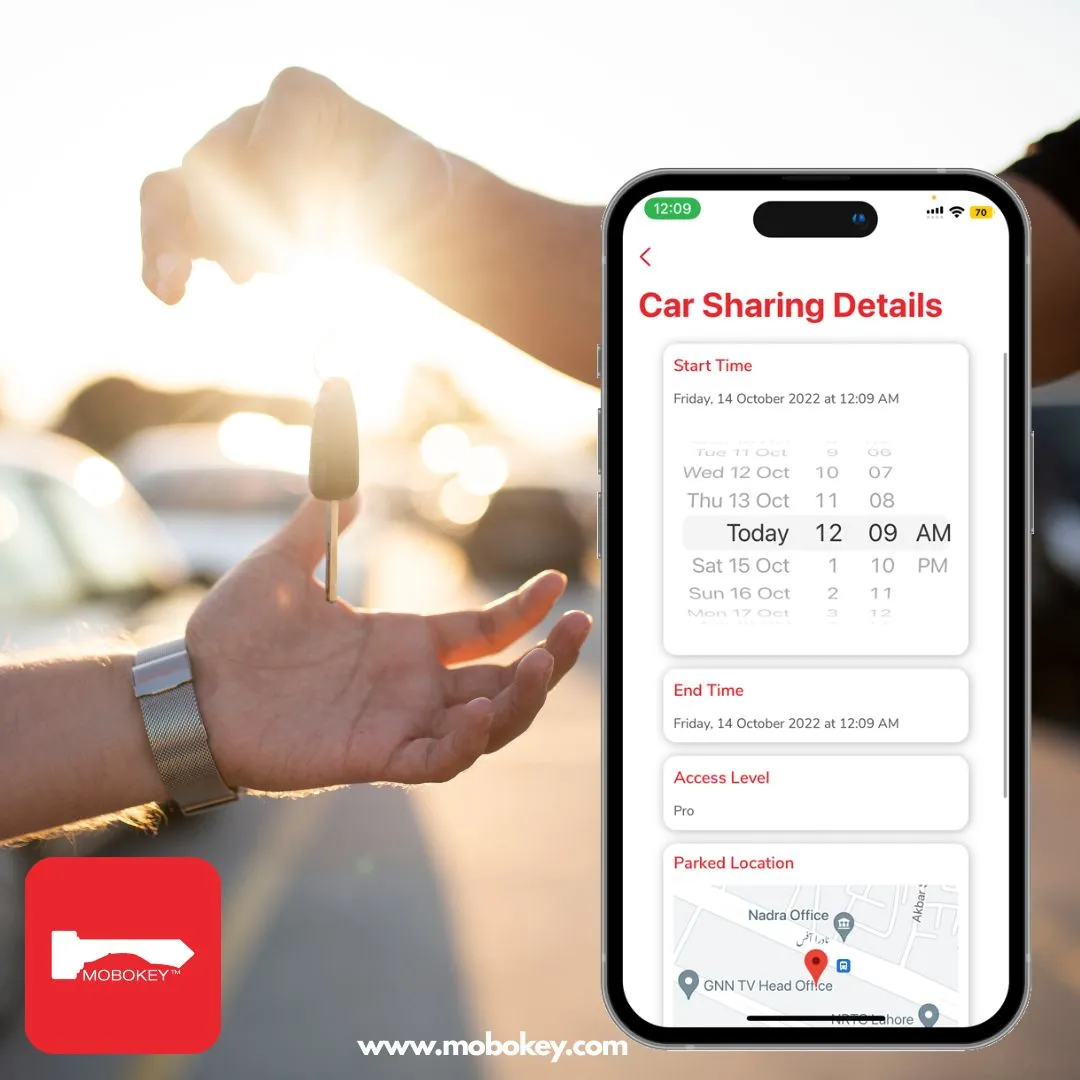
Time-bound access adds a further layer of protection. A digital key can be set to expire after a specific rental window. Therefore, a key shared for a one-day booking becomes inactive at the end of that day. The renter cannot return later and use it again.
Engine immobilization and remote access control
One of the most important security features in a digital key platform is engine immobilization. This feature prevents the vehicle from starting unless an authorized digital key is present. Therefore, gaining physical entry to the vehicle is not enough to drive it.
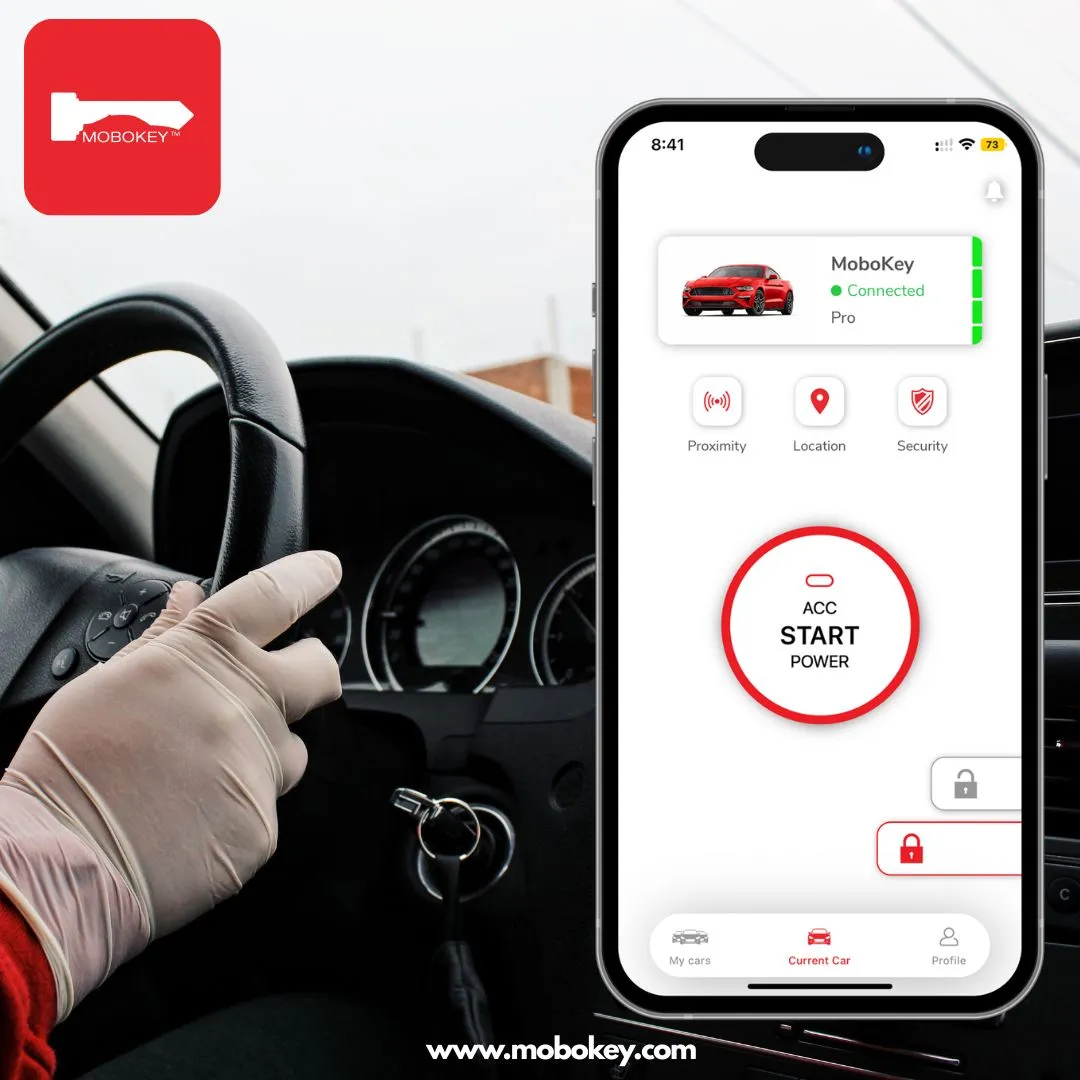
MoboKey takes this further with proximity engine kill. When the authorized phone leaves Bluetooth range, the system prevents the engine from restarting. This helps rental operators enforce return times and secure vehicles after a booking ends.
Moreover, operators can revoke a digital key instantly from the platform. If a renter is late or a vehicle is reported stolen, operators act with one click. The key stops working right away. There is no need to physically retrieve a key or change a lock.
Vehicle theft is one of the biggest risks for fleet and rental operators. According to the National Insurance Crime Bureau, vehicle theft continues to rank as a top financial loss for commercial operators. Digital key systems with instant revocation and engine immobilization address this risk in ways that physical keys simply cannot.
How MoboKey keeps vehicles secure
MoboKey’s security model is built around Bluetooth-based access. The MoboKey device installs in the vehicle and handles all communication directly. No keys are shared over the internet at the point of entry. The private key stays on the device and the authorized phone.
Time-bound permissions give operators precise control. Operators set exact windows during which a key is active. Outside those windows, the key does not work. Physical keys remain usable indefinitely once handed over. Time-bound digital keys do not.
Operators can explore the hardware at mobokey.com/shop/pro before committing to a full rollout. It works via Bluetooth up to 350 feet away and connects directly with the MoboKey platform.
Digital car keys are not just as safe as physical keys. When implemented correctly, they are significantly safer. They offer time-bound access, instant revocation, engine immobilization, and proximity-based controls. Physical keys offer none of these. MoboKey brings all of them together in one system built for operators who take vehicle security seriously.
Ready to go keyless? Visit mobokey.com or contact us today to get started.