Direct answer: Starting a peer-to-peer car rental business means connecting your vehicle with renters through a platform or your own branded app. The core steps are: prepare your vehicle, get the right insurance, choose how renters will access the car, set your pricing, and list it for bookings. You can start with one car and scale from there. The biggest operational challenge is managing vehicle access without physical key handovers which keyless technology solves entirely.
Peer-to-peer car rental is one of the most accessible ways to generate income from an asset you already own. In fact, a single well-located car can earn meaningful passive income in the right market. The key is setting up the right systems from day one — so the business runs smoothly as it grows.
What is a peer-to-peer car rental business?
A peer-to-peer car rental business connects private vehicle owners with people who need a car for hours, days, or weeks. The owner sets availability, pricing, and access rules. Renters book through a platform or app. Neither party needs a physical office or a traditional rental desk.
There are two main approaches. The first is listing on an existing marketplace like Turo or Getaround — faster setup with a built-in customer base, but the platform takes a percentage of every booking. The second is building your own branded platform. This removes commission entirely and gives you full control over pricing, branding, and customer relationships. MoboKey GO provides a white-label car sharing app designed specifically for operators who want this control.
Furthermore, both approaches start with the same technology — digital keys, remote access, and fleet management tools — and both can scale from a single vehicle to dozens.
What do you need before you start a peer-to-peer car rental business?
Before you take your first booking, four things need to be in place.
How do you start a peer-to-peer car rental business? (Step by step)
How does technology make a P2P car rental business easier to run?
The biggest operational cost in a peer-to-peer car rental business is time — time spent on key handovers, check-ins, and vehicle coordination. Technology removes most of this overhead.
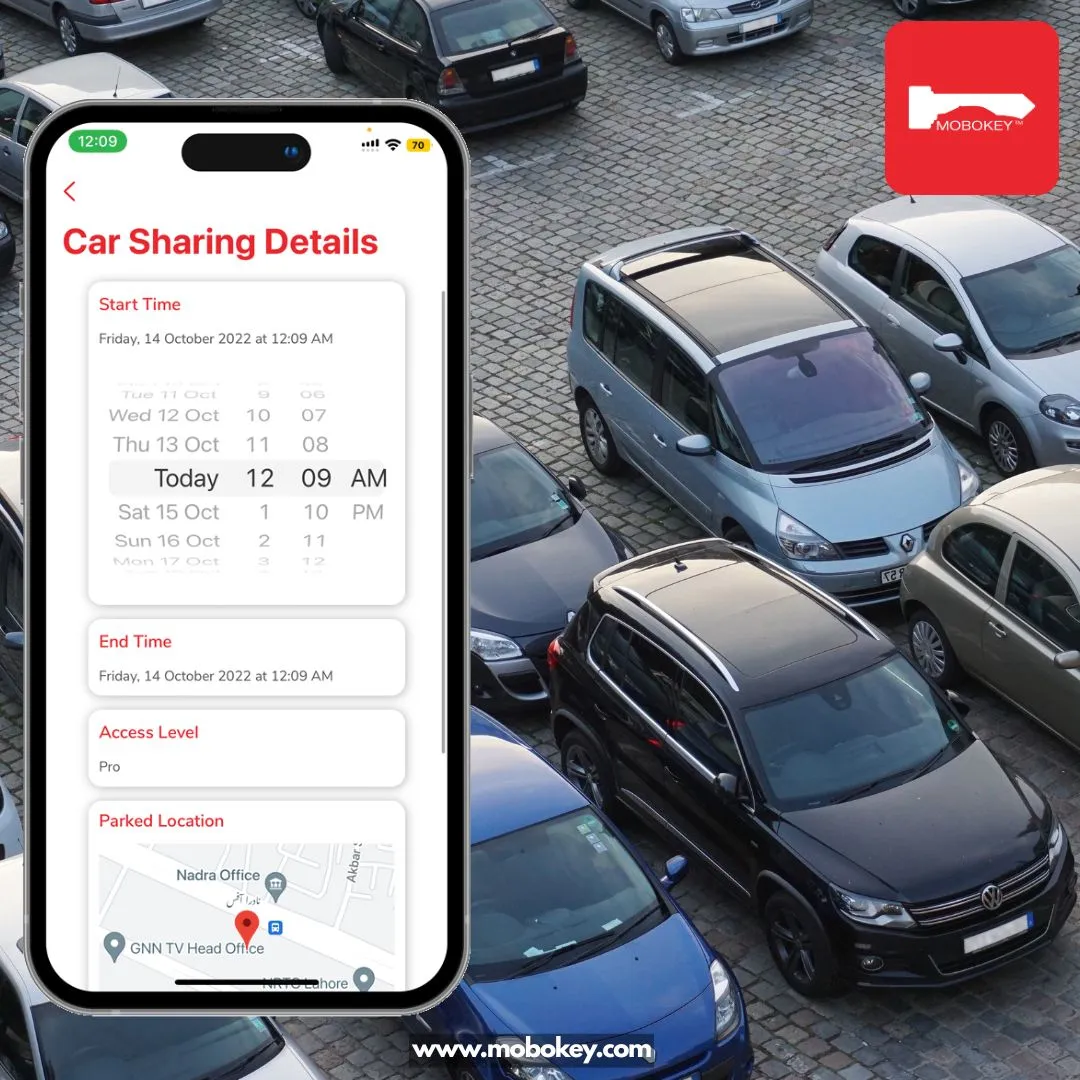
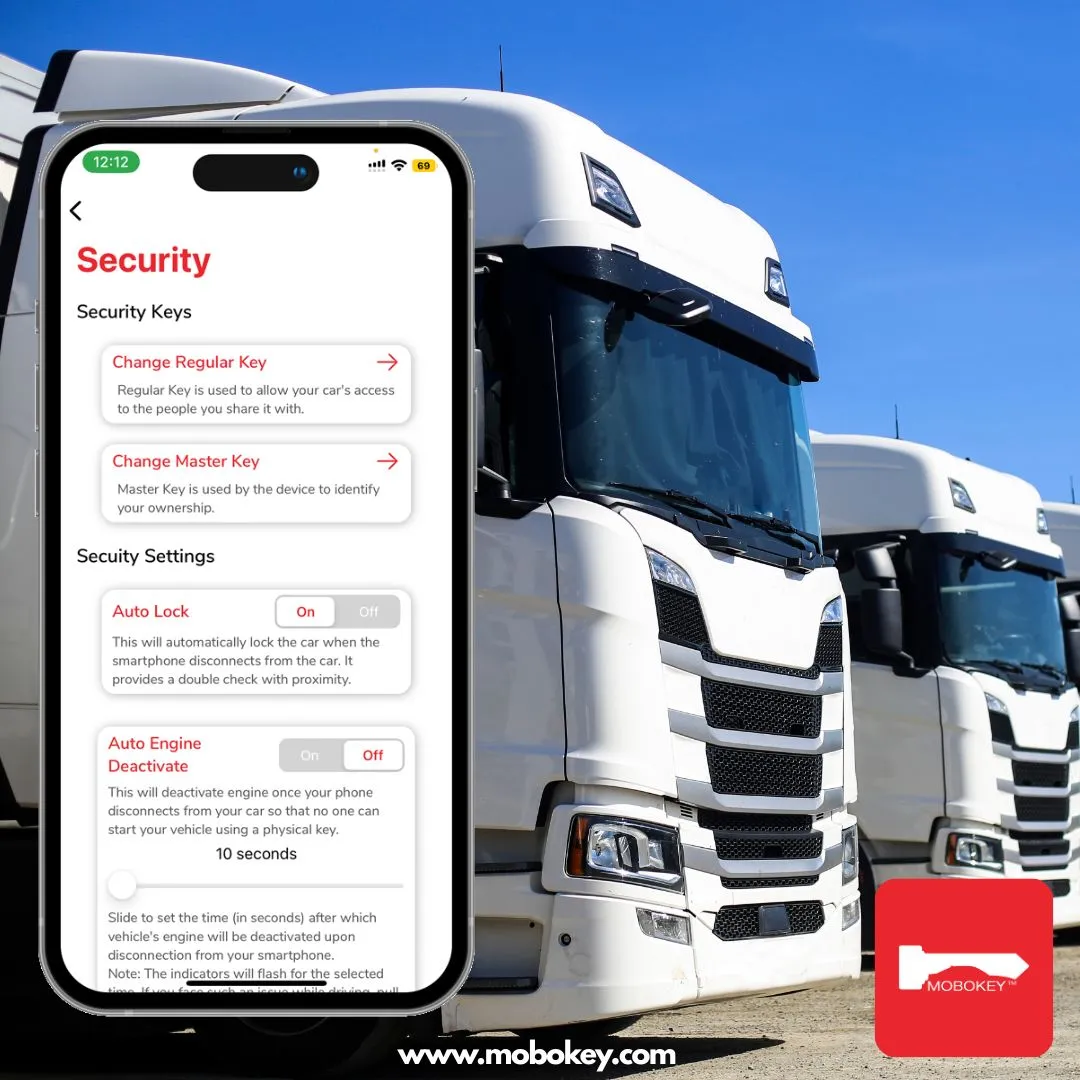
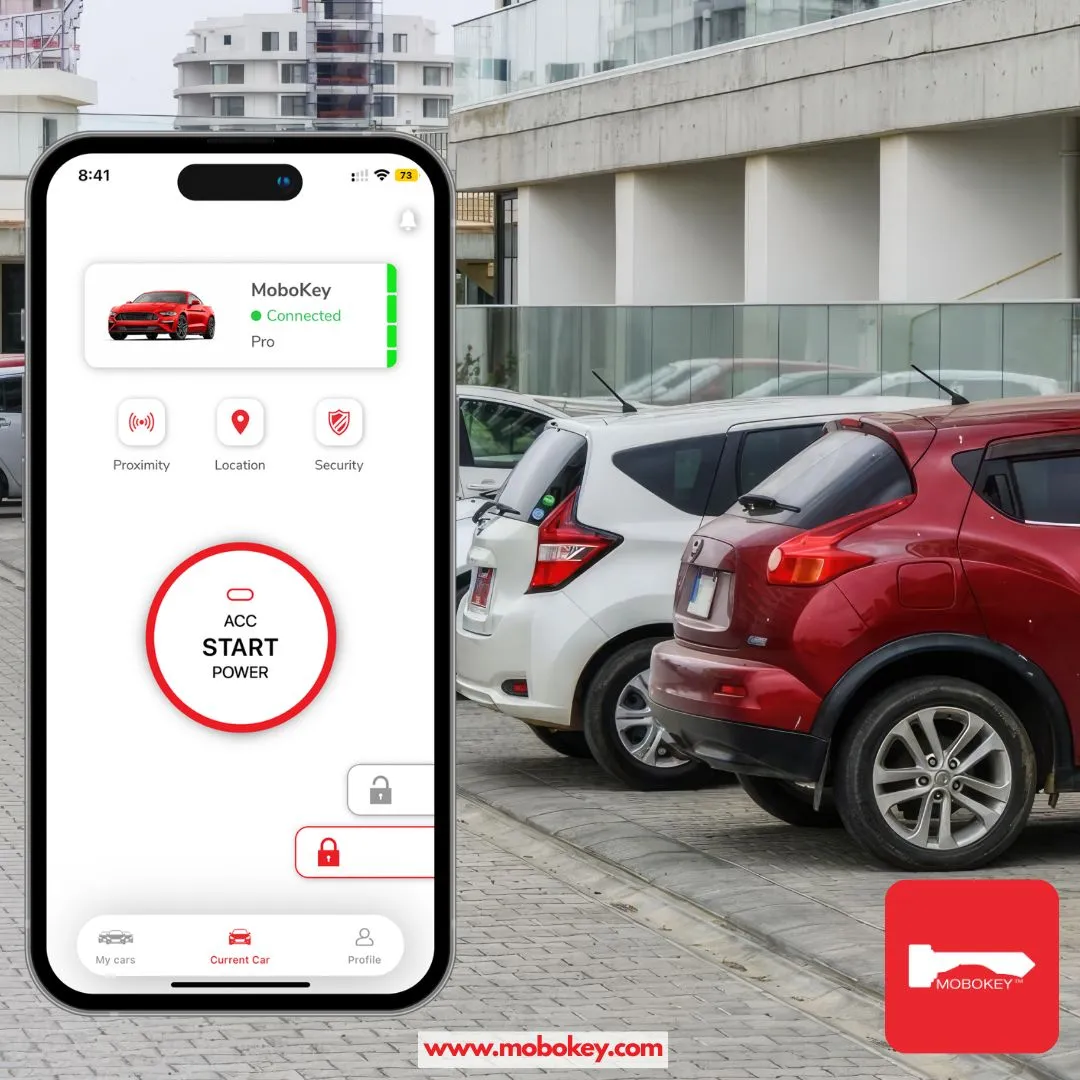
MoboKey handles access automatically. The renter receives a time-bound digital key on their phone, unlocks the car, completes the trip, and the key deactivates at the end of the booking window. Additionally, parked location tracking shows where each vehicle sits at any time. Proximity engine kill lets you prevent the engine from starting if a vehicle moves outside its authorized area.
SBA research on small business operations consistently shows that automating repetitive tasks drives profitability in early-stage businesses. In a peer-to-peer car rental business, access management is the task where automation delivers the most immediate value.
MoboKey works on over 90% of vehicles and carries a one-time hardware cost per car — no annual fees, no booking commissions, and no monthly subscription. For hardware details, visit MoboKey Shop. For full details on how MoboKey powers P2P car rental businesses, visit mobokey.com.
Ready to go keyless? Visit mobokey.com or contact us today to get started.
Frequently asked questions: starting a peer-to-peer car rental business
If you already own a vehicle, startup costs are low. You need the right insurance, a legal business registration (typically $50–$200 for an LLC), and a keyless access device. MoboKey charges a one-time hardware cost per vehicle with no ongoing fees. Most operators start for under $500 in setup costs beyond the vehicle itself.
In most US states, no special license is required for private P2P rental through a platform. However, some cities regulate short-term vehicle rentals locally. Check your city and state requirements before listing, particularly if you plan to grow beyond five vehicles.
A traditional rental company owns a large fleet, operates from a physical location, and employs staff for check-ins and returns. A P2P car rental business operates remotely with no physical presence required. Technology handles access, tracking, and communication. As a result, P2P operators carry far lower overhead than traditional rental companies.
Compact SUVs, mid-size sedans, and pickup trucks generate the highest occupancy rates in most markets. Luxury vehicles earn more per day but attract fewer bookings. For a first vehicle, choose a popular, low-maintenance model with good fuel economy and broad renter appeal.
Yes. With MoboKey and a booking platform, most day-to-day operations run from a smartphone. You can issue and revoke digital keys, monitor vehicle location, communicate with renters, and manage bookings without being near the vehicle.
MoboKey replaces physical key handovers with a smartphone-based digital key. Renters receive a time-bound key for their booking window. When the window closes, the key expires automatically. Fleet tracking, remote engine kill, and hands-free auto unlock give operators full control without being on-site.