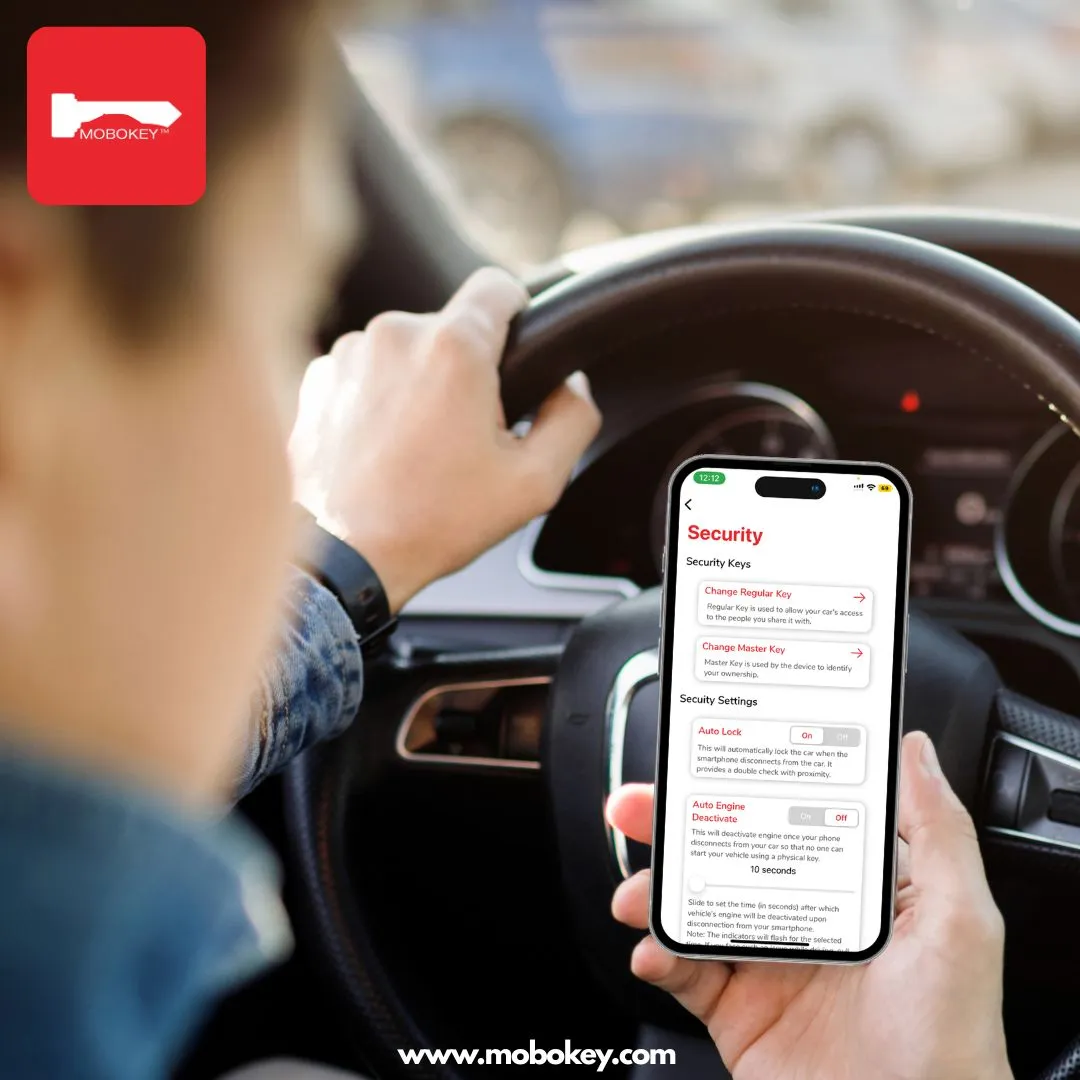
The moment a rental ends is one of the highest-risk moments in vehicle management. The booking is complete. The renter has the car. And until the operator regains full control, the vehicle is vulnerable. Unauthorized use after a rental ends is a real and documented problem. The good news is that modern access technology makes it entirely preventable. Here is how to prevent unauthorized vehicle access once a rental booking is over.
Why rental end is a critical security moment
Most operators focus security attention at the start of a rental. They verify the renter, check the booking, and issue access. However, the end of a rental creates an equally important security window.
A renter who holds a key can return at any time after the booking ends. They can access the vehicle hours or even days later. If they made a copy of a physical key, that copy remains valid indefinitely. Consequently, the security risk does not end when the rental does.
Furthermore, disputes about post-rental access are difficult to prove. Without a clear access log, operators have no record of who entered the vehicle after the booking closed. This creates liability exposure that grows with every vehicle in the fleet.
Additionally, unauthorized post-rental access is not always malicious. Renters sometimes return to retrieve forgotten items and find they can still open the car. Each of these events represents an uncontrolled access situation the operator did not authorize.
The problem with physical keys after a rental
Physical keys are the root cause of most post-rental security gaps. Once a renter holds a physical key, the operator loses meaningful control. Even after the key is returned, a copy may exist.
Traditional key return processes rely entirely on trust. The operator assumes the renter returned the only copy. However, there is no way to verify this. A duplicate key made during the rental period remains a working credential indefinitely. Therefore, every physical key handover creates a permanent vulnerability.
Lockboxes do not solve this problem. They control where the key is stored, not who has access to it. Moreover, combination codes can be shared, photographed, or guessed. As a result, a lockbox-based system offers only a modest improvement over a direct handover.
The only true solution is an access method that expires automatically at rental end.
How digital keys close the post-rental security gap
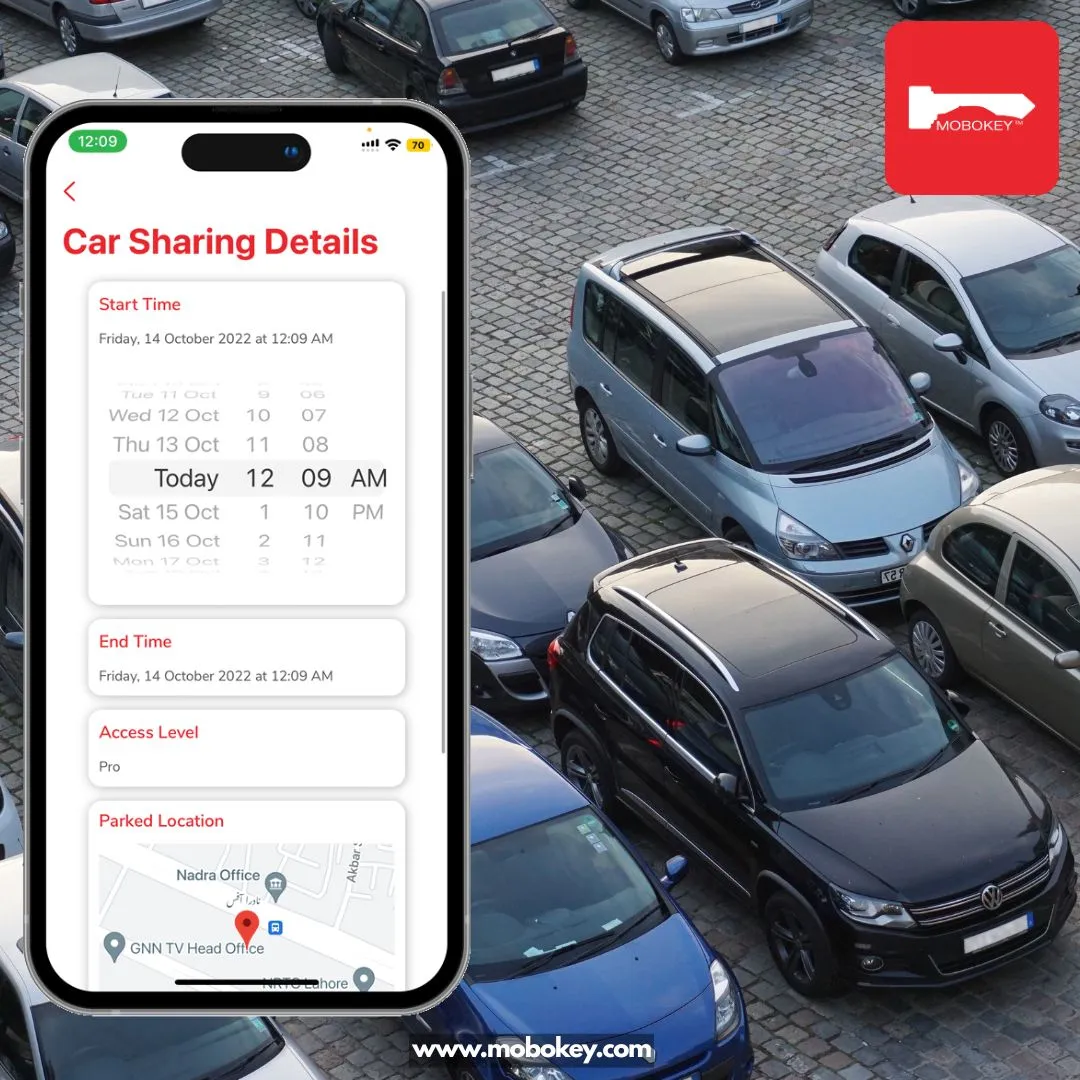
Digital key systems solve the post-rental access problem at the design level. A digital key is a time-bound credential. It activates at the start of the booking and expires automatically at the end. When the rental window closes, the renter’s phone loses access to the vehicle immediately.
There is nothing for the renter to return. There is nothing for the operator to collect. And there is no copy that remains valid after the booking ends. Consequently, the security risk disappears with the rental itself.
Furthermore, digital key systems create a complete access log. The platform records every unlock event, engine start, and key expiration automatically. Therefore, if a dispute arises, the operator has a clear timestamped record to reference.
Additionally, operators can extend or revoke access instantly from the platform. If a renter requests an extension, the operator updates the key remotely. If a renter is late and unresponsive, the operator ends their access with one click.
How MoboKey protects vehicles after every rental
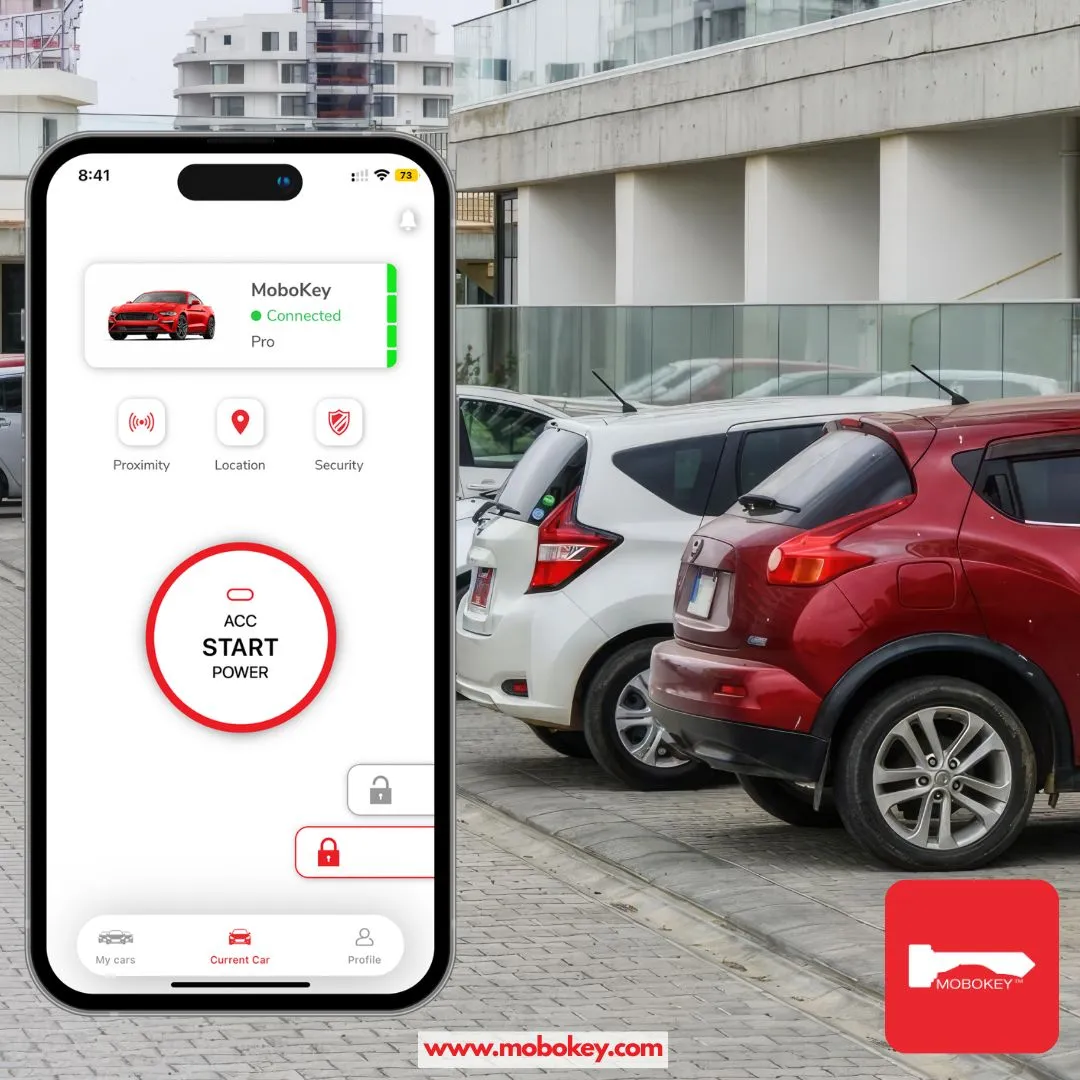
MoboKey is built around time-bound, Bluetooth-based digital keys. The MoboKey device installs in the vehicle and communicates directly with the driver’s phone. At the end of a booking, the key expires automatically. The renter’s app loses the ability to unlock or start the vehicle.
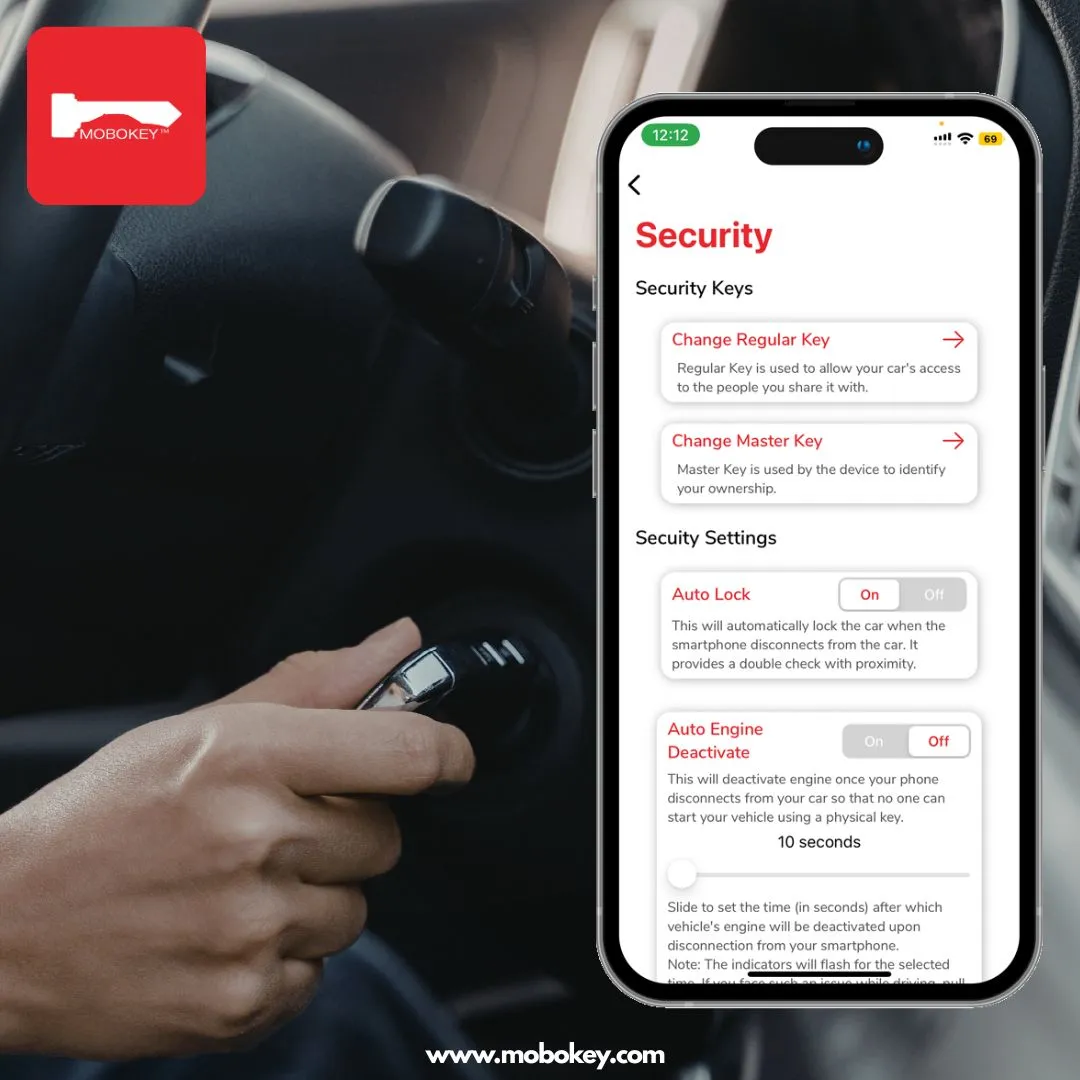
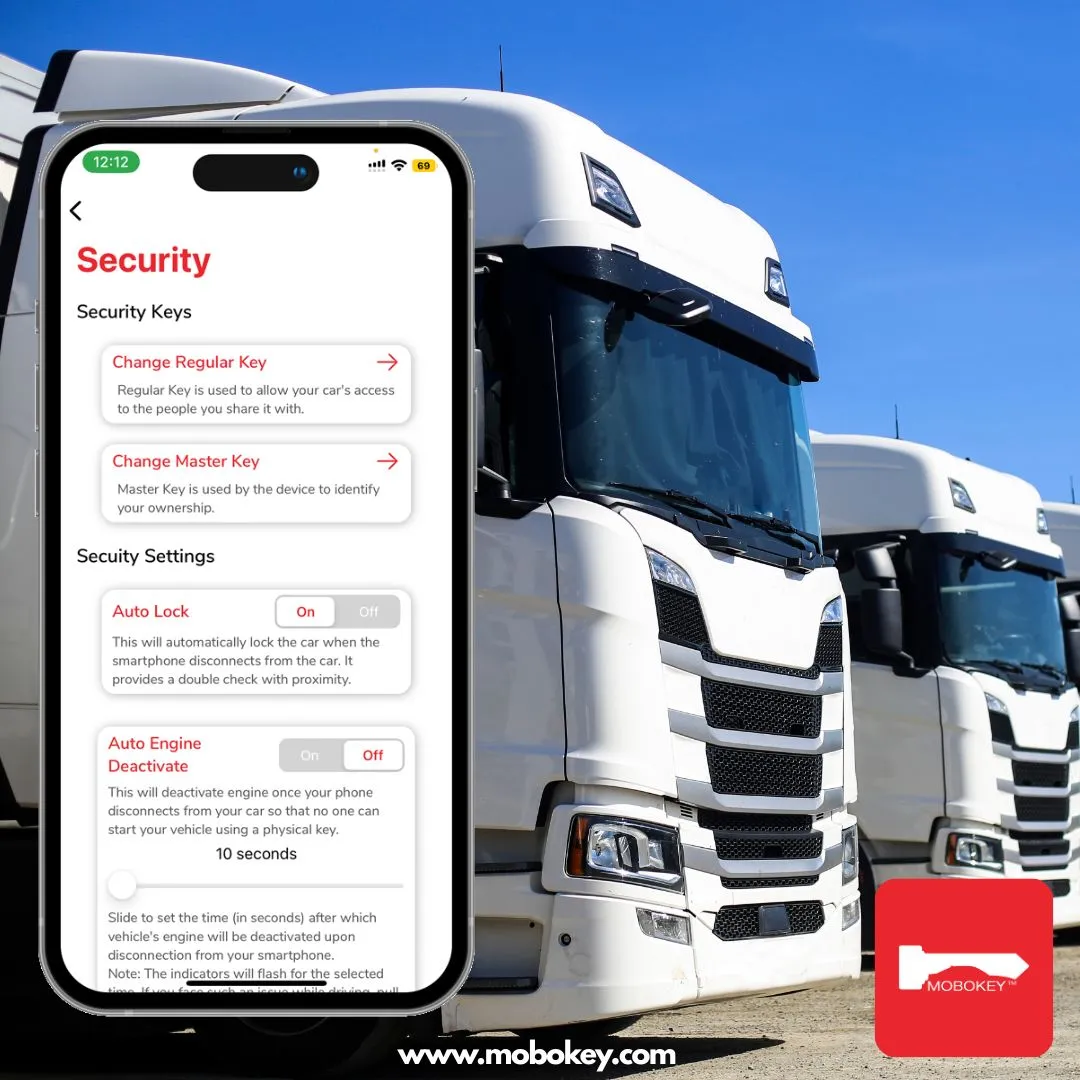
MoboKey also includes proximity engine kill. When the authorized phone leaves Bluetooth range, the system prevents the engine from restarting. This adds a second layer of protection beyond key expiration. Even if a renter attempts unauthorized access, the proximity requirement blocks the engine.
Moreover, instant revocation gives operators real-time control. If a vehicle is not returned on time, the operator ends access from any device. The key stops working right away. There is no waiting, no locksmith, and no in-person confrontation required.
The NICB links a significant share of vehicle theft to poor key control. Digital key expiration and instant revocation address this risk directly. Physical key systems cannot match this level of control.
Operators can explore the hardware at mobokey.com/shop/pro. The device installs in minutes and works via Bluetooth up to 350 feet away.
The end of a rental should mean the end of access. With MoboKey, it always does.
Ready to go keyless? Visit mobokey.com or contact us today to get started.