The car sharing market is full of entrepreneurs with strong ideas and real demand. However, many startups stumble on problems that were entirely avoidable. The mistakes are rarely about the concept. They are almost always about execution: the wrong technology, the wrong pricing model, or poor sequencing. Understanding these patterns helps new operators avoid the same traps. Here are the most common mistakes car sharing startups make and how to fix them.
Mistake 1: trying to build the technology from scratch
Many founders assume they need custom software to compete. They spend months and significant capital building a booking engine, payment system, and vehicle access layer. By the time they launch, the budget is depleted and the market has moved.
Building custom technology is rarely necessary for a car sharing startup. Proven white-label platforms already exist. They offer booking management, digital key sharing, and vehicle access out of the box. Consequently, operators can launch in weeks rather than months.
Furthermore, custom builds introduce ongoing costs. Maintenance, updates, and bug fixes require a developer on retainer indefinitely. Additionally, connecting app software to physical vehicle access is a specialized problem. Most development teams underestimate this challenge significantly.
The better path is to choose a proven platform and focus capital on fleet growth. Technology should enable the business, not consume it.
Mistake 2: choosing a platform that punishes success
Some operators choose commission-based platforms because the entry cost seems low. You only pay when you earn. However, this model creates a serious problem as the business scales.
At 15% to 20% commission per booking, every successful month costs more than the last. An operator running 300 monthly bookings at $60 each pays up to $3,600 in platform fees. Over a year, that is more than $43,000 that never went toward growing the fleet.
Moreover, subscription-based platforms often charge per vehicle. So adding cars to the fleet increases the monthly bill. Therefore, the cost structure punishes the very growth the operator is trying to achieve.
The solution is to evaluate total cost over time, not just upfront cost. A one-time hardware cost per vehicle with no recurring fees gives operators a predictable structure. As a result, every additional booking generates margin instead of additional fees.
Mistake 3: ignoring the key handover problem
Physical key handovers are one of the biggest operational problems in car sharing. New operators often underestimate this. They plan to meet renters in person or use lockboxes. However, as bookings increase, key coordination becomes a serious bottleneck.
Meeting every renter in person is not scalable. It limits bookings to hours when someone is available to hand over a key. Lockboxes create their own problems. Combinations get shared, boxes get damaged, and renters still need to find them on arrival.
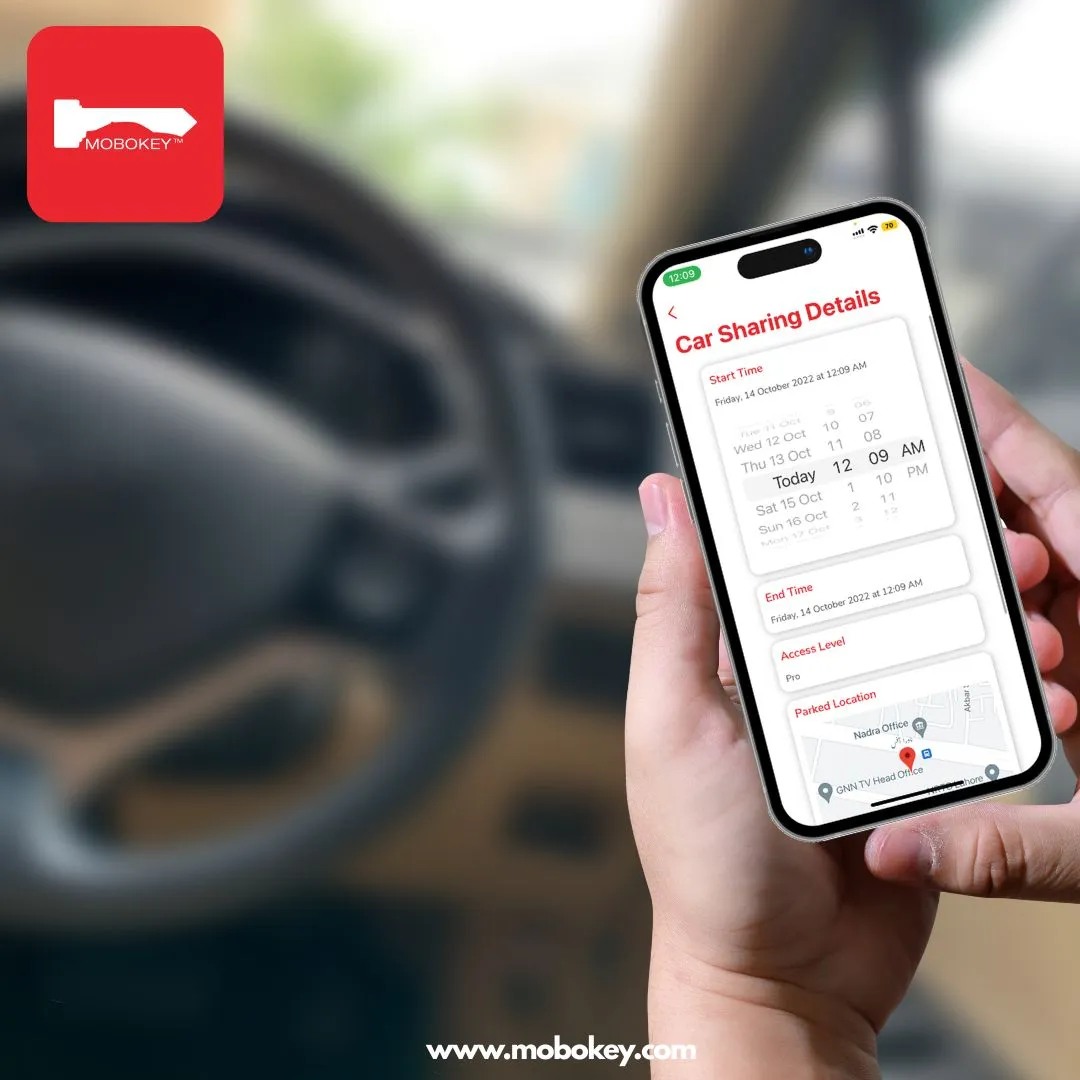
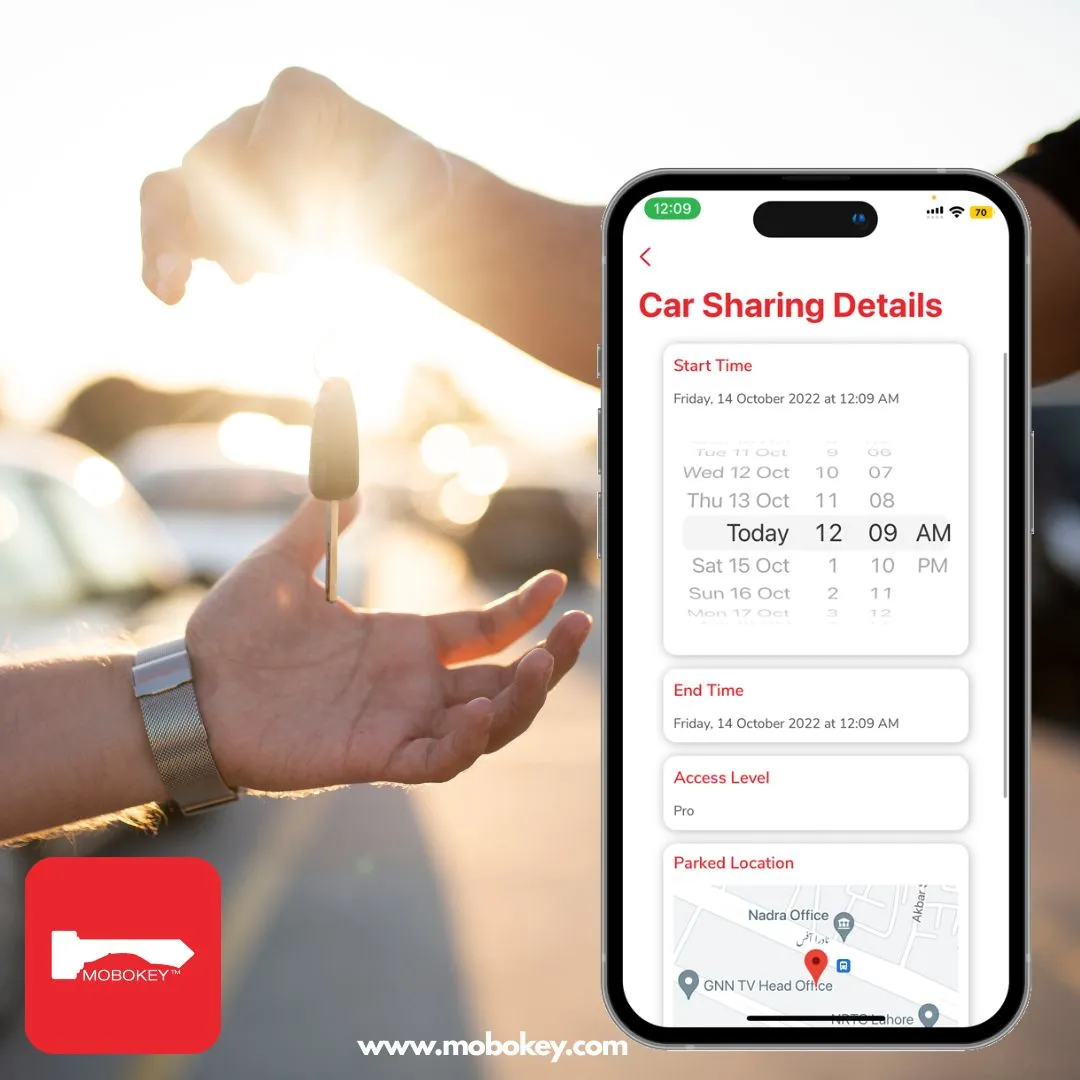
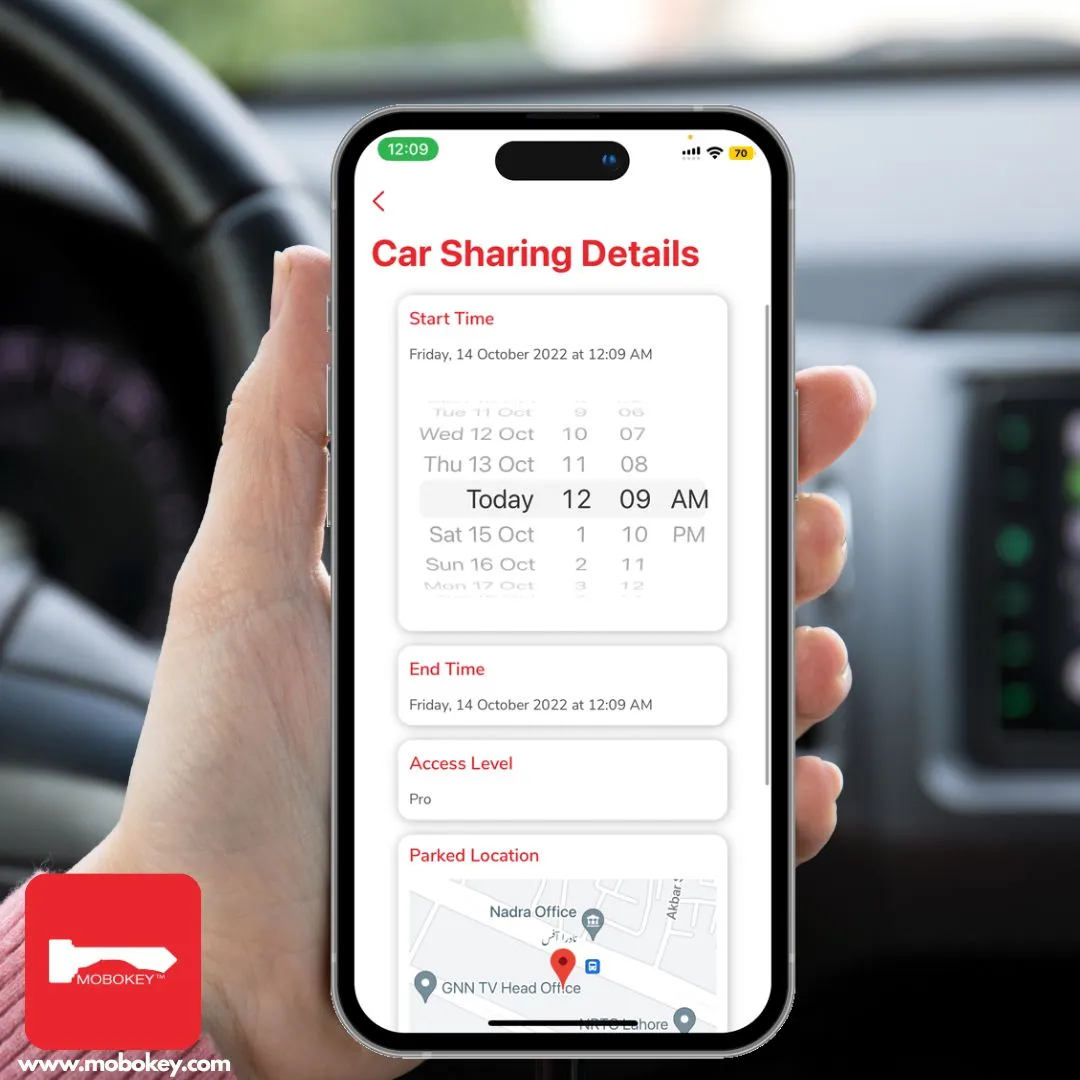
The simplest solution is to eliminate the physical key entirely. Digital key platforms let operators issue access remotely. The renter’s phone becomes the key. Consequently, bookings can happen at any hour without in-person coordination. Furthermore, operators can revoke access instantly if a renter is late or a dispute arises.
Solving this problem from day one saves significant operational friction as the fleet grows.
Mistake 4: waiting too long to launch
Overplanning is one of the most common mistakes across every startup category. Car sharing startups often delay launch in search of the perfect technology or pricing strategy. Meanwhile, real customers and real revenue wait.
The market does not wait. According to Allied Market Research, the global car sharing market will reach $11.42 billion by 2031. Operators who launch earlier capture more of that growth and learn faster from real customers.
The practical path is to start small, validate the model, and scale from there. Even one vehicle with a digital key gives real data on demand, pricing, and customer behavior. Moreover, the MoboKey device at mobokey.com/shop/pro lets operators test the technology before scaling up.
MoboKey GO makes this even more accessible. It provides a white-label car sharing app and Bluetooth-based vehicle access with a one-time cost structure. There are no annual fees and no booking commissions. Operators get a complete, branded platform without months of development.
The best time to launch was yesterday. The second-best time is today.
Ready to go keyless? Visit mobokey.com or contact us today to get started.