
The modern driver is increasingly minimalist. We have replaced bulky wallets with digital payment apps and physical maps with GPS. The final frontier of the “pocket purge” is the traditional car key. As automotive technology accelerates, the question is no longer if a smartphone can replace a car key, but how soon you can make the switch. In this guide, we will dive deep into the transition from physical fobs to digital access, the technology that makes it possible, and why an aftermarket solution might be the best path forward for your vehicle.
Traditional Keys vs. Phones: The Evolution of Access
To understand the shift toward smartphones, we must look at where we started. For decades, car security relied on mechanical “teeth” cut into a metal blade. This evolved into the Key Fob, which introduced Radio Frequency (RF) signals to lock and unlock doors remotely.
However, even the most advanced key fobs have inherent flaws:
-
Physical Vulnerability: Fobs can be lost, stolen, or damaged by water.
-
Replacement Costs: Replacing a modern smart fob often costs between $200 and $600 at a dealership.
-
Signal Vulnerabilities: Fobs are susceptible to “relay attacks,” where thieves intercept the RF signal to steal the car without a physical key.
Smartphone keys (Digital Keys) represent the next logical step. By using the hardware already in your pocket, you eliminate the need for a secondary device while gaining layers of biometric security (like FaceID or fingerprint scanning) that a piece of plastic simply cannot provide.
How Phone Keys Work: The Triple Threat of Connectivity
When you use your phone as a car key, it communicates with a hardware module installed in the vehicle using one of three primary wireless standards:
1. Bluetooth Low Energy (BLE)
BLE is the backbone of the “Phone-as-a-Key” (PaaK) movement. Unlike traditional Bluetooth, BLE consumes very little power and can stay active in the background. It allows the car to detect your presence from up to 300 feet away.
2. Near-Field Communication (NFC)
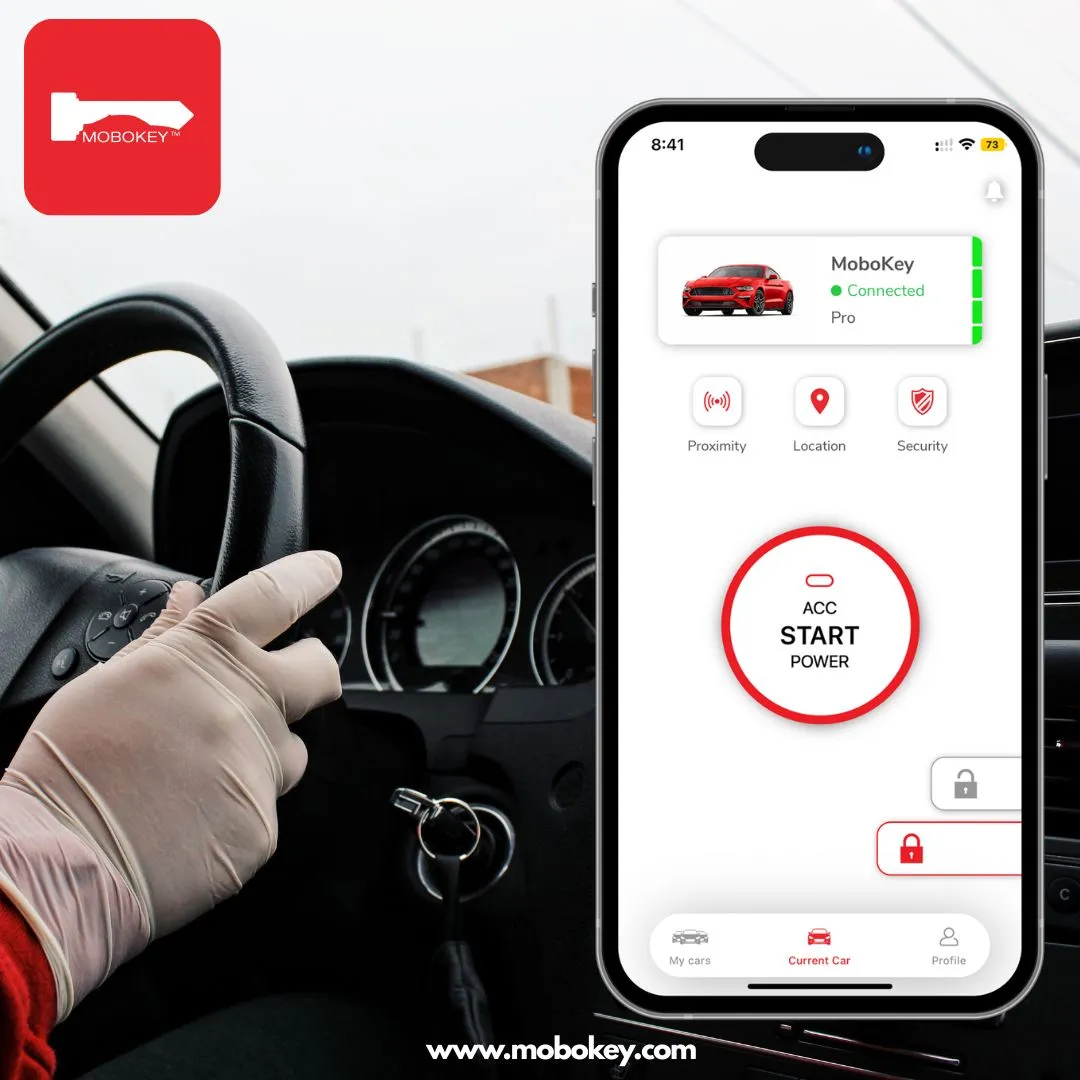
NFC requires you to tap your phone against the door handle or a designated reader. Download the MoboKey App from the App Store or Play Store. It is incredibly secure because it requires extreme proximity (inches), making it nearly impossible for a hacker to intercept the signal from a distance.
3. Ultra-Wideband (UWB)
The gold standard of digital keys, UWB provides precise spatial awareness. It doesn’t just know you are near the car; it knows you are standing at the driver’s door rather than the trunk. This prevents accidental starts and offers the highest resistance to relay attacks.
The Massive Benefits of Switching to a Digital Key
Why are so many drivers ditching the fob? The advantages extend far beyond simple convenience.
-
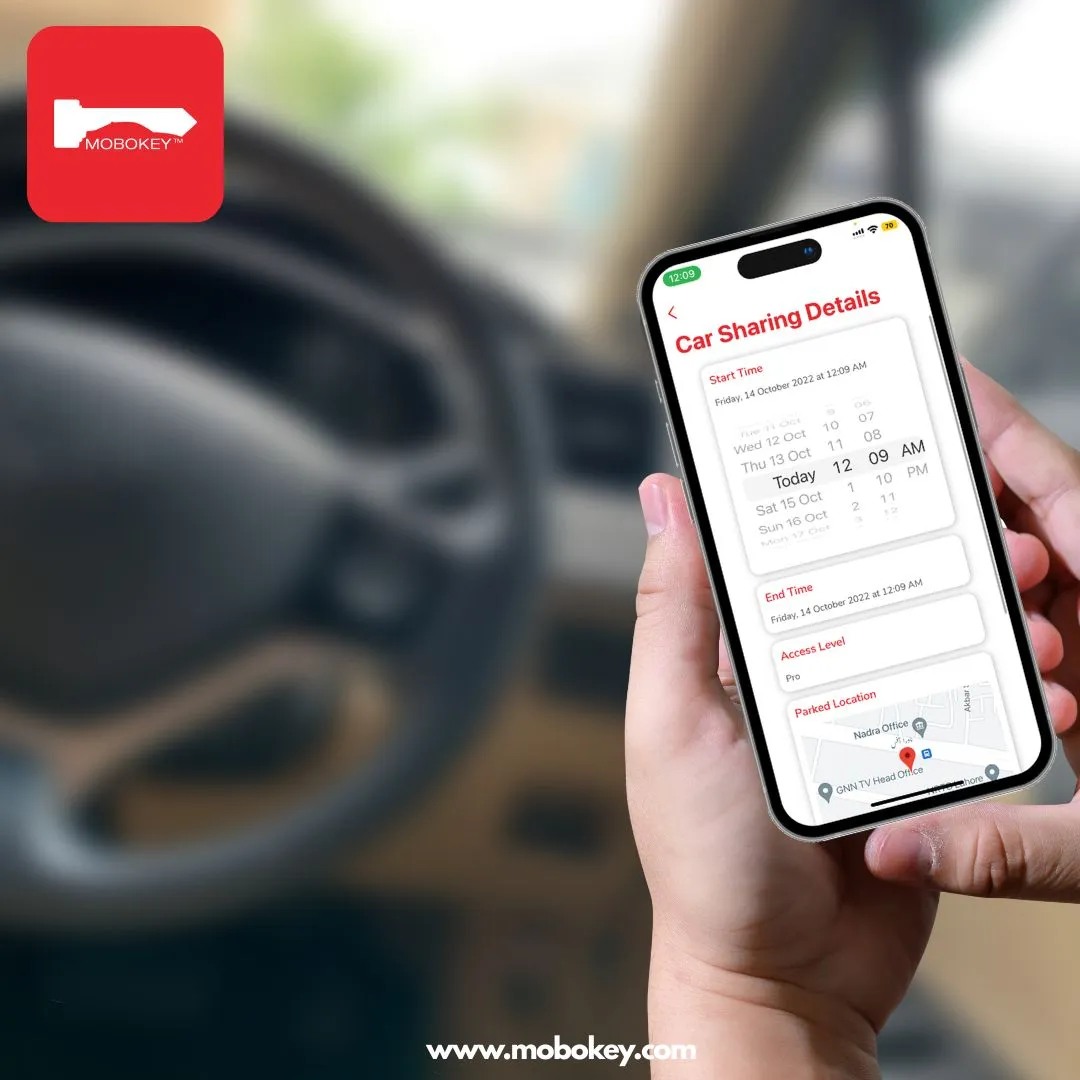
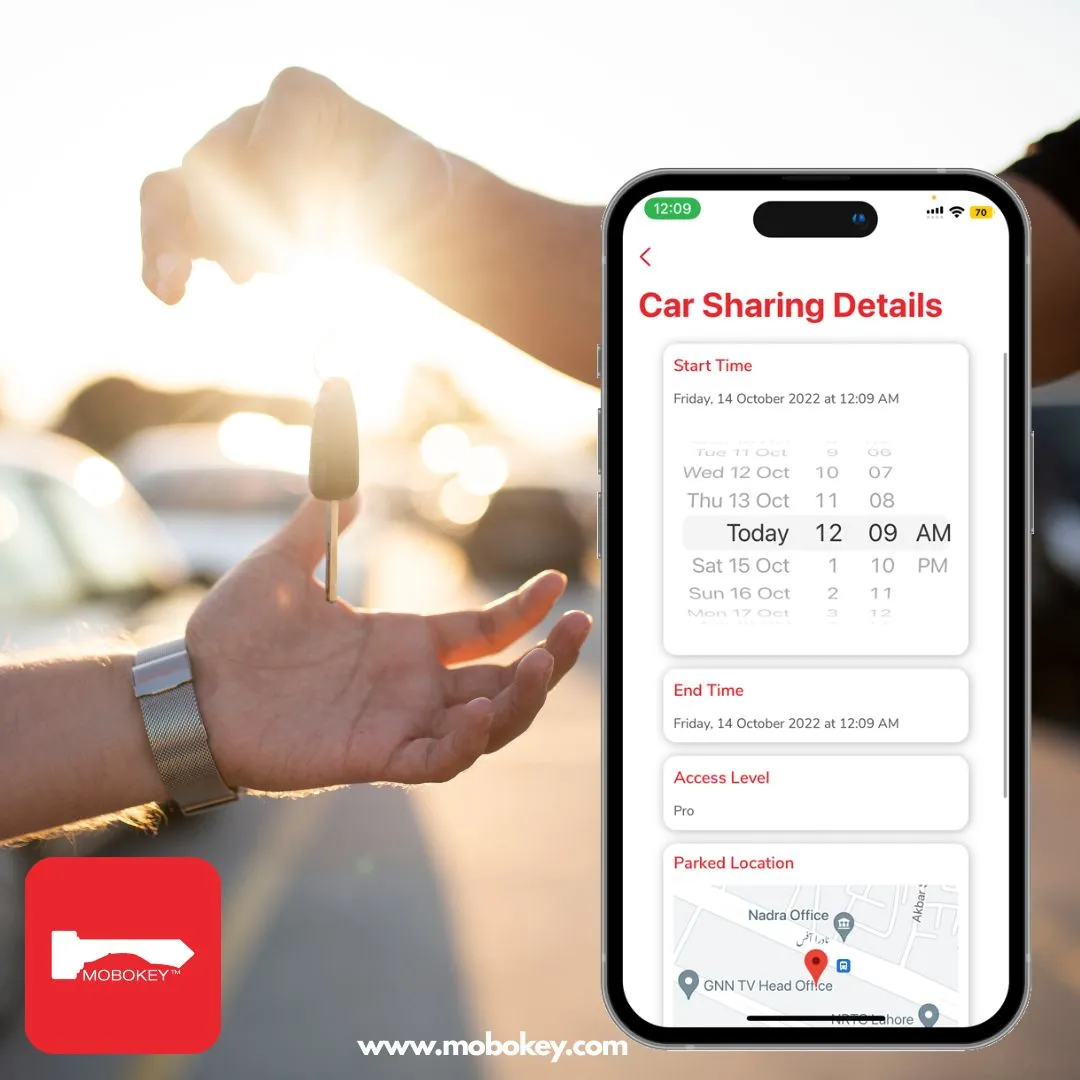
Keyless Sharing: If a friend needs to borrow your car, you don’t need to meet them to hand over a key. You can send a “Digital Key” via an app, granting them access for a specific time window.
-
Auto-Proximity Features: Imagine walking toward your car with groceries in both hands. A digital key system can detect your phone and unlock the doors automatically as you approach—and lock them as you walk away.
-
Personalization: Digital keys can store driver profiles. When you unlock the car with your phone, the vehicle can automatically adjust the seat position, climate control, and radio presets to your liking.
-
Reduced Clutter: Eliminating a bulky fob from your keychain makes your everyday carry lighter and more streamlined.
Limitations to Consider
While the technology is transformative, it isn’t without its hurdles:
-
Battery Dependency: If your phone dies, you could potentially be locked out. However, many systems (including NFC-based ones) have a “power reserve” feature that allows the key to work for several hours even after the phone shuts down.
-
Software Glitches: Like any app, a digital key can occasionally experience lag or connectivity issues if the phone’s OS is not updated.
-
Compatibility: Not every car on the road today is built with digital key hardware.
Which Cars are Supported?
Currently, the market is split between factory-installed and aftermarket solutions.
High-end manufacturers like Tesla, BMW, Mercedes-Benz, and Hyundai have been the early adopters. Tesla, in particular, has made the smartphone the primary key for the Model 3 and Model Y. Most of these manufacturers require a subscription fee for “connected services” to keep the digital key active.
But what if you drive a 2015 Toyota or a 2018 Ford? This is where the MoboKey Advantage comes into play.
The MoboKey Advantage: Bringing the Future to Every Car
You don’t need to buy a brand-new $60000 luxury vehicle to enjoy the benefits of a digital key. MoboKey is designed to bridge the gap between traditional automotive hardware and modern smartphone technology.
Internet-Free Car Access (Offline Mode)
One of the biggest concerns with digital keys is what happens in remote areas or underground parking garages where there is no cell service. Many cloud-based systems fail in these environments. MoboKey works entirely without an internet connection. Because it uses a direct, encrypted Bluetooth link between your phone and the car, you can lock, unlock, and start your engine in the deepest basement or the most remote mountain trail.
300-Foot Long Range
While some digital keys only work when you are standing right next to the door, MoboKey Pro offers an extended range of up to 300 feet. This allows you to remote-start your engine and turn on the air conditioning from inside your house or office, ensuring the car is at the perfect temperature before you reach it.
No Subscription Fees
Unlike many car manufacturers that charge a monthly “premium connectivity” fee to use your phone as a key, MoboKey is a one-time investment. Once the hardware is installed, the app and the digital key features are yours for life.
Car Sharing and Fleet Management
MoboKey is a favorite for Turo hosts and fleet managers. You can set time-based access for renters, track the last parked location, and even immobilize the engine if the car is moved without authorization—all from a single dashboard.
Conclusion: Is it Time to Ditch the Metal?
The transition to smartphone-based car keys is inevitable. The combination of biometric security, the ease of digital sharing, and the sheer convenience of carrying one less item makes it a winning proposition for any driver.
While manufacturers are slowly catching up, you can upgrade your current vehicle today. Whether you’re looking for the luxury of proximity unlocking or a robust solution for your car-sharing business, the technology is ready for you.
Upgrade Your Car Today
Stop fumbling for your keys and start your engine with a tap on your screen. Experience the freedom of a truly connected vehicle.