Warming up your car is legal everywhere. Leaving it running unattended with the keys inside often is not. Many states and cities ban this practice, known as “puffing,” with fines typically between $50 and a few hundred dollars. The reason is theft: an idling, unlocked car with keys inside gets stolen in seconds. Here is the good news. Most of these laws specifically allow remote start, because the doors stay locked and no key sits in the ignition. In other words, remote start is the legal way to warm up.
What Is “Puffing” and Why Do Police Fine It?
Puffing is leaving your vehicle running and unattended, usually to warm it up. The name comes from the puffs of exhaust rising from idling cars on cold mornings. To a police officer, those puffs mark a ticket. To a car thief, they mark an invitation.
The laws exist because puffing feeds a predictable crime wave. Every winter, police departments warn about cars stolen from driveways while owners finish their coffee inside. The thief needs no tools and no skill. The car is running, the doors are open, and the key is in the cup holder. Consequently, many legislatures decided the habit was worth a fine.
Which Places Ban Unattended Idling?
The rules vary widely, so check your state and city before your first frost. Broadly, they fall into four patterns:
| Rule type | How it works |
|---|---|
| Statewide puffing bans | Some states, like Colorado, fine unattended idling with keys inside |
| City ordinances | Many cities ban it locally, even where the state does not |
| Private property exceptions | Some laws exempt your own driveway; others do not |
| Remote start exemptions | Most puffing laws allow remote-started cars with doors locked |
The National Conference of State Legislatures tracks state vehicle and idling laws, which change often. Additionally, some cities enforce separate anti-idling rules for air quality reasons. Those apply even when you stay inside the car.
Notice the last row of the table. Lawmakers wrote remote start exemptions on purpose. A remote-started car has locked doors and no key in the ignition. Therefore, it removes the exact risk the law targets.
How Do Thieves Steal Warming-Up Cars?
Quickly and without effort. Warm-up theft is opportunistic: the thief walks the neighborhood, spots the exhaust plume, and checks the door. If it opens, the car is gone in under ten seconds. No relay gadgets, no broken glass, no alarm.
Insurance complications follow. Some insurers scrutinize claims where the keys were left in a running, unlocked vehicle. Beyond the car itself, thieves also gain your garage remote, your registration, and your home address. A single lazy morning can cost far more than the vehicle.
How Do You Warm Up Your Car Legally and Safely?
Use remote start, keep the doors locked, and keep the keys with you. That combination satisfies puffing laws in most places and defeats warm-up thieves entirely. The engine runs; the cabin heats; the doors stay locked. Even if someone breaks in, driving off still requires the key — which is in your pocket.
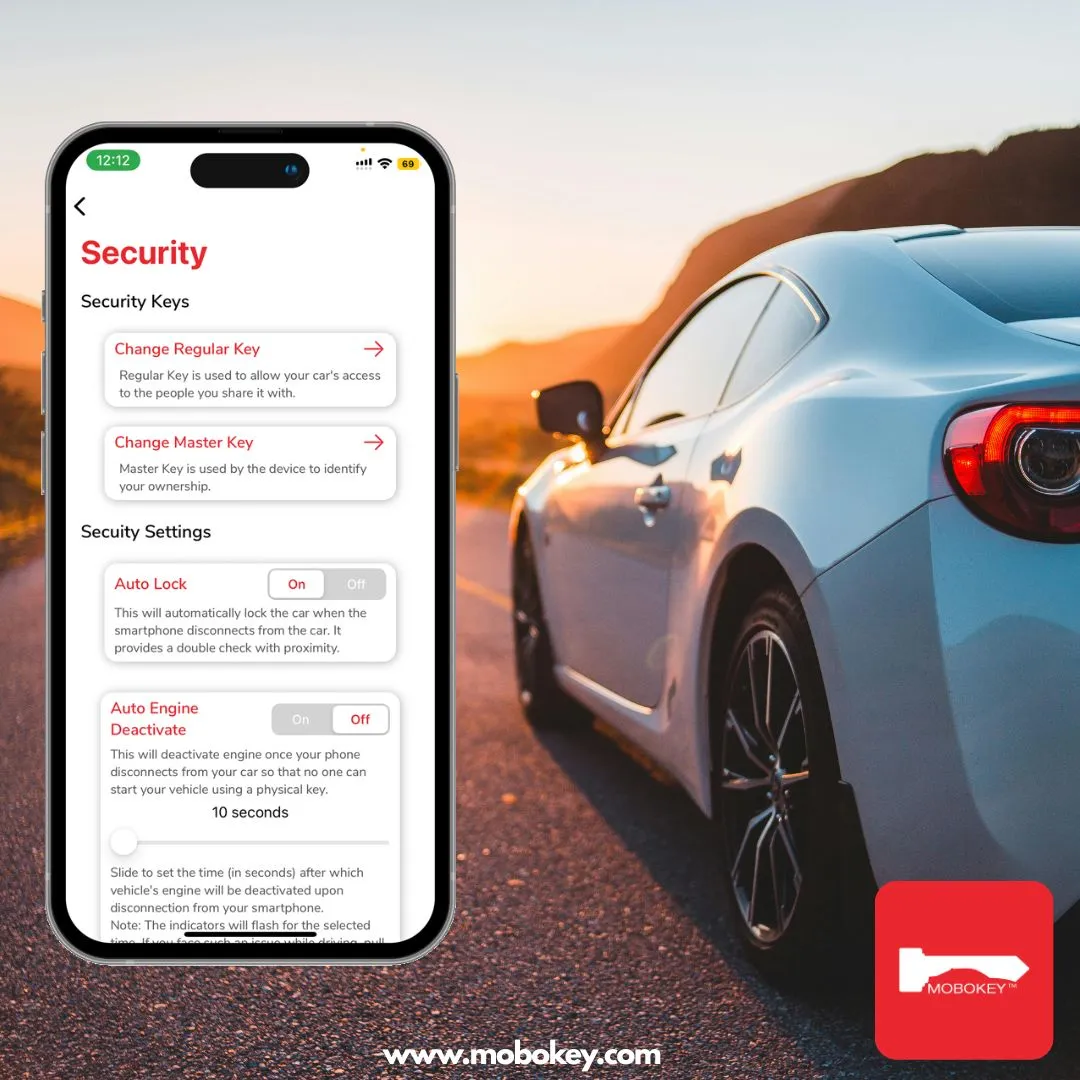
MoboKey does this from your phone with no subscription. One tap starts the engine over encrypted Bluetooth, from 100 to 350 feet away — inside most homes. It works on over 90% of vehicles, including push-button start cars. For added protection, the app includes a remote engine kill, so a stolen car can be shut down and immobilized from anywhere.
How long should that warm-up run? Only a few minutes — the engine itself needs just 30 seconds. Our guide to how long you should warm up your car covers the myth and the math. If you are still choosing a system, compare the remote start smartphone app options for any car.
Frequently Asked Questions: Puffing Laws and Warm-Up Theft
Warming up is legal; leaving the car running unattended with keys inside often is not. Many states and cities fine this practice, called puffing, typically $50 to a few hundred dollars. Remote-started cars with locked doors are usually exempt.
In some places, yes. Certain laws apply anywhere, including private driveways, while others exempt private property. City ordinances add another layer. Check your local rules — or use remote start, which most laws allow regardless of location.
Theft prevention. An idling car with keys inside is the easiest steal in a thief’s playbook, and stolen-while-warming-up reports spike every winter. The fines exist to break the habit before the theft happens.
Usually comprehensive coverage applies, but claims can get complicated when keys were left in an unlocked, running car. Some policies scrutinize such claims closely. Locked doors and keys in your pocket keep both the thief and the adjuster satisfied.
In most places, yes — explicitly. Puffing laws target keys left in the ignition of unattended cars. A remote-started vehicle keeps its doors locked with no key inside, so lawmakers routinely wrote exemptions for it. Verify your state’s wording to be sure.
Remote start from indoors, doors locked, keys with you, for five minutes or less. Your cabin heats and the windshield defrosts, while the car stays sealed against thieves. MoboKey adds a remote engine kill as a final backstop.
Ready to go keyless? Visit mobokey.com or contact us today to get started.