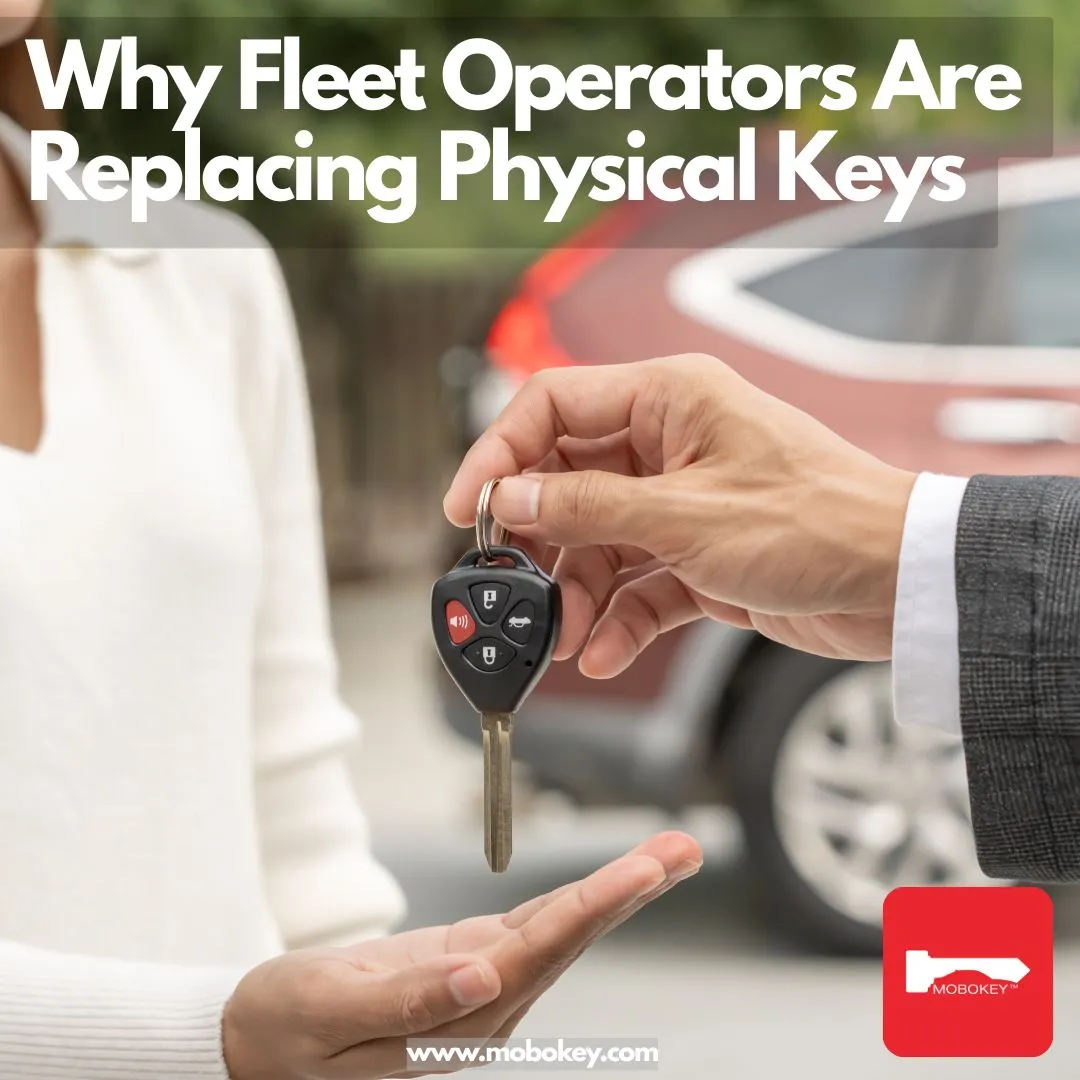
Replacing physical keys in fleet operations is one of the smartest moves a fleet manager can make today. Physical keys create daily friction, security gaps, and costs that add up fast. Replacing a single lost vehicle key costs between $500 and $1,500 once you factor in programming and downtime. Multiply that across a fleet and the numbers grow quickly. Meanwhile, 77% of Fortune 500 logistics firms fully digitized their fleet operations by the end of 2023. The shift away from physical keys is already well underway. MoboKey gives any fleet operator the tools to make that transition today.
Here is how MoboKey takes fleet operations fully digital and why more managers choose this approach every day.
Why Replacing Physical Keys in Fleet Operations Makes Financial Sense
Physical keys cost more than most fleet managers realize. The direct replacement cost is only the beginning. When a key goes missing, the vehicle goes out of service. Drivers sit idle. Jobs get delayed. That unplanned downtime costs the operation real money, sometimes hundreds of dollars per vehicle per day.
Furthermore, physical key management demands ongoing staff time. Someone must track which driver has which key, coordinate handovers across shifts, and chase down unreturned keys at the end of each rental or assignment. Across a fleet of ten or more vehicles, that overhead becomes a significant burden.
Additionally, spare key systems create their own problems. Operators store backups, track their location, and replace them when they go missing too. The whole process is expensive and difficult to scale. As a result, replacing physical keys in fleet operations with a digital solution removes that overhead entirely and replaces it with an automated, trackable system.
Fleets that complete digital transformation report 34 to 58% lower total maintenance costs and far fewer unplanned disruptions. Moreover, fleet software delivers an average ROI of 3.2 times the investment within 18 months for 85% of users. The financial case for going keyless is strong.
The Security Case for Going Fully Digital
Physical keys create security vulnerabilities that fleet managers often underestimate. A key that passes from one driver to the next carries no real accountability. Drivers can copy it without your knowledge. They can use it outside of approved hours. And when a driver leaves the company, that key becomes a liability.
Digital key systems solve all of these problems at once. With MoboKey, every access event logs automatically. Fleet managers see exactly who accessed which vehicle and at precisely what time. When a driver’s assignment ends, their access ends too. There is no key to collect and no risk that a former employee retains access to your vehicles.
MoboKey also uses Bluetooth rather than internet-based transfers for digital key delivery. Consequently, keys never travel over an open network, which makes the system more secure than many cloud-only alternatives. In addition, MoboKey’s proximity engine control feature means the vehicle only starts when the authorized driver is physically nearby. This prevents unauthorized use even when someone else holds the driver’s phone.
How MoboKey Makes the Switch Simple
One concern fleet managers often raise is complexity. Replacing physical keys in fleet operations sounds like a big project. In practice, MoboKey makes the transition straightforward. Operators fit each vehicle with a MoboKey Pro device and connect it to the platform. The whole setup process takes less than a day for most fleets.
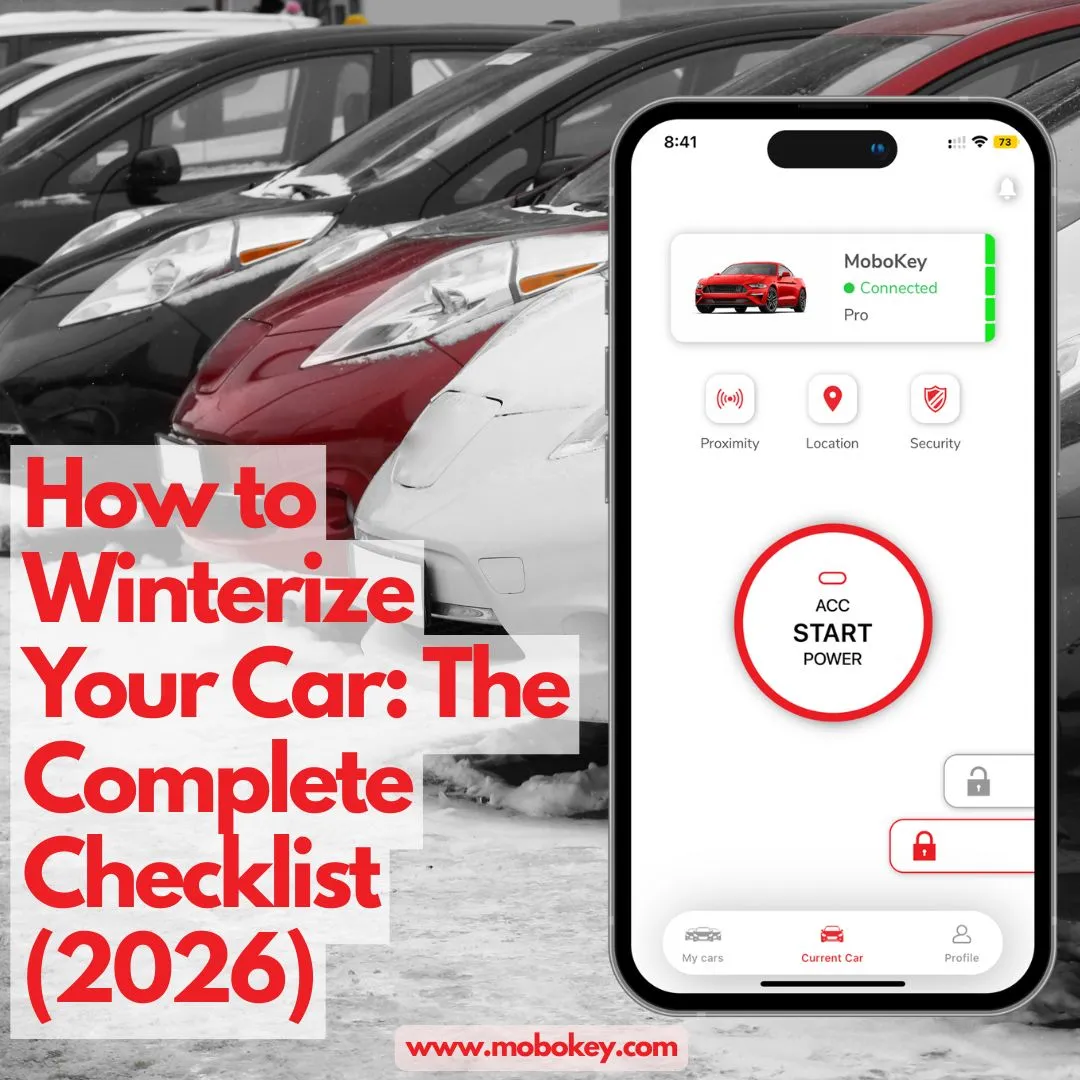
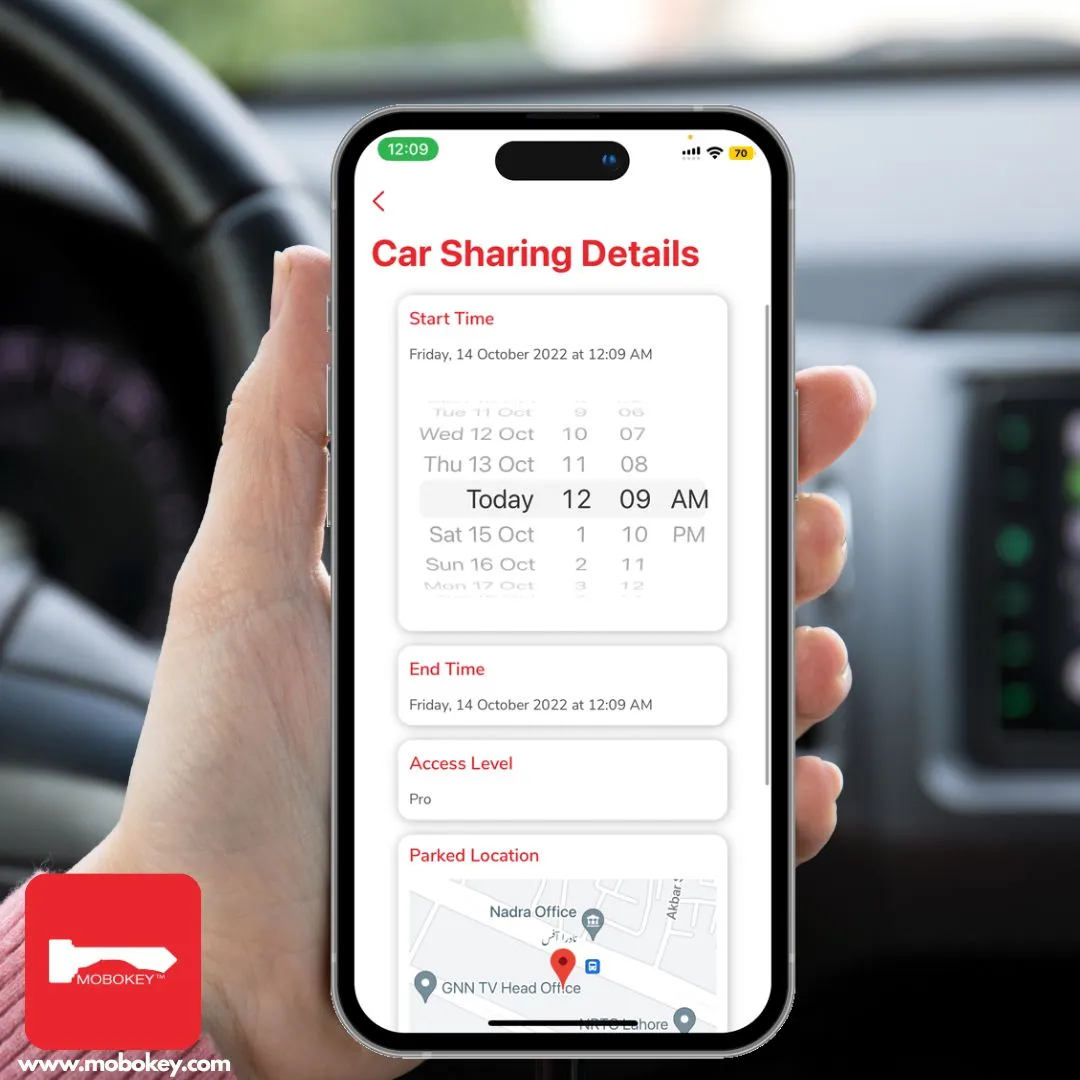
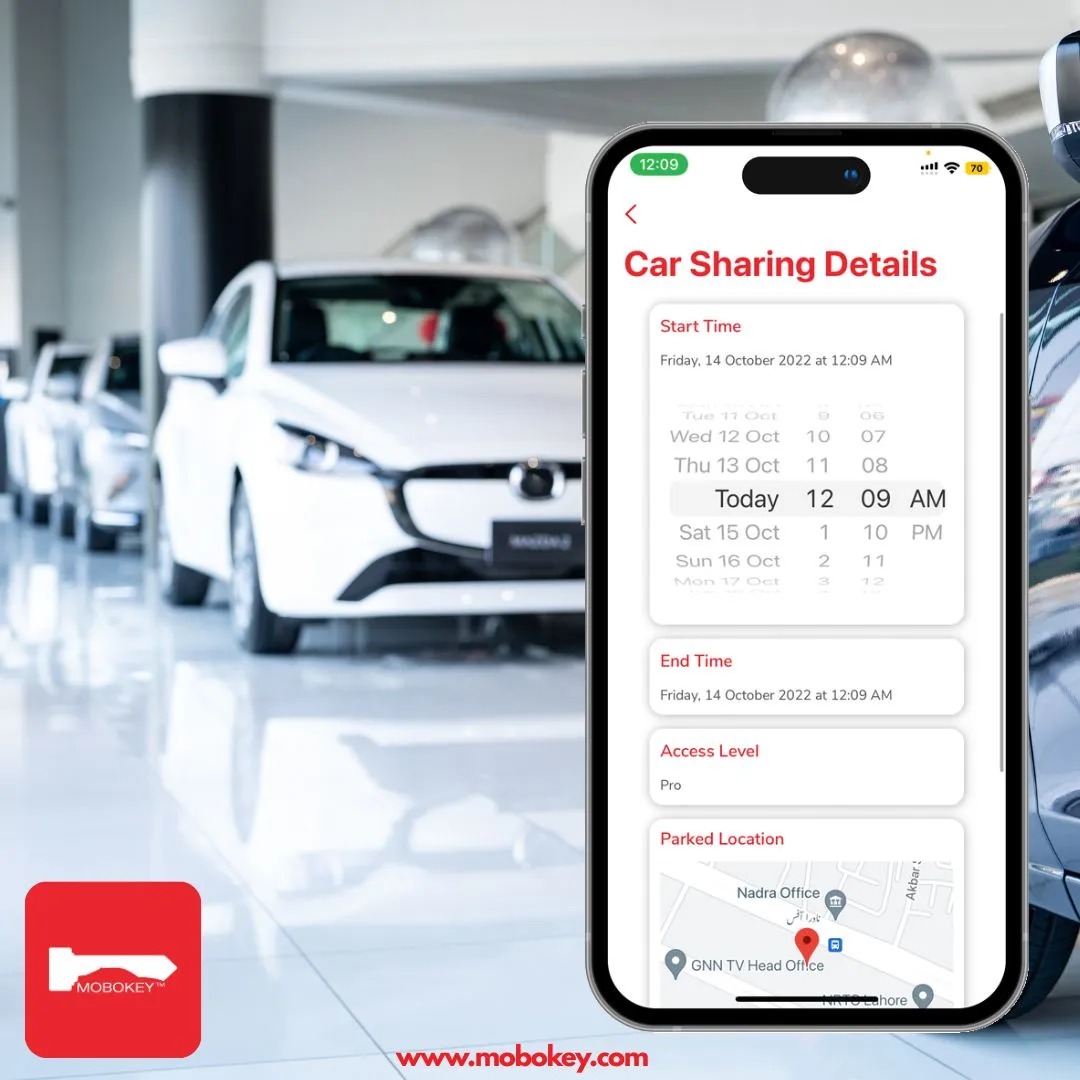
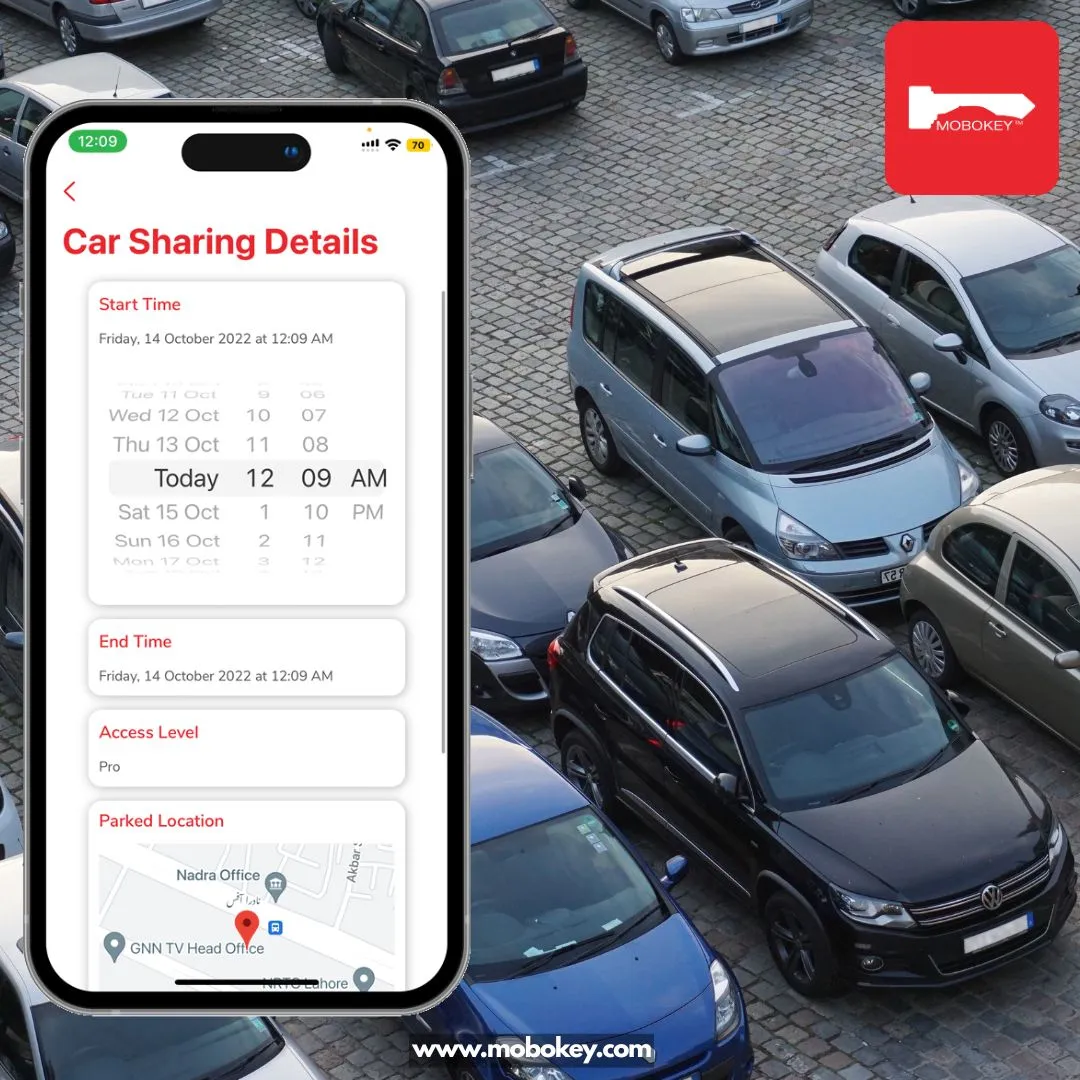
From there, managers assign digital keys to specific drivers through a single dashboard. Each key carries a defined time window and vehicle permission. Drivers receive access on their smartphones and use the MoboKey app to lock and unlock their assigned vehicle. When the window expires, access ends automatically. The manager needs no follow-up and no physical interaction at any point.
For fleets that run scheduling, HR, or booking software, MoboKey also offers an API and SDK for system integration. As a result, vehicle access connects directly to your existing workflows rather than running as a separate process. This makes the day-to-day operation even smoother for both managers and drivers.
What the Switch Looks Like Day to Day
Once a fleet moves to MoboKey, the daily experience changes significantly for everyone involved. Drivers no longer wait for a key handover at the start of a shift. They receive their digital key before they even arrive at the vehicle. They walk up, unlock through the app, and drive. At the end of the shift, they lock the car through the app and their access closes instantly.
Fleet managers, meanwhile, gain a level of oversight that physical keys simply cannot offer. They see every vehicle in real time. They track access events without relying on paper logs. They update or revoke permissions remotely as circumstances change. Therefore, the entire access management process moves from reactive to proactive.
MoboKey runs on a one-time hardware investment per vehicle with no annual fees and no commission on bookings. That cost model makes replacing physical keys in fleet operations affordable for businesses of any size, from a single shared vehicle to a fleet of hundreds.
According to Fleetio, modernizing fleet key management is one of the highest-impact steps a fleet operation can take. MoboKey delivers exactly that, with the reliability and simplicity that modern fleet managers need.
Ready to go keyless? Visit mobokey.com or contact us today to get started.
Download the application here: Go to Play Store or App Store!