Entering the shared mobility market is a high-yield investment, but for many entrepreneurs, the “black box” of initial costs is the biggest hurdle. In 2026, the car sharing startup cost is no longer just about buying vehicles; it’s about the synergy between hardware, software, and operational efficiency. To build a profitable platform, you must balance your Capital Expenditure (CAPEX) with a lean Operating Expense (OPEX). This guide breaks down exactly what you need to budget for, from your first digital key to your global scaling strategy.
1. Primary Cost Factors: Setting the Foundation
The total cost to launch depends largely on your “Make vs. Buy” decision for technology. In 2026, most startups opt for white-label solutions to hit the market in weeks rather than months.
Breakdown of Initial Investment
| Category | Estimated Cost (Small Fleet: 5–10 Cars) | Expected Timeline |
| Legal & Licensing | $2,000 – $5,000 | 2–4 Weeks |
| Fleet Acquisition (Down Payments) | $25,000 – $50,000 | 1–3 Weeks |
| Insurance Setup | $3,000 – $7,000 | 2 Weeks |
| Technology & Hardware | $5,000 – $15,000 | 1 Week |
| Total Estimated Launch Cost | **$35,000 – $77,000** | Ready in < 2 Months |
2. Hardware: The Gateway to Automation
In a modern car-sharing business, the “hardware” is the bridge between your app and the vehicle’s ignition. Traditional rental models required physical offices; today, your hardware is your office.
Key Hardware Expenses
-
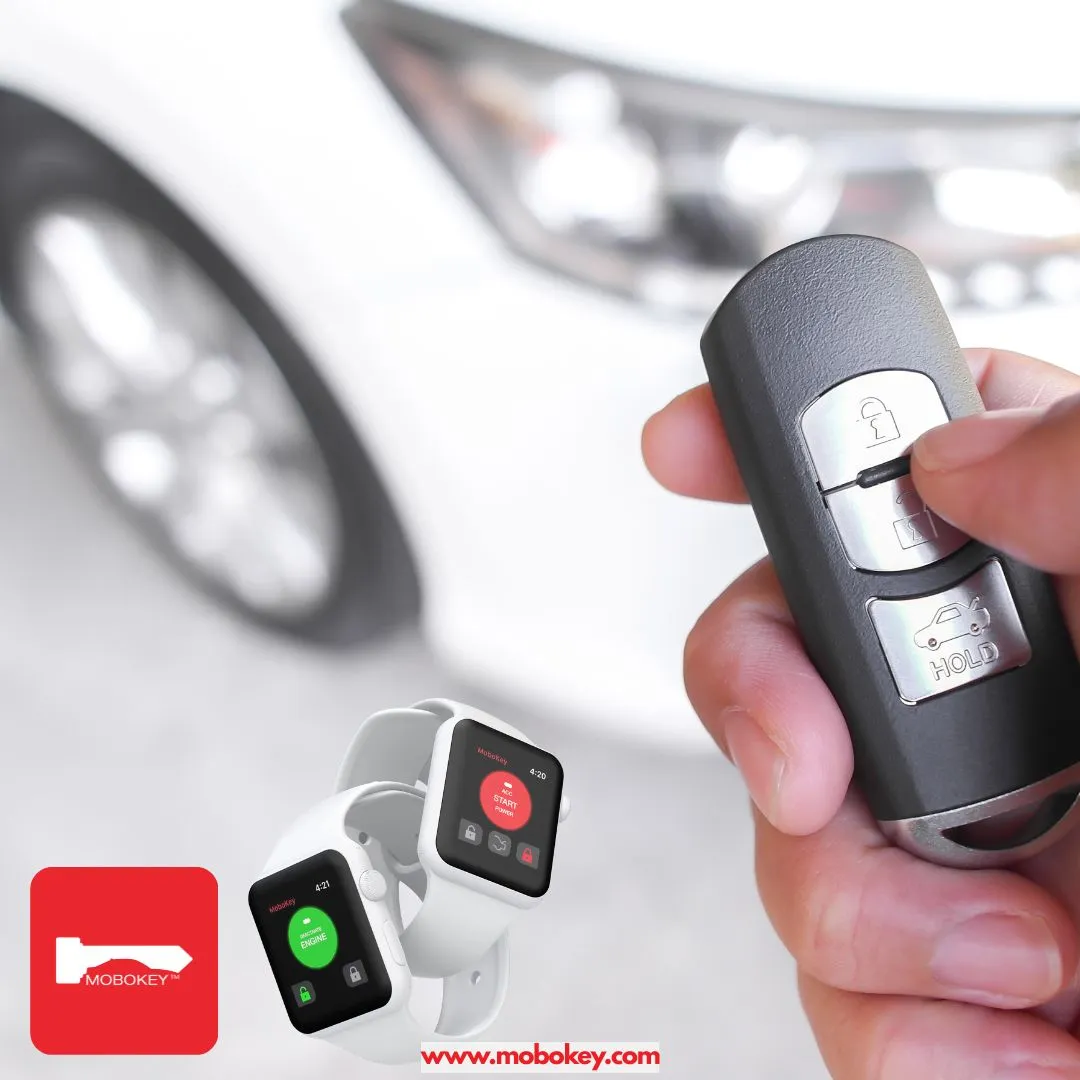
Telematics & Access Units: To start a car sharing business, you need hardware that allows users to unlock cars via Bluetooth or LTE.
-
Installation Costs: Professional installation of these units typically costs between $150 and $300 per vehicle.
-
Security Features: Advanced hardware now includes remote engine mobilization (kill switches) to prevent theft.
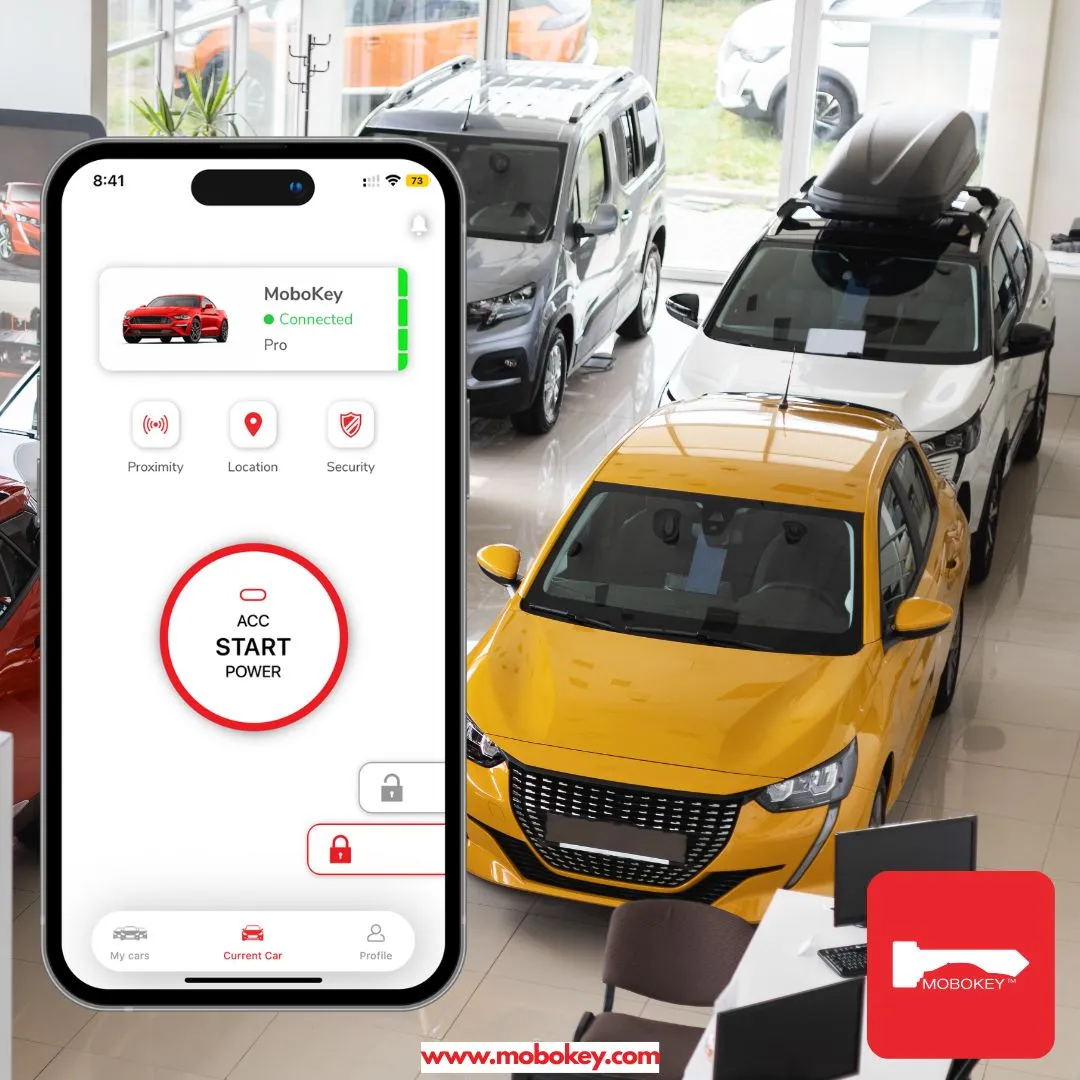
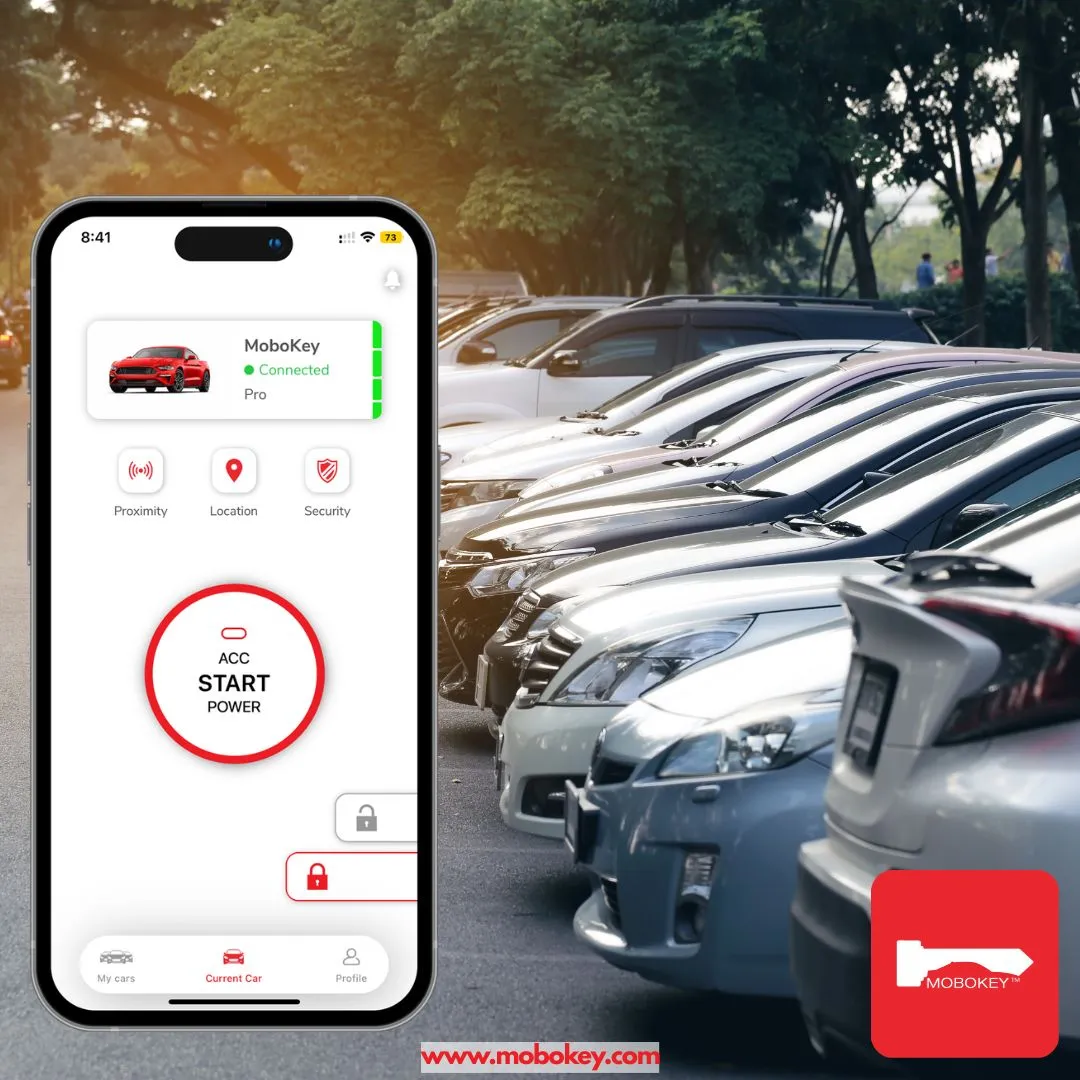
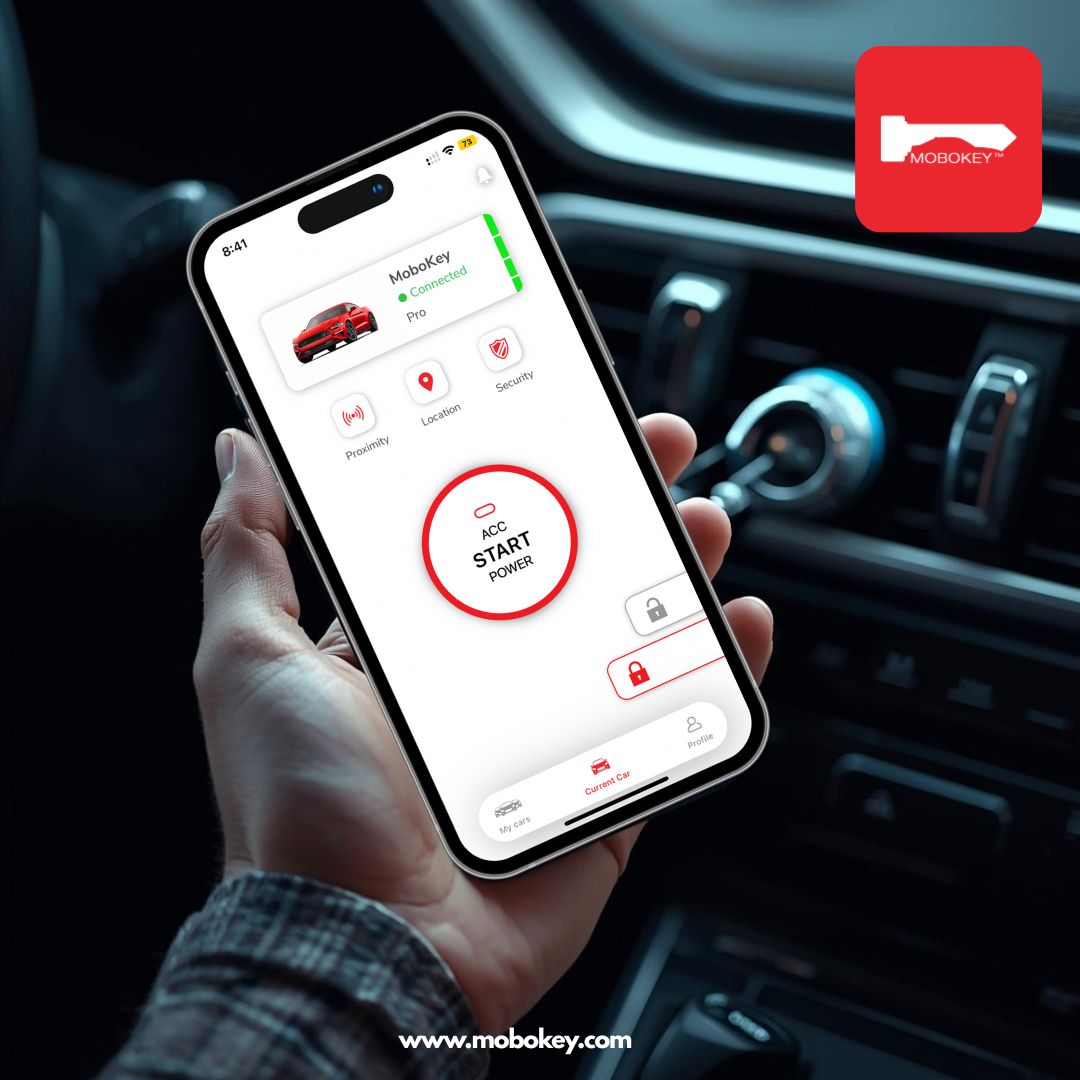
Pro Tip: Many hardware providers charge a “monthly connectivity fee” per car. Look for solutions like MoboKey that offer a one-time hardware purchase to eliminate these recurring drains on your margin.
3. Software: White-Label vs. Custom Build
The software is your brand’s face. In 2026, users expect a “three-tap” booking process: find, book, and unlock.
Software Cost Comparison Table
| Feature | White-Label Solution | Custom Development |
| Upfront Cost | $2,000 – $15,000 | $20,000 – $250,000+ |
| Monthly Fees | $200 – $1,000 | Variable (Server/Dev Team) |
| Time to Market | 2–4 Weeks | 6–12 Months |
| Maintenance | Included by Provider | $1,000+/year |
| Best For | Bootstrapped Startups | Funded Enterprises |
A standard software stack must include:
-
Rider App: For discovery, booking, and digital key access.
-
Driver/Fleet App: For cleaning crews and maintenance teams.
-
Admin Dashboard: For real-time GPS tracking, revenue analytics, and user management.
4. Operational Costs: Managing the “Daily Burn”
Operational costs are the “hidden” expenses that can erode your ROI if not tracked meticulously.
Typical Monthly OPEX (Per Vehicle)
-
Commercial Insurance: $150 – $300 (Depends on region and vehicle value).
-
Parking/Depot Fees: $50 – $200 (Lower for free-floating models).
-
Cleaning & Maintenance: $80 – $150 (Essential for user retention).
-
Customer Support: $20 – $50 (Often outsourced or handled via AI chatbots).
The “Silent” Variable: Fuel and Charging
If you run an EV fleet, charging infrastructure is an upfront cost, but your “fuel” cost per mile drops by nearly 60% compared to internal combustion engines.
5. Scaling: Costs of Growing Your Fleet
Once you prove the model with 5 cars, scaling to 50 involves more than just buying 45 more vehicles.
Scaling Milestones
-
5–20 Cars: Managed by the founder with 1 part-time cleaner.
-
20–100 Cars: Requires a dedicated Fleet Manager and specialized Fleet Management Software (FMS).
-
100+ Cars: Requires regional hubs, dedicated maintenance staff, and high-level marketing spend (approx. 10–15% of gross revenue).
6. Cost Optimization with MoboKey
The single biggest drain on car-sharing startups is the per-vehicle monthly subscription fee charged by software and hardware providers. These “platform fees” can eat up 10–20% of your gross profit.
MoboKey changes the math. By providing a robust hardware solution with a lifetime app license, MoboKey allows you to:
-
Remove Monthly Fees: Pay once for the hardware and never see a “per-car” bill again.
-
Reduce On-Site Staff: Fully automate the key exchange, allowing for a 100% remote operation.
-
Simplify Tech Integration: Our car sharing solution integrates directly with your branded app, saving you thousands in custom API development.
Secure Your Profit Margins
Why pay every month for a car you already own? If you are looking to lower your car sharing startup cost and maximize your 2026 revenue, it starts with the right hardware.
Get MoboKey Pricing & Start Your Fleet Today
Download the MoboKey App from the App Store or Play Store.