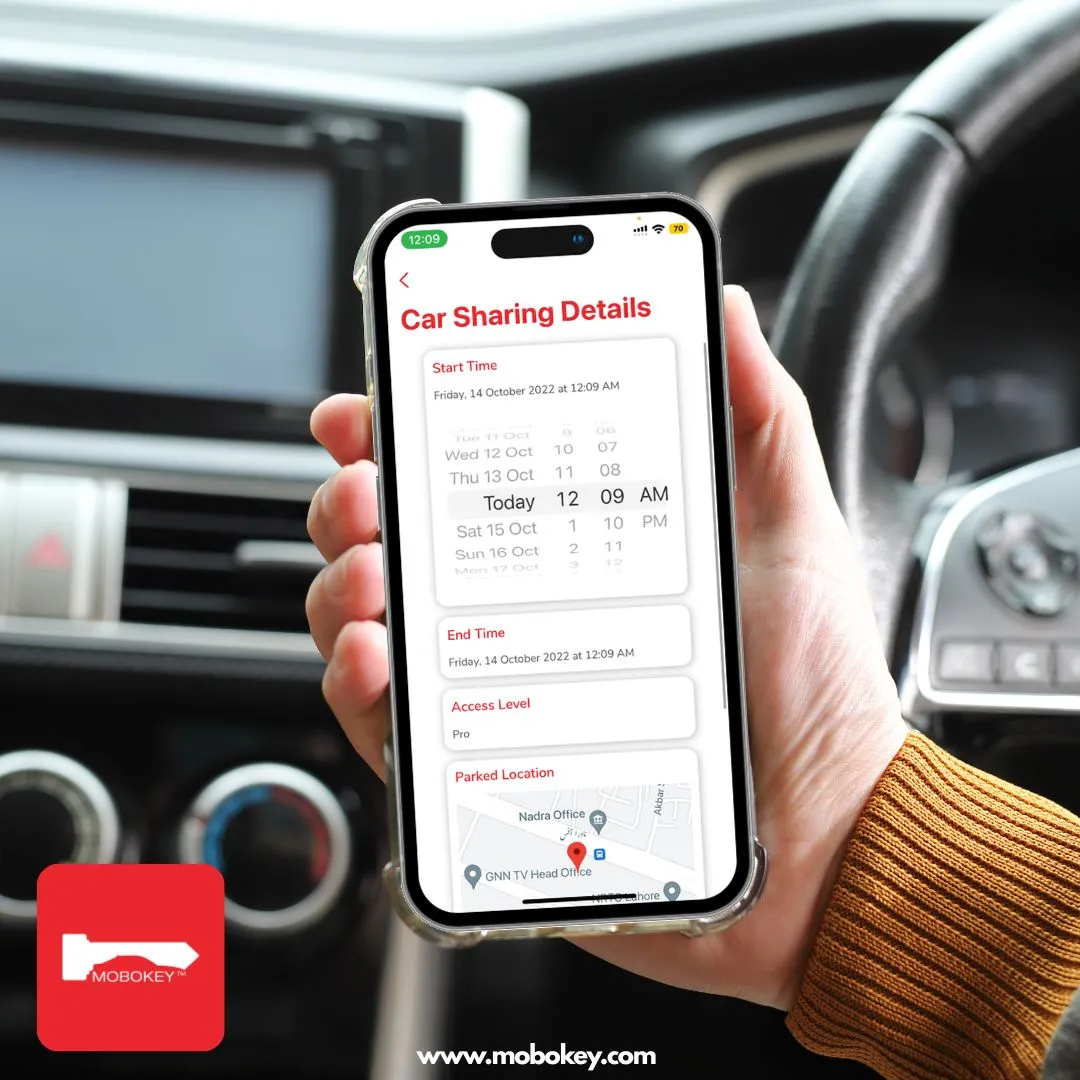
In the rapidly shifting landscape of 2026, car sharing has moved far beyond a niche urban convenience. It is now a $15 billion global industry and a cornerstone of corporate mobility and decentralized rental operations. For B2B operators, the “standard” technology that was acceptable just two years ago was relying on 4G cellular signals and basic GPS tracking. The modern car-sharing system is no longer just about tracking a car; it is about predictive uptime, seamless user access, and aggressive asset protection. This comparison guide breaks down the critical technical and financial benchmarks you must evaluate when choosing a car-sharing platform in 2026.
The Problem: The High Cost of Tech Failure
In 2026, the cost of a car-sharing system failing is no longer just a missed rental; it’s a permanent hit to your unit economics.
-
The “Connectivity Trap”: Systems that rely 100% on cellular signals (GSM) often fail in underground airport garages, rural dead zones, or “urban canyons.” If a renter can’t unlock a car in a parking deck, they don’t just complain—they churn to a competitor.
-
High Maintenance Latency: Without predictive diagnostics, operators are stuck in a “reactive” cycle, only fixing vehicles after they break down. In 2026, every day of unplanned downtime costs a fleet an average of $300 to $500 in lost revenue.
-
The “Subscription Squeeze”: Many legacy platforms charge high “per-car, per-month” fees that quietly eat 10–20% of your gross margins.
The Solution: The 2026 Tech Standard
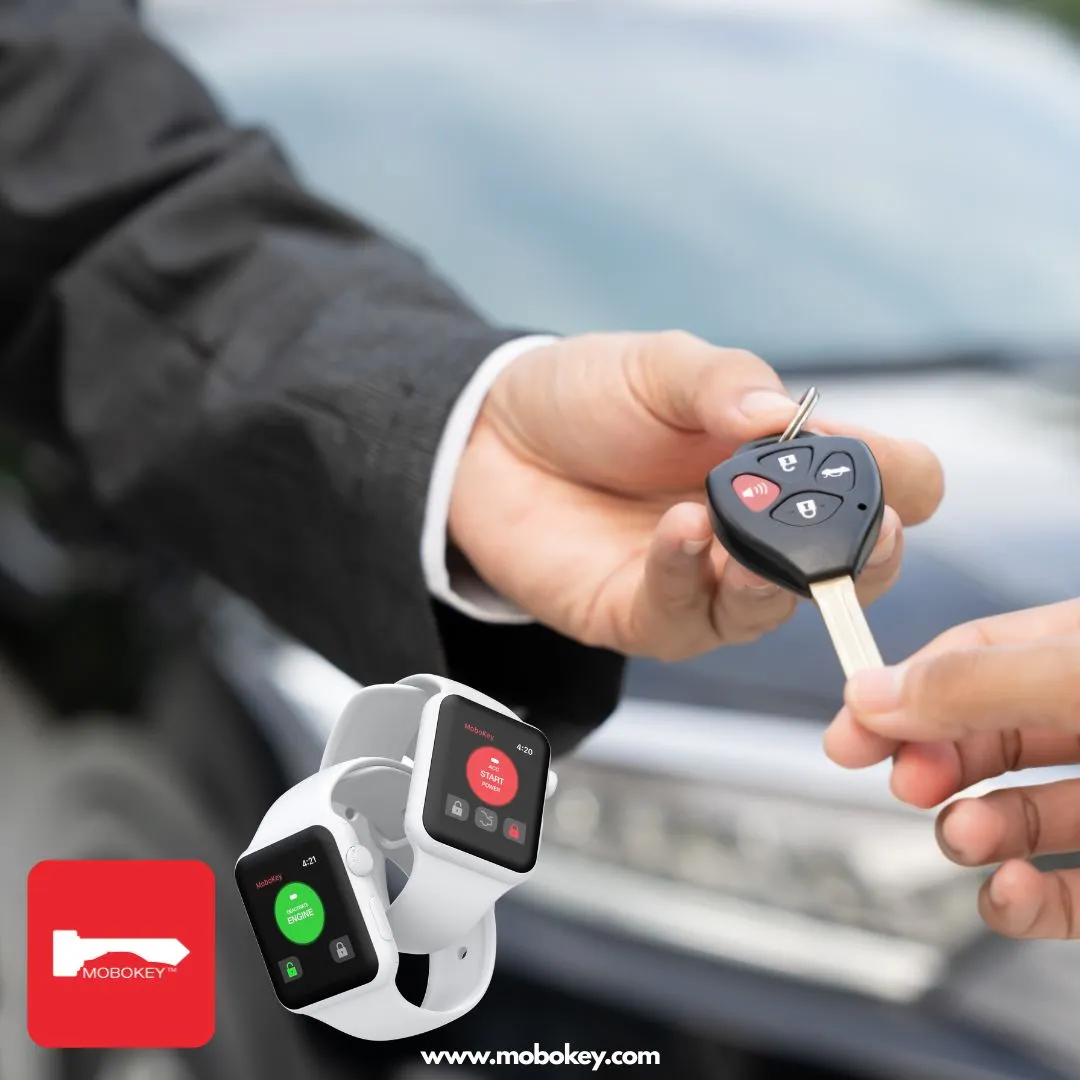
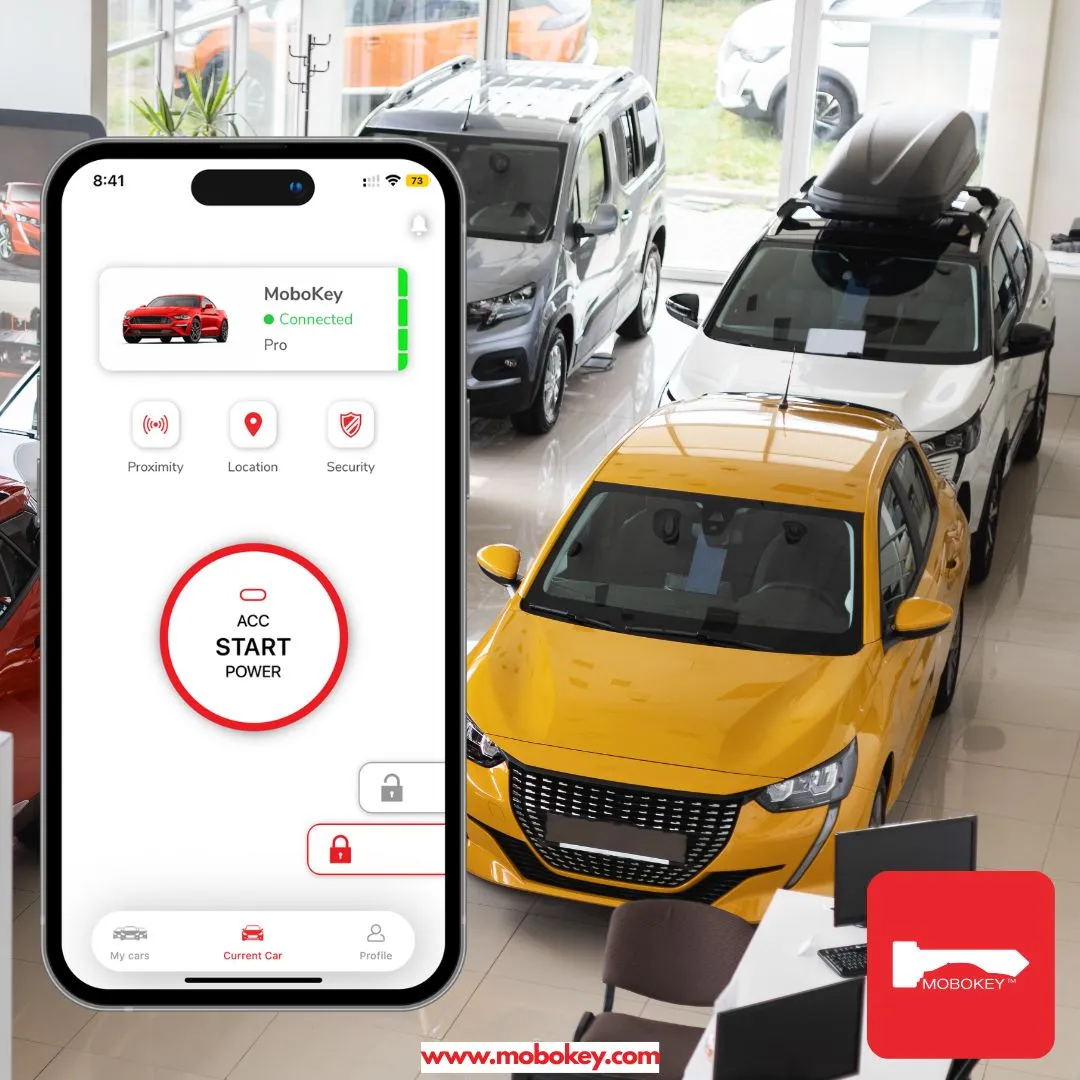
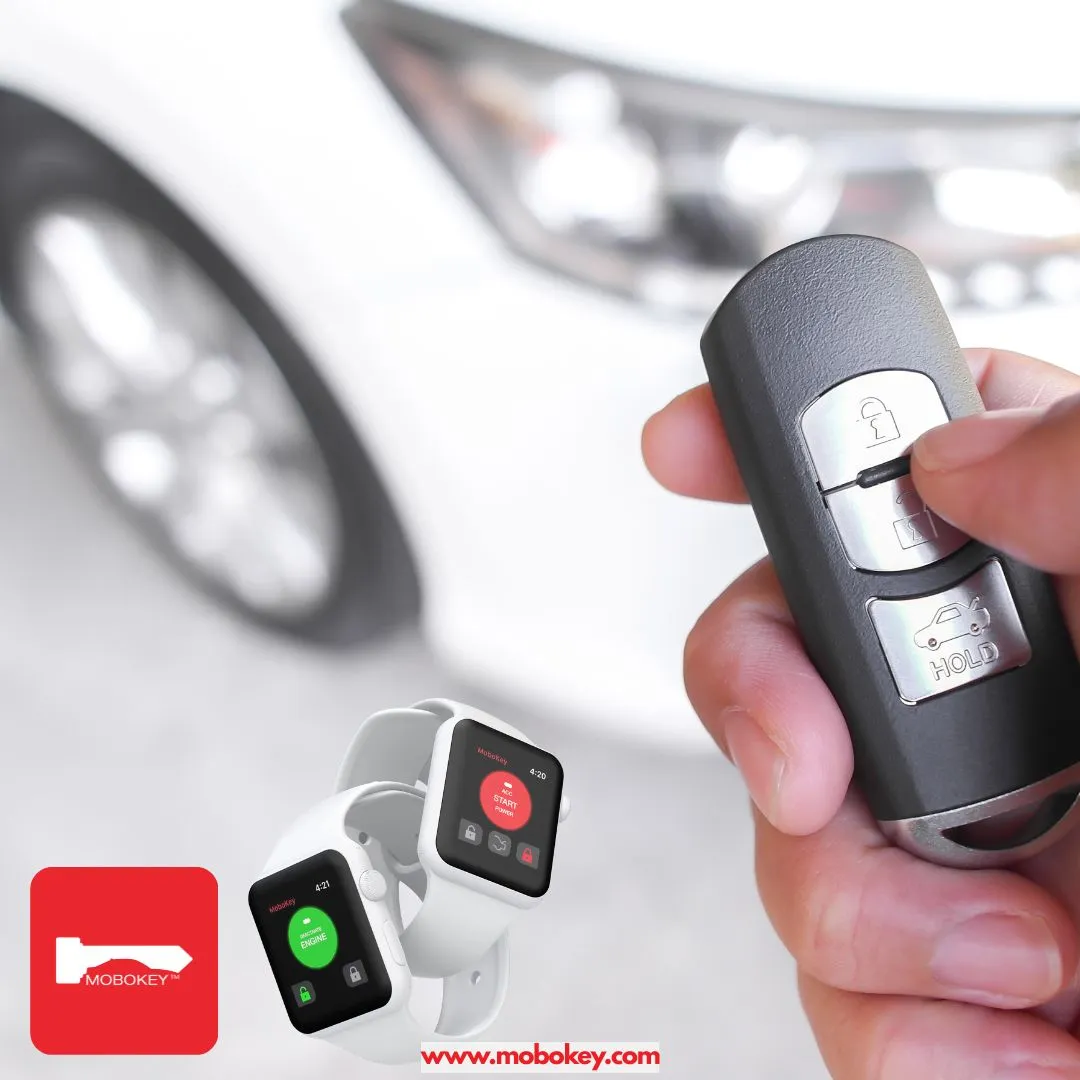
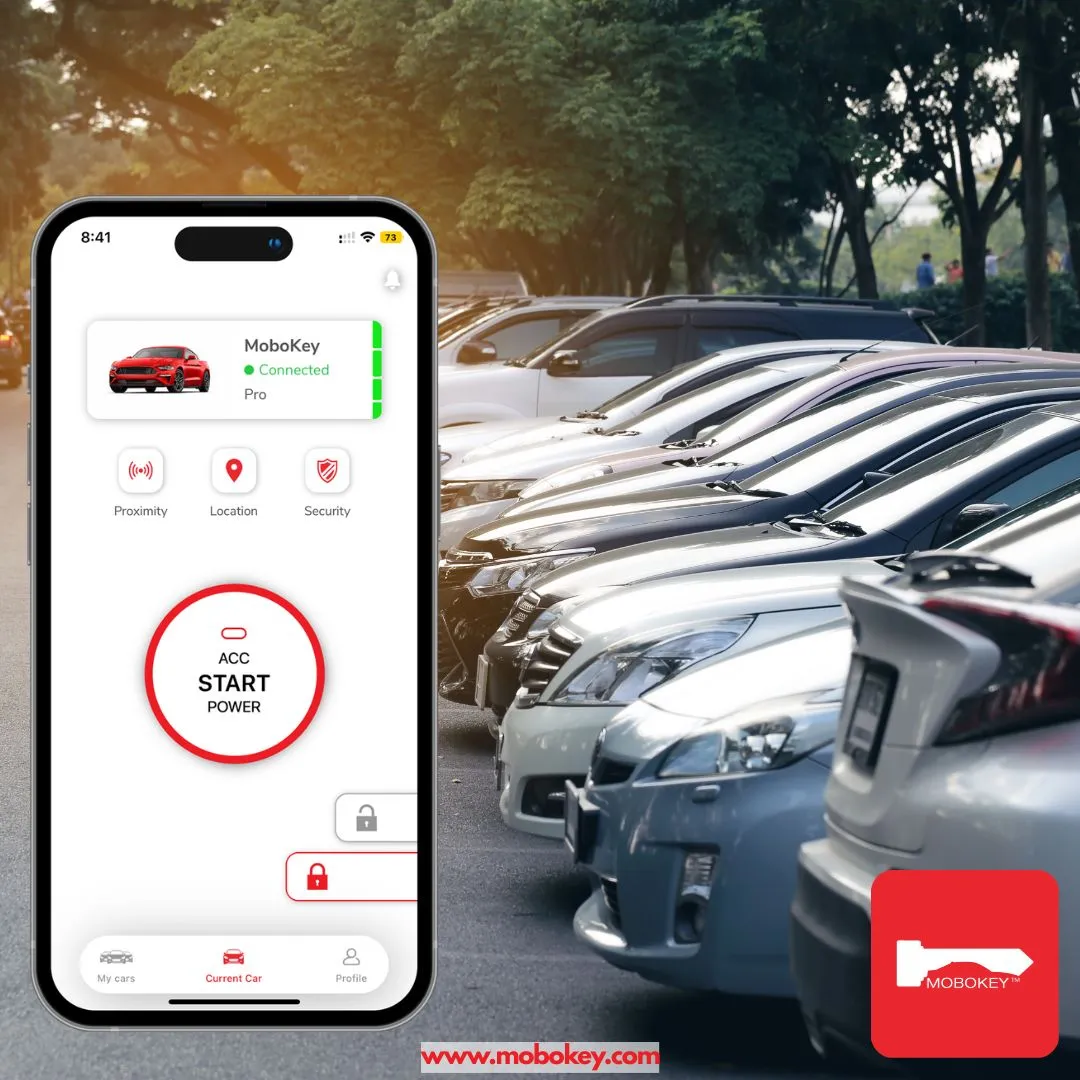
The next generation of car-sharing systems, led by platforms like MoboKey, utilizes a decentralized, hybrid approach. By combining Bluetooth Low Energy (BLE) for reliable local access with 5G/GSM for remote fleet management, these systems ensure that the “key” always works, regardless of signal strength.
Comparison: 2026 Feature Benchmark
| Feature | Legacy Systems (Pre-2024) | Modern Systems (2026 Standard) |
| Primary Connectivity | Cellular Only (GSM) | Hybrid (GSM + BLE 5.0+) |
| Access Hardware | Hardwired Black Box | Plug-and-Play / OBDII Options |
| Security | Passive GPS Tracking | Active Remote Immobilization |
| Pricing Model | High Monthly SaaS | One-Time Hardware / Scalable SaaS |
| Diagnostics | Reactive (Post-failure) | Predictive AI-Driven Alerts |
Critical Features to Evaluate in 2026
1. Hybrid Connectivity (The “No-Signal” Solution)
In 2026, Bluetooth is the primary key, and GSM is the secondary monitor. Your system must use Bluetooth for the “last-mile” interaction (unlocking/starting) to ensure reliability in parking garages. MoboKey’s hybrid system bridges this gap, giving you remote control from across the city with the local reliability of a physical key.
2. Remote Immobilization (The “Kill Switch”)
Passive tracking is no longer enough to lower insurance premiums in high-risk urban areas. Look for systems with Remote Engine Kill capabilities. Advanced systems now offer “Anti-Snatch” protection, which automatically immobilizes the engine if the authorized smartphone moves out of range while the car is running.
3. AI-Powered Predictive Uptime
The best car-sharing systems now transition from “maintenance reporting” to “real-time decisioning”. Look for software that monitors battery health, tire pressure, and engine fault codes in real-time, alerting you before a breakdown occurs. This “predictive uptime” is the single biggest factor in improving fleet ROI in 2026.
4. White-Label Branding & API Flexibility
For startups and SMEs, building an app from scratch is a $50k+ gamble. Choose a partner that offers a high-quality white-label app. This allows you to launch your own branded experience in weeks while keeping the backend “heavy lifting” handled by a proven platform.
ROI: Calculating the Commercial Value
Investing in a modern car-sharing system is a move toward long-term unit economics.
-
Savings on Lost Keys: Replacing physical fobs costs $200–$600 each. Digital keys reduce this to zero.
-
Operational Savings: Telematics-driven automation can save over $23 USD per vehicle, per month in fuel monitoring and maintenance efficiency alone.
-
Margin Protection: Avoid commission-based platforms that take 10–20% of your revenue. Opt for a SaaS model (like MoboKey Go) that keeps your software costs under 1% of your total revenue.
Maximize your utilization. Explore our Fleet Access Control solutions or discover how Digital Keys compare to traditional fobs.
Conclusion: Scalability on Your Terms
The car sharing system comparison for 2026 shows a clear divide: between legacy systems that add complexity and modern platforms that remove friction. To succeed in this maturing market, you need a partner that provides offline reliability, active security, and transparent pricing. By choosing the right tech stack today, you aren’t just buying software—you are buying the freedom to scale your fleet on your own terms.
Ready to see the future of fleet management? Talk to our Experts.
Download the application here: Go to Play Store or App Store!