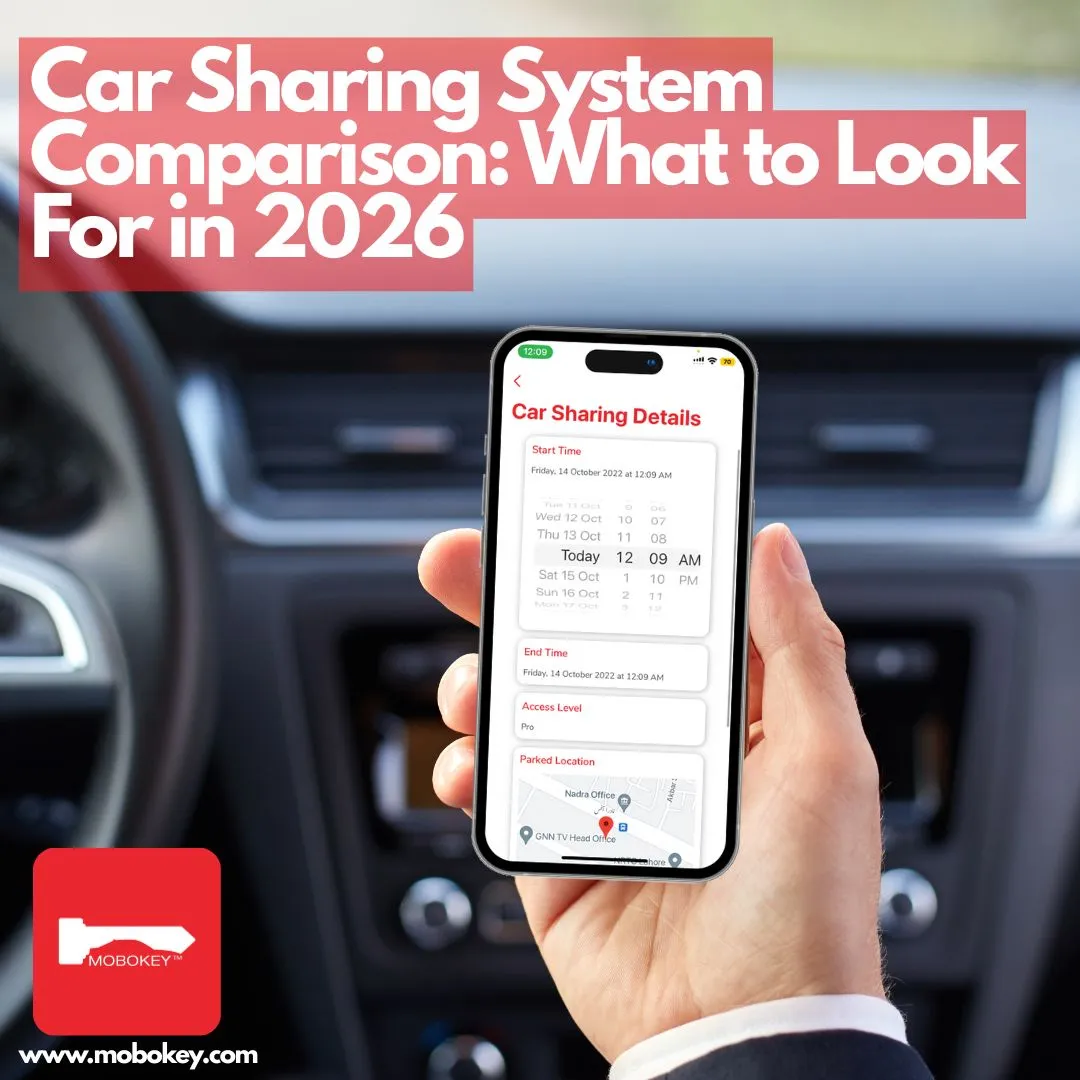
The car-sharing market has reached a point of maturity where “basic” functionality is no longer enough to stay competitive. In 2026, the industry is shifting its focus from simple expansion to long-term unit economics and operational profitability. For fleet operators, the difference between a high-maintenance burden and a scalable asset lies in the technology stack. When performing a car sharing system comparison, don’t just look at the price tag—look at how these five critical features will safeguard your ROI and user experience.
1. Reliability and Connectivity (Bluetooth vs. Cellular)
Connectivity is the most common point of failure for car-sharing platforms. Traditionally, systems relied on GSM/Cellular (LTE/5G) to send commands to the vehicle.
-
The Cellular Trap: While GSM allows for long-range control (unlocking a car from across the city), it is useless in underground parking garages, rural dead zones, or narrow urban canyons where signals drop.
-
The Bluetooth Advantage: Modern systems prioritize Bluetooth Low Energy (BLE). Because the smartphone communicates directly with the car hardware, the “key” works even with zero cellular signal.
-
2026 Standard: Look for Hybrid Systems. The best platforms use Bluetooth for the critical “last-mile” access (locking/unlocking) and GSM for backend fleet tracking and remote diagnostics.
2. User Interface and White Labeling Options
In 2026, 78% of users prefer AI-enhanced apps that offer personalized booking and vehicle settings.
-
The White-Label Edge: For startups and SMEs, building an app from scratch is a $50k+ gamble. A high-quality white-label solution allows you to launch your own branded app in weeks rather than months.
-
Personalization: Does the system remember a user’s preferred temperature? Does it match them with the vehicle type they use most often? AI-driven personalization is now a core requirement for customer retention.
3. Fleet Management Capabilities
A car-sharing system is more than just a key; it’s an administrative engine. Your dashboard should handle the “invisible” tasks that keep a fleet running.
-
Predictive Maintenance: The system should monitor mileage and engine fault codes in real-time, alerting you before a breakdown occurs.
-
Automated Identity Verification: Avoid the manual bottleneck of checking driver’s licenses. Modern systems integrate AI-powered KYC (Know Your Customer) to verify identities and scan licenses instantly during onboarding.
-
Automated Billing: From dynamic surge pricing to fuel/toll reimbursement, the platform must handle transactions without human intervention.
4. Security and Immobilization
Asset protection is the single biggest factor in lowering insurance premiums.
-
Remote Immobilization (Kill Switch): This is non-negotiable in 2026. In the event of theft or non-payment, you must be able to remotely disable the vehicle’s engine.
-
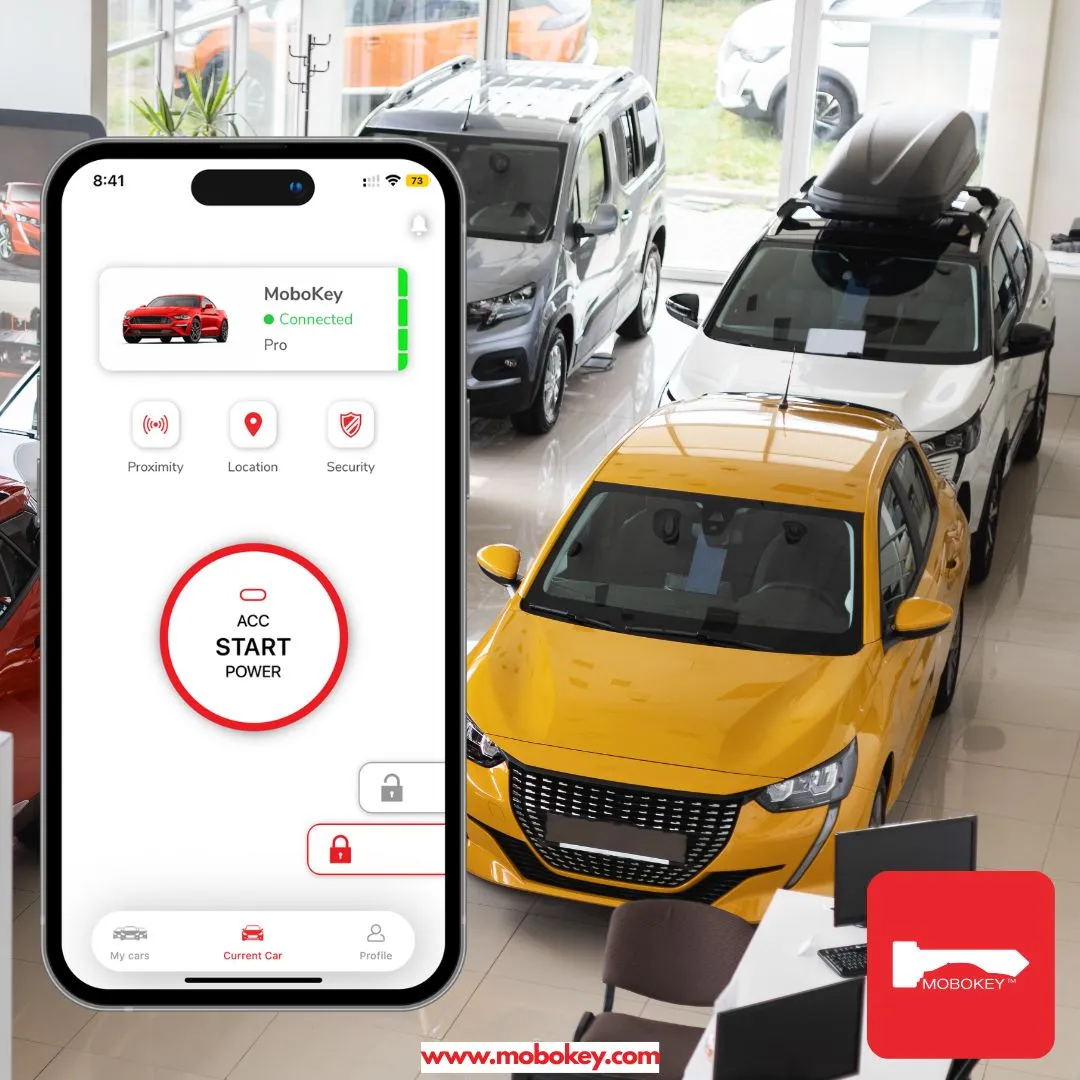
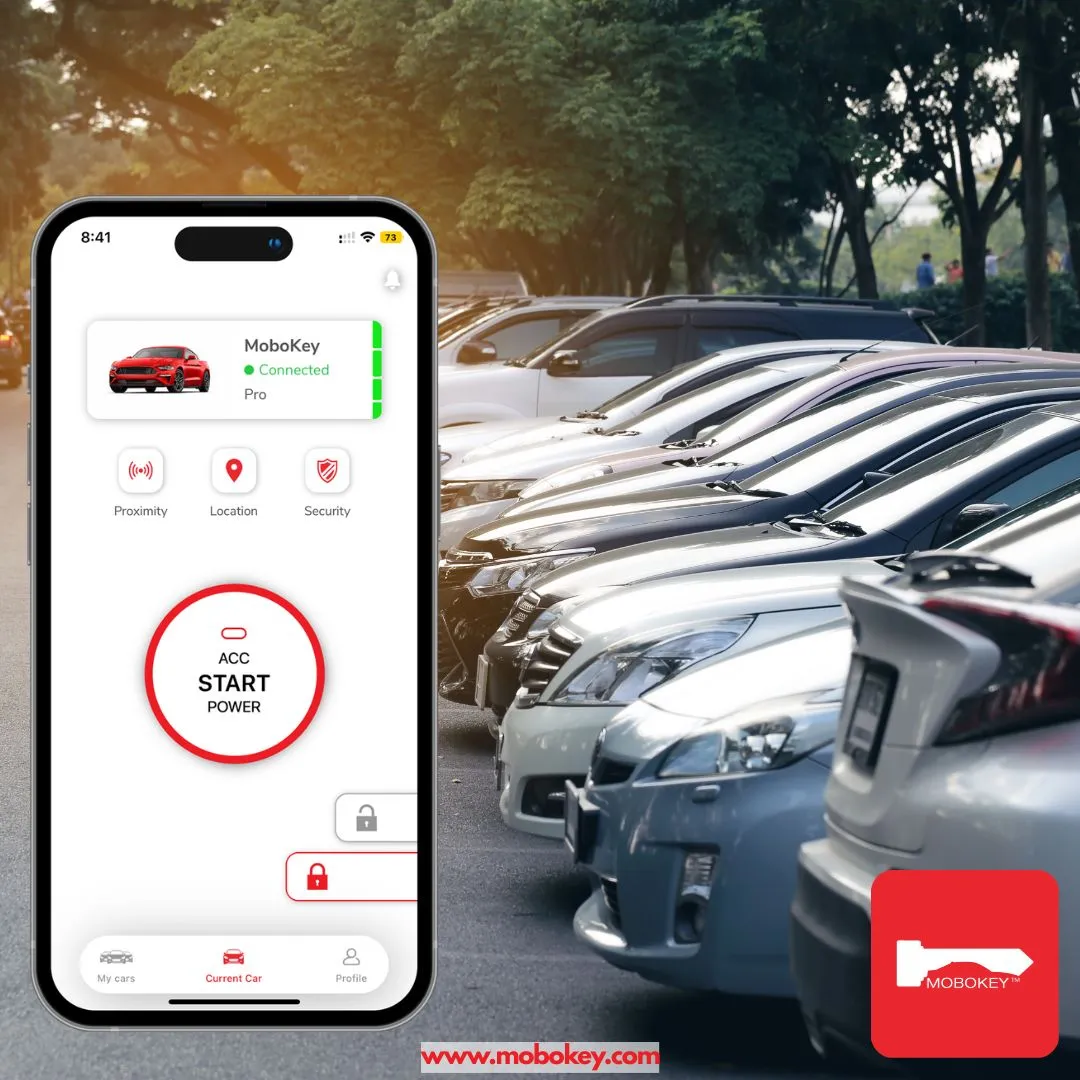
Anti-Snatch Protection: Advanced systems like MoboKey offer “Anti-Snatch” modes that automatically immobilize the engine if the authorized smartphone moves out of range while the car is running.
-
Audit Trails: Ensure every lock, unlock, and engine start is logged with a timestamp and user ID to ensure total accountability.
5. API Integrations and Scalability
Your system must be able to “talk” to the rest of your business.
-
API First: Can the system integrate with your existing accounting software, CRM, or a third-party MaaS (Mobility as a Service) aggregator?.
-
Hardware Agnostic: Avoid “vendor lock-in.” The best software can manage a diverse fleet, whether you’re using high-end EVs or older internal combustion vehicles.
The Verdict: How to Choose
When comparing car-sharing systems, prioritize offline reliability (Bluetooth) and security (Immobilization). A slick app doesn’t matter if the customer can’t unlock the car in a parking garage.
Ready to see a system that hits all these marks? Schedule a Demo with our Fleet Experts Today.