
Growing a car sharing business from a few vehicles to a full fleet sounds straightforward. Buy more cars, get more bookings, earn more revenue. In practice, every vehicle added to the fleet multiplies the operational complexity. The systems that work for 5 vehicles rarely work for 50. Scaling a car sharing business requires infrastructure that grows with the fleet, not alongside it. This guide covers what that infrastructure looks like at each stage of growth.
Why Most Car Sharing Businesses Stall Before They Scale
The first few vehicles in a car sharing operation are easy to manage manually. The operator knows each car’s location, who has it, and when it returns. They handle key exchanges in person and track everything in a spreadsheet.
This works until it does not. At five vehicles, the cracks start to show. At ten, the manual systems break. The operator spends more time managing operations than growing the business. They cannot add vehicles faster than they add headcount to manage them.
The root problem is that physical key management and manual coordination do not scale. Each new vehicle adds another key to track and another handoff to arrange. This insight separates car sharing businesses that scale from those that plateau. Operators who solve this early scale faster than those who wait.
What Happens When You Start to Scale Your Car Sharing Business
The jump from five to twenty vehicles is where early decisions show their weight.
At five vehicles, a missed key return is an inconvenience. For twenty, it blocks two or three other bookings simultaneously. For five, a late renter is a phone call. At twenty, it is a pattern that requires a system to address.
Furthermore, customer volume grows alongside vehicle count. More bookings mean more renter communication, more pickup coordination, and more disputes to resolve. An operator managing this solo now needs a platform to handle routine tasks automatically.
Additionally, vehicle maintenance scheduling becomes harder to track manually. A vehicle that needs service but is still in rotation creates customer satisfaction problems. It also accelerates wear and increases the risk of breakdown during a rental.
Revenue tracking also becomes more complex. At five vehicles, profit and loss is visible. At twenty, it requires a dashboard. An operator without one is making fleet decisions based on intuition rather than data.
What It Takes to Scale a Car Sharing Business to 50 Vehicles
Getting to 50 vehicles while keeping the team lean requires three things. Those are automated access, centralized oversight, and a growth-friendly cost structure.
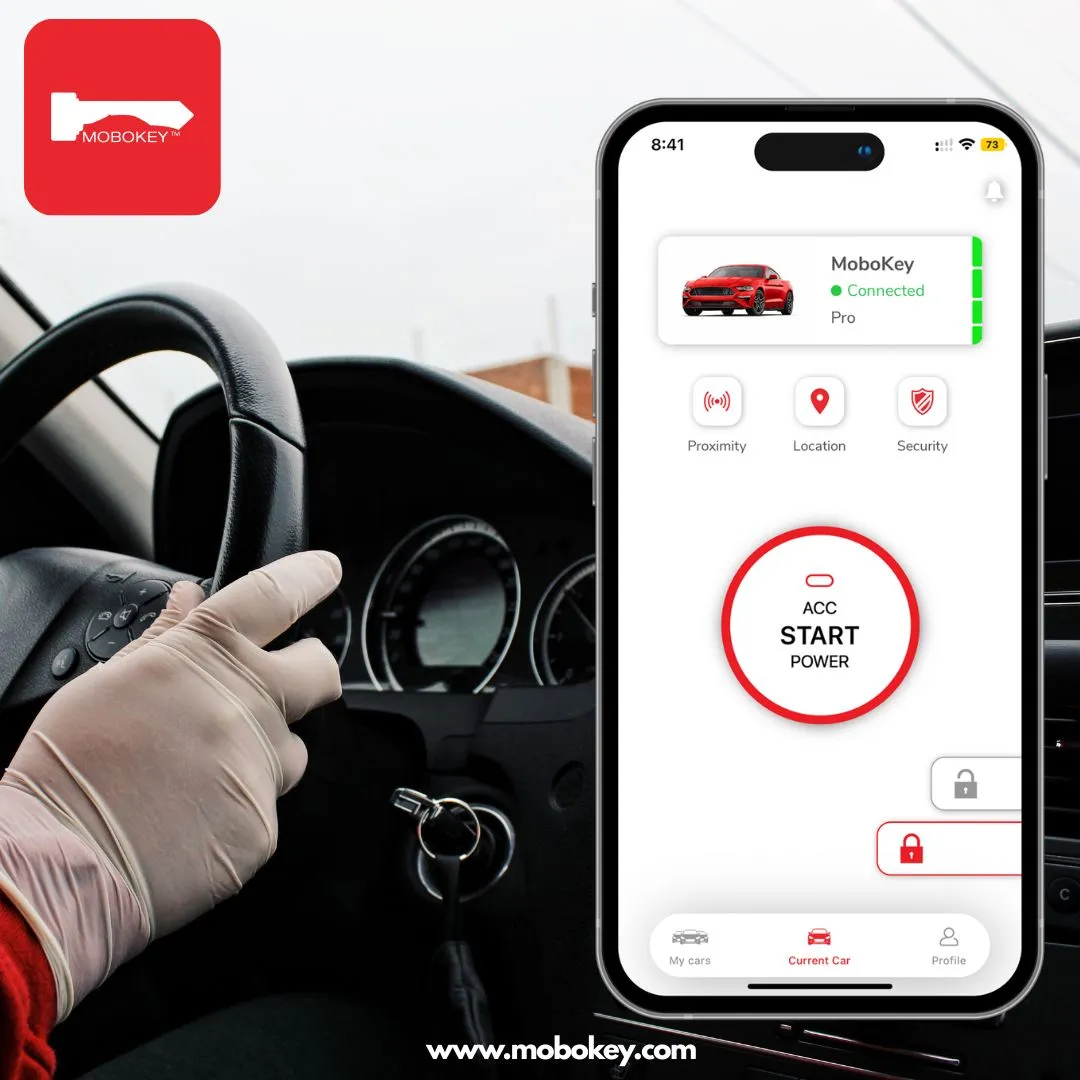
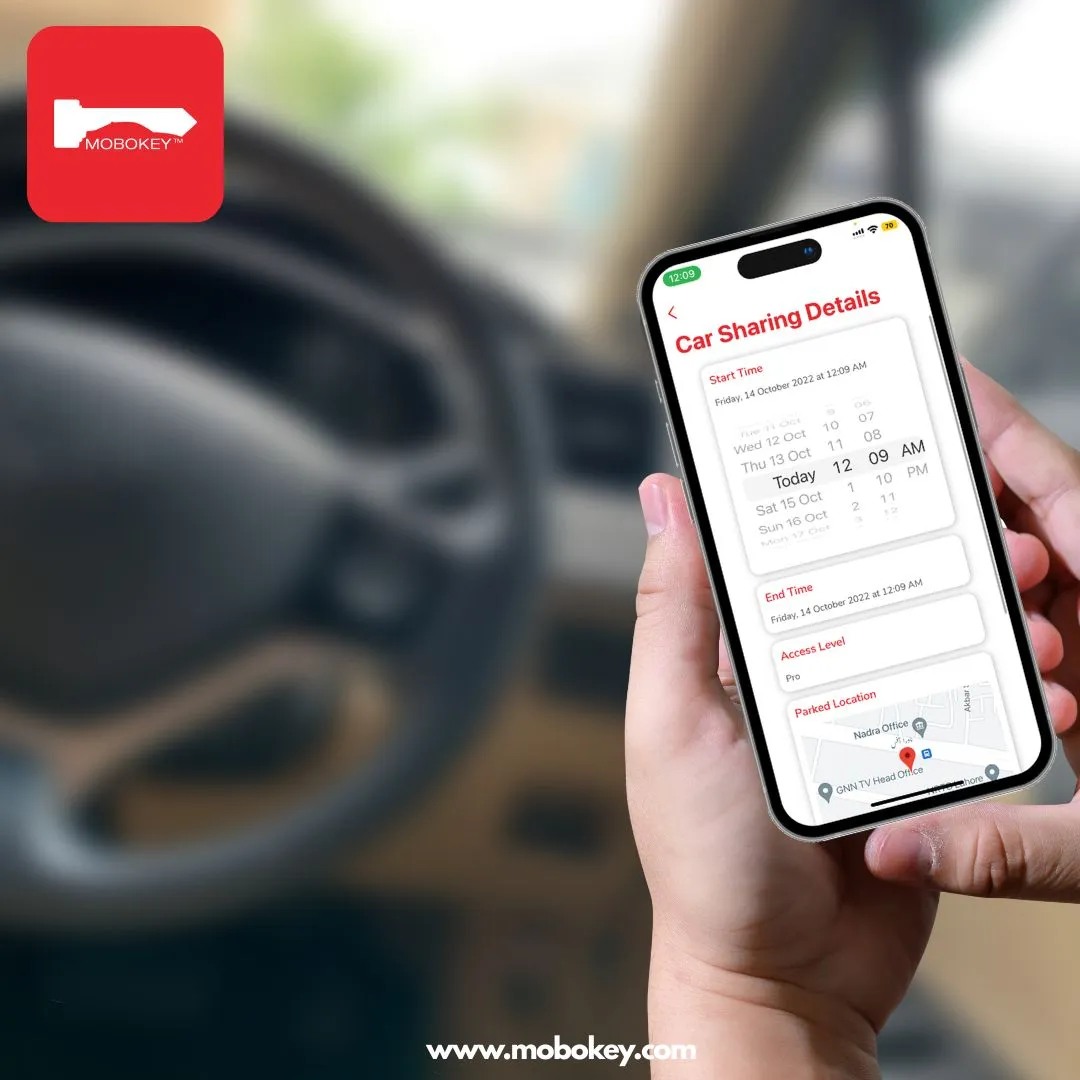
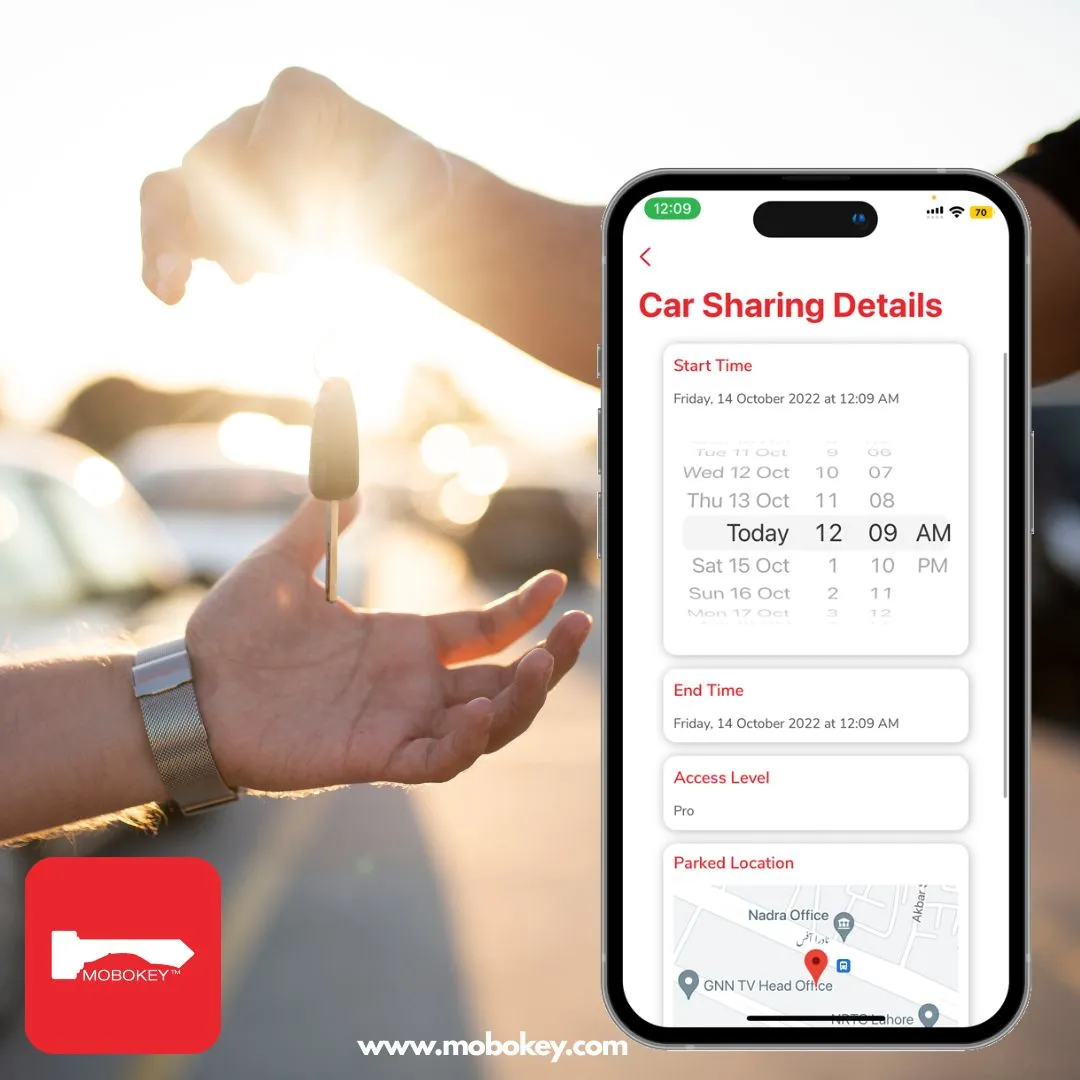
Automated access means no physical keys. Every key exchange that requires a person is a bottleneck. At 50 vehicles, a manual key handover model requires staff around the clock. Digital keys solve this by sending access directly to the renter’s phone. The vehicle unlocks automatically and returns itself to the available pool when the booking ends.
Additionally, at 50 vehicles, manual key handovers require multiple staff members just for access. Automated digital keys eliminate that cost entirely.
Centralized oversight means one dashboard for the entire fleet. The operator can see all vehicle locations, active bookings, and access events from one screen. Problems are visible immediately rather than surfacing through customer complaints.
Furthermore, per-vehicle fees and booking commissions compound as the fleet grows. An operator heading to 50 vehicles needs a cost model that does not compound.
How MoboKey Scales with Your Car Sharing Business
MoboKey is designed to scale a car sharing business without adding operational overhead.
Each vehicle gets one MoboKey device installed at a one-time hardware cost. There are no annual fees and no booking commissions. Adding vehicle number fifty costs the same per unit as vehicle number one. The cost structure stays flat as the fleet grows.
The fleet management dashboard gives operators visibility across every vehicle. They can see locations, active keys, and booking status from one place. Consequently, a single operator can manage 50 vehicles from their phone.
MoboKey GO provides the branded platform layer. Renters book through the operator’s own app. Digital keys are issued and expired automatically. The platform handles the routine so the operator can focus on growth.
Adding a new vehicle requires a hardware install and a few taps in the dashboard. There is no software configuration and no IT involvement.
Furthermore, MoboKey’s API and SDK let operators connect with other tools as they grow. Operators at 50 vehicles often want to connect with accounting or customer management tools. The API makes this possible without rebuilding the core platform.
Inc. Magazine has noted that successful operators scale by building systems that run without them. In car sharing, that means automated access, centralized oversight, and a platform built for volume. Hardware details are at MoboKey Shop. The platform is ready on day one and scales on demand.
Five vehicles is a start. Fifty is a business. MoboKey helps operators make that transition without losing control of their fleet.
Ready to go keyless? Visit mobokey.com or contact us today to get started.