Late returns are one of the most common operational headaches in car sharing and rental. A late vehicle is simply unavailable for the next booking. In a staffless operation, one late return can lead to a chain of missed bookings. Handling late returns in car sharing requires the right systems, not just policies. This guide covers what those systems look like and how to use them effectively.
Why Late Returns Are a Serious Problem for Car Sharing Operators
In traditional rental, a late return is an inconvenience. In car sharing, it is an operational breakdown.
Car sharing operators run tighter schedules than traditional rental companies. Back-to-back bookings on the same vehicle are common. When one renter returns late, the next renter arrives to find no car. The operator now faces two problems at once. One renter is late and another cannot start their booking.
The financial impact compounds when operators factor in refunds. A renter who cannot pick up on time may request a partial or full refund. The operator then loses revenue on two bookings instead of one.
Furthermore, late returns in car sharing often go unresolved quickly. Without staff on site, the operator has limited tools to respond. Calling the overdue renter is slow and unreliable. Without the ability to remotely end access, there is nothing to enforce the return.
Additionally, repeated late returns damage the operator’s reputation. Reviews that mention late vehicle availability hurt booking rates. Operators who cannot enforce return times lose the reliability that keeps customers loyal.
What Happens Without the Right System
Without a system built to handle late returns, most operators fall back on manual processes.
The most common approach is a phone call or text message. The operator contacts the renter and asks them to return the vehicle. This works sometimes. But it depends on the renter answering and cooperating. An unresponsive renter leaves the operator with no recourse.
Additionally, the operator may not know a return is late until the next renter complains. By that point, the situation has already become a customer service problem.
Some operators build late fees into their terms. A fee charged after the fact does not return the vehicle. It also does not help the next renter who is already waiting. Late fees address the financial loss but not the operational one.
The core problem is control. A physical key gives renters full access until they choose to return it. Once the key is in their hand, the operator cannot remotely end that access. Consequently, enforcement depends entirely on renter compliance.
How Digital Keys Change the Late Return Equation
A digital key fundamentally shifts how late returns work.
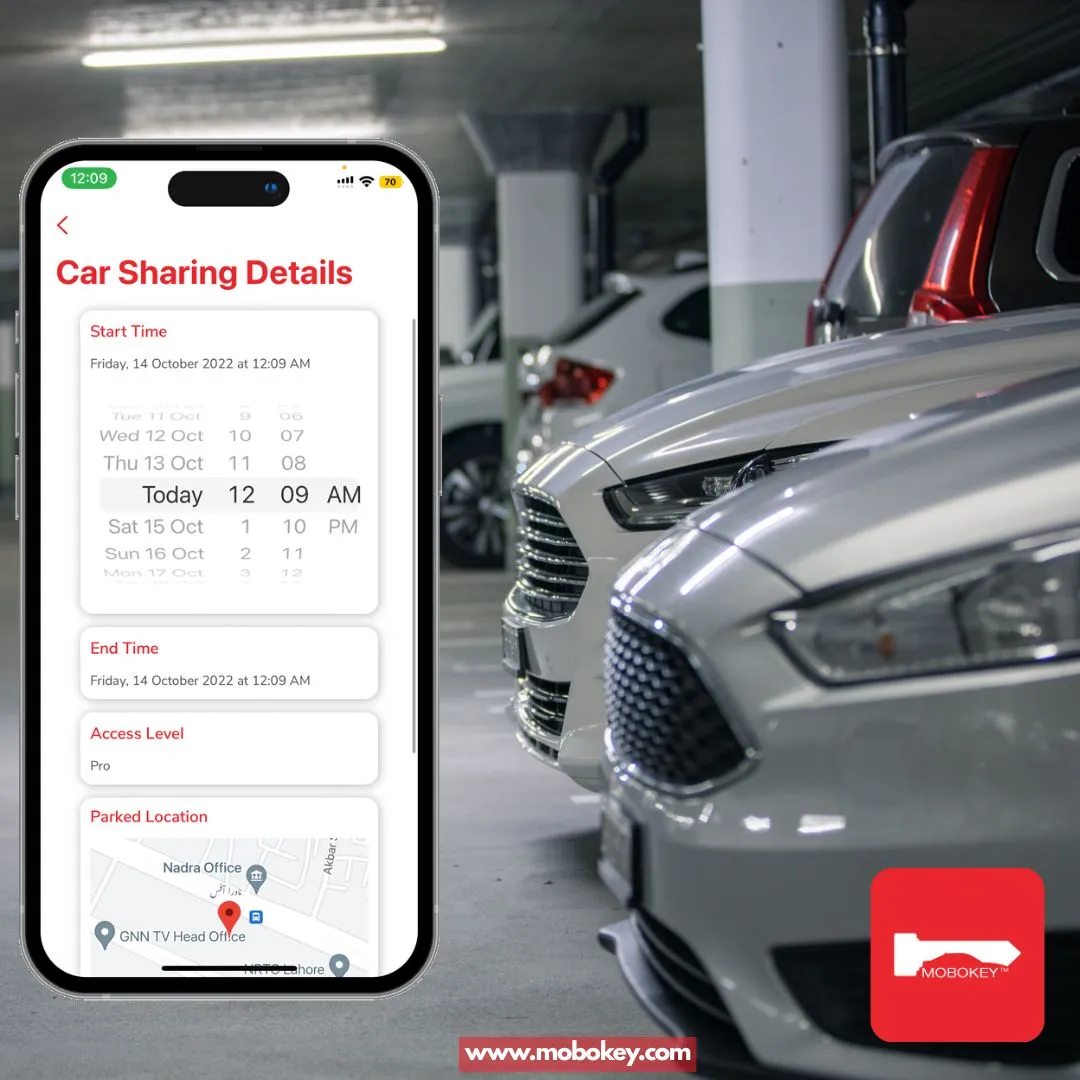
When a renter receives a digital key, that key has a built-in expiry time. When the booking window closes, the key deactivates automatically. The renter’s phone can no longer unlock or start the vehicle. No action is required from the operator. No cooperation is required from the renter.
Once the key expires, the renter cannot drive the vehicle further. The vehicle is effectively immobilized at the point of key expiry.
Furthermore, the operator retains the ability to revoke the key early if needed. If the next booking starts and the vehicle is still out, the operator can act. They revoke the current renter’s key from their phone immediately. The overdue renter’s phone loses unlock capability at that moment.
Additionally, the operator can see the vehicle’s location throughout the rental. The operator can see the parked location if a renter fails to return on time. This is especially useful when vehicles park in remote lots with no operator presence.
How MoboKey Helps Operators Handle Late Returns in Car Sharing
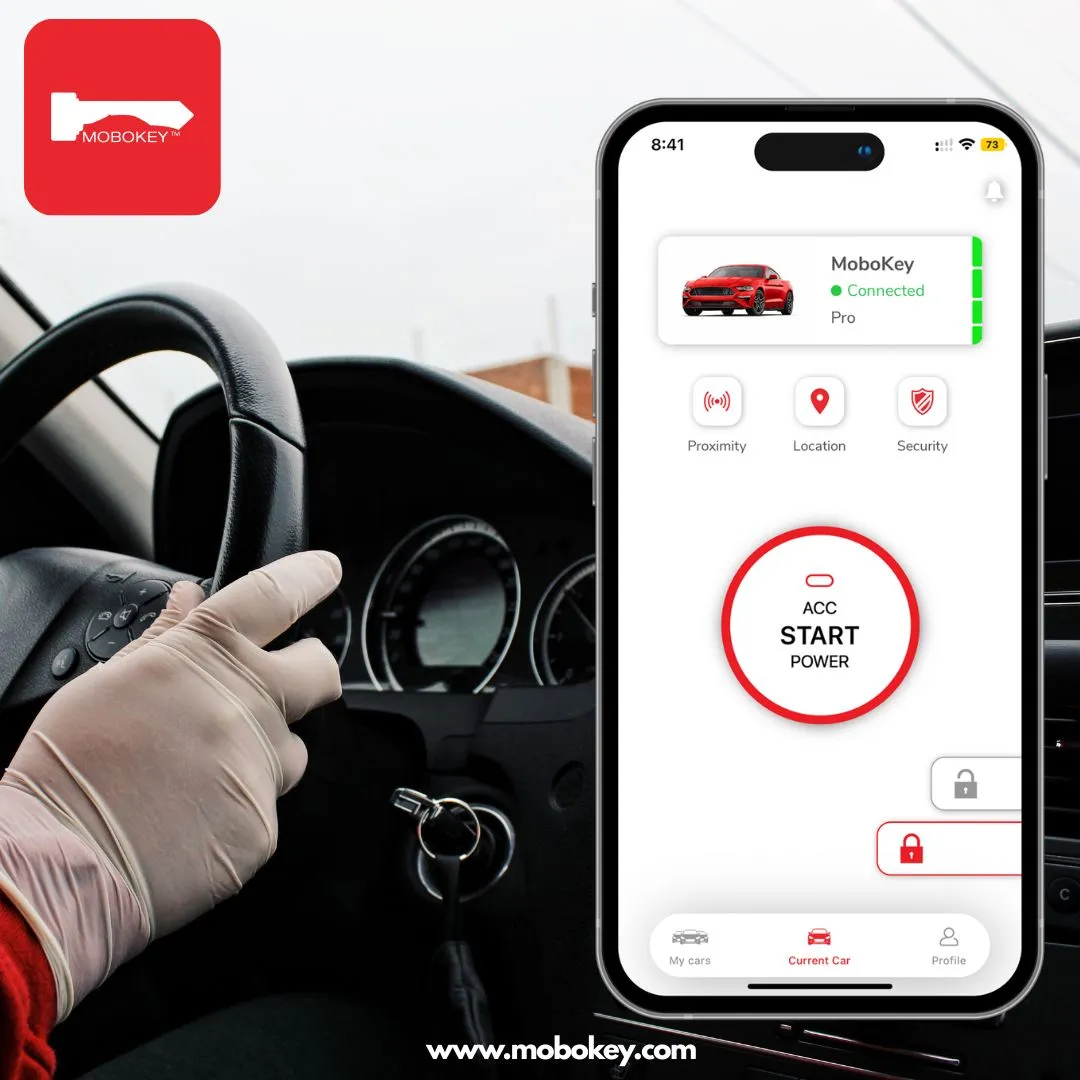
MoboKey gives operators the tools to manage late returns without relying on renter cooperation.
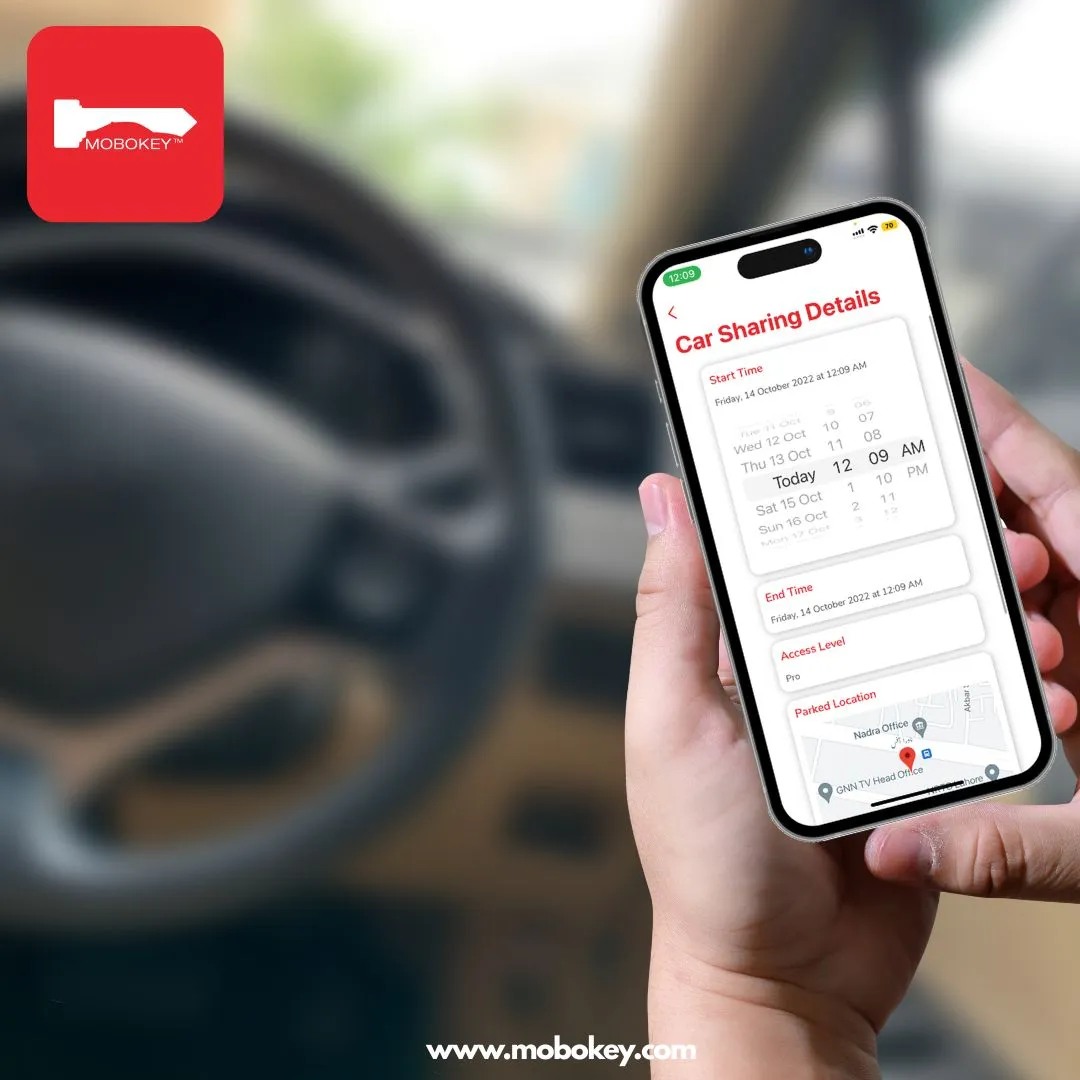
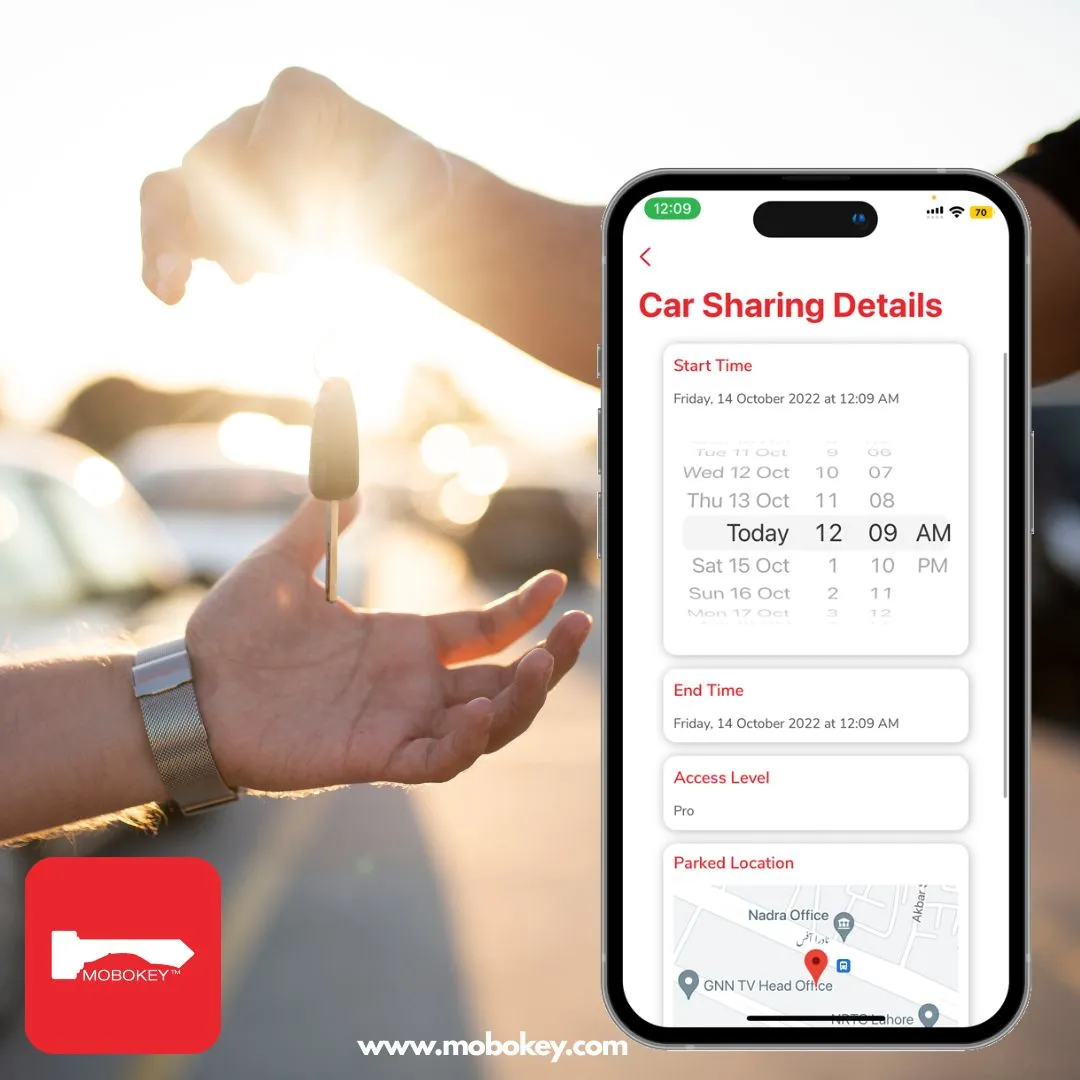
Each digital key issued through MoboKey has a hard expiry. When the booking window closes, the key deactivates on its own. The renter cannot extend their access without a new key from the operator. This gives the operator full control over when each renter’s access ends.
If a renter needs more time, the operator can extend the key remotely in seconds. This is faster than a phone call and simpler for both parties.
If a renter is overdue and unresponsive, the operator has additional tools. They can see the parked vehicle location at any time. Proximity engine kill prevents the vehicle from starting if it is being misused. Instant revocation ends renter access with one action from the operator’s phone.
Furthermore, MoboKey’s records show the full history of each booking. The operator can see when the key was issued and when it expired. This log is useful for resolving disputes and enforcing late fees.
Mobility Lab covers the operational challenges that car sharing operators face. Access control and return enforcement are consistently among the most cited issues. Automated return enforcement reduces operator burden and improves the experience for all renters. Hardware details are at MoboKey Shop. There are no annual fees and no commissions.
Late returns in car sharing do not have to be a management headache. With MoboKey, the system enforces the return window automatically.
Ready to go keyless? Visit mobokey.com or contact us today to get started.