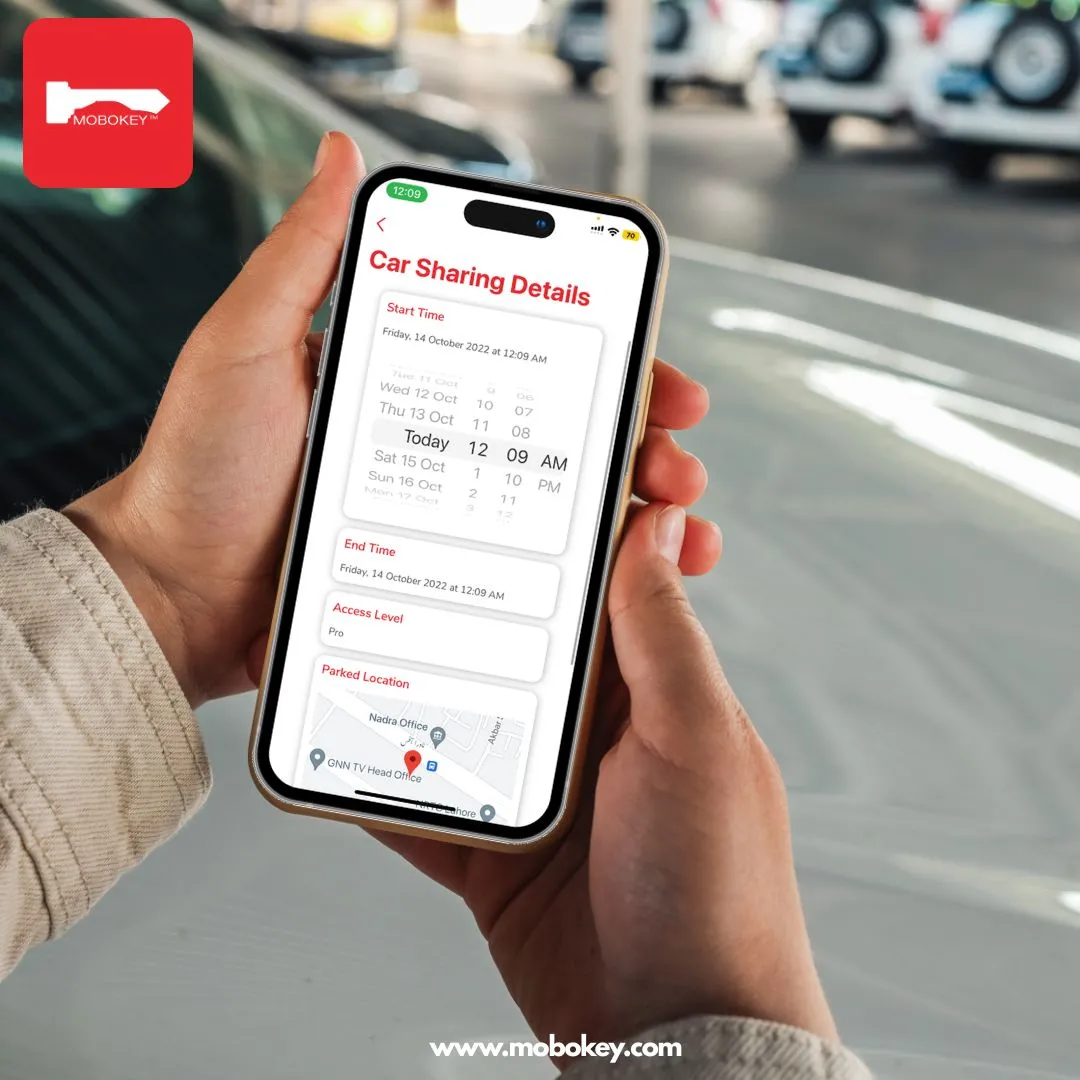
Building a car sharing app from scratch is expensive and takes months to complete. For most entrepreneurs and fleet operators, that is not a viable path to market. White-label car sharing apps offer a faster and far less expensive alternative. Instead of building the technology, operators license a ready-made platform and brand it as their own.
What is a white-label car sharing app?
A white-label car sharing app is a pre-built platform licensed and branded by the operator. The core technology already exists. The operator adds their logo, name, and colors. From the user’s perspective, the app appears to belong to the company operating it.
This model is common across many software categories. Banks use white-label payment systems. Insurance companies use white-label policy platforms. The car sharing market is increasingly following the same pattern.
Furthermore, white-label platforms include the essential features a car sharing business needs. Booking management, digital key access, payment integration, and customer communication are typically built in. Consequently, operators get a complete product without building any of it themselves.
Who benefits most from a white-label car sharing app?
Several types of operators benefit directly from a white-label car sharing app.
Entrepreneurs entering the car sharing market benefit the most. Building a custom app is a significant capital commitment before a single booking is made. A white-label platform lets a new operator launch with a professional product in weeks. They can test demand and refine operations before committing to a custom build.
Fleet managers expanding into customer-facing rentals also benefit. A fleet operator with existing vehicles can add rental income without building new technology. The white-label platform handles the customer-facing layer while the operator manages the vehicles.
Corporate transportation programs benefit from a white-label car sharing app as well. Companies that run shuttle services or driver pools can brand a platform for internal use. Employees use the company’s app to access vehicles. Access is controlled, logged, and time-limited without any manual coordination.
Additionally, hospitality operators can use white-label car sharing apps to offer branded vehicle services. A hotel can manage rental cars, shuttles, and airport transfers through one branded platform.
What to look for in a white-label car sharing app
Not all white-label platforms are equal. Operators should evaluate a few specific criteria before choosing one.
First, check the access control layer. A white-label app that relies on software-only access has limitations. Reliable vehicle access requires hardware installed in each vehicle. It communicates with the driver’s phone directly and does not require internet at entry.
Second, review the cost structure. Many platforms charge per vehicle per month or take a commission on every booking. These models are manageable at low volume but become expensive as the business scales. A one-time hardware cost with no recurring commission gives operators a predictable structure.
Third, evaluate the branding flexibility. A true white-label platform lets the operator fully customize the app’s appearance and name. If the platform brand appears anywhere in the user experience, the operator’s brand suffers.
How MoboKey GO works as a white-label car sharing platform
MoboKey GO is designed for operators who want to launch a branded car sharing business. It combines a white-label app with MoboKey hardware into one complete branded platform.
Operators brand the app with their own name and logo. Their customers download the operator’s app, not MoboKey’s. The entire user experience belongs to the operator’s brand.
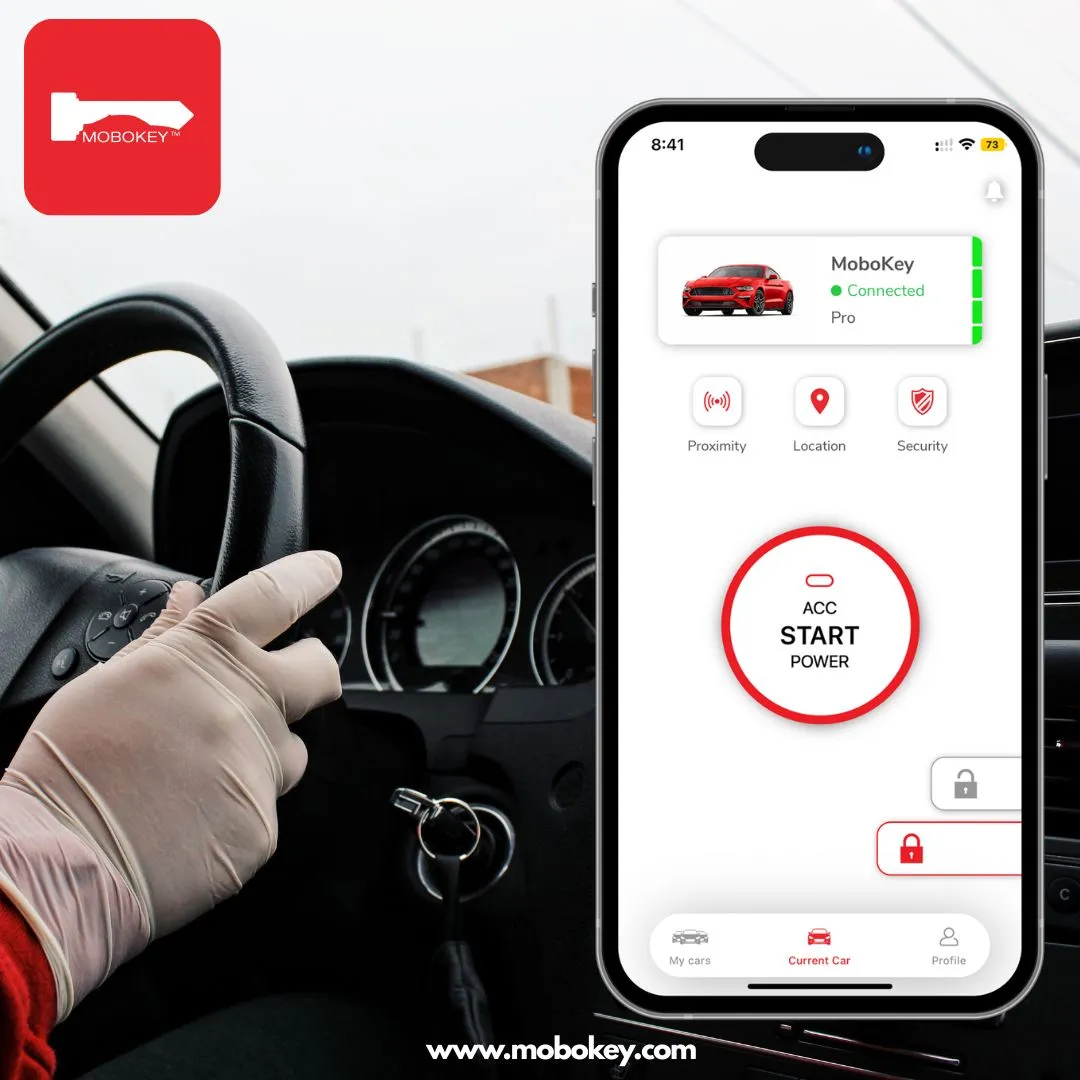
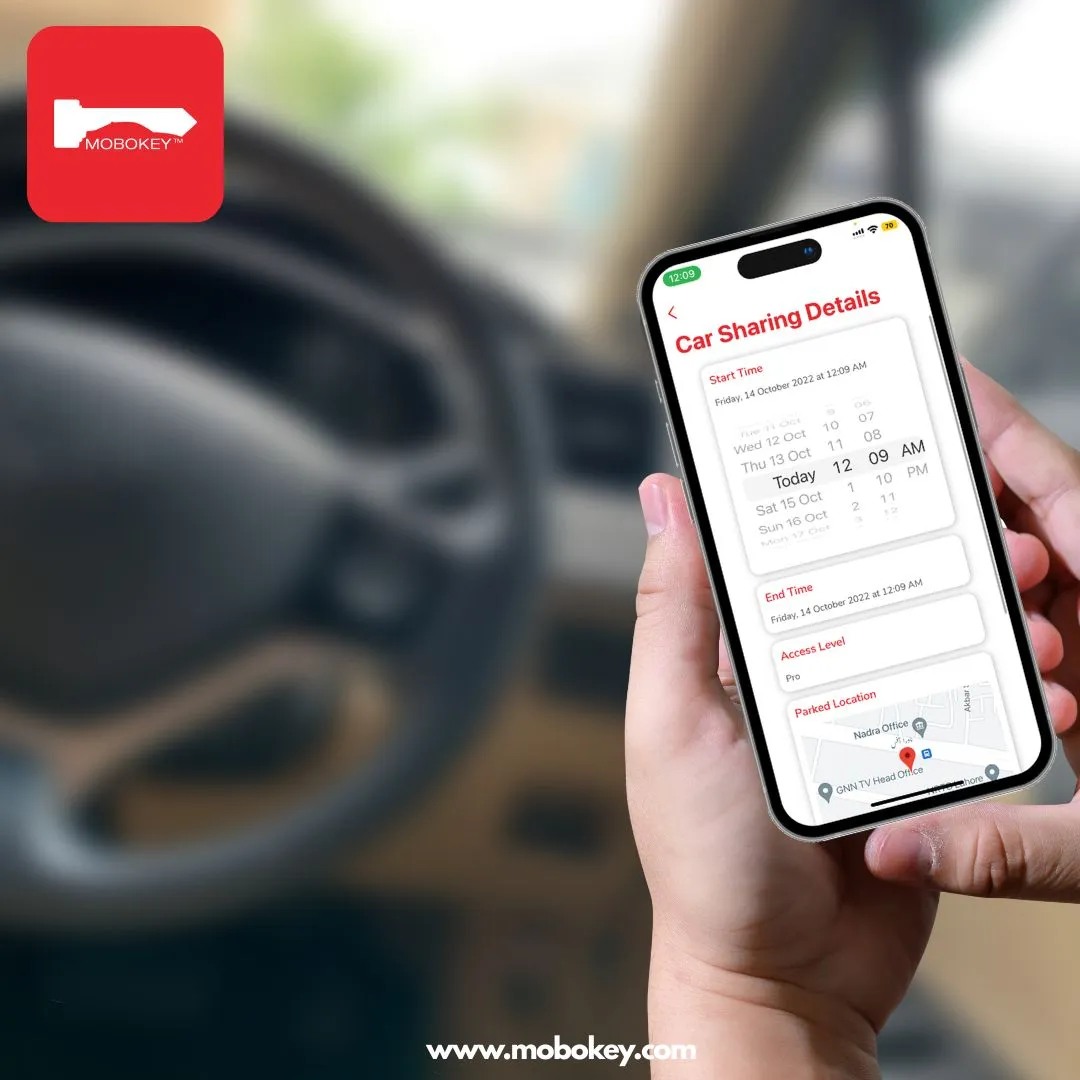
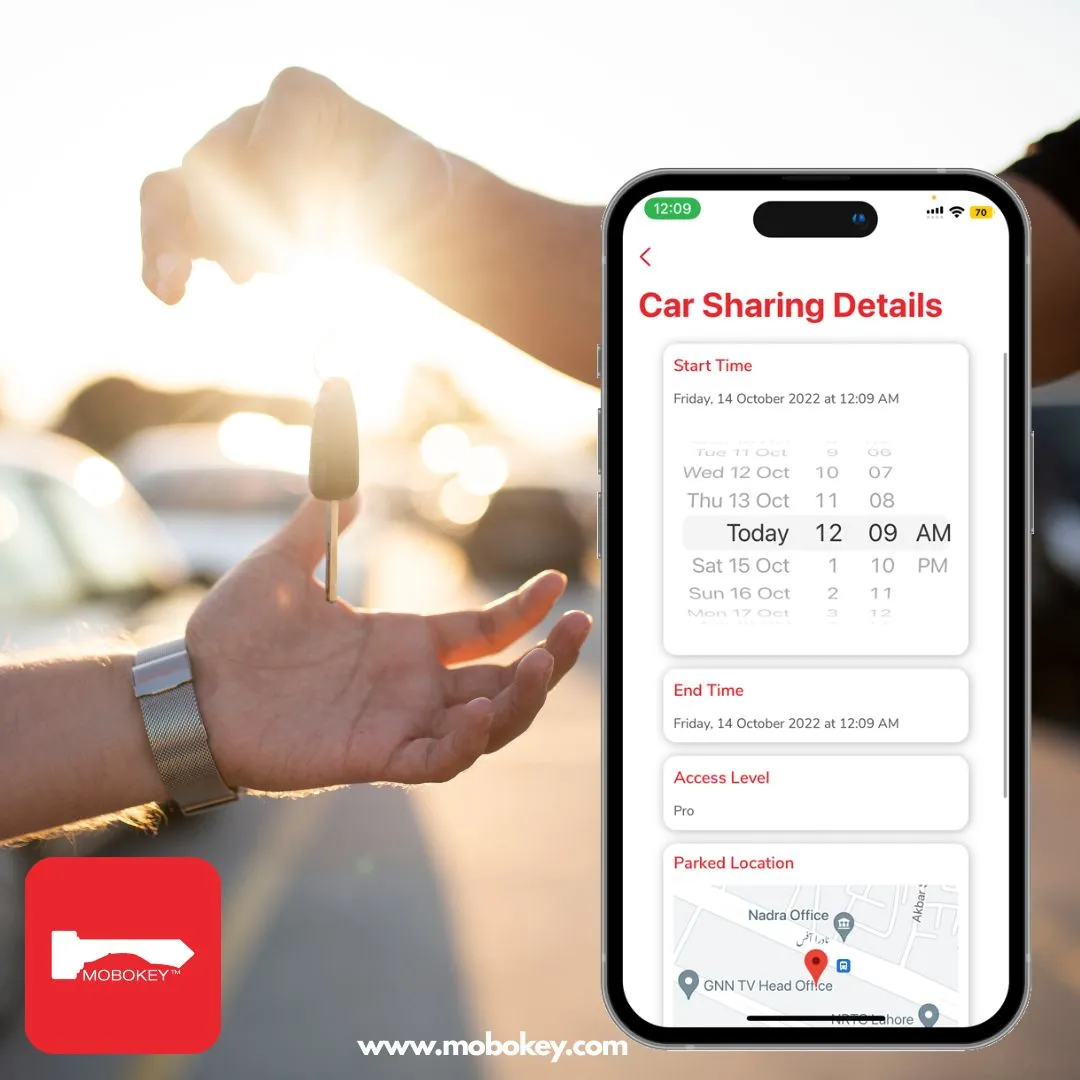
Vehicle access works through the MoboKey device installed in each car. The device communicates via Bluetooth within 100 to 350 feet. Drivers receive time-bound digital keys in the app. Hands-free auto unlock activates when they approach the vehicle. Keys expire automatically at the end of each booking.
Furthermore, MoboKey GO requires no annual fees and no booking commissions. The operator pays a one-time hardware cost per vehicle. Every booking after that generates full revenue for the operator. Consequently, the cost structure supports growth rather than penalizing it.
Grand View Research projects strong growth in the global car sharing market for years ahead. White-label platforms let independent operators enter that market without the cost of custom development. They offer a faster, branded path to launch.
Operators can explore MoboKey GO at mobokey.com. Hardware details are at mobokey.com/shop/pro.
A branded car sharing business does not require a custom app. It requires the right white-label platform to build on.
Ready to go keyless? Visit mobokey.com or contact us today to get started.