The average car sits parked for more than 90 percent of the day. For individual owners, that idle vehicle represents an untapped source of income. Peer-to-peer car sharing lets owners rent their vehicles directly to other drivers. The concept is straightforward. The execution requires the right setup. Here is a complete guide to peer-to-peer car sharing for individual car owners.
What is peer-to-peer car sharing?
Peer-to-peer car sharing lets individual owners rent their cars directly to verified drivers. Unlike traditional rental agencies, the vehicle owner manages the listing, pricing, and access. Platforms like Turo and Getaround connect owners with renters and handle payments and insurance.
The owner sets their own availability, rates, and rules. The renter books through the platform and gets access for the agreed period. When the trip ends, the owner receives payment minus the platform’s commission.
Furthermore, peer-to-peer car sharing works for part-time and full-time hosting. Some owners list their car only when they travel. Others build a small fleet and treat it as a business. Consequently, the model scales from a single vehicle to a multi-car operation.
How to get started as a peer-to-peer car sharing host
Getting started as a peer-to-peer car sharing host involves a few key steps.
First, the owner selects a platform. Turo and Getaround are the two largest in the United States. Each has its own commission structure, insurance policy, and market presence. The owner reviews the terms and lists the vehicle with photos, pricing, and availability.
Second, the owner prepares the vehicle. A clean, well-maintained car generates better reviews and higher demand. Owners should document the car’s condition before each rental and check it after. This protects against dispute claims.
Third, the owner sets up a key handover method. This is where most first-time hosts encounter friction. Meeting renters in person is time-consuming. Lockboxes create their own problems. Digital key solutions eliminate the handover entirely. The renter accesses the car through an app, and the owner manages everything remotely.
The biggest challenges for individual car sharing hosts
Peer-to-peer car sharing comes with real operational challenges for individual owners.
The first challenge is key handover. Physical key exchanges require scheduling and in-person availability. Lockboxes are a common workaround, but they create their own problems. Codes get shared, boxes break, and renters still need to locate them. Furthermore, lockboxes offer no real accountability. The owner has no log of exactly when the renter accessed the car.
The second challenge is access control after the rental ends. A renter who keeps a physical key retains access indefinitely. There is no automatic expiry. Closing that gap requires recovering the key in person or rekeying the vehicle. Additionally, car key duplication is easy and fast. A copied key creates a permanent vulnerability the owner may never discover.
The third challenge is multi-renter key management. Hosts with multiple bookings in a day face a coordination problem. Each handover is a scheduling constraint. One late return cascades into a late start for the next renter. Consequently, the operational overhead of physical keys grows with every booking.
How MoboKey solves the peer-to-peer hosting problem
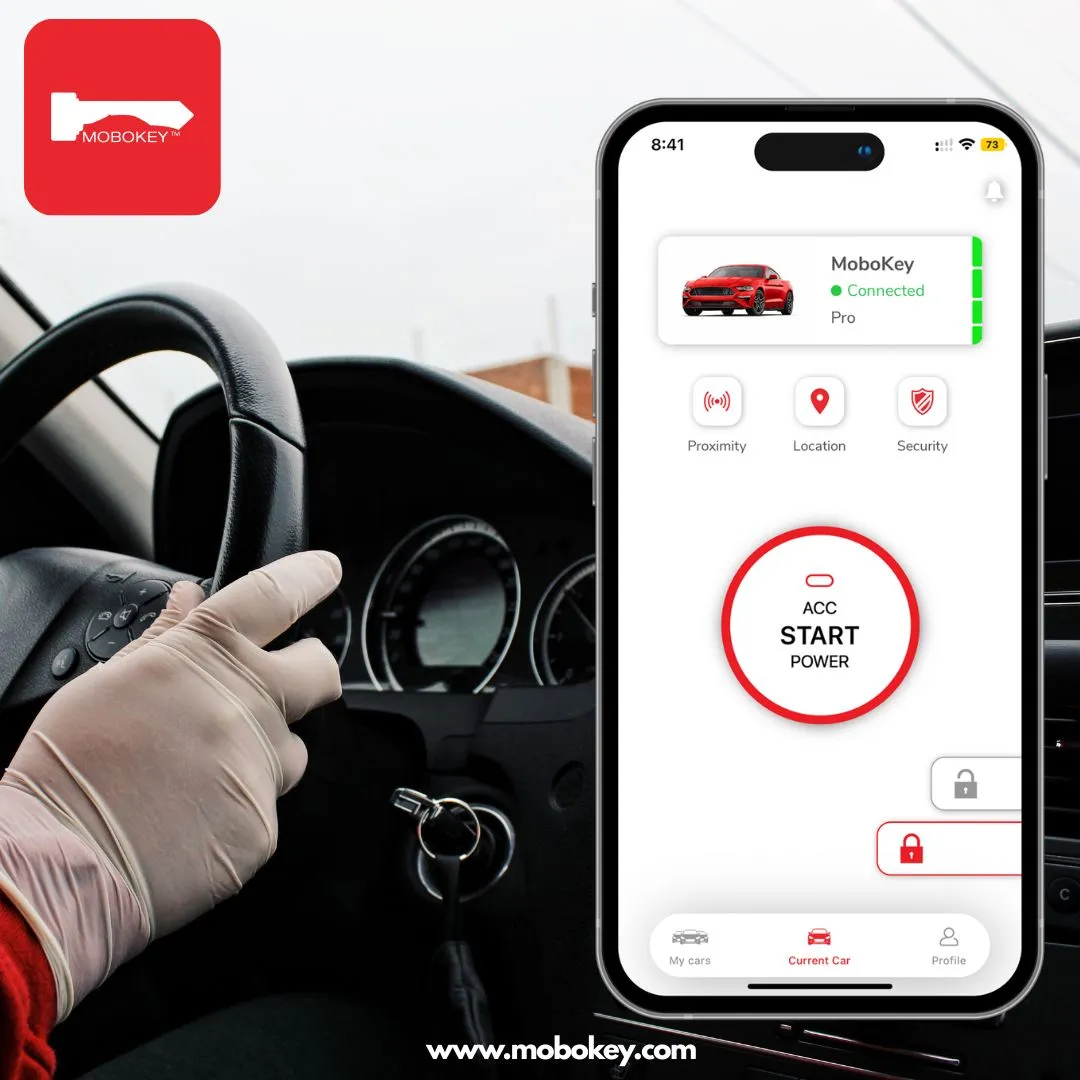
MoboKey addresses the key handover problem directly. The MoboKey device installs in the host’s vehicle with a one-time hardware cost. There are no annual fees and no commissions per booking. The device connects via Bluetooth and works within a range of 100 to 350 feet.
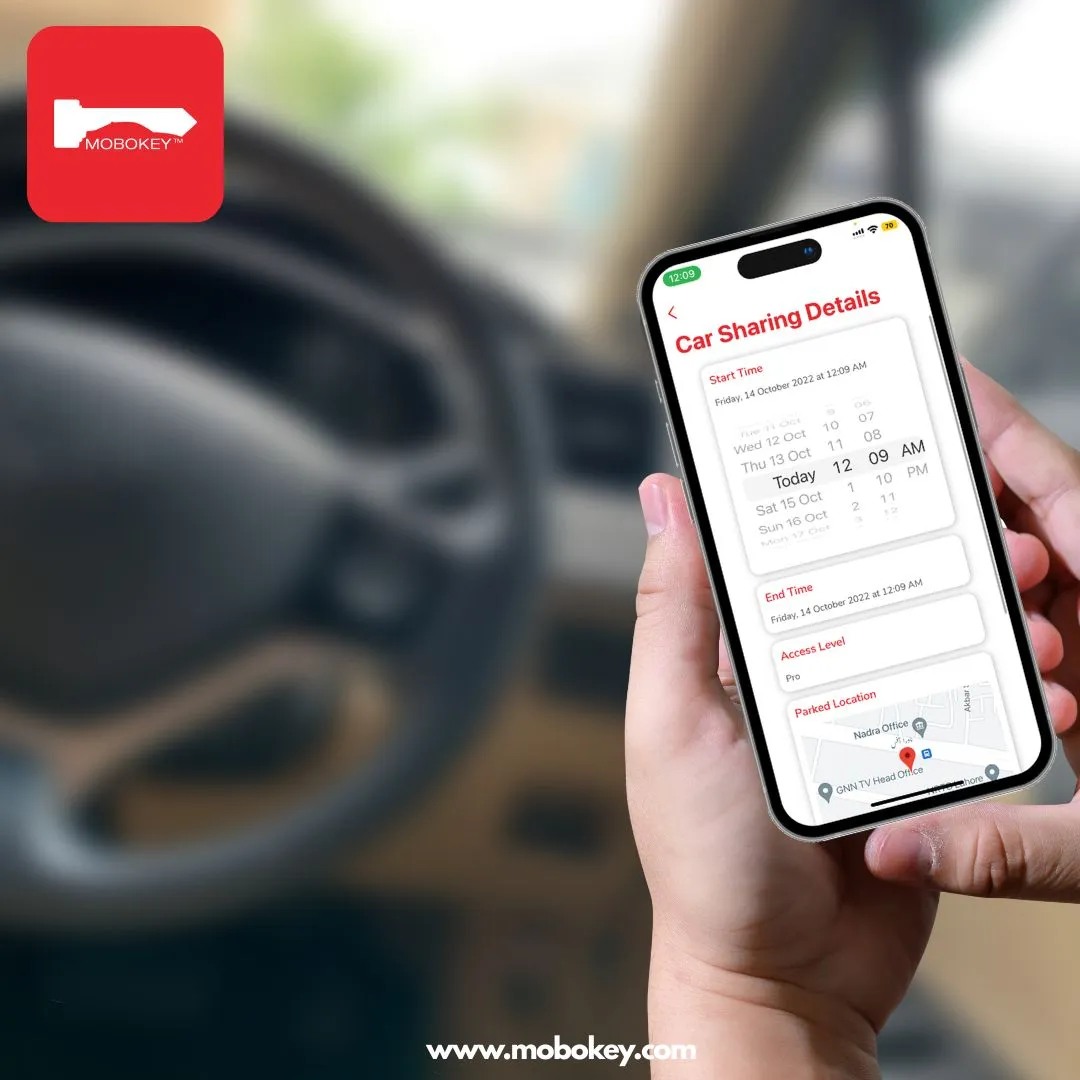
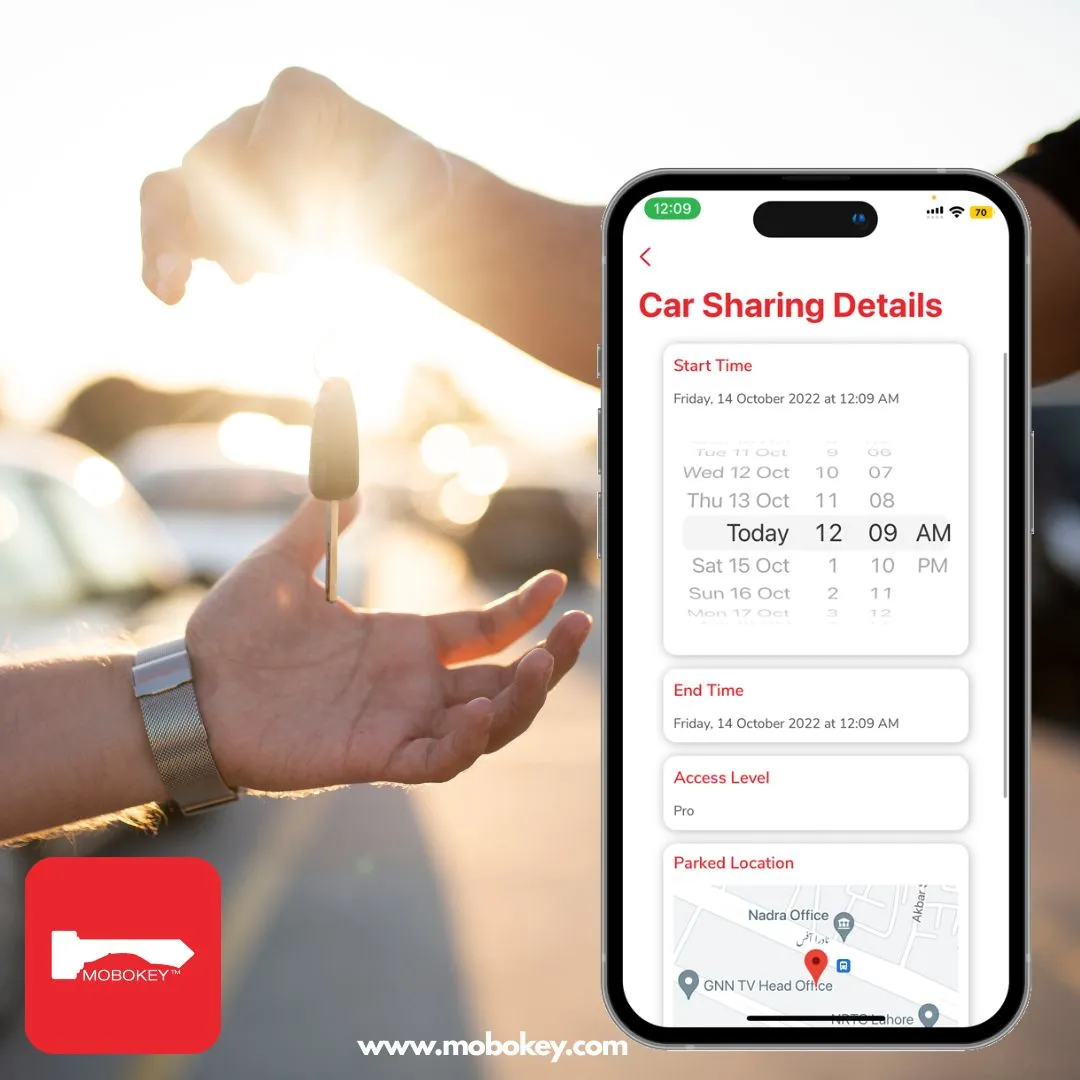
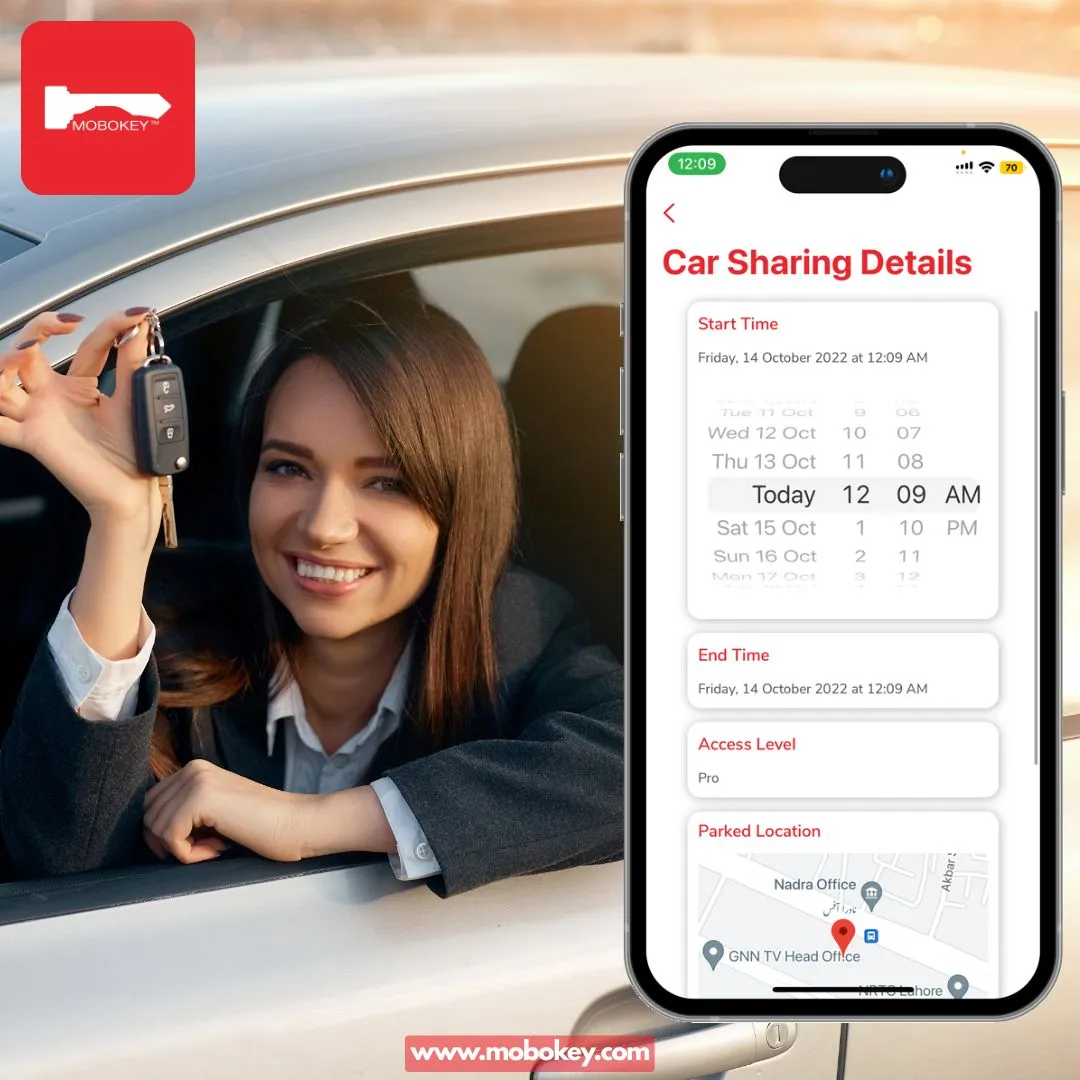
When a renter books, the host creates a time-bound digital key in the app. The renter receives the key on their phone. On arrival, hands-free auto unlock activates as they approach. No meeting, no lockbox, and no physical key is required.
When the booking ends, the digital key expires automatically. The renter’s phone loses access. The host does not need to collect a key or follow up. If a rental runs long, the host can extend or revoke access in seconds.
Furthermore, MoboKey works alongside existing peer-to-peer platforms. Turo and Getaround hosts can add MoboKey for vehicle access without changing their booking setup. Consequently, the upgrade adds keyless access without replacing the platform workflow.
Bankrate reports that peer-to-peer car sharing can generate meaningful passive income for individual vehicle owners. For hosts with a reliable handover system, that income potential is fully accessible. The hardware at mobokey.com/shop/pro makes that setup straightforward.
Peer-to-peer car sharing puts idle vehicles to work. MoboKey makes the hosting experience smooth enough to build a real income from it.
Ready to go keyless? Visit mobokey.com or contact us today to get started.