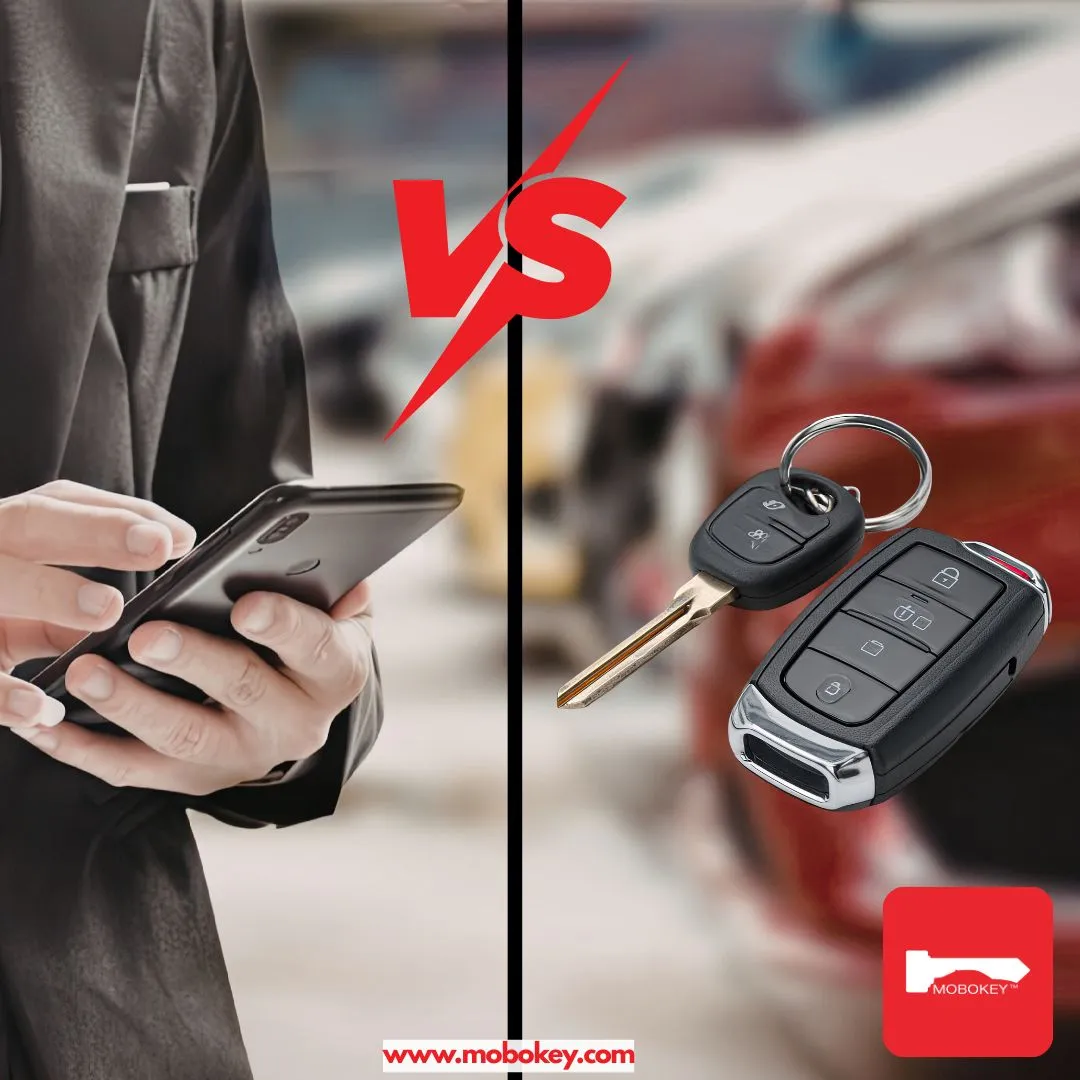
The debate around digital key software vs hardware access is one that fleet managers and rental operators face more often today. The global access control market stands at $19.05 billion in 2025 and will reach $61.31 billion by 2035. As that market grows, operators need to understand the real differences between software-based and hardware-based access systems before they invest. Each approach carries distinct advantages and limitations. Understanding both helps you make the right choice for your fleet. Here is a clear breakdown of each system and why the most effective solutions combine both.
Understanding Digital Key Software vs Hardware Access Systems
Before comparing the two, it helps to define what each term means in the context of vehicle access.
Software-based digital key systems deliver access entirely through an app or cloud platform. The vehicle receives an instruction over the internet, and the door unlocks. These systems rely heavily on a stable network connection and cloud infrastructure.
Hardware-based access systems, on the other hand, use a dedicated physical device installed in or on the vehicle. That device handles the communication between the driver’s smartphone and the vehicle directly. As a result, the system does not depend on an internet connection to function. Access happens locally, through a direct connection between the device and the phone.
In the US access control market, hardware currently holds 53.22% of spending. Software, meanwhile, grows at 7.72% per year through 2031. Both approaches serve real needs, but they work very differently in the field.
The Strengths and Limits of Software-Only Solutions
Software-only access systems offer certain clear advantages. They are fast to deploy and easy to update remotely. Operators add new vehicles or users through the platform without touching any hardware. For large, tech-forward organizations with strong IT infrastructure, software solutions can scale quickly.
However, software-only systems carry meaningful limitations for fleet and rental operators. First, they depend entirely on internet connectivity. When a renter arrives at a remote location or a driver works in a low-signal area, the system may fail to deliver access at the critical moment. Second, because software-only systems transmit keys over the internet, they introduce exposure to network-based security risks. Third, these systems often lack the ability to control physical vehicle functions like engine start or proximity-based locking.
Furthermore, software-only systems offer little physical redundancy. If the cloud service goes down or experiences a delay, drivers may find themselves unable to access the vehicle entirely. Consequently, many fleet operators find that a software-only approach introduces more risk than it removes.
What Hardware-Based Access Systems Bring to the Table
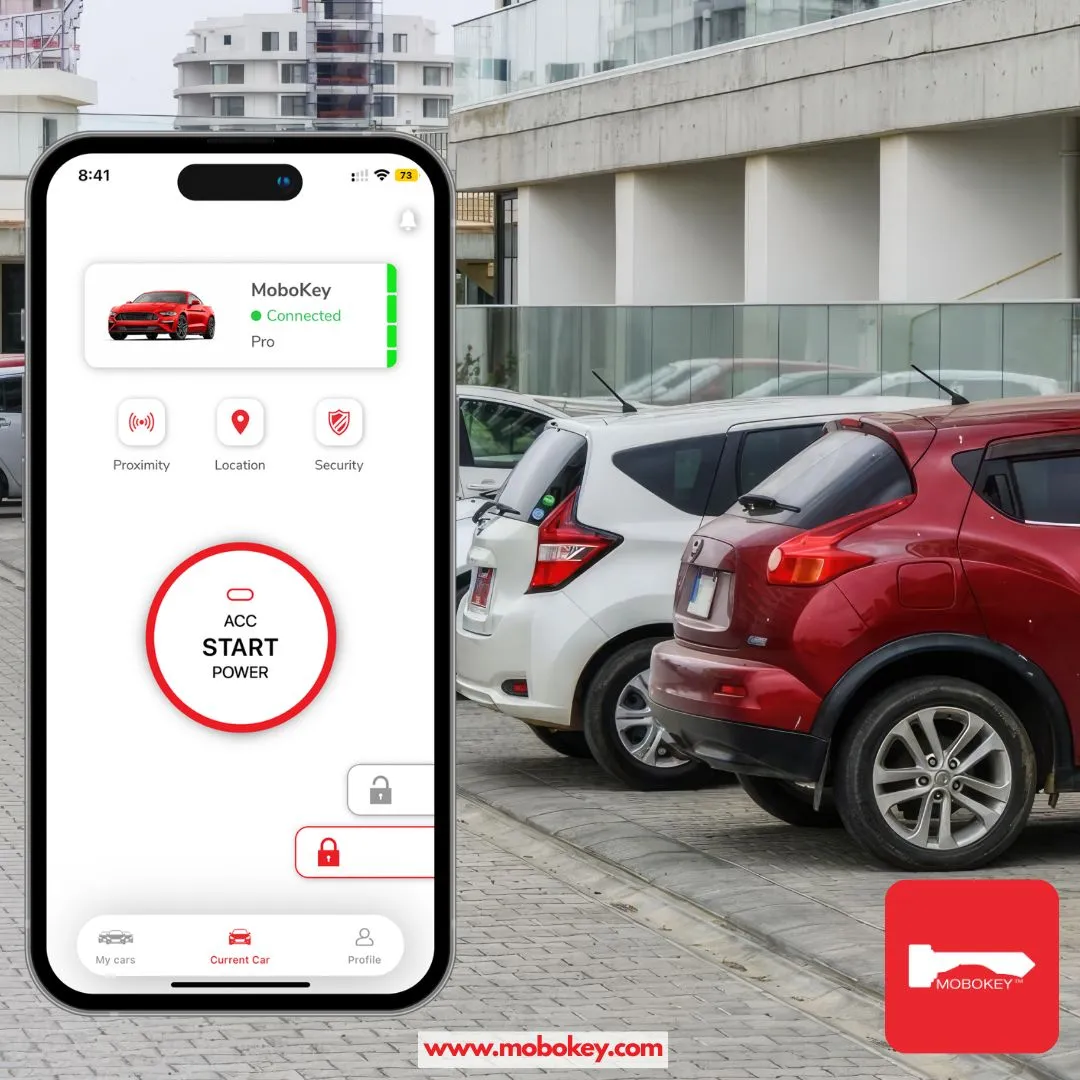
Hardware-based systems solve the reliability and security gaps that software-only solutions leave open. A dedicated device in the vehicle handles key communication locally via Bluetooth. This means access works regardless of internet availability. The driver walks up, the phone connects to the device, and the vehicle unlocks. No cloud dependency and no network latency.
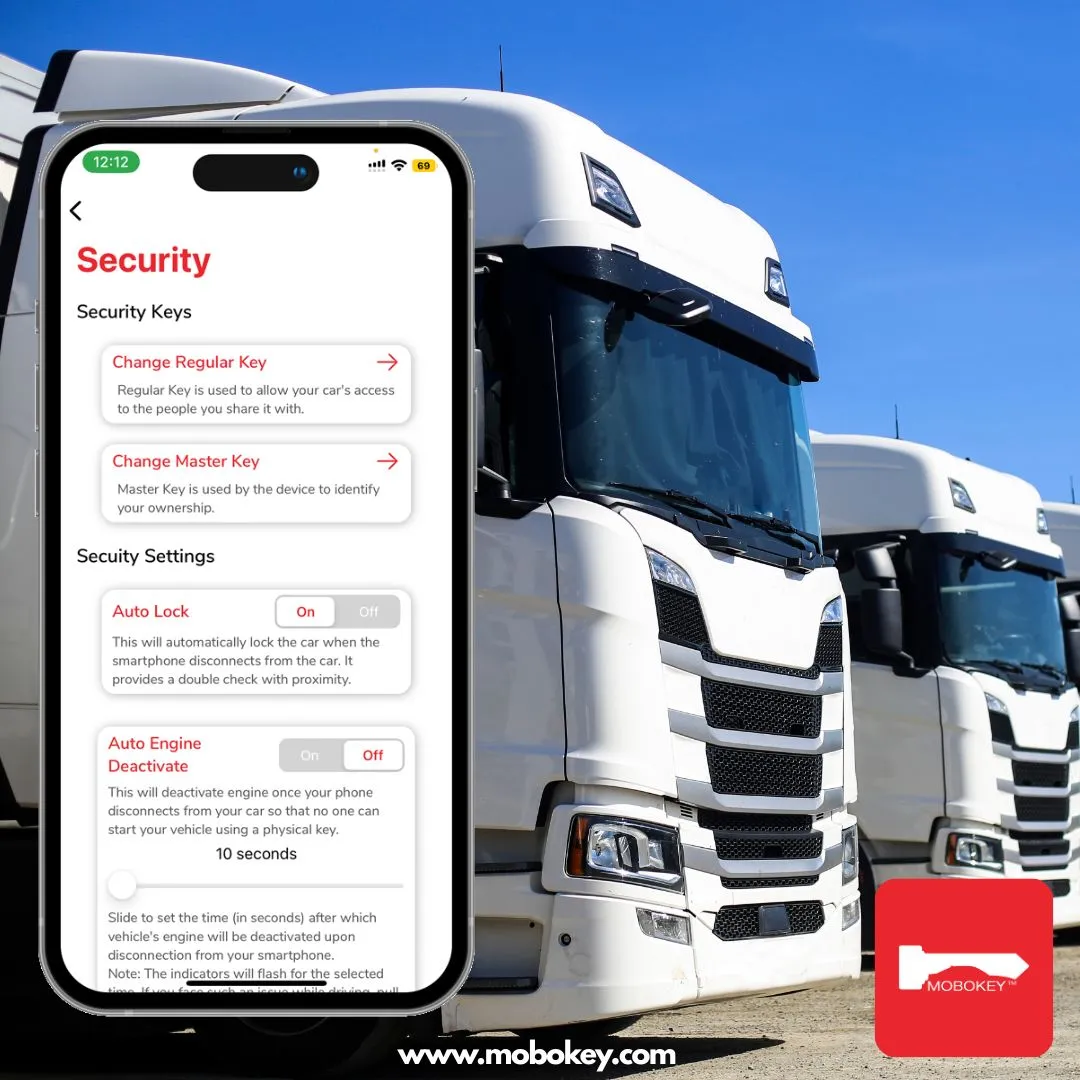
Moreover, hardware-based systems support advanced vehicle control features that software alone cannot deliver. Engine start, proximity kill switches, and parked location tracking all require a physical device connected to the vehicle’s systems. For rental operators and fleet managers who need this level of control, hardware is the only viable path.
Additionally, hardware devices store no keys over the internet. The private key stays on the device and the phone. As a result, hardware-bound digital keys offer a significantly stronger security profile than cloud-synced alternatives. This matters especially for commercial fleets where unauthorized vehicle access carries real financial and legal consequences.
The main trade-off with hardware systems is upfront cost. Each vehicle requires a device installation. However, the long-term operational savings from eliminating lost keys, reducing staff overhead, and improving security typically outweigh the initial cost within months.
Why MoboKey Delivers the Best of Both
The strongest vehicle access systems today do not choose between digital key software vs hardware access. They combine both. MoboKey takes exactly this approach.
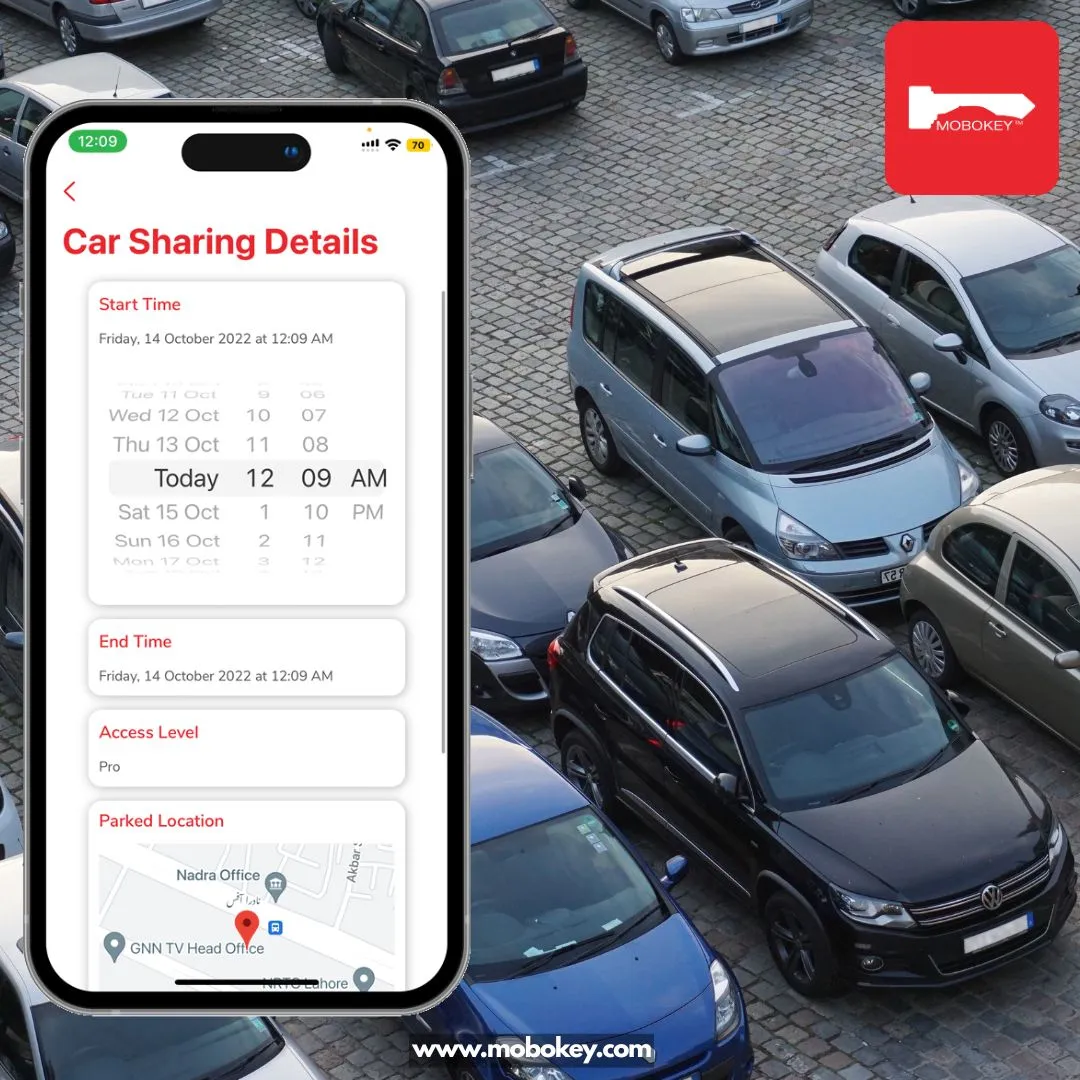
The MoboKey Pro device installs directly into the vehicle and handles all access communication via Bluetooth. This gives operators the reliability, security, and vehicle control features that only hardware can provide. At the same time, MoboKey’s software platform manages the entire fleet digitally. Operators assign keys, set time windows, monitor vehicles, and revoke access from any internet-connected device.
That combination delivers the speed and flexibility of a software system with the security and reliability of hardware. Managers update permissions from anywhere. Drivers access vehicles without internet dependency at the point of entry. And every access event logs automatically, creating a clean audit trail.
MoboKey also runs on a one-time hardware cost per vehicle with no annual fees and no commission on bookings. Therefore, the investment pays for itself quickly, especially when compared to the ongoing cost of managing physical keys across a growing fleet.
The access control market grows at 12.4% per year through 2035, according to Future Market Insights. The operators who build on the right foundation now will be the ones best positioned to scale. A combined hardware and software approach like MoboKey provides exactly that foundation.
Ready to go keyless? Visit mobokey.com or contact us today to get started.
Download the application here: Go to Play Store or App Store!