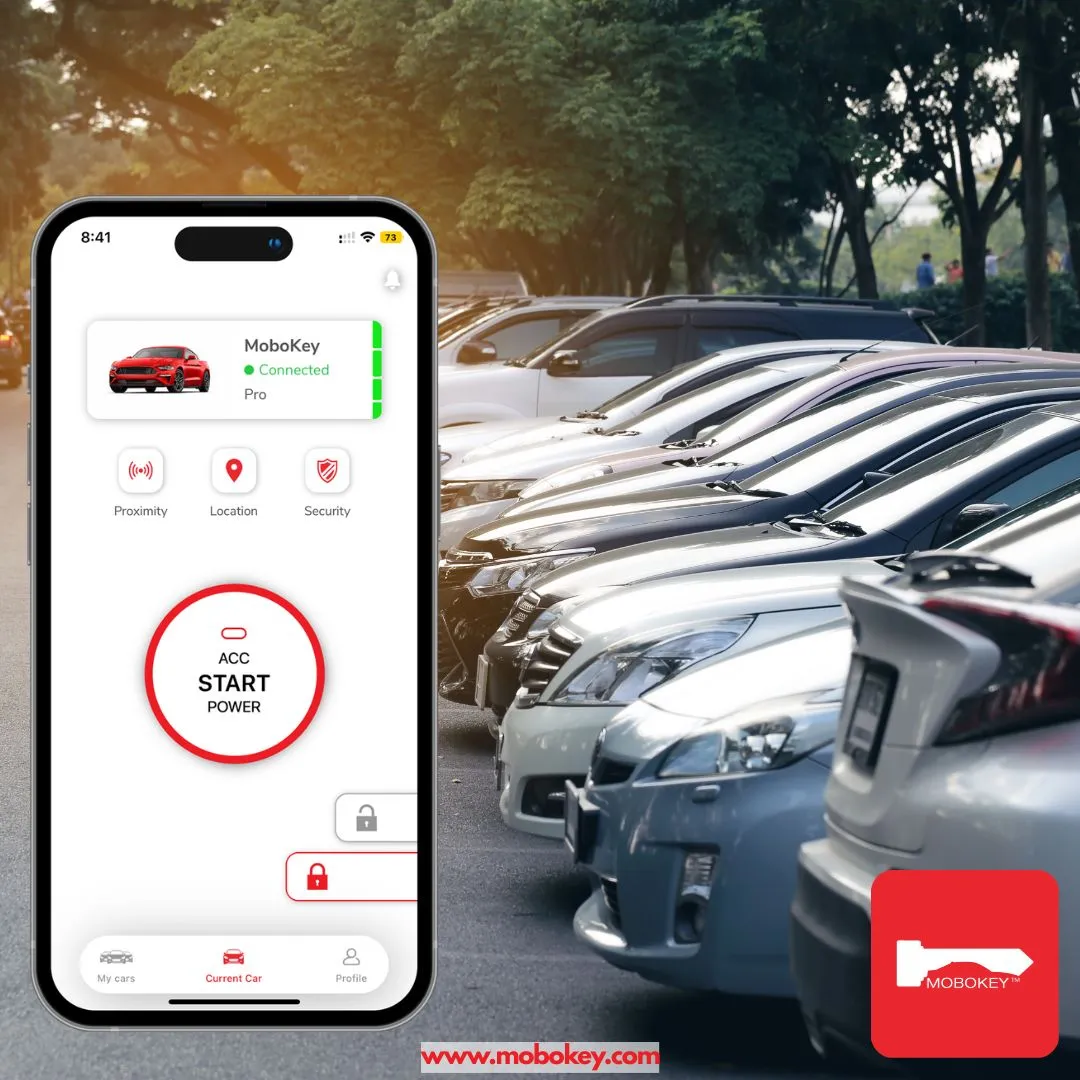
In the high-stakes environment of 2026, fleet vehicle access management has evolved from a simple logistics task into a core driver of operational profitability. With the average cost of replacing a single modern smart fob now exceeding $600 and unauthorized vehicle use contributing to rising insurance premiums, “analog” management is no longer an option. Modern fleet professionals are moving away from the physical “key box” toward software-defined access. This shift ensures that every asset is secure, every driver is accountable, and every second of vehicle downtime is minimized.
The Problem: The Hidden “Friction Costs” of Physical Keys
Traditional access management methods physical keys, manual sign-out sheets, and lockboxes. They are increasingly incompatible with 2026’s fast-paced demand.
-
Operational Inefficiency: Manual handovers force drivers and managers to meet physically, wasting up to 15–20% of a shift on administrative coordination.
-
Security Blind Spots: Once a physical key is handed over, the manager loses all visibility. Shared fobs can lead to unauthorized after-hours use, significantly increasing liability and fuel costs.
-
High Cost of Loss: Replacing a lost modern key isn’t just a hardware expense; it includes the cost of towing the vehicle and the revenue lost while the asset sits idle.
The Solution: Digital-First Access Management
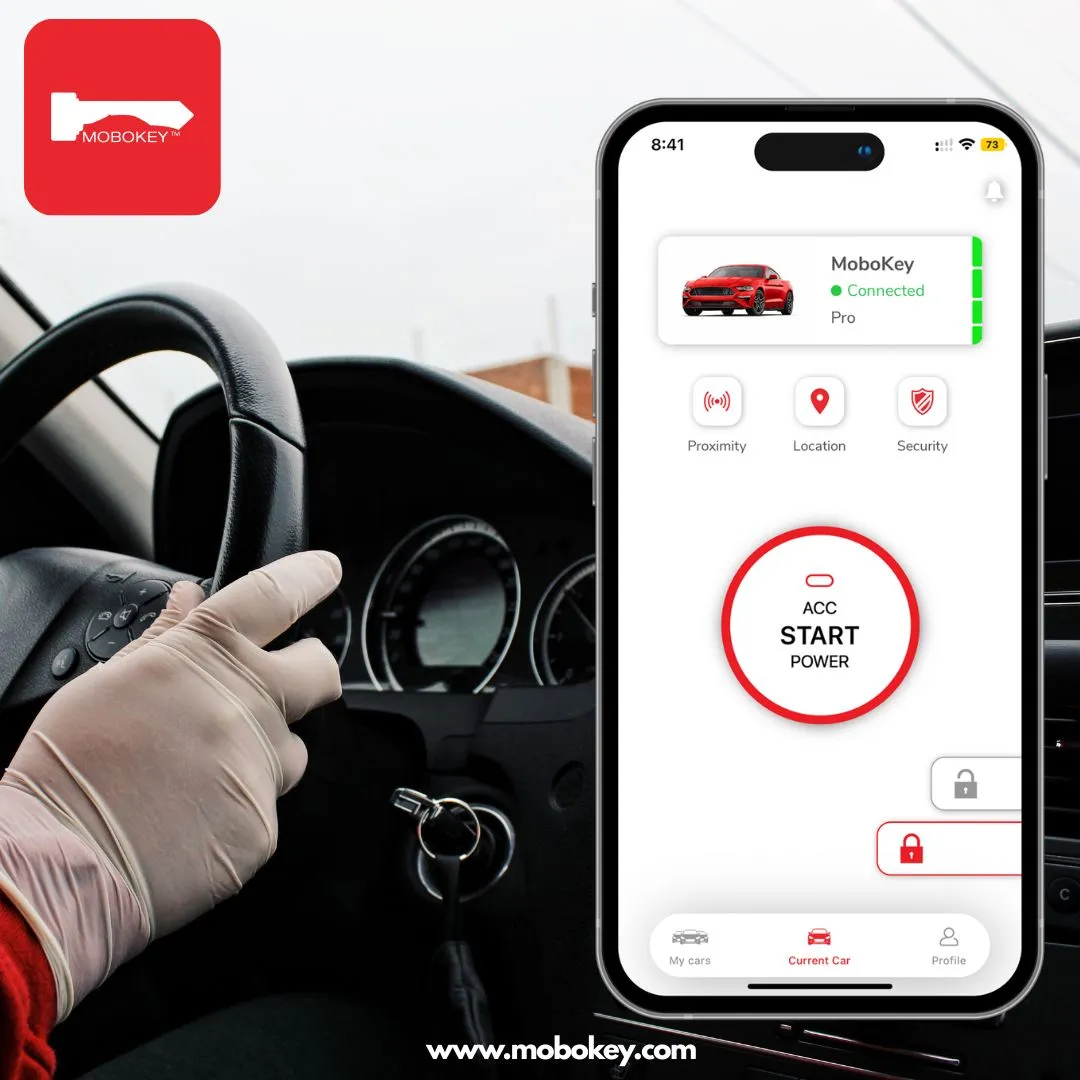
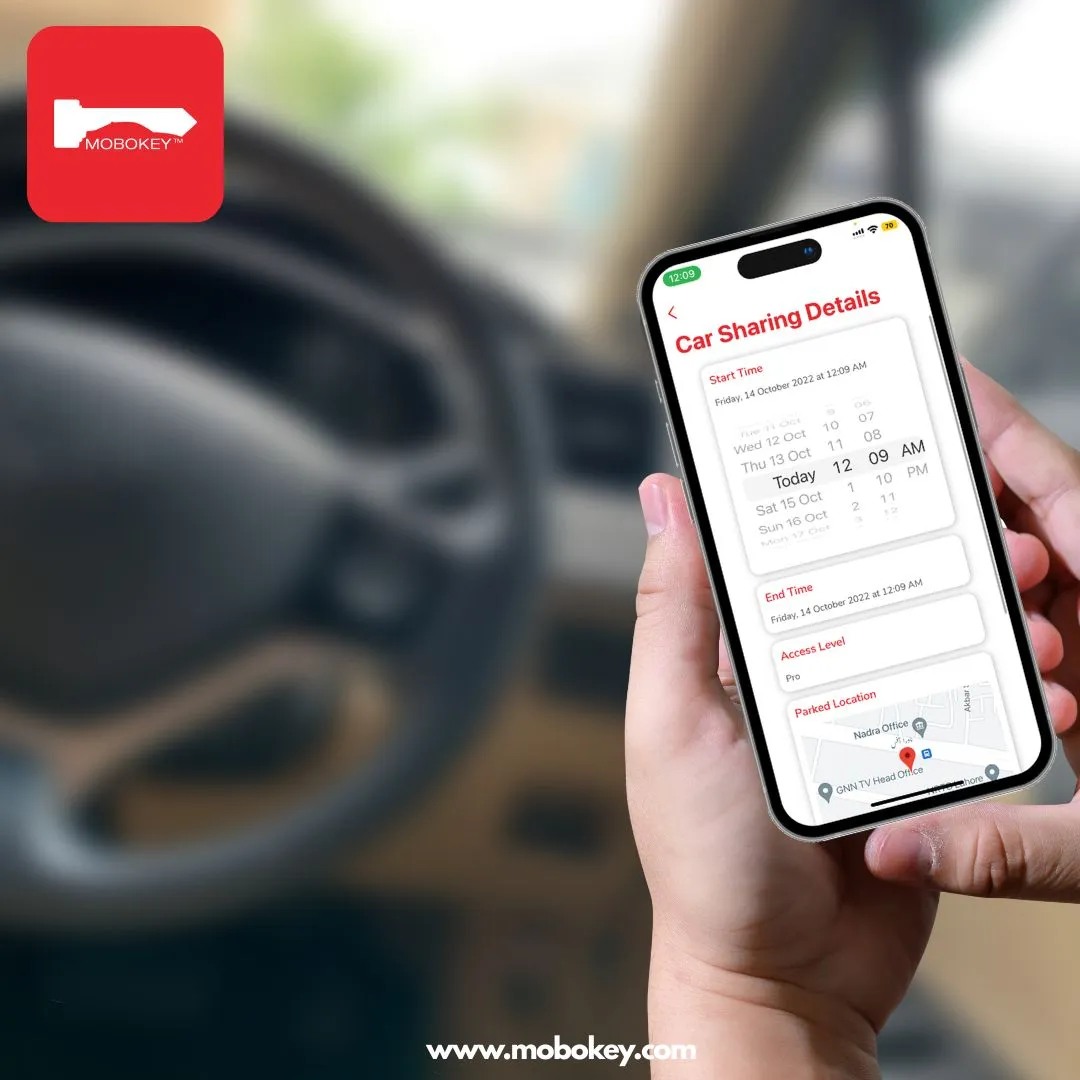
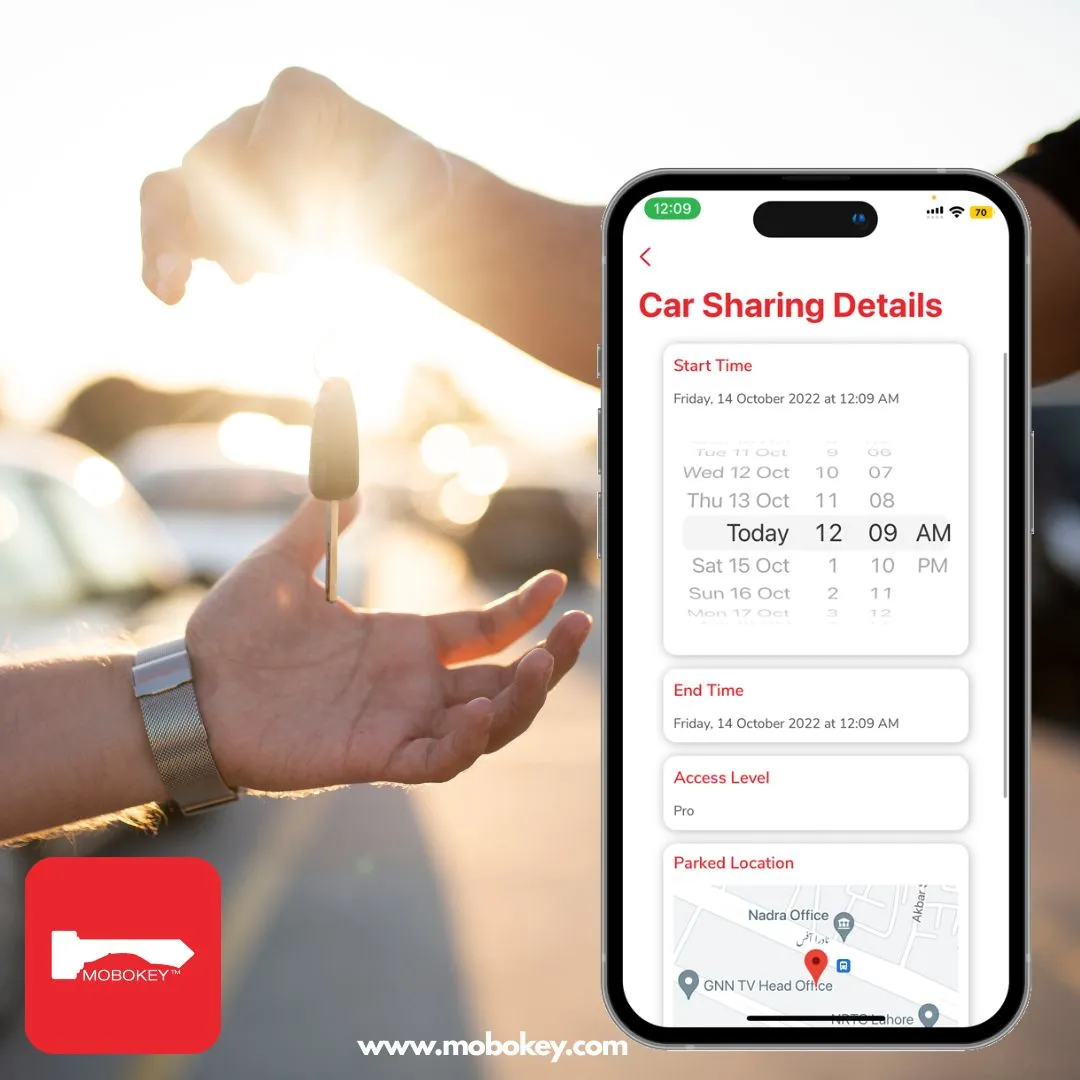
A modern vehicle access management system replaces physical keys with mobile-based digital credentials. By utilizing a “Phone-as-a-Key” (PaaK) model, fleet operators can manage access for 50 or 5,000 vehicles from a single centralized dashboard.
Best Practices for 2026: A Strategic Framework
1. Implement Role-Based Access Control
Not every employee needs the same level of access. Use your software to assign permissions based on job roles:
-
Drivers: Access only to the specific vehicle and shift time assigned to them.
-
Mechanics: “Unlock-only” access to the engine bay or cabin for maintenance without the ability to start the vehicle.
-
Supervisors: “Master Key” capabilities for emergency overrides and fleet-wide oversight.
2. Utilize Time-Fencing and Geofencing
Restrict vehicle access to specific hours and locations. For example, a digital key can be programmed to activate 15 minutes before a shift and deactivate 15 minutes after. If a vehicle leaves a designated “Geofence” area without authorization, the manager receives an instant alert.
3. Prioritize Hybrid Connectivity
A common failure in legacy systems is the reliance on a 100% cellular (GSM) signal. Best practice dictates using hardware like MoboKey that supports Bluetooth Low Energy (BLE). This ensures drivers can still access and start vehicles in underground parking garages or rural “dead zones” where cellular data is unavailable.
Comparison: Traditional vs. Digital Access Management
| Feature | Physical Key (Legacy) | Digital Access (MoboKey) |
| Handoff Method | Physical Meeting | Instant Remote Sharing |
| Security Risk | Signal Cloning/Relay Attacks | Encrypted & Biometric Locks |
| Audit Log | Manual / Paper-based | Automated Real-Time Cloud Logs |
| Control | No remote capability | Active Remote Engine Kill Switch |
| Utilization | Limited by office hours | 24/7 Self-Service Access |
ROI: The Value of Precision Management
Data from the 2026 Fleet Technology Trends Report shows that companies adopting connected fleet technologies see a 19% average decrease in accident costs and a 15% average decrease in maintenance costs. By automating access, fleets can also reduce administrative labor by up to 30%, as the system handles driver assignments and key distribution automatically.
Maximize your fleet’s potential. Explore our Fleet Access Control solutions or learn why digital keys are the future of security.
Conclusion: Scalability Through Automation
Fleet vehicle access management is no longer a peripheral concern; it is the foundation of a modern, data-driven operation. By implementing digital best practices—centralized control, RBAC, and hybrid connectivity—you protect your assets while empowering your team to move faster. In 2026, the competitive advantage belongs to the fleets that view their vehicles not just as iron, but as intelligent, connected resources.
Ready to modernize your vehicle access? Talk to our Experts.