The car-sharing revolution is in full swing, with the market projected to reach $18.6 Billion by 2026. For fleet owners and Turo hosts, this growth represents a massive opportunity—but it also brings a unique set of headaches. If you’ve ever dealt with a lost key at 2:00 AM, a “missing” car that wasn’t where the app claimed, or a dispute over a mystery scratch, you know that the “sharing” part of car sharing is often the hardest. However, the same technology driving the industry’s growth is also its most effective problem-solver. Here is how modern technology acts as the hero in overcoming the top 5 challenges in the car sharing industry.
Challenge 1: Key Exchange Logistics
The Problem: In the early days of car sharing, “key exchange” meant meeting a stranger at a designated time or hiding a key under a wheel well. For operators, this is a logistical nightmare. If a renter is late or a flight is delayed, your entire schedule for the day collapses.
The Tech Fix: Digital Key Technology.
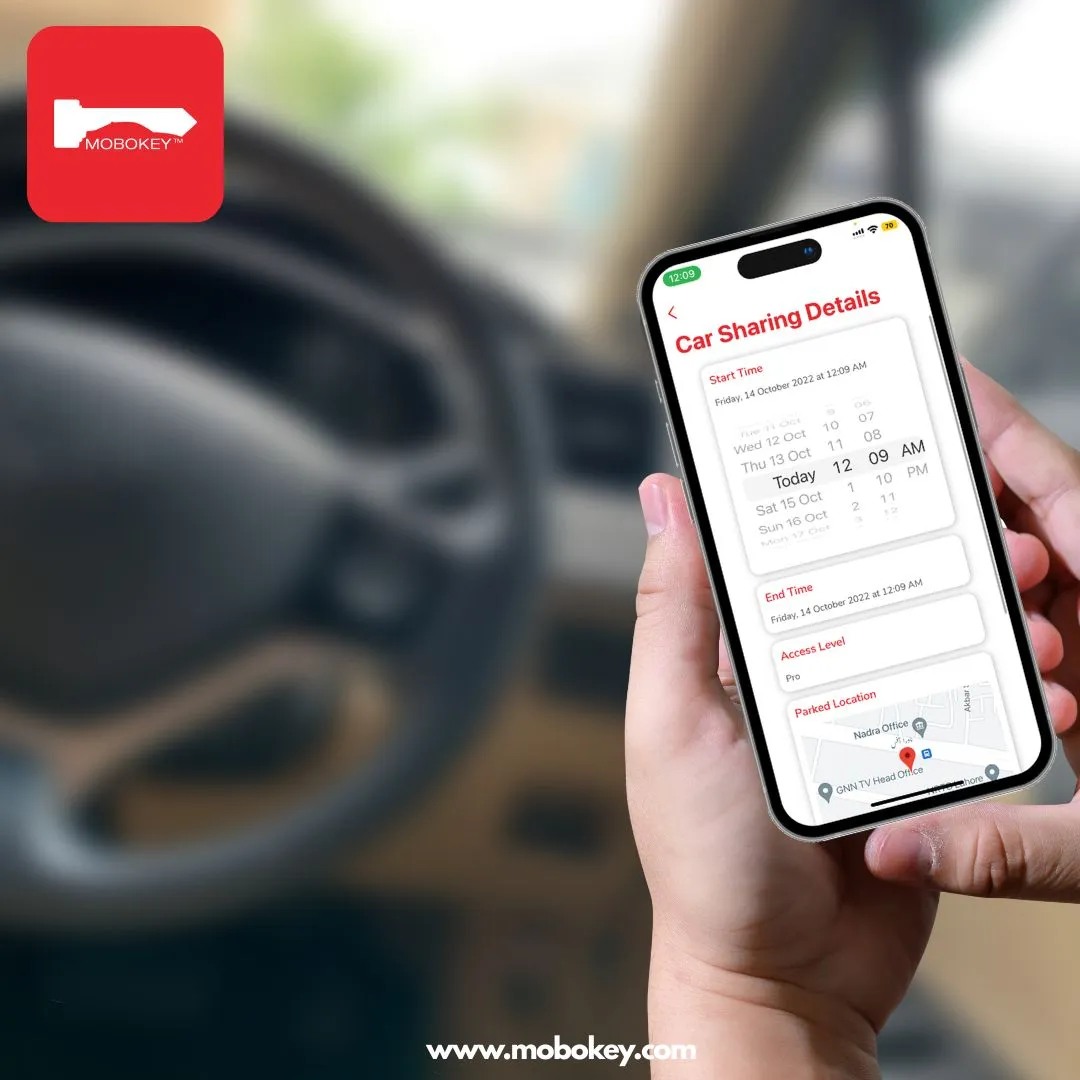
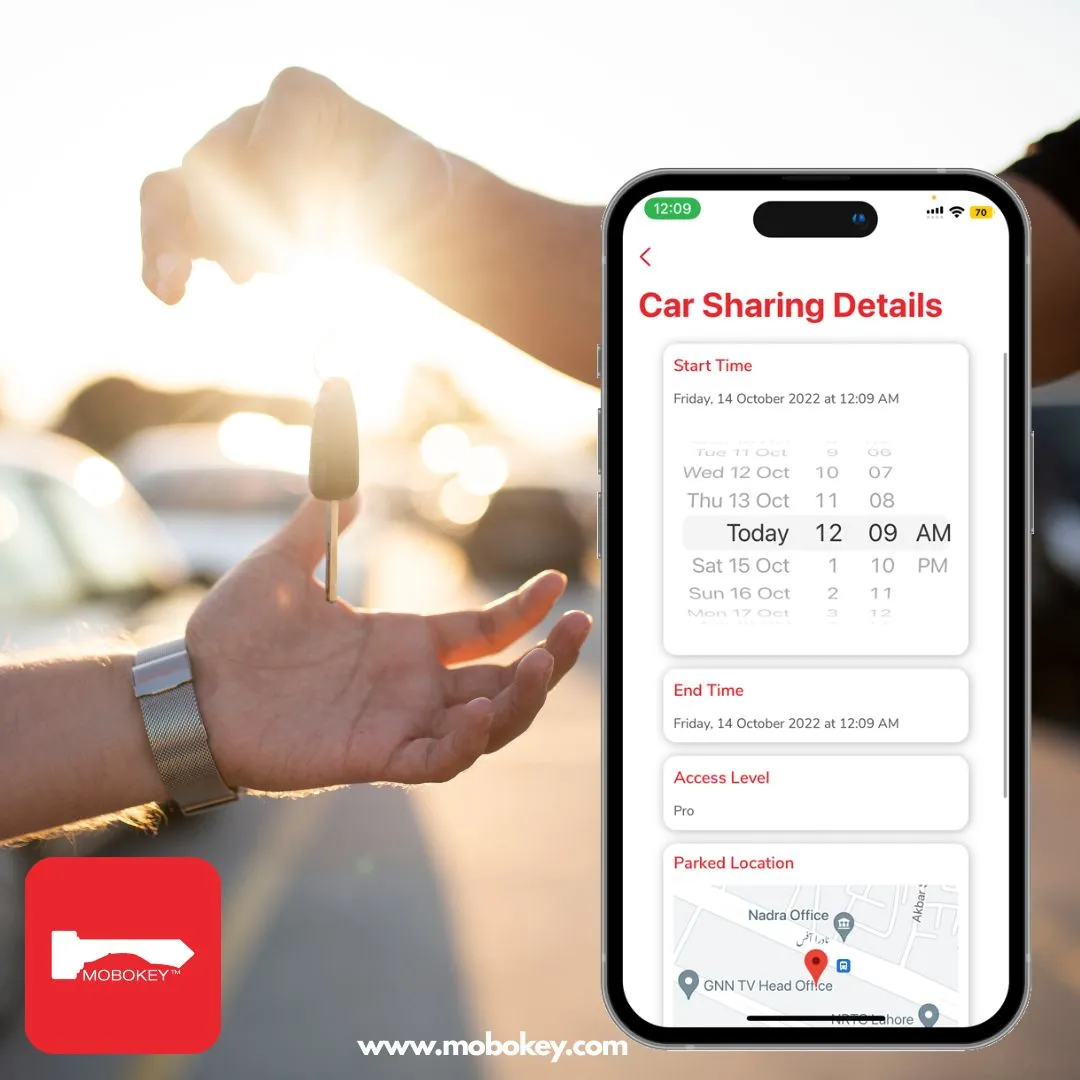
Instead of a physical handoff, the smartphone becomes the key.
-
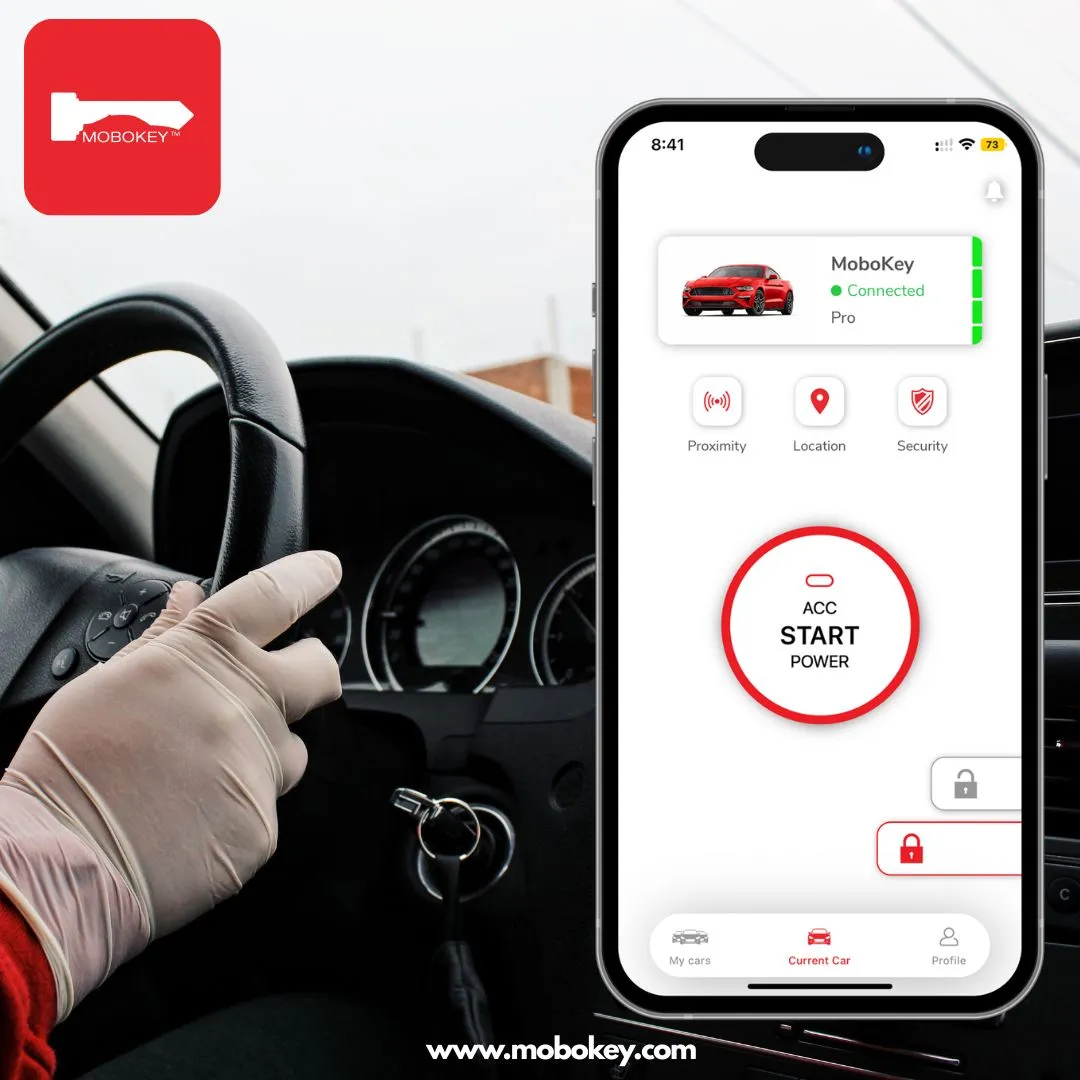
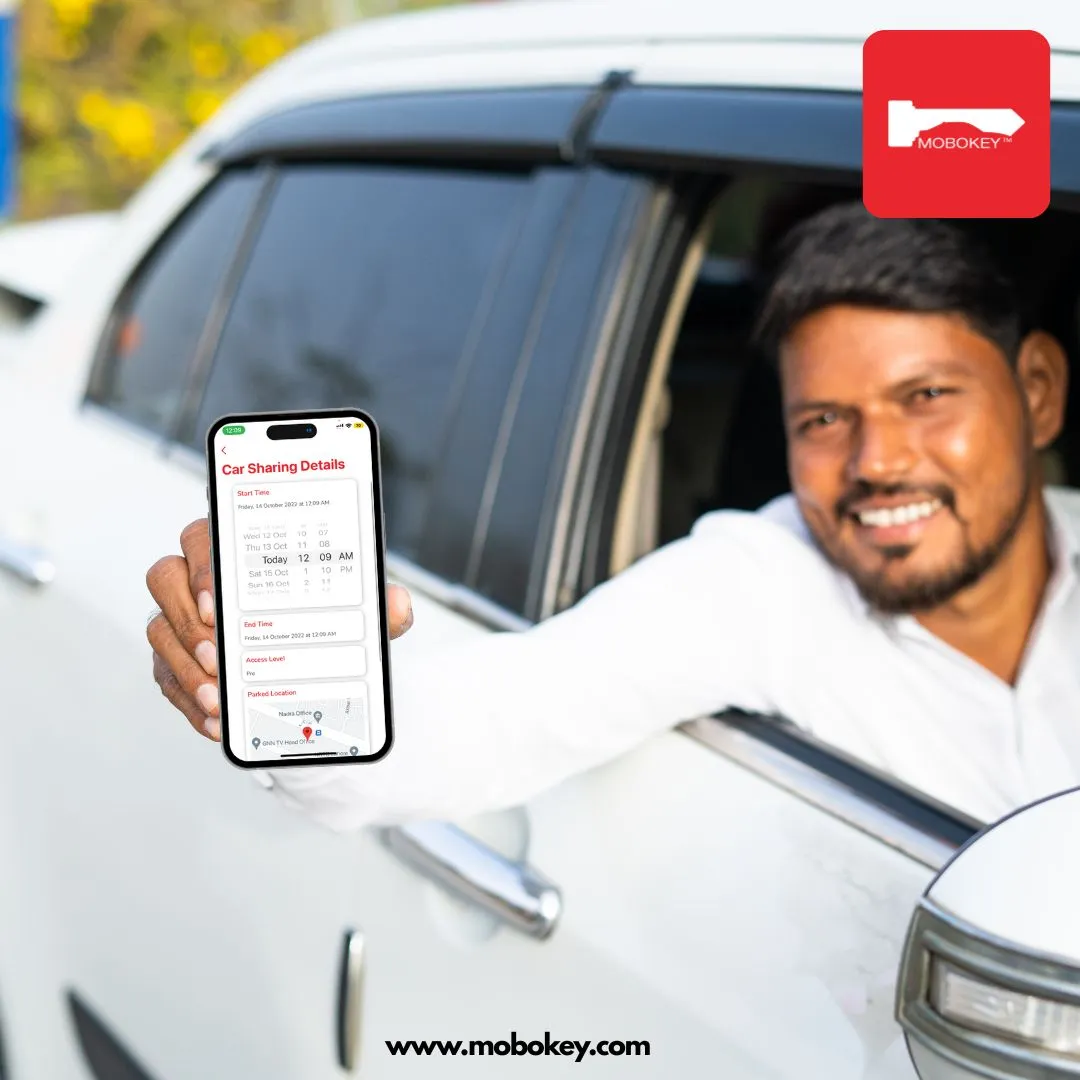
Contactless Access: Platforms like MoboKey allow you to send a secure digital key directly to a user’s phone.
-
Self-Service: Renters can locate, unlock, and start the car entirely through an app. This enables 24/7 operations without the need for staff or physical presence, effectively turning your driveway into an automated rental kiosk.
Challenge 2: Vehicle Theft and Security
The Problem: Leaving a high-value asset like a car on a public street for a stranger to pick up feels inherently risky. Traditional fobs are vulnerable to “relay attacks,” and a lost or copied physical key is an open invitation for theft.
The Tech Fix: Encrypted Access and Remote Immobilization.
Digital keys offer layers of security that physical metal simply cannot match.
-
Remote Kill Switch: If a vehicle is flagged as stolen or a renter refuses to return it, owners can use a Remote Engine Kill feature to disable the ignition instantly from their phone.
-
AES Encryption: Modern systems use 128-bit AES encryption for communication between the phone and the car, making signal interception nearly impossible compared to standard key fobs.
-
Geo-Fencing: AI-powered GPS tracking sends instant alerts if the vehicle leaves a “safe zone” or a predetermined city boundary.
Is your fleet truly safe? Learn more about why Digital Keys are more secure than traditional fobs.
Challenge 3: Unreported Vehicle Damage
The Problem: The “Blame Game” is a classic car sharing challenge. A renter returns a car with a dent, claims it was already there, and without proof, the host is stuck with a $1,000 repair bill.
The Tech Fix: AI-Powered Damage Inspection.
Technology has moved beyond just “taking a few photos.”
-
Computer Vision: Advanced apps now use car damage detection. Renters are required to scan the car with their phone camera before and after the trip.
-
Automated Comparison: The software uses machine learning to compare “before” and “after” images, instantly flagging new scratches or dents with pixel-perfect accuracy. This creates an indisputable digital record, eliminating disputes and ensuring insurance claims are processed in minutes rather than weeks.
Challenge 4: Double Booking and Scheduling Errors
The Problem: “The car wasn’t where the app said it was.” This is the ultimate user-experience killer. Scheduling errors—where two people book the same car or a vehicle isn’t returned in time for the next slot—lead to angry reviews and lost revenue.
The Tech Fix: Automated Real-Time Fleet Management.
Modern tech stacks sync your calendar, vehicle location, and access permissions in real-time.
-
Buffer Automation: Software can automatically set “buffer times” between rentals to allow for cleaning or late returns.
-
Dynamic Access: If a renter is late, the digital key for the next user won’t activate until the car is back and the previous session is closed.
-
Real-Time GPS: Fleet managers can see the live location of every car, ensuring that the car shown as “available” in the app is exactly where it’s supposed to be.
How Integrated Tech Stacks Solve These Issues
The most successful car-sharing businesses don’t just use one piece of tech; they use an integrated stack. By combining digital key technology with AI diagnostics and automated scheduling, you transform a risky venture into a streamlined, passive-income machine.
| Challenge | Manual Approach | Tech-Driven Solution |
| Key Exchange | Physical meeting or lockbox. | Digital Key Sharing. |
| Theft Prevention | Hope for the best. | Remote Engine Kill & GPS. |
| Damage Reporting | Manual notes and guesswork. | Photo Verification. |
| Scheduling | Spreadsheets and sticky notes. | Real-Time Calendar Sync. |
The Hero of the Story: Technology like MoboKey acts as the backbone of these operations, providing the hardware and software necessary to handle the heavy lifting of security and access. Compared to traditional methods, the digital path is safer, cheaper, and infinitely more scalable.
See how MoboKey stacks up against traditional fleet management.
Conclusion: Future-Proof Your Fleet
The transition from ownership to “usership” is the defining shift of the decade. While car sharing challenges are real, they are no longer deal-breakers. By leveraging digital keys and AI-driven management, you can protect your assets and provide a five-star experience that keeps customers coming back.
Overcome these challenges with a robust Digital Key platform. Learn more about MoboKey’s car-sharing solutions today.