
Over the last decade, car-sharing industry has underwent a radical transformation. What began as a local effort involving manual logbooks, a physical handovers has evolved into a global mobility powerhouse. That is driven by automation. To understand how car-sharing systems work today, we must look at the transition from the legacy “managed access” model to the modern “software-defined” model. This shift has not only changed the way users interact with vehicles but has also fundamentally altered the economics of fleet management.
The Evolution of Car Sharing
The history of car sharing is a history of removing friction. Early initiatives in Europe during the mid-20th century were often informal “car clubs” where keys were handed over in person or left in hidden spots. By the late 1990s and early 2000s, the “Zipcar era” introduced the first major technological leap: RFID smartcards. For the first time, users didn’t need to meet a person; they could “tap in” to a car. However, these cars still required a physical key to be tethered inside the vehicle. Today, we have entered the Phone-as-a-Key (PaaK) era, where the smartphone manages the entire lifecycle of a rental, from identity verification to engine ignition, without a single piece of physical hardware changing hands.
Traditional Model: Key Lockboxes and Smartcards
The traditional model, which still exists in some regional or older fleets, relies on physical intermediaries to manage vehicle access.
1. Key Lockboxes
In early peer-to-peer (P2P) or small-scale sharing models. The keys are in physical lockboxes attached to the vehicle or a nearby structure.
-
The Process: A user receives a code via text, unlocks the box, and retrieves the physical key.
-
The Downside: This model is highly prone to theft and vandalism. Furthermore, if a user forgets to return the key to the box, the next renter is stranded.
2. Smartcards (RFID)
Pioneered by traditional car-sharing giants, this model uses a specialized card with a built-in chip.
-
The Process: After being approved, members receive a card in the mail. When they arrive at their reserved vehicle, they tap the card against a reader located on the windshield. The reader verifies the card against a local “allow list” and unlocks the doors.
-
The Logistics: While more secure than a lockbox, this model requires the vehicle to contain a physical key (often in the glovebox or tethered to the steering column) so the user can start the engine.
The Digital Model: App-Based Keyless Entry
The modern digital model eliminates physical keys entirely. Instead, the “key” is a secure, encrypted line of code stored in a smartphone app.
How the Technology Works
Digital car sharing relies on a combination of Bluetooth Low Energy (BLE), NFC, and telematics.
-
Direct Communication: The smartphone communicates directly with a hardware module installed in the vehicle. Because BLE has a range of several meters, the car can “wake up” and unlock automatically as the user approaches.
-
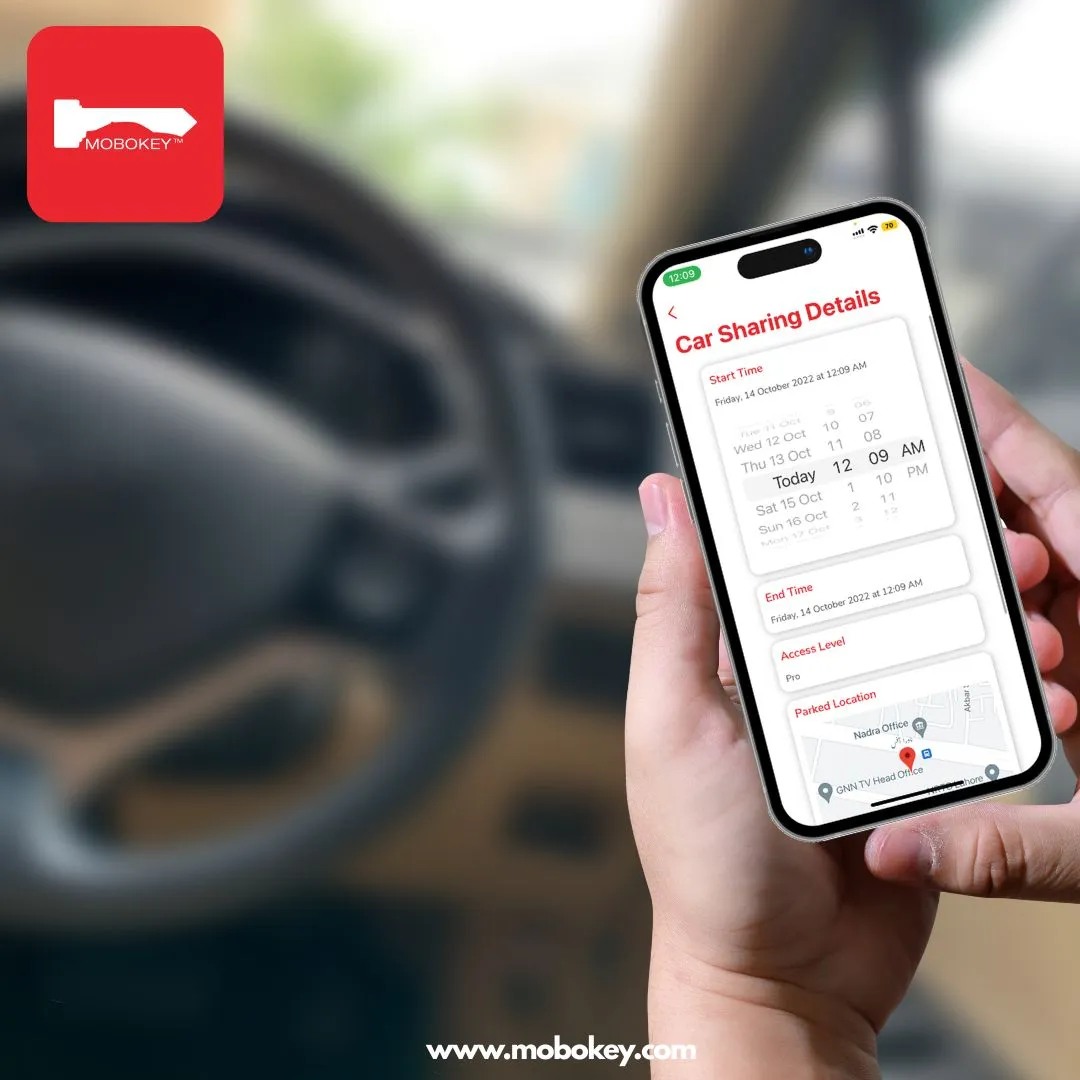
Cloud-to-Vehicle Sync: The fleet operator manages access via the cloud. When a booking is confirmed, a digital certificate is pushed to the user’s phone, authorizing them to use the vehicle for a specific duration.
-
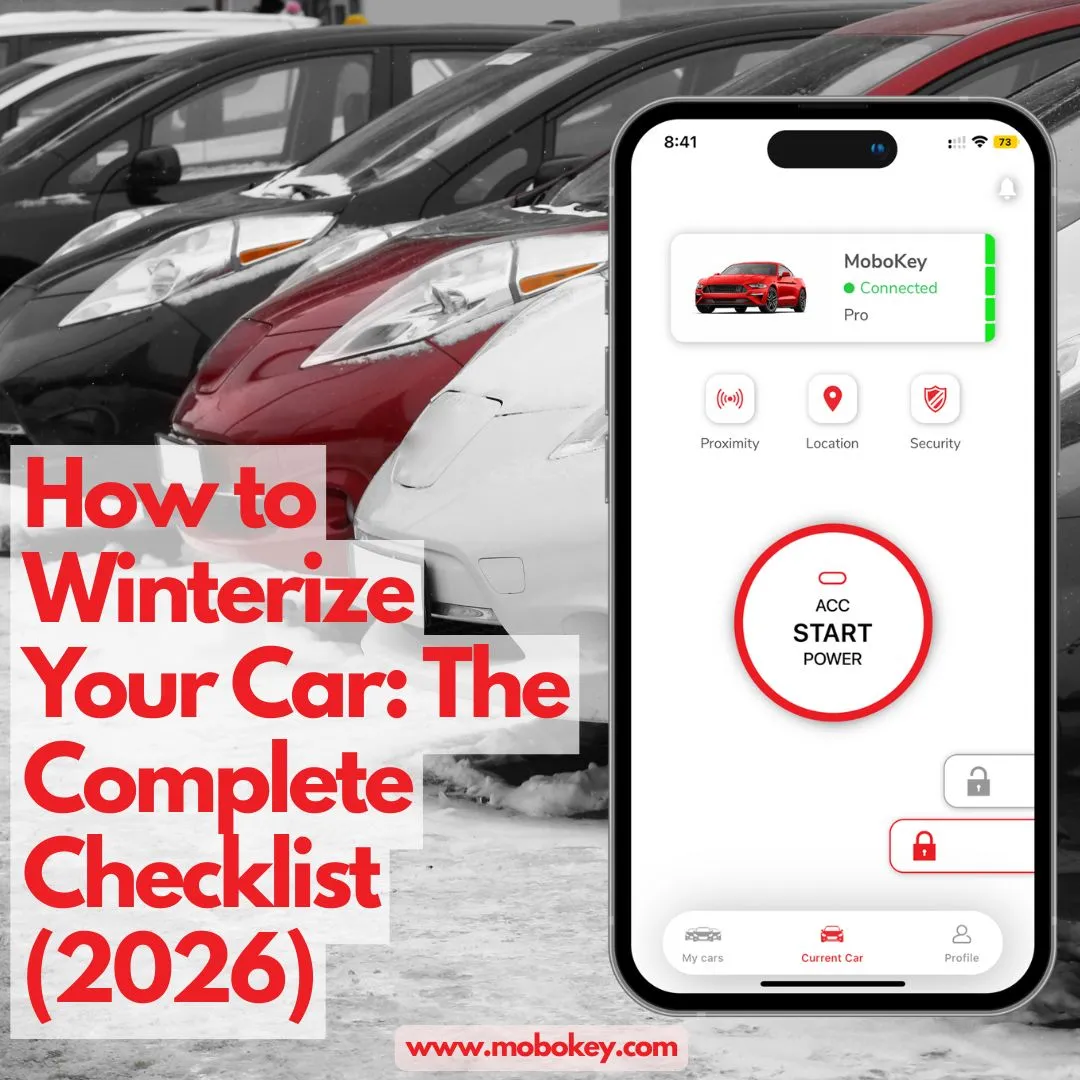
Engine Control: Unlike the traditional model, there is no key inside the car. The digital key authorizes the vehicle’s internal computer to allow a “Push-to-Start” or electronically bypasses the ignition for older turn-key models.
Comparing User Experience (UX)
The user experience is where the digital shift is most apparent.
Comparing Operational Costs
For fleet operators, the difference in maintenance costs is the primary driver for switching to digital keys.
-
Hardware Replacement: Replacing a lost smart fob for a traditional system can cost $200 to $500, plus towing and labor for reprogramming. In a digital model, the cost to “replace” a lost key is zero; the user simply logs into the app on a new device.
-
Staffing and Logistics: Traditional systems often require staff to manage key rotations or physical office presence for card issuance. Digital systems enable 100% unattended pickups, allowing a single manager to oversee 100+ vehicles from a laptop.
-
Maintenance of the “Tether”: In traditional systems, the physical key inside the car is a failure point. If the tether breaks or the key is damaged, the car is out of service.
Why the Industry is Shifting Digital
The mobility market is moving relentlessly toward software-defined access because it offers three things physical keys cannot: security, scalability, and data.
-
Anti-Theft Security:
Digital keys use bank-level encryption. Unlike radio fobs, which are vulnerable to “relay attacks,” digital keys are tied to the user’s biometrics (FaceID/Fingerprint), making them nearly impossible to clone. -
Remote Immobilization:
The operator can remotely “kill” the engine if the car is under threat. Hence preventing the car from starting until the issue is resolved. -
Real-Time Utilization:
Digital systems provide instant data on fuel levels, mileage, and battery health, allowing operators to optimize their fleet and ensure vehicles stay on the road longer.
Building a car sharing platform? Choose the technology that scales.
The era of the “Zipcar card” helped prove the concept, but the future belongs to the smartphone. By eliminating the high costs of physical key management and providing a seamless user journey, digital key technology has become the foundation for profitable, modern car-sharing businesses.
Ready to modernize your fleet? Explore MoboKey vs Traditional Access Solutions Today.