CAN bus injection is a car theft method where thieves splice into the vehicle’s internal network — usually through the headlight wiring — and send fake messages that unlock the doors and disable the immobilizer. No key, no fob, no relay gadget: the car believes its own electronics authorized the start. The attack defeats factory security because the CAN bus trusts every message on it. The defense that works is one the bus cannot talk to: a kill switch on an independent circuit, which no injected message can switch on.
What Is the CAN Bus, and Why Can It Be Hacked?
CAN (Controller Area Network) is the internal network nearly every modern car uses. Dozens of control units — engine, doors, lights, immobilizer — chat over this shared wiring constantly. Here is the design flaw thieves exploit: the CAN bus has no authentication. Any device connected to the wiring can send messages, and every module treats them as legitimate.
Security researchers at Canis Automotive Labs documented the attack in detail after a researcher’s own car was stolen this way. Their analysis showed theft devices — often disguised as Bluetooth speakers and sold openly online — that impersonate the smart key receiver. Once connected, the device simply tells the car “the key is here,” and the car agrees.
How Does the Headlight Hack Work?
The headlight is the access point, not the target. On many vehicles, the headlight wiring connects to the same CAN network as everything else, and the front corner of a car offers the easiest physical reach. The thief pulls back the bumper trim or removes the headlight surround, clips a device onto two wires, and the car’s network is theirs.
From there, the sequence takes under two minutes. The device injects a message announcing the valid key is present. The doors unlock. The immobilizer, which normally blocks the engine without the coded key, stands down because the network told it to. The push-button start works as if the owner were sitting in the seat — and the car drives away.
Notice what is missing: your key fob. Unlike a relay attack, which amplifies the real fob’s signal from inside your home, CAN injection needs nothing from you. Signal-blocking pouches and fob hygiene — the right defenses against relay theft — do nothing here.
How Do the Modern Theft Methods Compare?
| Method | Needs your fob? | Entry point | Beaten by |
|---|---|---|---|
| Relay attack | Yes — amplifies its signal | Keyless entry radio | Fob hygiene, pouches, kill switch |
| CAN bus injection | No | Exposed wiring (headlight) | Independent-circuit kill switch |
| Key cloning / OBD | Sometimes | OBD port, stolen key data | Port locks, kill switch |
| Old-school hotwiring | No | Ignition column | Immobilizers (mostly extinct threat) |
One pattern stands out: every modern method ends at the same wall. A kill switch does not care what the network says.
Which Cars Are at Risk?
More than most owners assume. The vulnerable architecture — an unauthenticated CAN bus reachable from external wiring — is standard across most makes and model years with keyless start. Thieves favor in-demand models whose parts sell quickly, and documented cases span mainstream brands. Some manufacturers have begun shipping countermeasures, like encrypted key messages and gateway modules that isolate exposed wiring. However, the hundreds of millions of cars already on the road will not be retrofitted by their makers.
Trucks and SUVs deserve special mention: they top theft lists, their ride height makes bumper access easier, and their parts demand is relentless. The kill switch guide for trucks covers that side in full.
How Do You Stop CAN Injection Theft?
Make the engine depend on something the bus cannot command. That is the entire logic. A kill switch interrupts a physical circuit — ignition, starter, or fuel — through hardware that ignores CAN messages entirely. A thief can inject “the key is present” all night; the circuit stays open, and the engine stays dead. The full options are in the complete kill switch for a car guide.
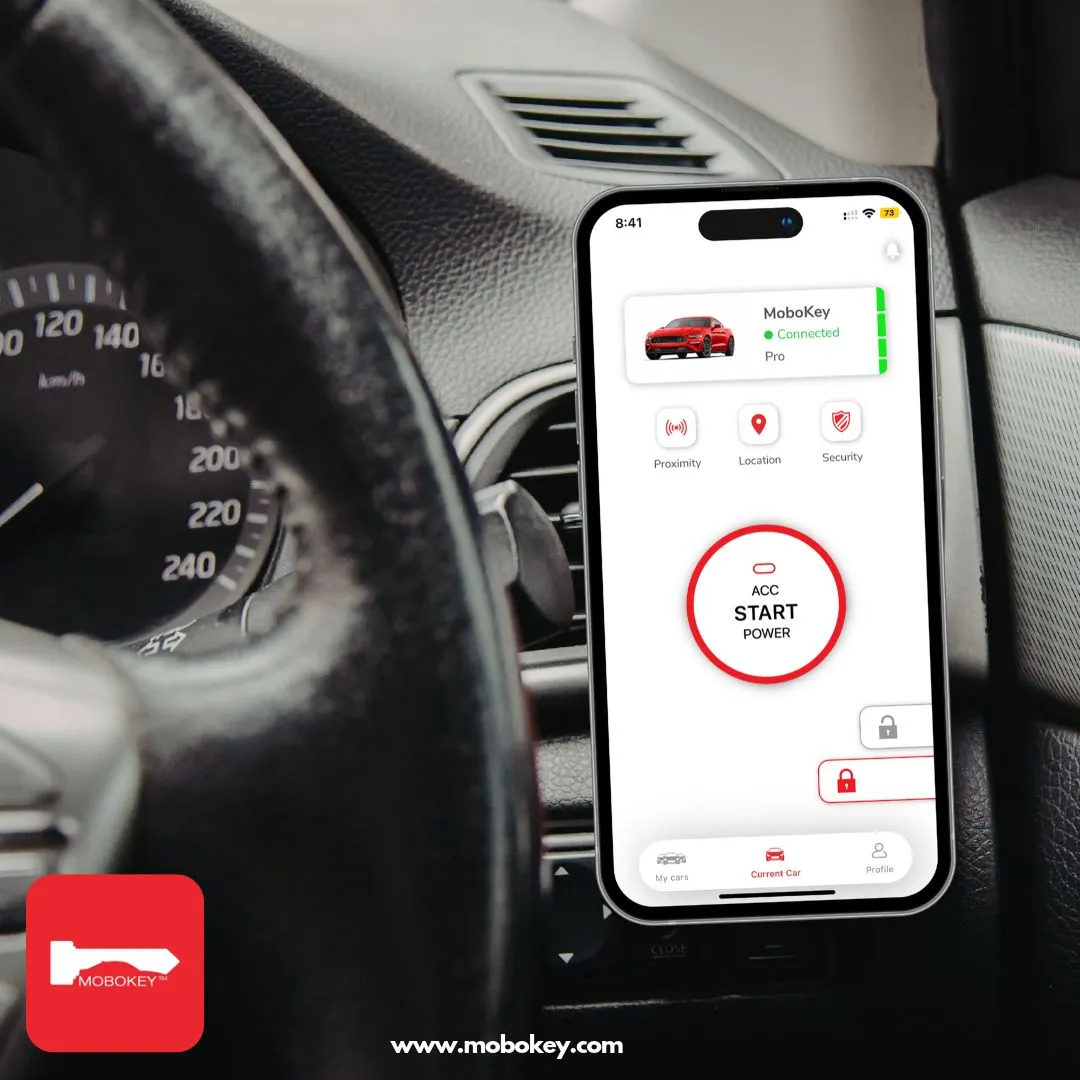
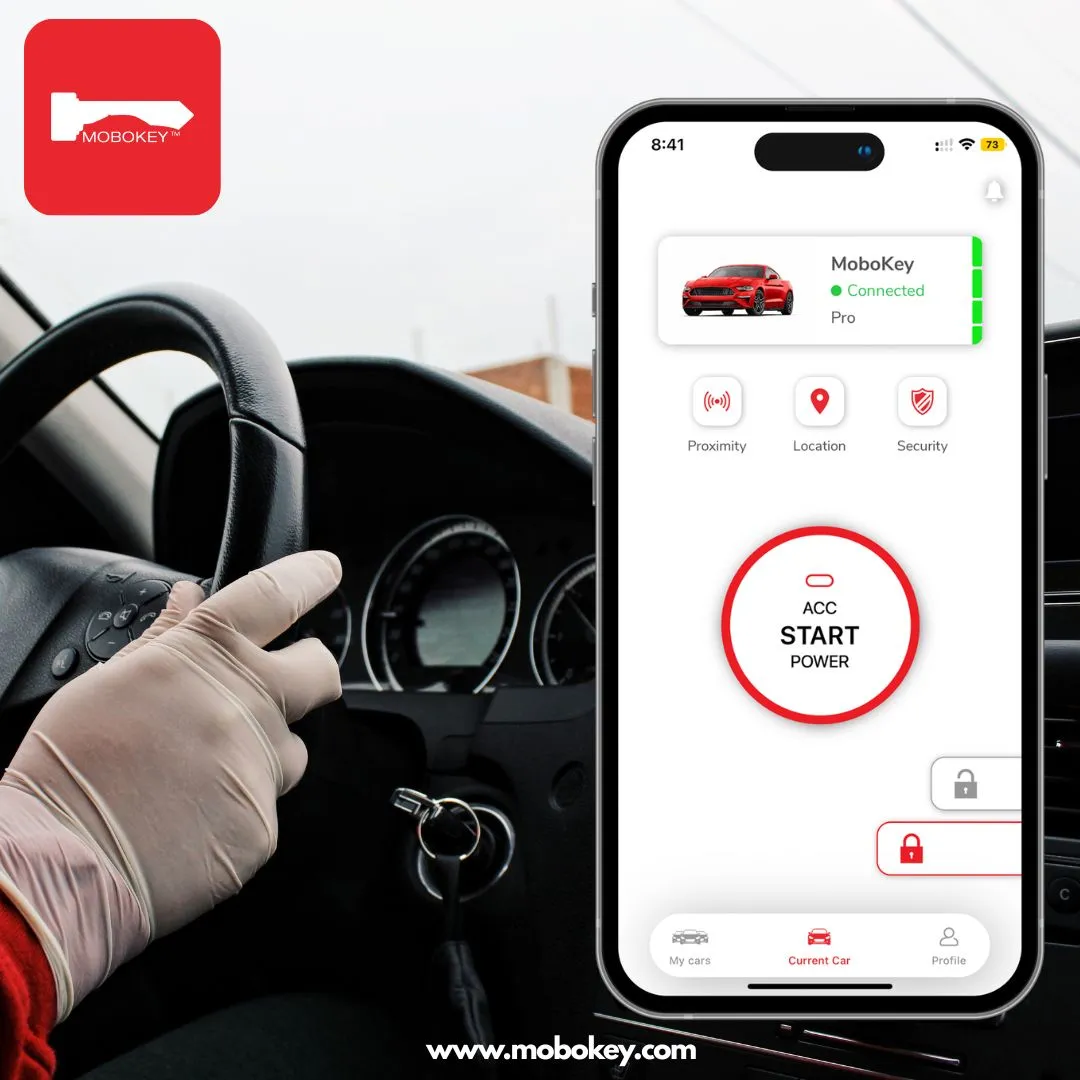
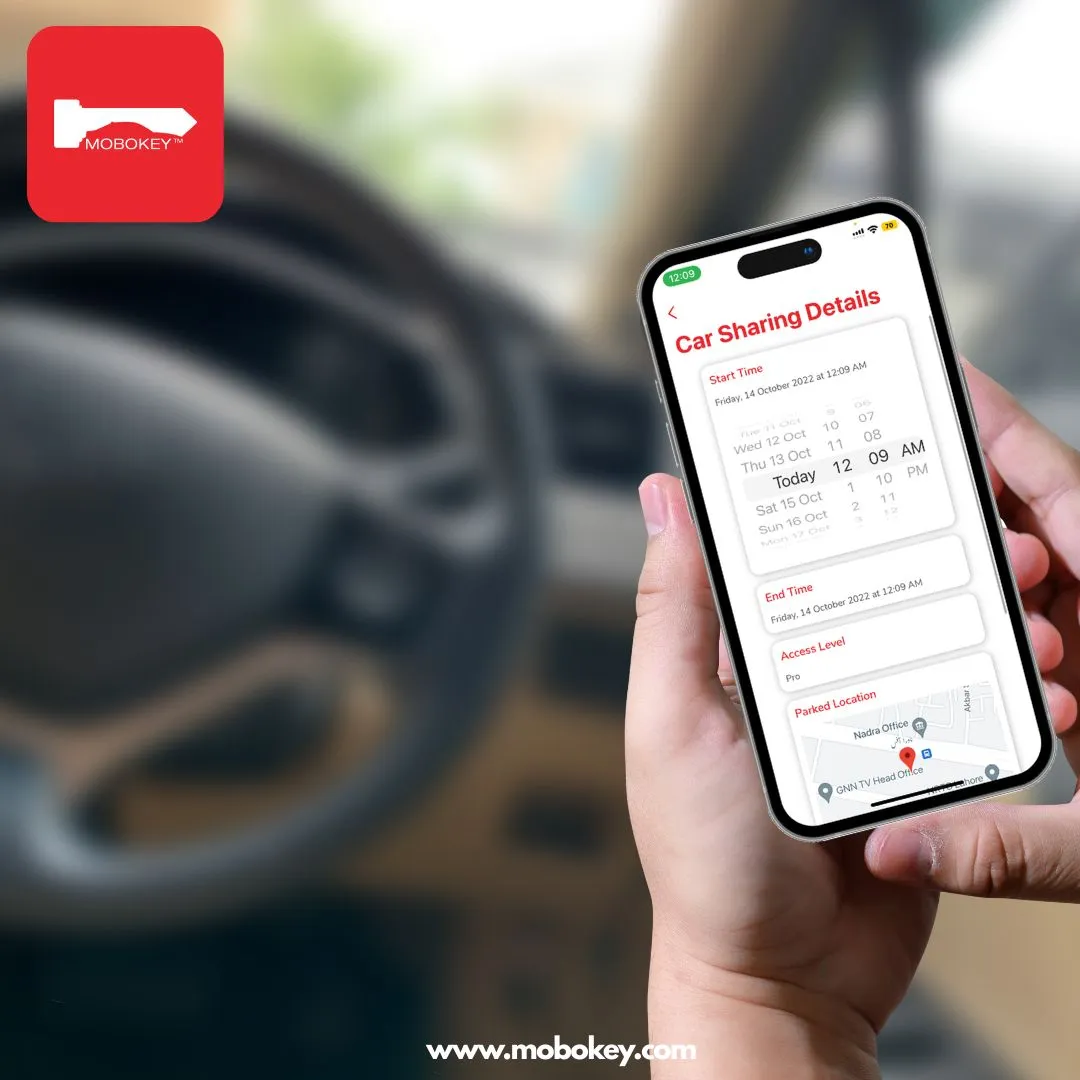
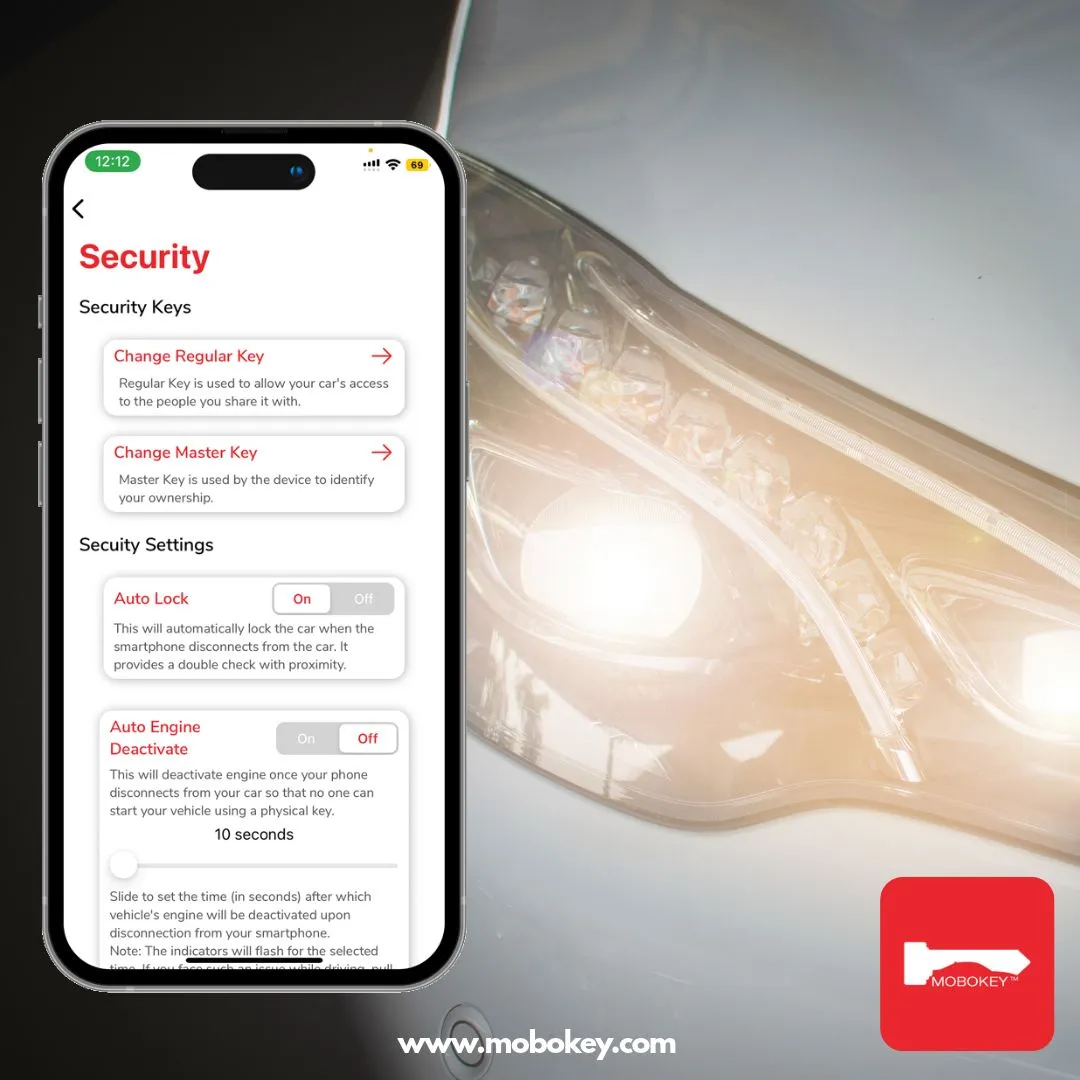
MoboKey applies this with no daily effort. The engine only runs when your authenticated phone is present, over encrypted Bluetooth that never touches the CAN bus for authorization. If a car somehow starts without your phone nearby, proximity kill shuts it down — and you can trigger the remote kill from anywhere, then follow the car’s parked location. Layer a visible deterrent on top for the opportunists, and park nose-out against a wall where headlight access is awkward; our anti-theft device rankings order every layer by effectiveness.
Frequently Asked Questions: CAN Bus Injection
A theft method where a device is spliced into the car’s internal network — usually via headlight wiring — and injects fake messages that unlock the doors and disable the immobilizer. The car starts as if the real key were present. No fob or signal relay is involved.
Access, not the light itself. The front corner of the car offers the easiest reach to CAN wiring — often behind a bumper trim piece that pops off in seconds. Once any two bus wires are exposed, the whole network is reachable.
No. Pouches block relay attacks, which need your fob’s signal. CAN injection needs nothing from your key at all — the attack happens entirely at the car. It requires a defense at the car: an independent kill switch.
Most keyless-start vehicles share the vulnerable architecture, and documented thefts span mainstream brands. Newer models from some makers include countermeasures, but cars already on the road generally stay vulnerable unless the owner adds protection.
A kill switch on an independent circuit. Because the interruption is physical hardware outside the CAN bus, no injected message can bypass it. MoboKey adds this automatically: the engine runs only with your authenticated phone present, plus remote kill and location if anything moves.
No. A relay attack borrows your real fob’s signal from nearby; CAN injection fakes the key’s presence inside the car’s own wiring, no fob needed. Fob hygiene stops the first. Only car-side hardware stops the second.
Ready to go keyless? Visit mobokey.com or contact us today to get started.