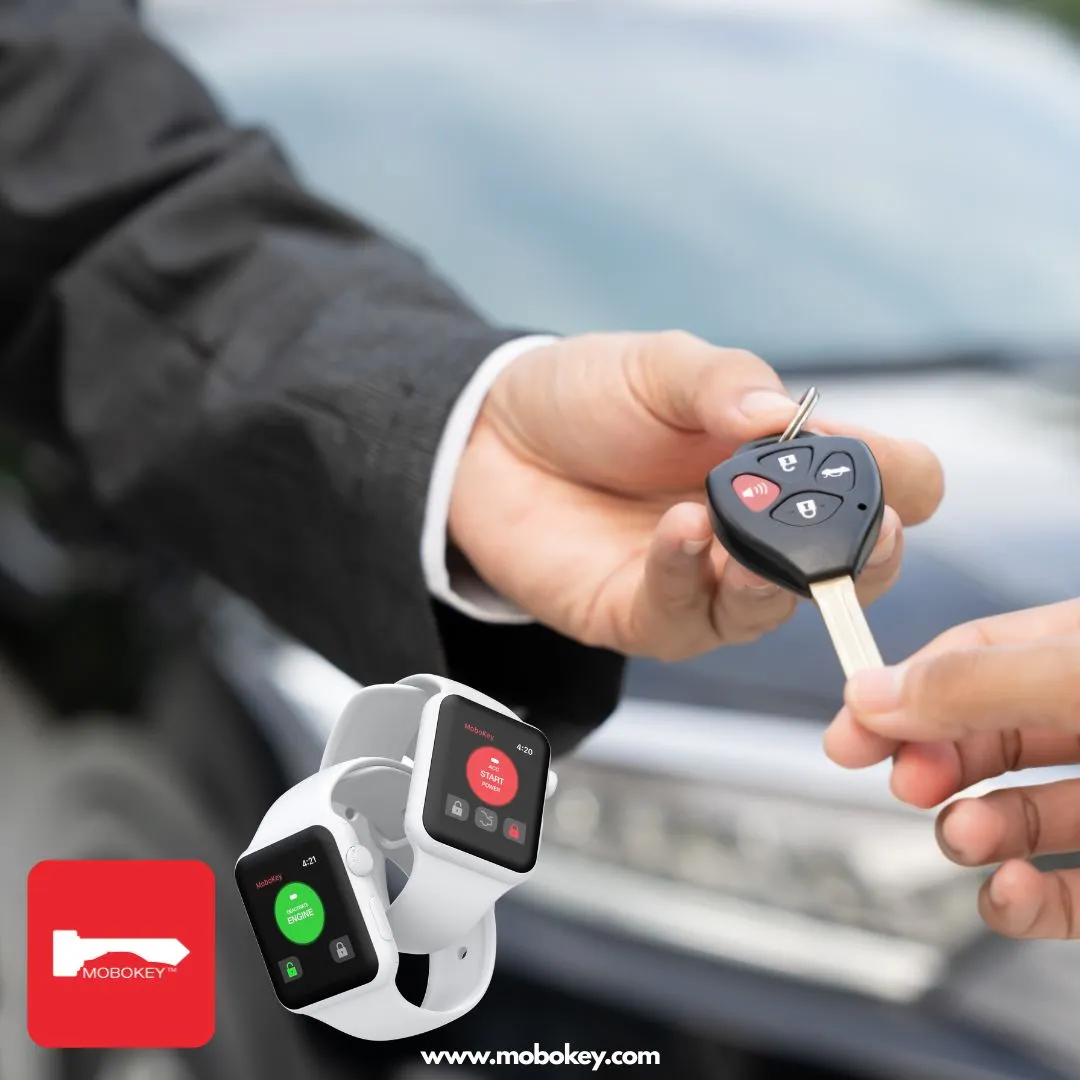
For decades, the “pegboard and logbook” was the gold standard for fleet management. But in 2026, those physical brass keys and plastic fobs are increasingly viewed as a liability rather than a tool. As fleets become more connected and data-driven, the friction caused by physical keys, lost fobs, manual handovers, and security blind spots—is becoming a financial burden that most operators can no longer ignore. The shift toward replacing physical keys in fleets is no longer just a trend for high-tech startups; it has become a strategic necessity for ROI-focused enterprises.
The Problem: The High Cost of “Analog” Access
Managing physical keys in a commercial environment is a logistical nightmare that compounds with every vehicle added to the fleet.
-
The “Lost Key” Tax: Replacing a modern smart fob in 2026 can cost between $500 and $1,500 once you factor in hardware, dealer programming, and emergency labor.
-
Operational Friction: Physical handovers require drivers to meet in person or use insecure lockboxes, wasting up to 15–20% of a shift on administrative coordination.
-
Asset Downtime: When a key goes missing, the vehicle sits idle. For many fleets, unplanned downtime costs an average of $300 to $500 per day in lost revenue.
-
Security Blind Spots: Physical keys leave no audit trail. Once a fob is handed over, managers lose all visibility into who is actually operating the vehicle.
The Solution: Software-Defined Fleet Access
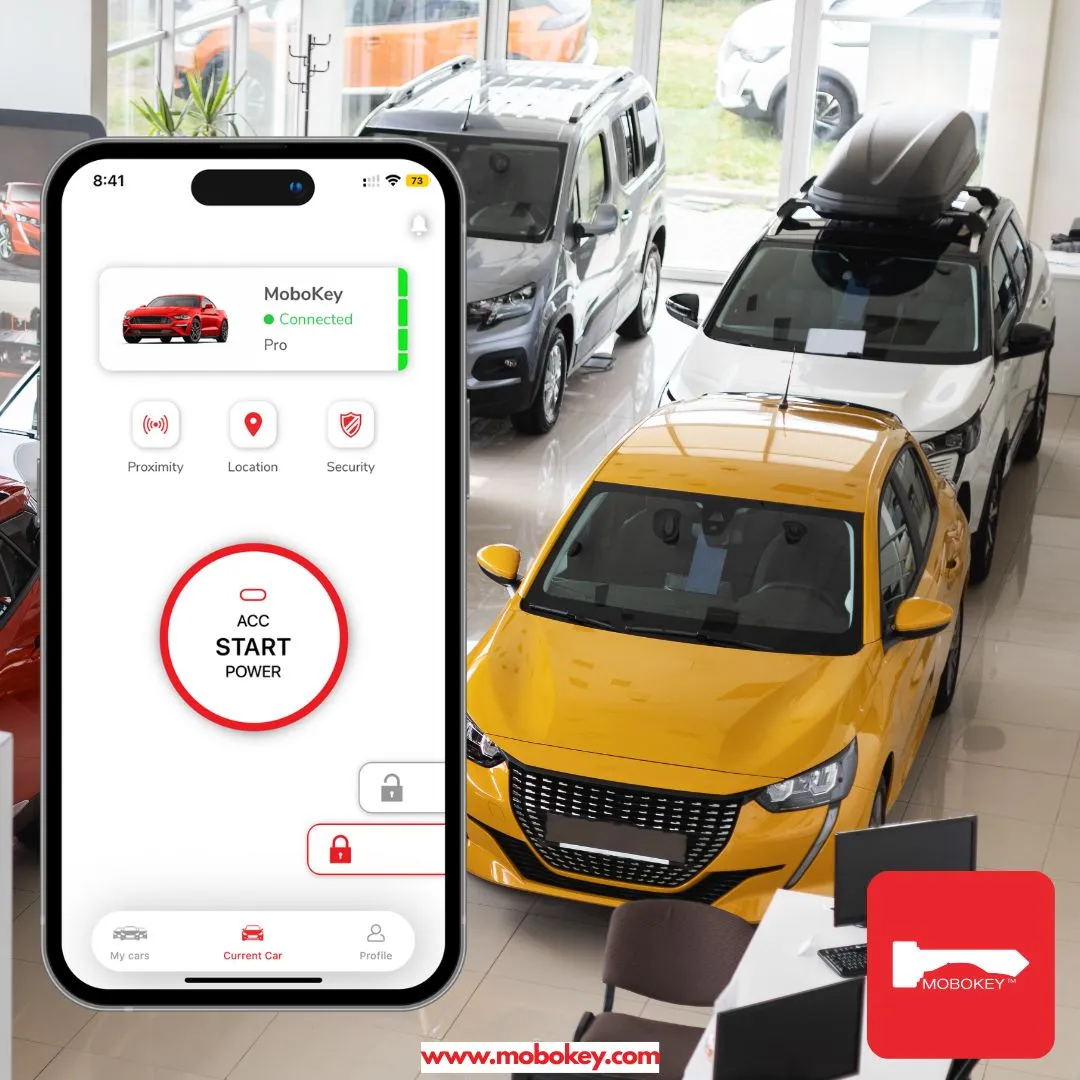
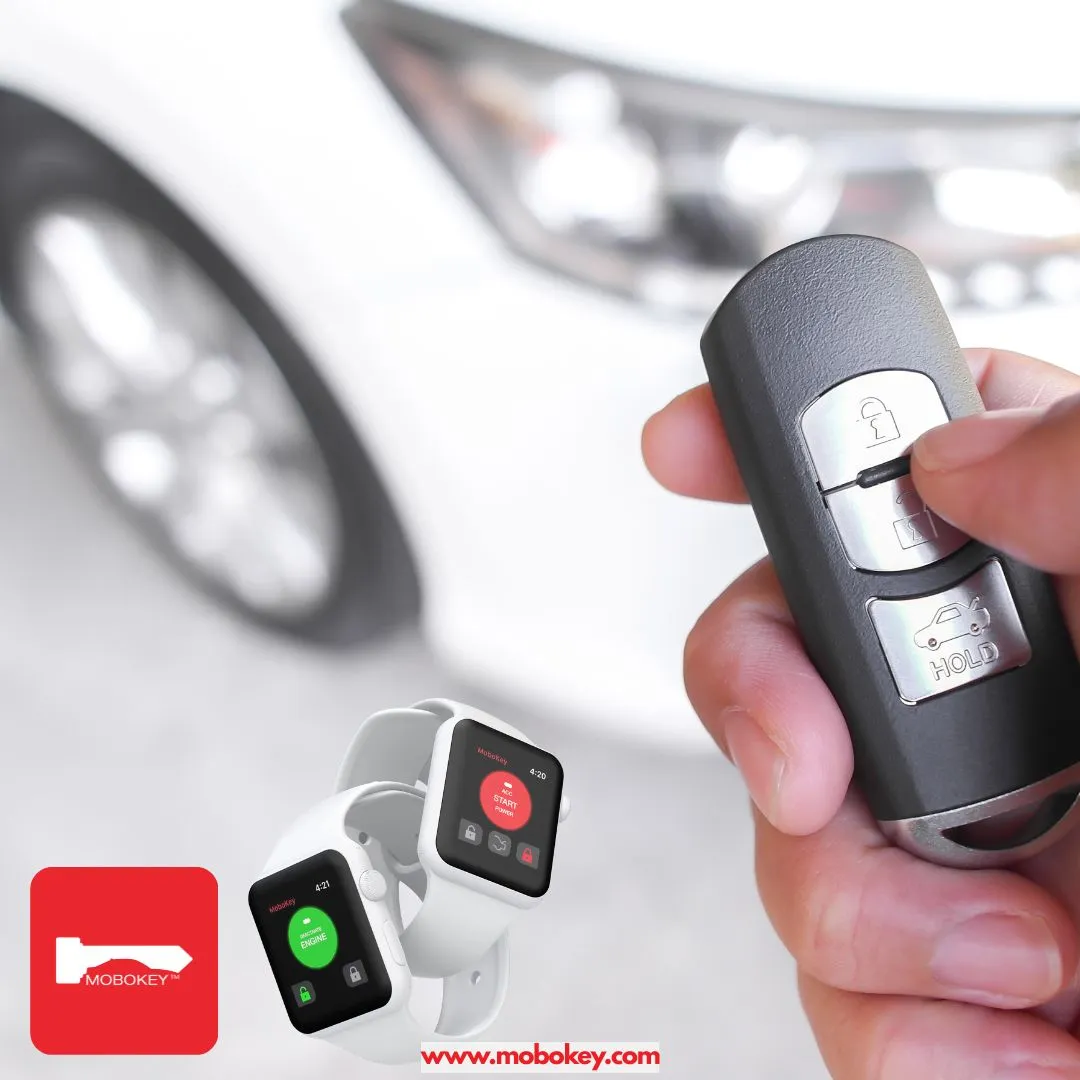
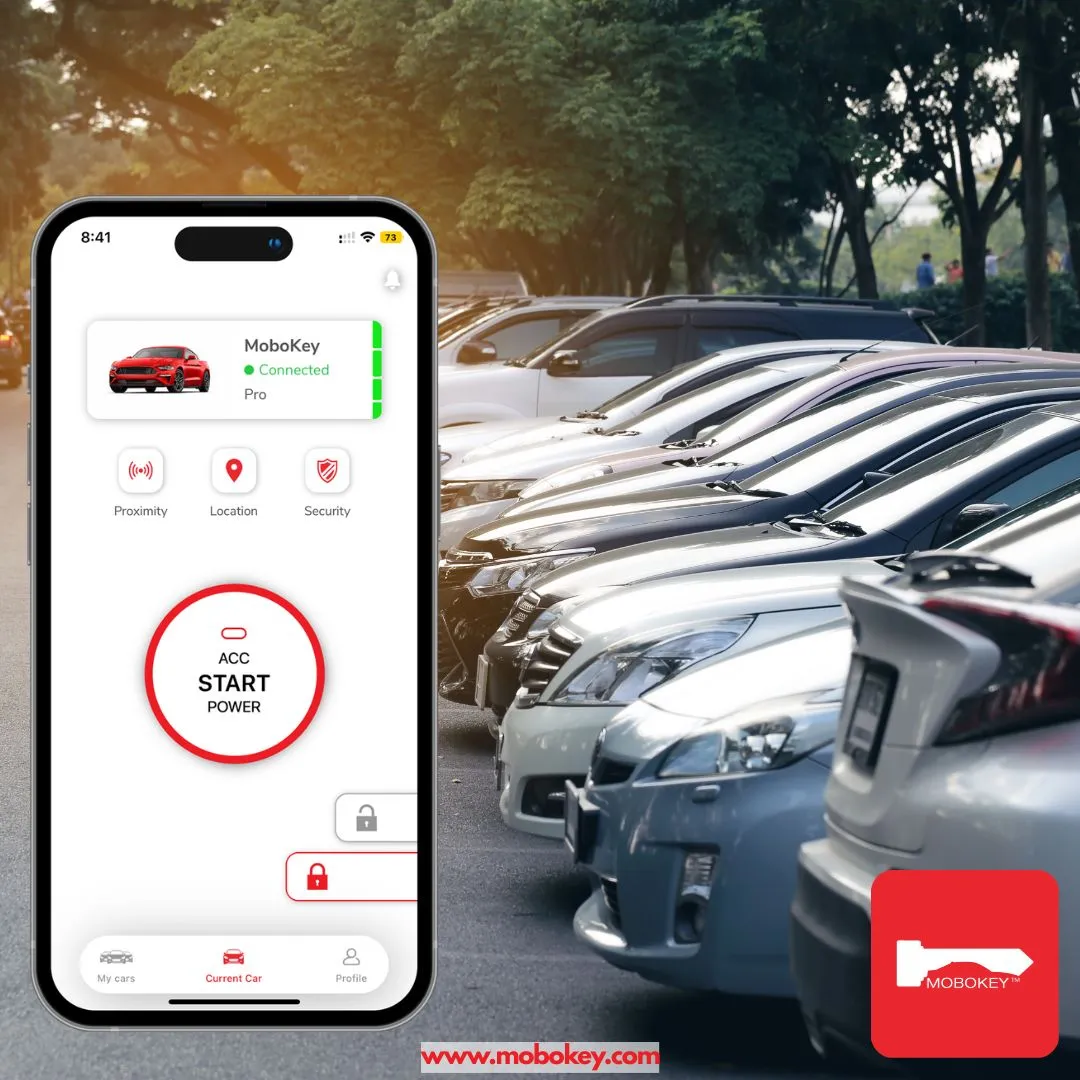
A digital key solution, like MoboKey, replaces physical hardware with an encrypted digital credential stored on the driver’s smartphone. By moving to a Phone-as-a-Key (PaaK) model, businesses effectively “delete” the physical asset that gets lost or stolen.
Key Features Driving the Digital Shift
-
Instant Key Provisioning: Grant, extend, or revoke vehicle access via a central cloud dashboard. This allows for 100% contactless pickups and 24/7 self-service operations.
-
Remote Engine Kill: If a vehicle is reported stolen or a rental period ends without payment. Managers can remotely disable the starter, rendering the car an immovable object instantly.
-
Role-Based Access Control (RBAC): Assign permissions based on job roles. For example, a mechanic can have “Unlock-only” access for maintenance, while a driver has full “Start & Drive” permissions.
-
Hybrid Connectivity: Advanced hardware uses Bluetooth Low Energy (BLE) to ensure the “key” works even in underground garages or rural areas with no cellular signal.
The Business Value: ROI and Strategic Benefits
Permanent Cost Avoidance
By replacing physical keys, you stop paying for hardware replacements. Data shows that companies implementing digital key tracking see a 30% decrease in lost key incidents almost immediately. For a 50-vehicle fleet, avoiding just five lost keys a year saves up to $7,500 in hardware costs alone.
Increased Fleet Utilization
Digital access allows for faster turnarounds between drivers. Without the need for manual key handovers, fleets can achieve over 90% vehicle utilization, as assets are never sidelined due to “missing keys”.
Comparison: Physical Keys vs. Digital Access
| Feature | Physical Key Fobs | Digital Keys (MoboKey) |
| Replacement Cost | $500 – $1,500 per incident | Zero (Digital re-issue) |
| Audit Trail | Manual / Paper logs | Automated Real-Time Logs |
| Theft Response | Reactive (Call police) | Proactive (Remote Immobilization) |
| Coordination | Manual handovers | Instant Cloud Sharing |
| Scalability | High admin overhead | Infinite via Platform |
ROI: The Future of Profitable Mobility
The transition to digital keys typically provides an ROI in less than 12 months. Beyond the direct savings on lost keys, fleets see a 25% increase in staff productivity because teams no longer waste time searching for fobs or coordinating handovers. One company reported saving over 10 hours of data entry per week by automating their access logs.
Explore our Fleet Access Control solutions or learn how to launch a car-sharing business today.
Conclusion: Digital Ownership is the Future
The era of the “Pegboard” is fading. For businesses looking to scale in 2026, replacing physical keys in fleets is the most effective way to lower costs, improve security, and empower a mobile workforce. By removing the physical key, you remove the biggest barrier to your company’s growth.
Ready to modernize your fleet? Talk to our Experts or Schedule a Live Demo today.