ConnectedCars

Digital Access Control for Corporate Vehicle Fleets

In the world of corporate operations, a vehicle is more than just a means of transport. It is a mobile office, a critical tool, and a high-value asset. However, many companies still manage these assets using 20th-century methods. Handing out physical keys from a desk or relying on a manual sign-out sheet. It is a recipe for operational blind spots and security risks. Corporate fleet access control has evolved. By moving to digital, smartphone-based access, companies are transforming their fleets. High-accountability environments where every mile and every minute is accounted ........

2026-01-24T18:01:35+05:00Categories: Car Access|Tags: , , |

Contactless Car Sharing: The Future of Shared Mobility

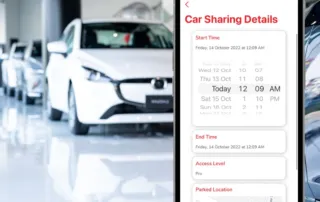
If you run a small or medium-sized car rental business, you’ve likely felt the ground shifting beneath your feet. For years, the "big guys" dominated with massive airport fleets and expensive desk staff. But things have changed. We are living in an era where consumers don't just want a car; they want instant access. The old routine of waiting in line, signing physical stacks of paper, and doing a manual key hand-off feels like a relic of the past. Contactless car sharing is no longer just a futuristic concept. It ........

Common Car Sharing Challenges & How Tech Solves Them

The car-sharing revolution is in full swing, with the market projected to reach $18.6 Billion by 2026. For fleet owners and Turo hosts, this growth represents a massive opportunity—but it also brings a unique set of headaches. If you’ve ever dealt with a lost key at 2:00 AM, a "missing" car that wasn't where the app claimed, or a dispute over a mystery scratch, you know that the "sharing" part of car sharing is often the hardest. However, the same technology driving the industry's growth is also its most effective ........

How Digital Keys Reduce Operational Costs in Car Sharing

In the competitive car-sharing market of 2026, profitability is no longer just about fleet size, it is about operational leanliness. For many operators, the largest drain on the Profit and Loss (P&L) statement isn't the vehicles themselves, but the "hidden" costs of manual logistics. The transition to digital keys is a strategic move that shifts your business from a hardware-centric model to an automated, software-defined one. By digitizing the core of the rental experience,  the key, operators can achieve a massive OpEx reduction and unlock a scale that physical handovers ........

2026-01-20T21:06:22+05:00Categories: Car Sharing|Tags: , , |

Car Sharing System Comparison: Essential Features for 2026

The car-sharing market has reached a point of maturity where "basic" functionality is no longer enough to stay competitive. In 2026, the industry is shifting its focus from simple expansion to long-term unit economics and operational profitability. For fleet operators, the difference between a high-maintenance burden and a scalable asset lies in the technology stack. When performing a car sharing system comparison, don't just look at the price tag—look at how these five critical features will safeguard your ROI and user experience. 1. Reliability and Connectivity (Bluetooth vs. Cellular) Connectivity ........

How to Launch a Car Sharing Business Using Digital Keys

The dream of owning a car-sharing business has never been more attainable. In 2026, the global shift toward "access over ownership" has turned what was once a niche hobby into a multibillion-dollar industry. For startups and young entrepreneurs, the barrier to entry isn't just about how many cars you have; it’s about how efficiently you can manage them without being physically present. This guide serves as your strategic roadmap to launching a car-sharing business, using digital key technology as the primary enabler for a hands-off, highly profitable model. 1. Market ........

How Car Sharing Systems Work: Traditional vs. Digital Models

Over the last decade, car-sharing industry has underwent a radical transformation. What began as a local effort involving manual logbooks, a physical handovers has evolved into a global mobility powerhouse. That is driven by automation. To understand how car-sharing systems work today, we must look at the transition from the legacy "managed access" model to the modern "software-defined" model. This shift has not only changed the way users interact with vehicles but has also fundamentally altered the economics of fleet management. The Evolution of Car Sharing The history of car ........

Digital Keys for Multi-Vehicle Access Management

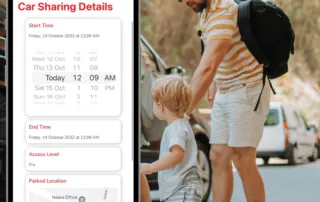
In high-stakes environment of fleet operations, the "key" to efficiency is often a literal one. For years, managers have been burdened by the logistical nightmare of physical key fobs. Manual handovers, lost keys, and constant friction of switching drivers between vehicles. However, as the industry shifts toward software-defined mobility. Multi-vehicle access management is evolving into a streamlined, digital-first operation. Fleet operators can now manage 10 or 100 cars as easily as they manage an email inbox. Simply replacing physical hardware with encrypted digital credentials. MoboKey is offering a multi-vehicle access ........

How Digital Keys Enable Contactless Car Rentals

The car rental industry is undergoing a rapid evolution. Contactless car rental services are becoming the standard. Traditional operations that rely on manual key handovers or physical offices do not scale efficiently. They create bottlenecks for both operators and customers. By replacing physical keys with secure, app-based digital keys, businesses can now offer a completely remote, 24/7 rental experience. The Demand for Contactless Service Modern travelers increasingly prioritize speed and ease of use, making a "skip the counter" experience a high expectation rather than a luxury. Convenience and Speed: Contactless ........

Are Digital Car Keys Secure for Commercial Fleets?

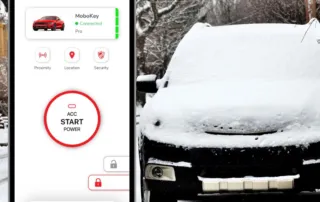
In the fast-paced world of B2B logistics and vehicle mobility, operational friction is the silent killer of profitability. For decades, fleet managers have been tethered to the physical key. A small piece of hardware that creates massive logistical bottlenecks, security vulnerabilities, and administrative headaches. However, as fleets evolve into mobile data hubs, the transition to digital keys for fleet management is no longer a futuristic concept but a strategic necessity. By replacing traditional fobs with encrypted mobile credentials, organizations can achieve a measurable Return on Investment (ROI) while fundamentally streamlining ........

Go to Top