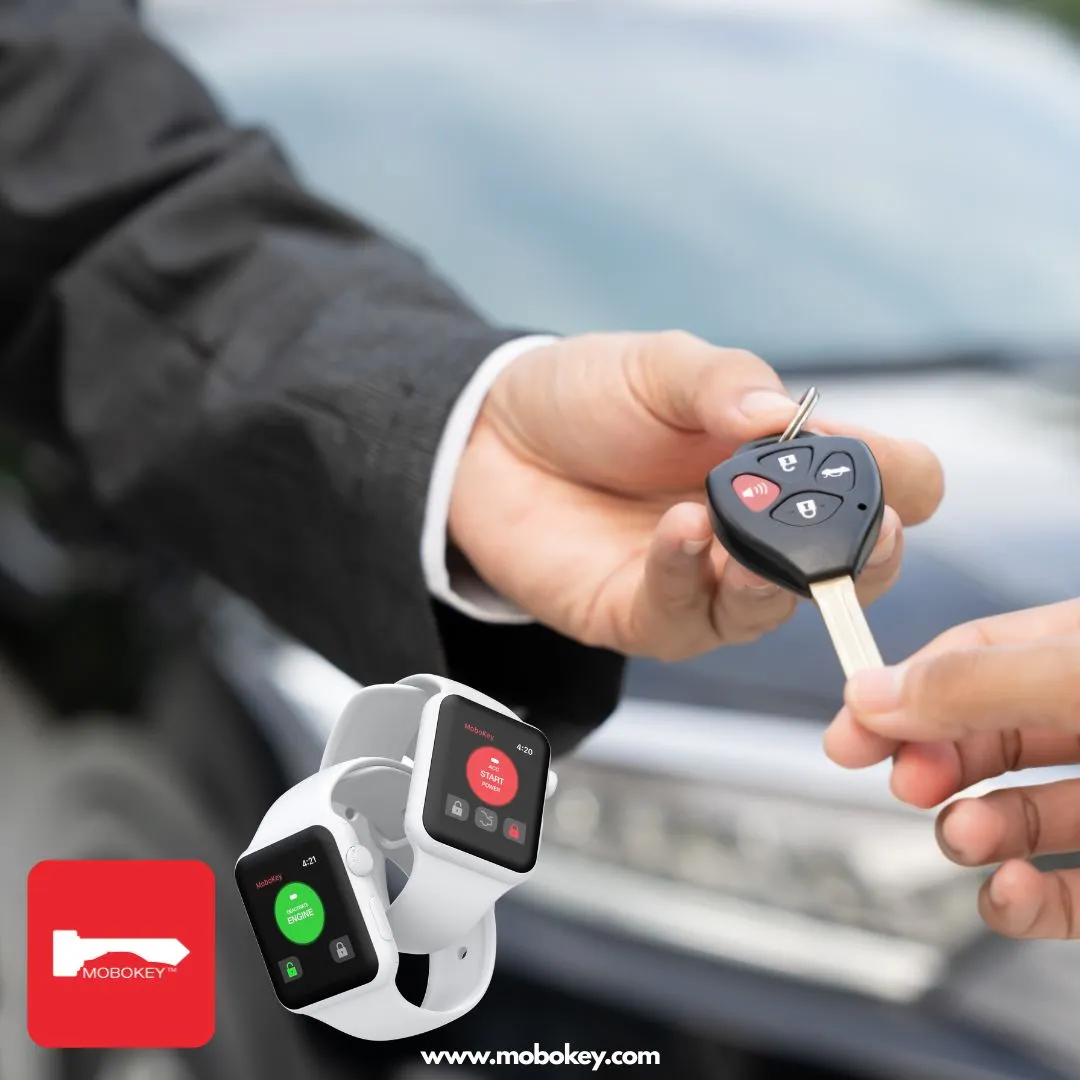

The transition of car sharing from a niche communal effort to a global mobility powerhouse. We define it by the evolution of its access technology. To understand how car-sharing systems work today, one must contrast the legacy “station-based” hardware with the modern “free-floating” digital ecosystem. It takes us to understand MoboKey vs. Traditional Car Sharing Systems
The Evolution of Car Sharing
The earliest car-sharing initiatives, dating back to 1948 in Switzerland, were manual and informal. By the late 1990s, the “Zipcar era” introduced a more formalized approach. Relying on station-based pickups where vehicles were located at designated hubs. This model evolved from manual key handovers to the use of RFID-enabled smartcards. RFID cards allowed members to tap into vehicles. Today, the industry is in the “Phone-as-a-Key” era. Today, smartphone apps have eliminated the need for secondary physical credentials altogether.
Traditional Model: Key Lockboxes and Smartcards
Traditional car-sharing infrastructure relies on physical intermediaries to manage access.
-
Key Lockboxes:
In early peer-to-peer or station-based models, keys are in lockboxes near the car. This required users to input a manual code, introducing logistical friction and security risks. -
Smartcards (RFID):
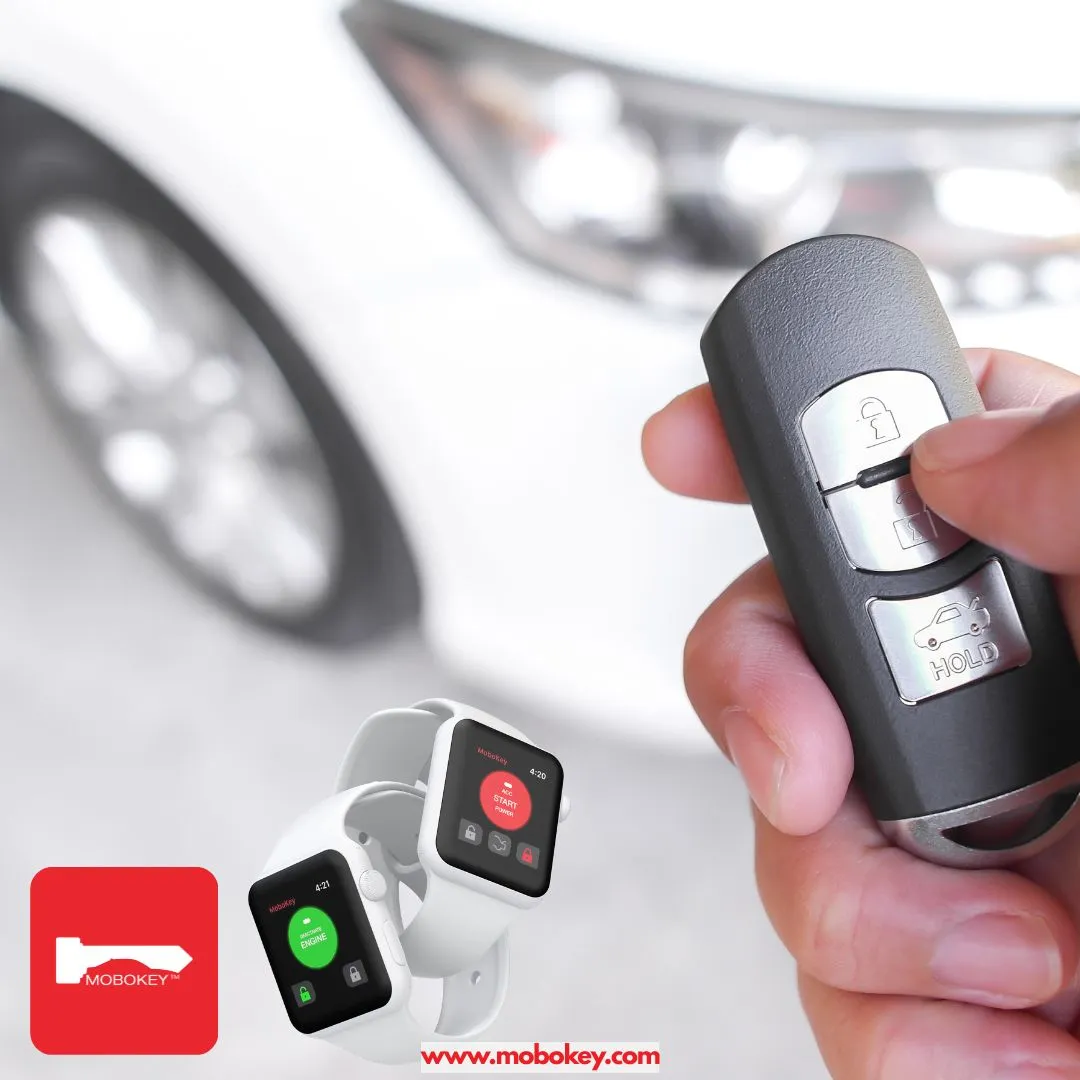
Organizations like Zipcar pioneered the use of RFID cards. A user would tap their membership card against a reader on the windshield to unlock the doors. They eventually find the physical key tethered inside the car. -
Station Dependency: Because physical keys or cards were involved, these programs were typically station-based. Cars had to be picked up and dropped off at fixed locations.
The Digital Model: App-Based Keyless Entry
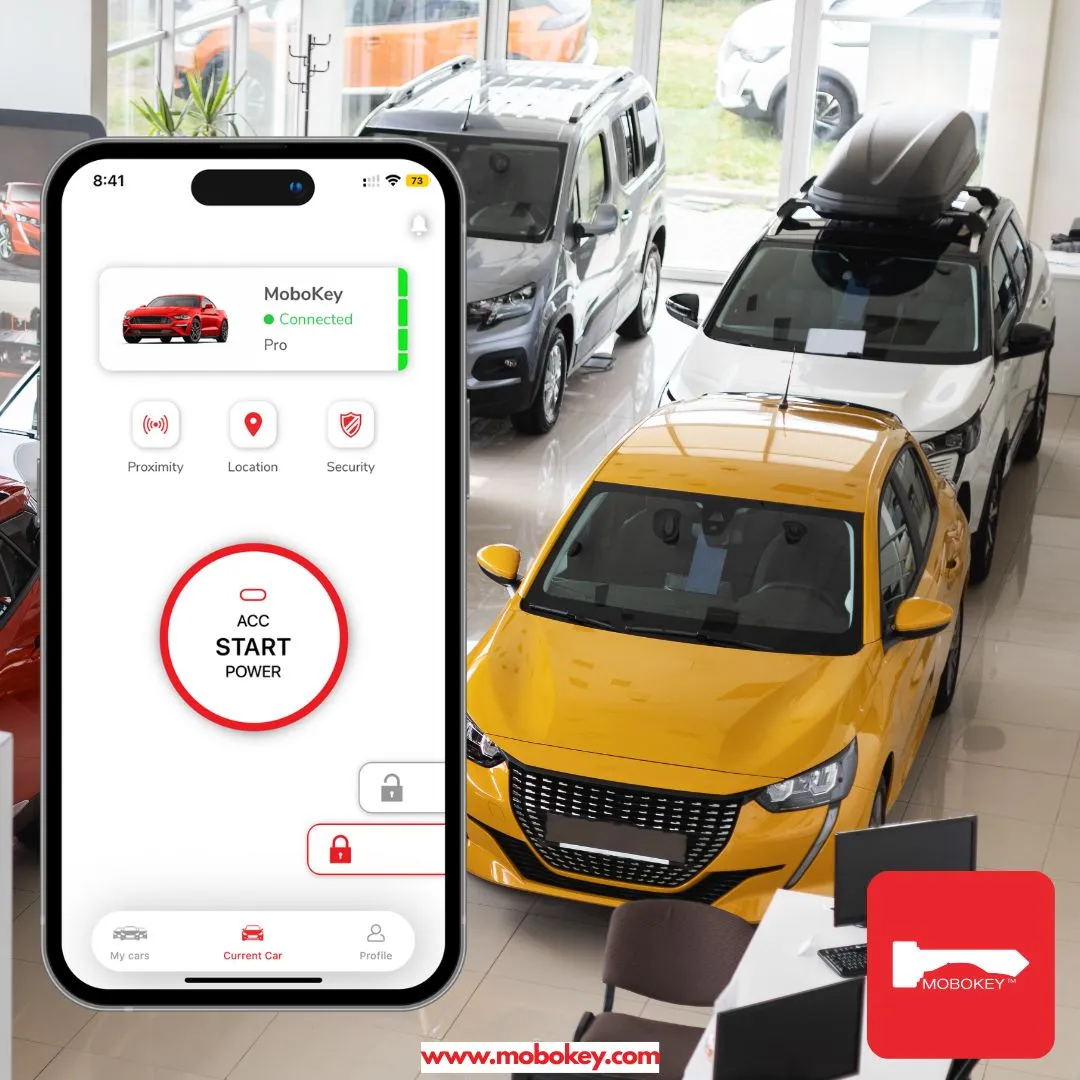
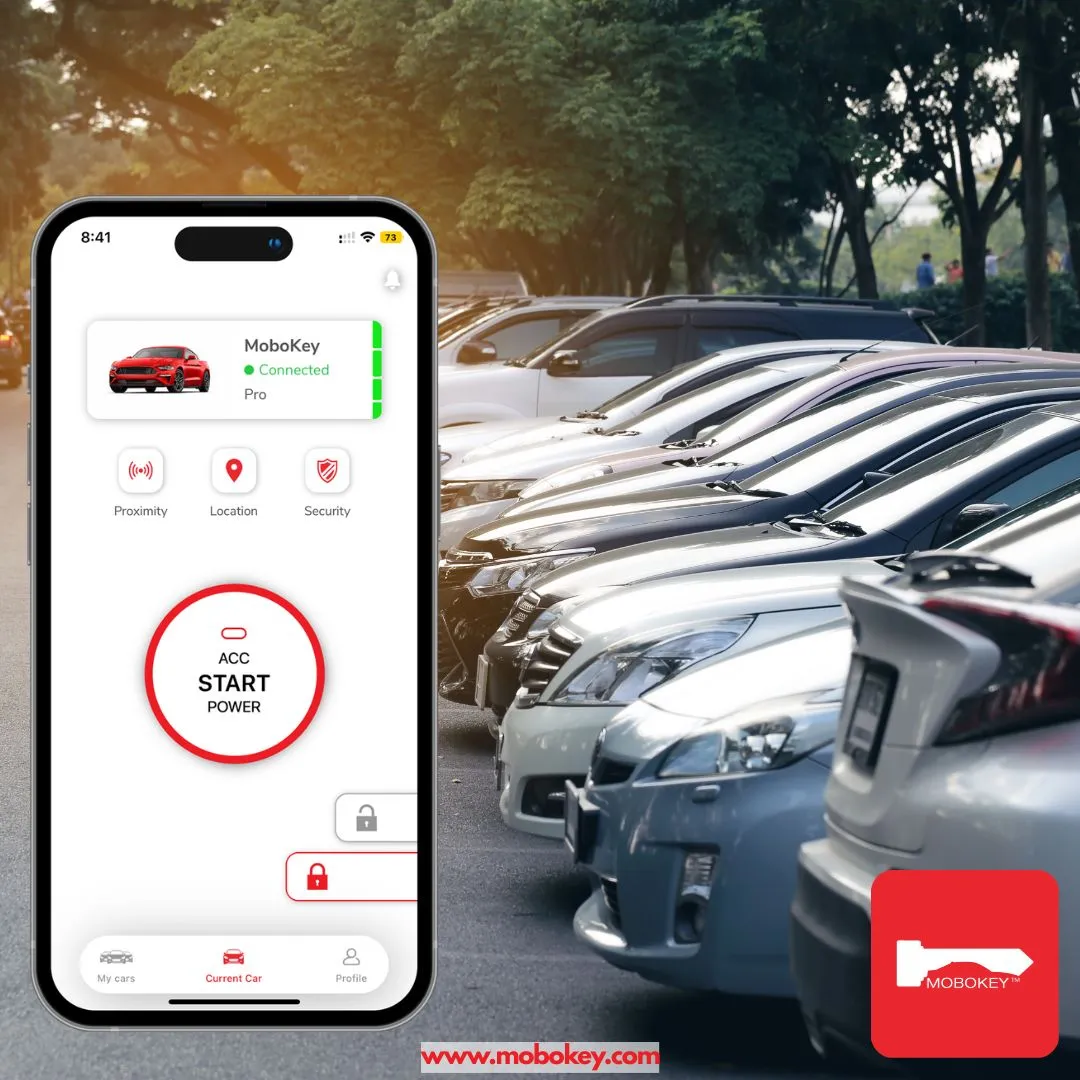
The modern digital model transforms a smartphone into a secure, encrypted digital key.
-
Phone-as-a-Key (PaaK):
Using Bluetooth Low Energy (BLE), NFC, or GSM. The app communicates directly with a hardware module installed in the vehicle. -
Remote Automation:
Operators can grant or revoke access instantly via the cloud. Allowing for 24/7 self-service rentals without any staff presence. -
Free-Floating Models:
Because access is digital, cars can be parked anywhere within a city’s designated zone. Allowing for “one-way” trips that are impossible with station-based key boxes.
Comparing User Experience (UX)
-
Traditional UX:
Users often had to wait days for a physical membership card to arrive by mail. Handovers frequently required meeting the car owner in person, adding “dead time” to the rental process. -
Digital UX:
The entire journey, registration, ID verification, and vehicle access, happens instantly within the app. Features like proximity-based locking automatically unlock the car as the user approaches.
Comparing Operational Costs
-
Traditional Costs:
High overhead includes the cost of issuing RFID cards, maintaining physical lockboxes, and replacing lost fobs . This costs from $200–$600 per unit. -
Digital Costs:
Digital systems like MoboKey utilize a one-time hardware installation starting at approximately $110. There is zero marginal cost for “issuing” new virtual keys, and staffing costs for manual handovers are eliminated.
Why the Industry is Shifting Digital
The shift is driven by scalability and security. Digital systems offer encrypted communication to prevent relay attacks and remote engine kill switches. It is to immobilize vehicles if unauthorized use is detected.
Building a car sharing platform? Choose the technology that scales. Choose MoboKey.
MoboKey vs. Traditional Car Sharing Systems
For car-sharing startups and fleet managers, the choice of technology determines the difference between a high-overhead burden and a streamlined, profitable operation. While traditional systems rely on expensive GSM modules or physical fobs, MoboKey provides a subscription-free, digital-first alternative.
What is MoboKey?
MoboKey is a digital car key system that turns any smartphone into a remote vehicle controller. It allows owners to lock, unlock, and start their vehicles through an app, bridging the gap between convenience and security for both individual owners and large-scale fleets.
The Limitations of Traditional Key Boxes
Traditional car-sharing solutions often rely on physical key lockers or GSM-based telematics.
-
GSM Dependency:
Many competitors use LTE/GSM modules that require a stable cellular signal to function. This makes vehicles inaccessible in underground garages or remote dead zones. -
Subscription Traps:
GSM-based systems require ongoing monthly or annual data plans to keep the “smart” features active.
Cost Comparison: Hardware and Installation
-
Traditional Systems:
A basic smartphone-integrated remote starter from brands like Viper or DroneMobile can cost $470–$680 once installation and required hardware are included. Furthermore, they often carry yearly subscription fees of $100+. -
MoboKey Advantage:
MoboKey Pro offers remote start and digital access for a one-time upfront price of approximately $159. There are no mandatory monthly or yearly fees to use the core digital key features.
Feature Face-Off: Remote Start, Security, and Sharing
-
Offline Functionality:
Unlike GSM-reliant systems, MoboKey operates primarily via Bluetooth Low Energy (BLE). This ensures access works even in areas with zero cellular signal. -
Security:
MoboKey features an Engine Immobilizer (Remote Kill Switch) that prevents unauthorized engine starts. Signals are AES-encrypted, making hacking or signal interception nearly impossible compared to standard radio-frequency fobs. -
Sharing Flexibility:
Owners can set time-limited access for renters through the MoboKey Go platform, allowing for 24/7 rentals without ever meeting the driver.
Why MoboKey is the Best Choice for Startups
For small-to-medium rental businesses, MoboKey eliminates the “subscription tax” that drains profits. With its 90%+ vehicle compatibility and built-in sharing platform, it is the most scalable and cost-effective solution for launching a modern car-sharing service.
Get MoboKey for your fleet today. View Pricing.
Can You Rent a Car Contactless Without a Physical Key?
Download the MoboKey App from the App Store or Play Store.