It starts with a simple phone call: “I can’t find the keys.” For a fleet manager, those six words are the start of a very expensive day. In the past, a lost key was a $10 inconvenience. Today, it is a high-tech financial hemorrhage. If your organization is still relying on physical fobs, you aren’t just managing a fleet. You are managing a bucket of gold coins with a hole in the bottom. Here is how to reduce lost key costs and move your operations into the digital age.
The Real Cost of a Lost Modern Car Key ($300+)
The “key” to your new vehicle is no longer a piece of metal; it is a sophisticated computer. When an employee loses a proximity fob, you aren’t just paying for plastic.
-
Hardware Costs: A basic transponder key starts around $150-$250. But a modern smart fob for a standard fleet vehicle (like Ford F-150) typically runs between $400 and $600.
-
The “Dealer Tax”: Most smart keys require proprietary software available only at the dealership. These often add up to $100 to $200 in labor for programming alone.
-
Security Re-coding: If the key was stolen, you often pay to re-code the entire vehicle’s computer. So the old key can’t be used to steal the asset, pushing total costs toward $1,000 per incident.
Indirect Costs: Downtime and Towing
The sticker shock of the key itself is only the beginning. The “hidden” costs of a lost key often outweigh the hardware price.
-
Towing: If the vehicle is locked and the driver is stranded, the average tow to a dealership adds $109 to the bill.
-
Asset Downtime: A vehicle sitting in a dealer lot waiting for a backordered chip is a vehicle that isn’t generating revenue. For many fleets, a single day of downtime costs $300 to $500 in lost productivity.
-
Staff Hours: Think of the hours spent by your dispatchers, drivers, and managers coordinating a replacement. Those wasted hours are direct hits to your bottom line.
How Digital Keys Eliminate the Physical Asset
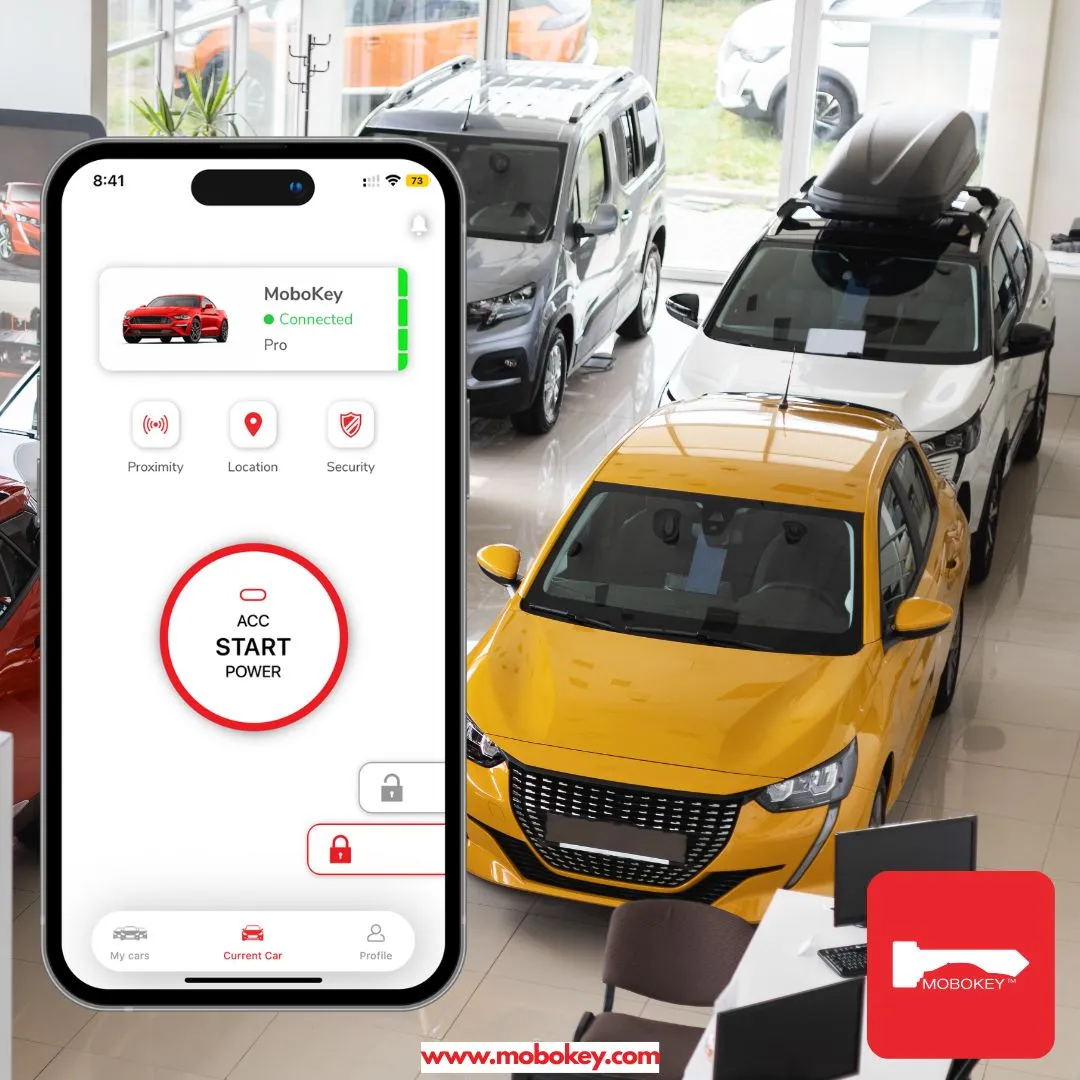
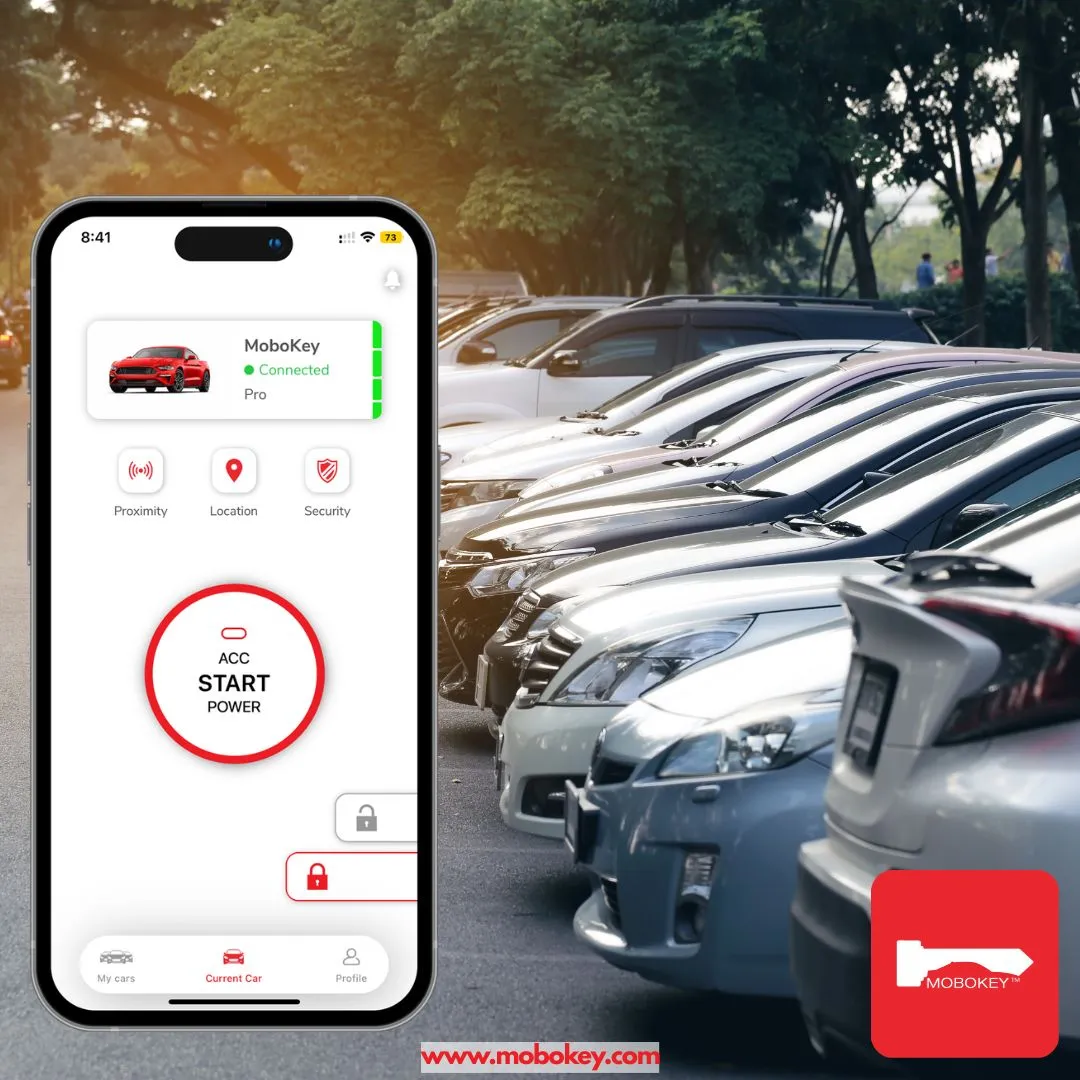
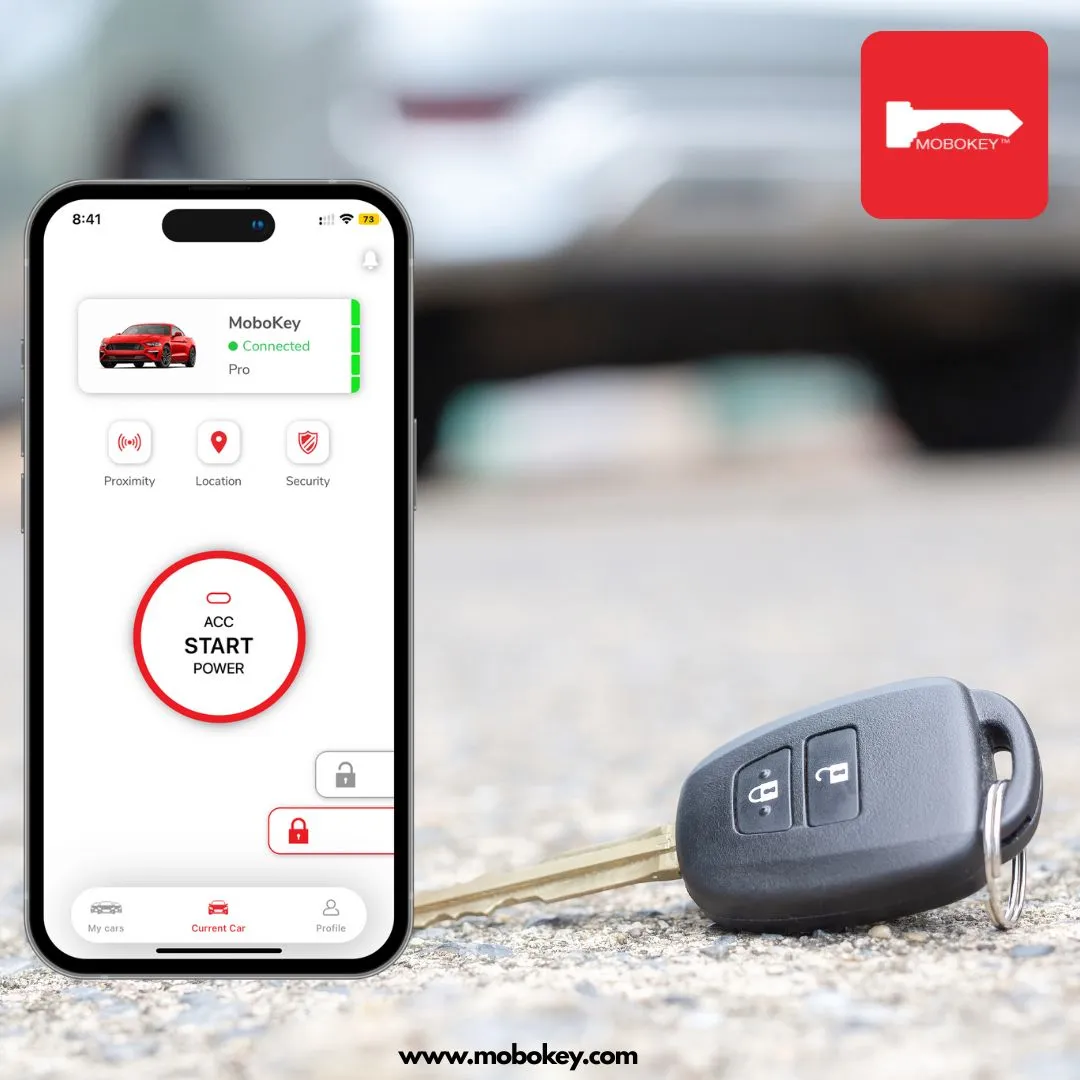
Digital key systems, like MoboKey, solve the problem by removing the physical vulnerability. By converting the driver’s smartphone into the key, you effectively “delete” the physical asset that gets lost.
-
Zero Replacement Hardware: If an employee gets a new phone, you don’t buy a new key. They sign in with the same credentials. Access the car via the app, costing you $0.
-
Instant Revocation: If an employee leaves the company or loses their phone, you can revoke their digital key in seconds. No locks to change, no fobs to re-program.
Learn more about the core benefits of moving your fleet to a digital key system.
Emergency Access Protocols with Digital Systems
One of the greatest fears of fleet managers is a driver being locked out in a remote area without cell service. Modern digital systems have solved this with “Fail-Safe” protocols.
-
Remote Car Sharing:
A manager can remotely share access of car doors from their office. Allow a driver to retrieve a phone or backup key from inside. -
Offline Access:
Systems like MoboKey use Bluetooth, meaning the driver can still unlock and start the car even in areas with no interneyt. -
Master Key Overrides:
Managers retain a master digital authorization, allowing them to instantly bypass any driver-level lockout.
ROI Case Study: Savings from Going Keyless
Let’s look at the math for a modest 50-vehicle fleet. On average, a fleet will lose 3 to 5 keys per year.
-
Traditional Costs: 5 lost keys × ($500 replacement + $100 tow + $400 downtime) = $5,000/year.
-
Digital Key ROI: The one-time cost of a digital key device is often less than a single lost fob. In most cases, the system pays for itself within the first 12 months. Simply by eliminating the replacement cost of one lost key.
Conclusion: Own the Access, Not the Metal
Every day you wait to switch is another day you are one “misplaced pocket” away from a $600 bill. By adopting a digital key system, you protect your assets, empower your drivers. Most importantly stop the bleeding of your maintenance budget.
Upgrade your fleet with MoboKey and eliminate lost key costs for good.