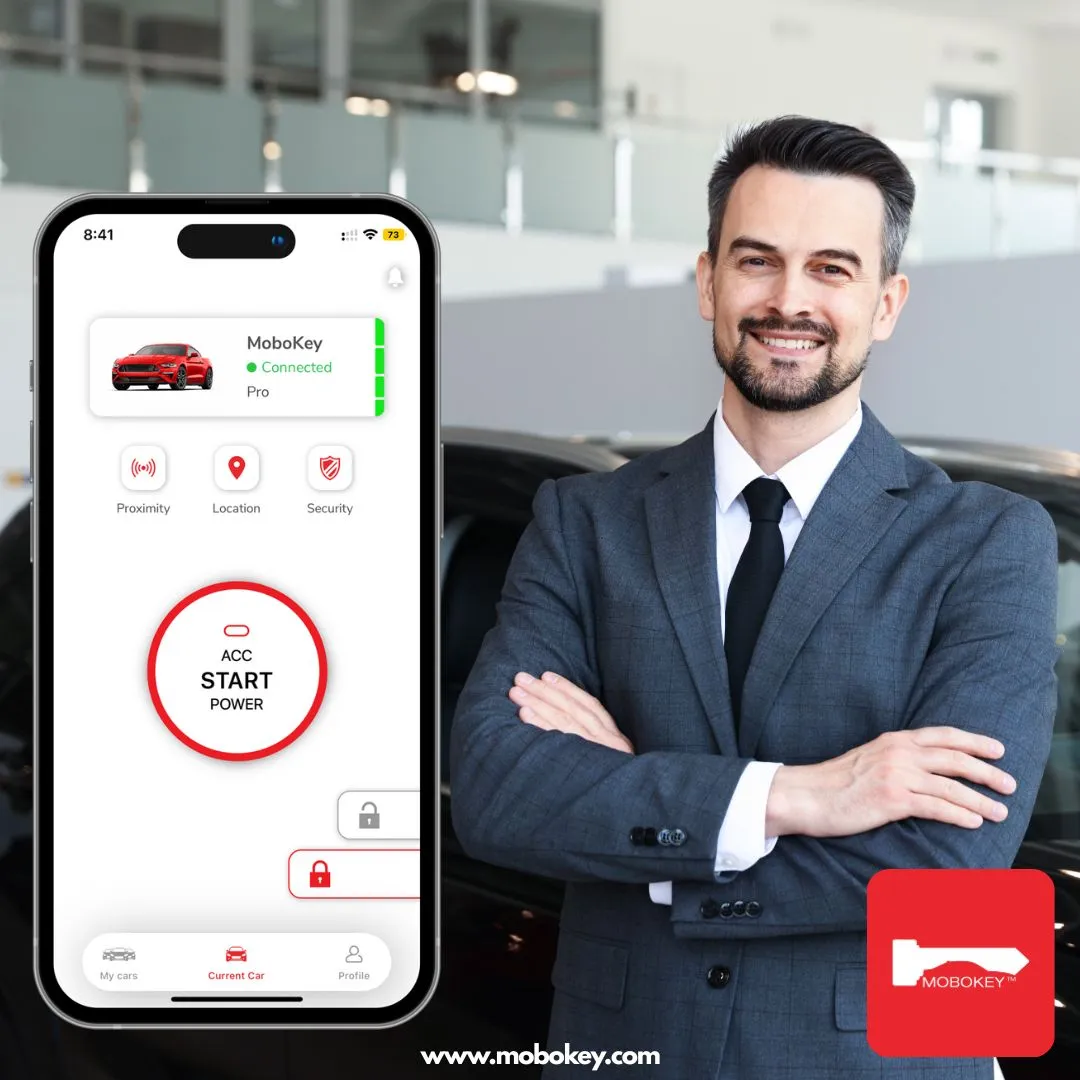
The car rental industry is currently undergoing its most significant structural shift since the invention of the airport kiosk. In 2026, the “rental counter” is no longer seen as a service touchpoint; it is increasingly viewed by customers as a friction point. For B2B operators, the mandate is clear: go fully contactless or risk obsolescence.
Ready to bypass the counter? See how our digital keys can automate your entire rental workflow.
The Problem: The High Cost of Manual Operations
Traditional car rental models are anchored by “analog” processes that drain profitability.
-
Staffing Overheads: Maintaining a 24/7 physical presence at airports or city centers is prohibitively expensive.
-
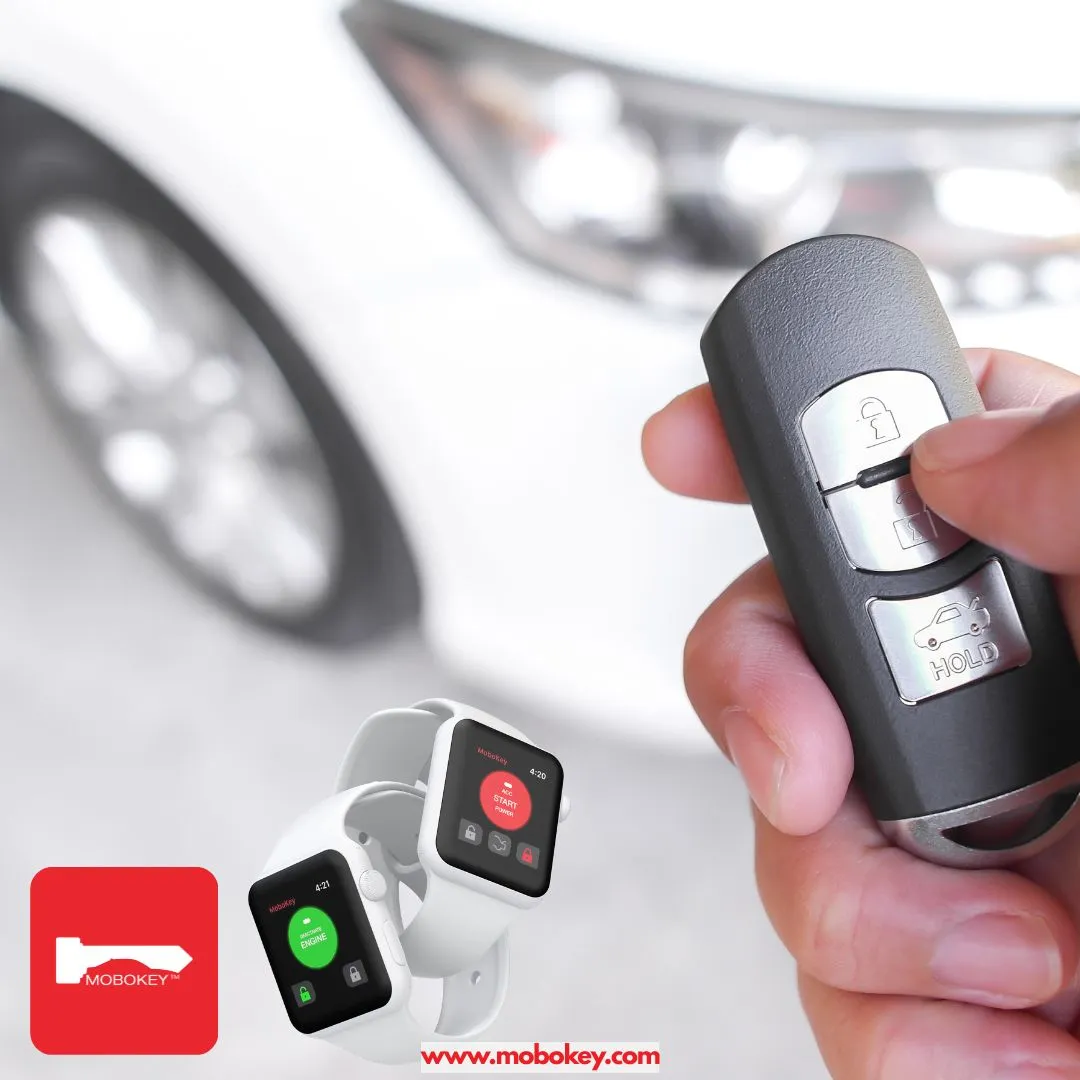
The “Key Logistics” Nightmare: Managing physical fobs leads to lost keys (costing $300–$600 each), logistical delays, and security vulnerabilities.
-
Customer Churn: Modern travelers, particularly Gen Z and Millennials, prioritize speed. A 20-minute wait in line often leads to negative reviews and a permanent loss of brand loyalty.
The Solution: The Digital Access Ecosystem
To go fully contactless, a rental company must integrate three core technologies: Digital Access Hardware, Automated Identity Verification, and Cloud-Based Fleet Management. Hardware solutions like MoboKey serve as the bridge, turning any vehicle into a connected, self-service asset.
Step-by-Step: How to Transition to Contactless
1. Implement Digital Key Hardware
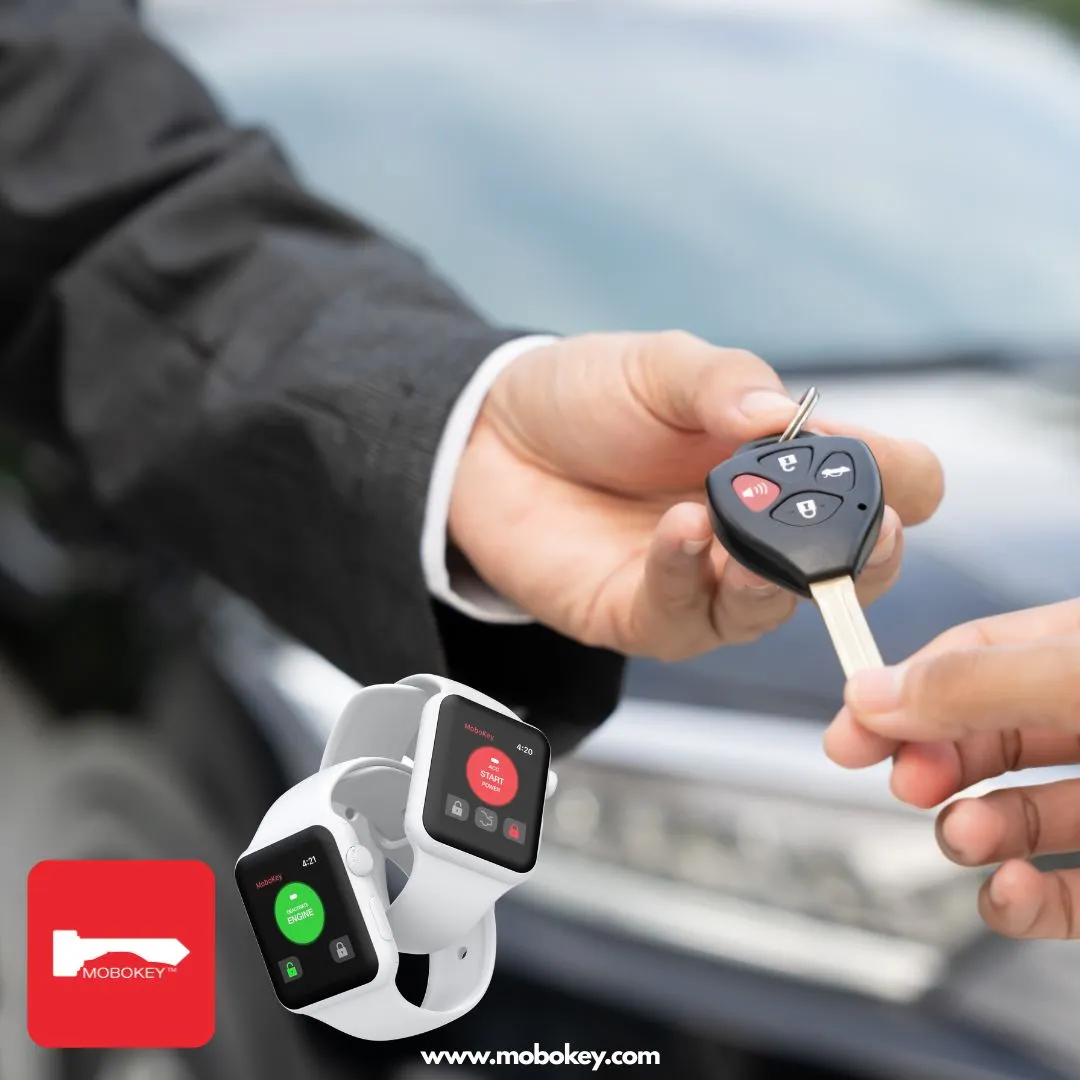
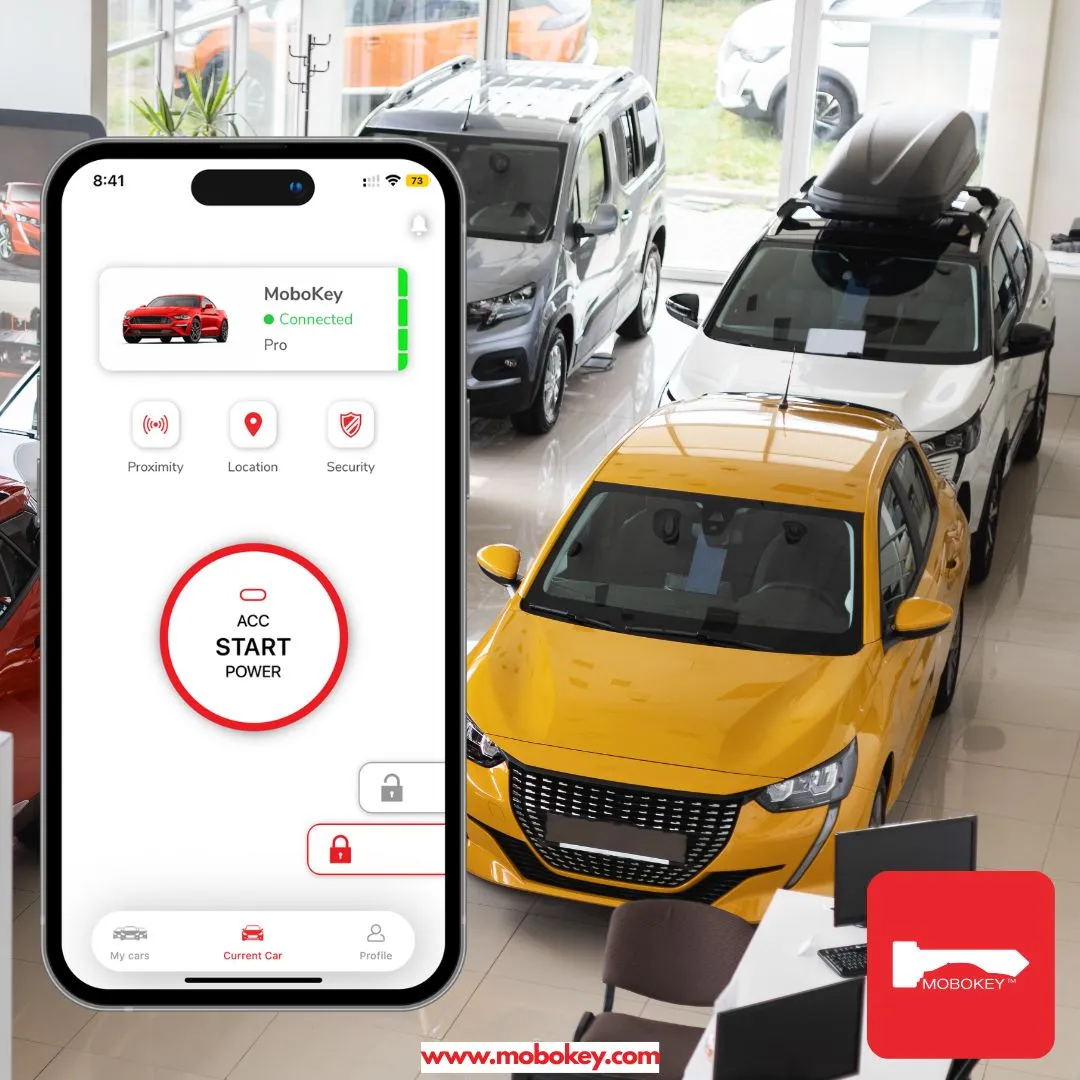
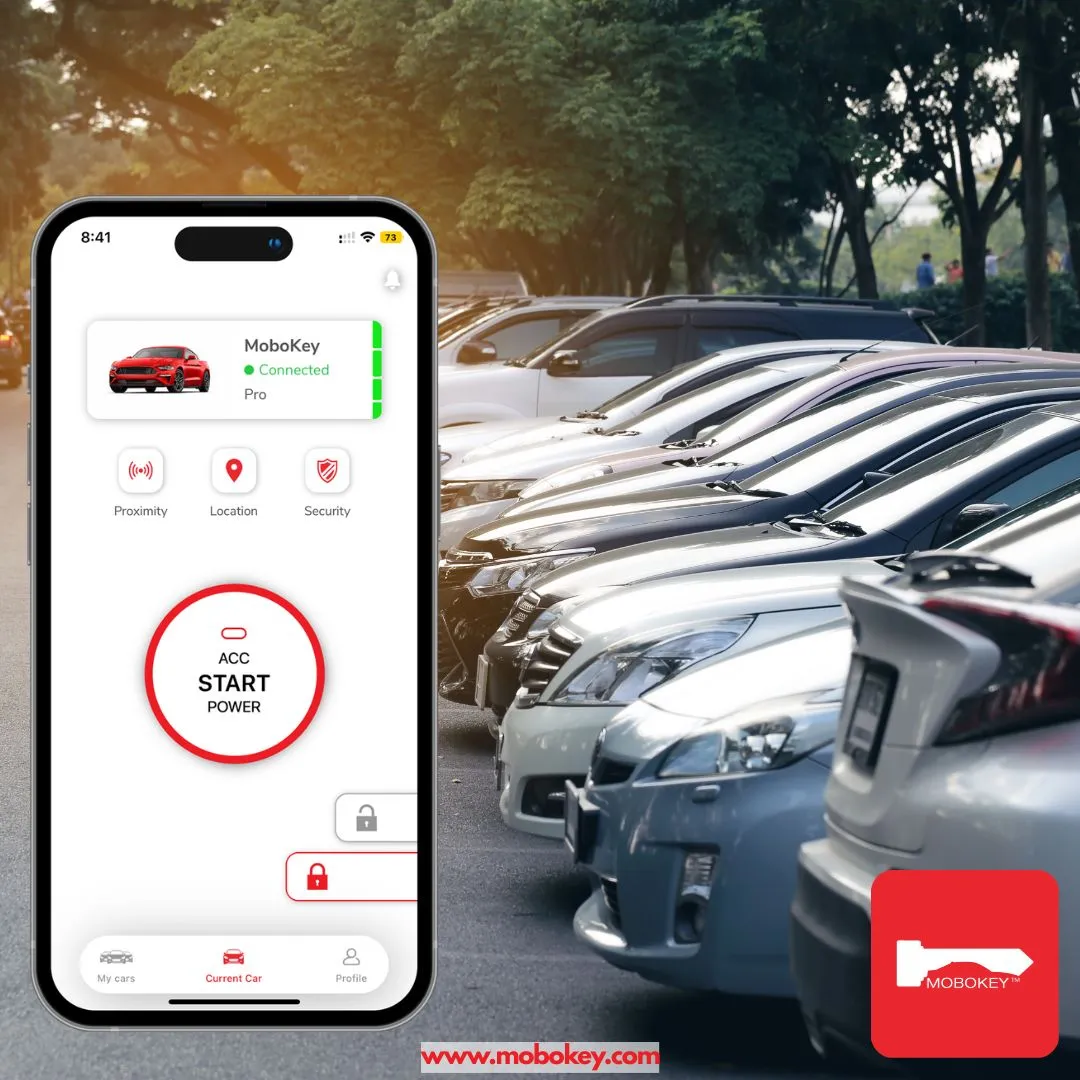
The first step is removing the physical key from the equation. By installing a MoboKey device in each vehicle, you enable “Phone-as-a-Key” (PaaK) functionality.
-
Hybrid Connectivity: Ensure your hardware supports Bluetooth Low Energy (BLE). This is critical for airport parking garages where cellular signals often fail.
2. Automate Identity & Document Verification
Integrate a KYC (Know Your Customer) provider into your booking app.
-
AI Scanning: Customers take a photo of their driver’s license and a “liveness” selfie. The software verifies the documents in seconds, ensuring only authorized, licensed drivers receive a digital key.
3. Shift to Digital Payments & Contracts
Move all paperwork to the cloud. Using digital signature tools, customers sign their rental agreement during the booking process. Payments are pre-authorized, and “incidentals” are handled automatically via a digital wallet.
4. Enable Remote Fleet Command
Use a centralized dashboard to manage your fleet. This allows you to:
-
Grant/Revoke Keys: Send the digital key to the user’s phone only when the rental starts.
-
Monitor Status: View real-time fuel levels, battery health, and GPS location to automate the check-in process.
Key Features of a Contactless System
-
Instant Key Sharing: No physical handoff required. Access is pushed to the user’s smartphone via the cloud.
-
Remote Engine Kill: If a car is not returned or theft is detected, the manager can disable the starter instantly.
-
Proximity Access: The car unlocks as the authorized user approaches, providing a “VIP” experience.
-
Auto-Logging: The system logs the exact time of pick-up and return, eliminating disputes over late fees.
The Business Value: ROI and Scalability
1. Reduced Infrastructure and Labor
Going contactless allows you to operate out of simple parking bays rather than expensive storefronts. You can manage a fleet of 50 cars with one part-time administrator rather than three full-time counter agents.
2. 24/7 Revenue Generation
Your business is no longer limited to “9-to-5” office hours. Travelers arriving on midnight flights can access their cars instantly, capturing revenue that traditional competitors lose to closure.
3. Enhanced Security
Digital keys are more secure than physical fobs. They use AES-128 encryption, which prevents the “relay attacks” common with traditional keyless entry systems.
Comparison: Contactless vs. Traditional Rental
| Feature | Traditional Model | Fully Contactless (MoboKey) |
| Pickup Method | Counter queue & physical key | Direct-to-Car via App |
| Verification | Manual ID check | Automated AI/KYC Verification |
| Operational Hours | Restricted (Staff-dependent) | 24/7/365 Self-Service |
| Theft Prevention | Reactive (Call police) | Proactive (Remote Immobilization) |
| Wait Time | 15 – 45 Minutes | Under 60 Seconds |
ROI: The Future-Proof Advantage
Industry data shows that moving to a digital-first model can save up to $137 per vehicle, per month in operational overhead. For a 20-car fleet, that’s nearly $33,000 in additional annual profit purely from efficiency gains.
Learn why digital keys are more secure than fobs or explore our Fleet Access Control solutions.
Conclusion: The New Standard of Service
The transition to contactless car rental is no longer a choice—it is an evolution. By removing the physical counter and the physical key, you remove the barriers between your customer and the road. Companies that adopt this model in 2026 will find themselves with lower costs, higher security, and a level of customer loyalty that the “analog” world simply cannot match.
Ready to modernize your rental company? Talk to our Experts!