Managing vehicle access is one of the most persistent operational challenges for modern fleet managers. Whether you oversee a corporate motor pool, a delivery fleet, or a growing car-sharing startup. The method you choose to distribute and revoke “keys” directly impacts your bottom line, driver productivity, and asset security. Today, fleet car access management is undergoing a massive transformation. The industry is moving away from physical coordination and manual logs toward automated, smartphone-based systems that offer real-time oversight.
Traditional Methods: The Legacy of Manual Coordination
For decades, fleets relied on mechanical keys and physical handovers. While simple for a single vehicle, these traditional methods quickly become a logistical nightmare as a fleet scales.
1. Manual Key Handoffs
In many traditional fleets, drivers must visit a central office to collect physical keys and manually sign a logbook.
-
The Challenges: This process creates significant “time to road” delays. If a key is misplaced or not returned on time, the vehicle sits idle, causing a domino effect of delays for the next scheduled driver.
-
Administrative Burden: Fleet managers spend a disproportionate amount of time chasing unreturned keys. Moreover they are always correcting errors in logs.
2. Physical Key Cabinets and Lockboxes
To centralize control, some fleets use lockboxes or intelligent key lockers.
-
The Benefit: These cabinets provide a more organized storage solution and can record when a key is removed via a PIN code or RFID badge.
-
The Limitation: They still require the driver to be physically present at the locker location, which doesn’t solve the problem of remote deployments or 24/7 self-service access.
Digital Access: The Modern Standard
Modern fleets are increasingly “keyless,” utilizing digital car keys that reside on the driver’s smartphone. This shift eliminates the need for physical hardware exchanges and enables fully remote management.
How Digital Access Works
Digital car keys utilize secure, short-range wireless communication to identify authorized users.
-
Bluetooth Low Energy (BLE): This is the primary technology for smartphone-based access, allowing the vehicle to detect a driver as they approach.
-
Near-Field Communication (NFC): Often used for backup access, NFC allows a driver to “tap” their phone or a dedicated card against the windshield to unlock the car.
By digitizing access, fleet managers can send a secure “credential” to a driver’s phone instantly, allowing them to unlock and start the vehicle without ever meeting a dispatcher.
Policy Control: Enforcing Rules Digitally
Effective fleet car access management is about more than just unlocking doors; it is about enforcing strict operational policies. Digital systems allow managers to set granular permissions that physical keys cannot enforce:
-
Time-Bound Sharing: Managers can define exact booking windows. A driver’s digital key might only be active from 8:00 AM to 5:00 PM, automatically expiring at the end of their shift.
-
User-Specific Permissions: Access can be restricted to specific vehicles that match a driver’s certification or job role.
-
Remote Revocation: If a driver is terminated or a vehicle is overdue, access can be revoked instantly from a central admin panel, rendering the “key” on their phone useless.
Security: Beyond Simple Locking
A primary driver to switch to the digital keys is security. While physical keys are can easily get lost. Whereas the digital keys offer multiple layers of protection:
- Engine Immobilization: In cases of unauthorized use or non-payment, many digital systems allow managers to remotely disable the vehicle’s starter. This “kill switch” is a powerful deterrent against theft.
The MoboKey Approach to Fleet Management
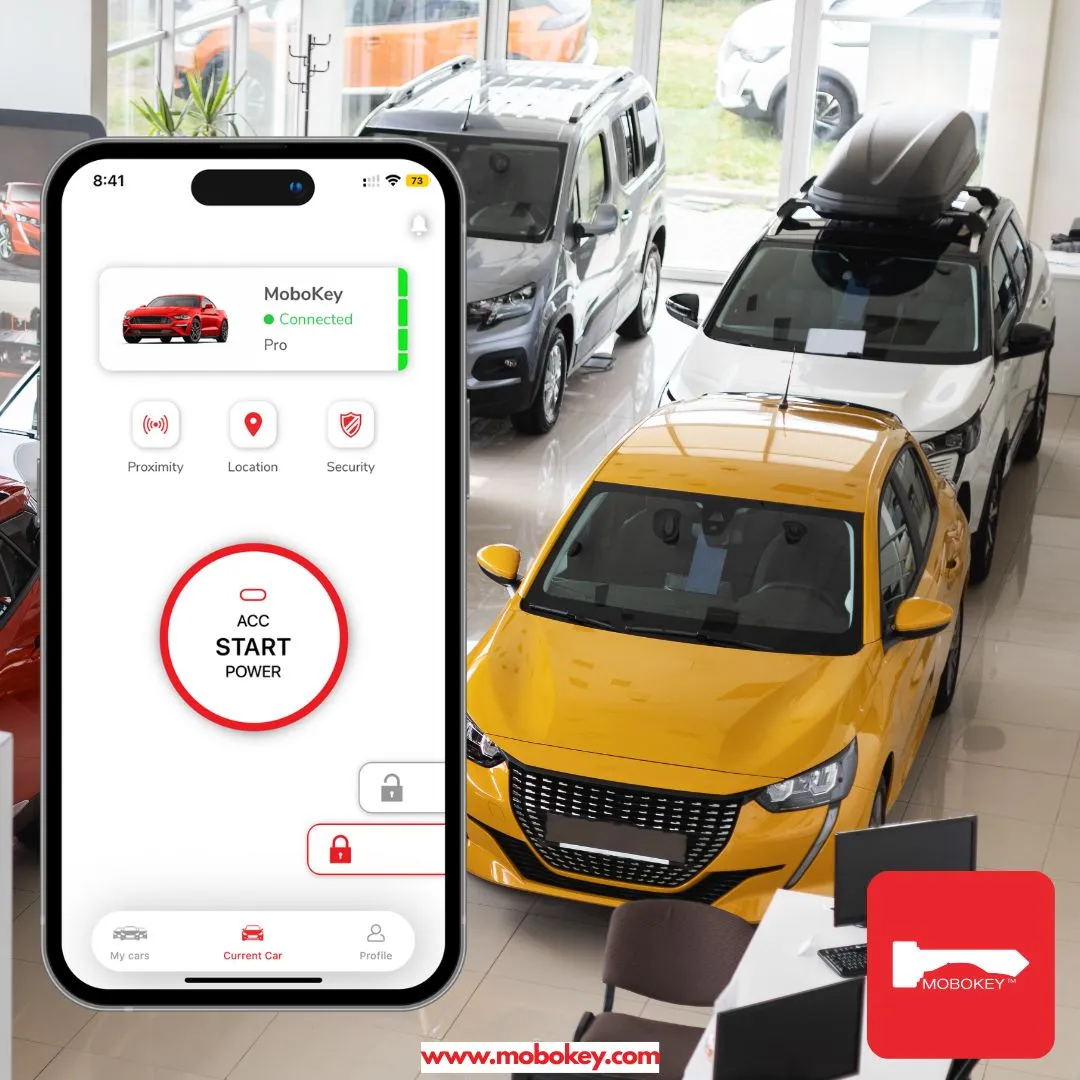
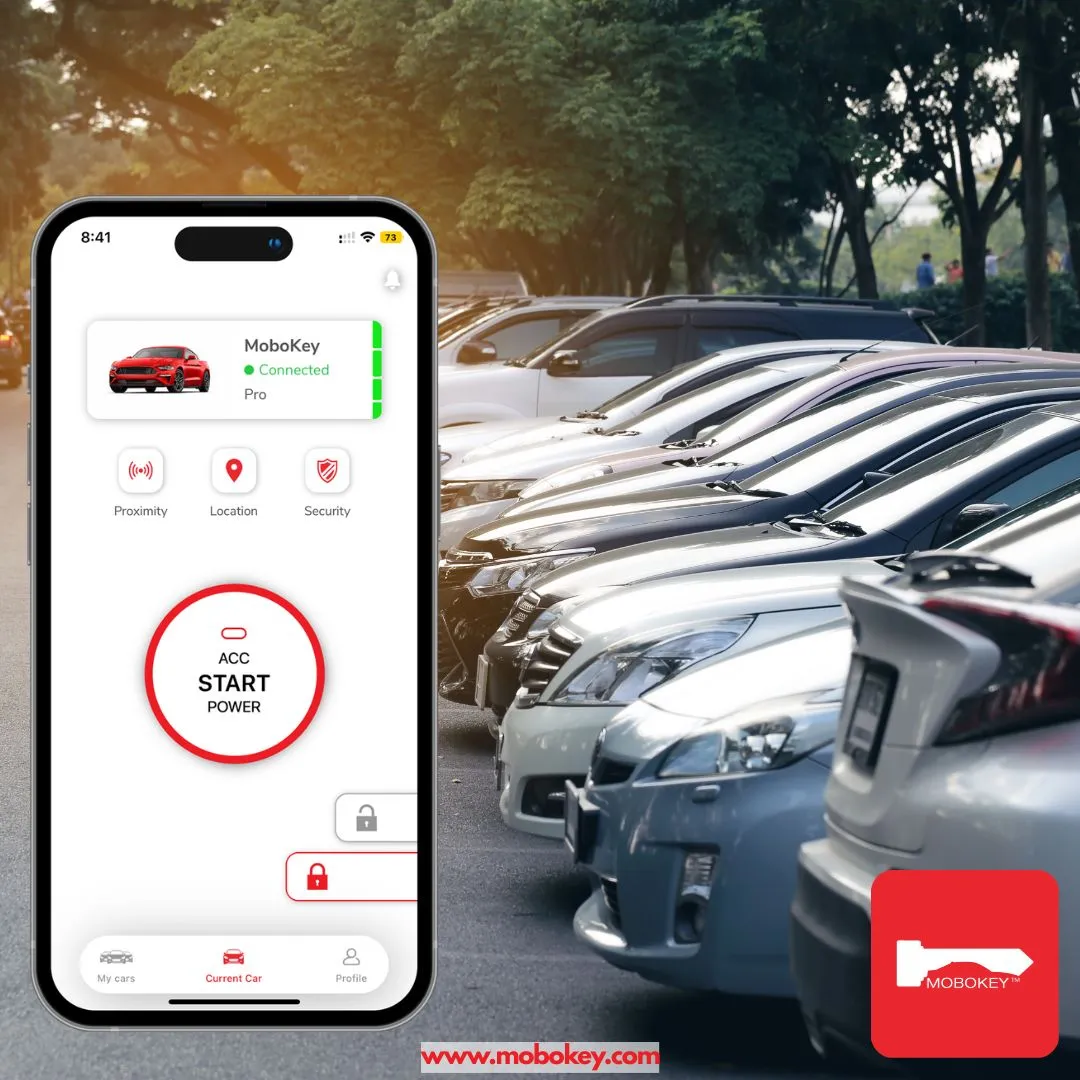
MoboKey offers a comprehensive digital car key solution specifically designed to address the unique needs of fleet operators. By turning a smartphone into the ultimate car key, MoboKey helps fleets run leaner, faster, and more securely.
-
Internet-Free Reliability: Unlike many cloud-dependent systems, MoboKey uses a direct Bluetooth link between the phone and the vehicle. This ensures that drivers can access vehicles in underground garages or remote locations where there is zero cellular signal.
-
Proximity Automation: MoboKey features hands-free unlocking and proximity-based engine control, which automates the entry process for busy drivers.
-
Scalable Integration: For growing rental and car-sharing startups, MoboKey provides robust APIs and SDKs. This allows operators to integrate digital key functionality directly into their own booking apps, automating the entire customer journey from reservation to vehicle return.
-
Cost-Efficient Security: By eliminating the costs associated with lost keys, duplicate fobs, and physical key cabinets, MoboKey provides a significant return on investment for fleets of any size.
Elevate Your Fleet Operations
The era of manual key management is coming to an end. By embracing digital car keys, you can reclaim lost hours and eliminate security gaps. It provide a superior experience for your drivers and customers.
Ready to see how MoboKey can transform your vehicle management? Learn more about our Fleet Solutions here.
Download the MoboKey App from the App Store or Play Store.