In the world of corporate operations, a vehicle is far more than a mode of transport. It is a high-value mobile asset, a workspace, and a critical component of your service delivery. Yet, for many organizations, the management of these assets is still anchored in the past. Relying on physical keys, manual sign-out sheets, and shared lockboxes creates a “black hole” in operational oversight. Digital access control is transforming corporate fleets by replacing physical brass and plastic with encrypted, software-defined credentials. In 2026, the transition to keyless systems is no longer just a convenience; it is a strategic mandate for security, compliance, and ROI.
Stop the logistical nightmare of physical key management.
The Problem: The Inefficiency of “Analog” Access
Managing a corporate fleet with physical keys is a recipe for operational “leakage”.
-
The Accountability Gap: Without digital logs, it is nearly impossible to verify exactly who was behind the wheel at a specific time, leading to disputes over fines, fuel usage, and unreported damage.
-
High Administrative Burden: Fleet managers spend countless hours coordinating key handovers, tracking down “missing” fobs. Managing the high costs of key replacements which can range from $300 to $600 per incident.
-
Unauthorized Usage: Physical keys are easily shared among staff or even taken home, increasing the risk of unauthorized after-hours use and heightening liability.
The Solution: Integrated Keyless Management
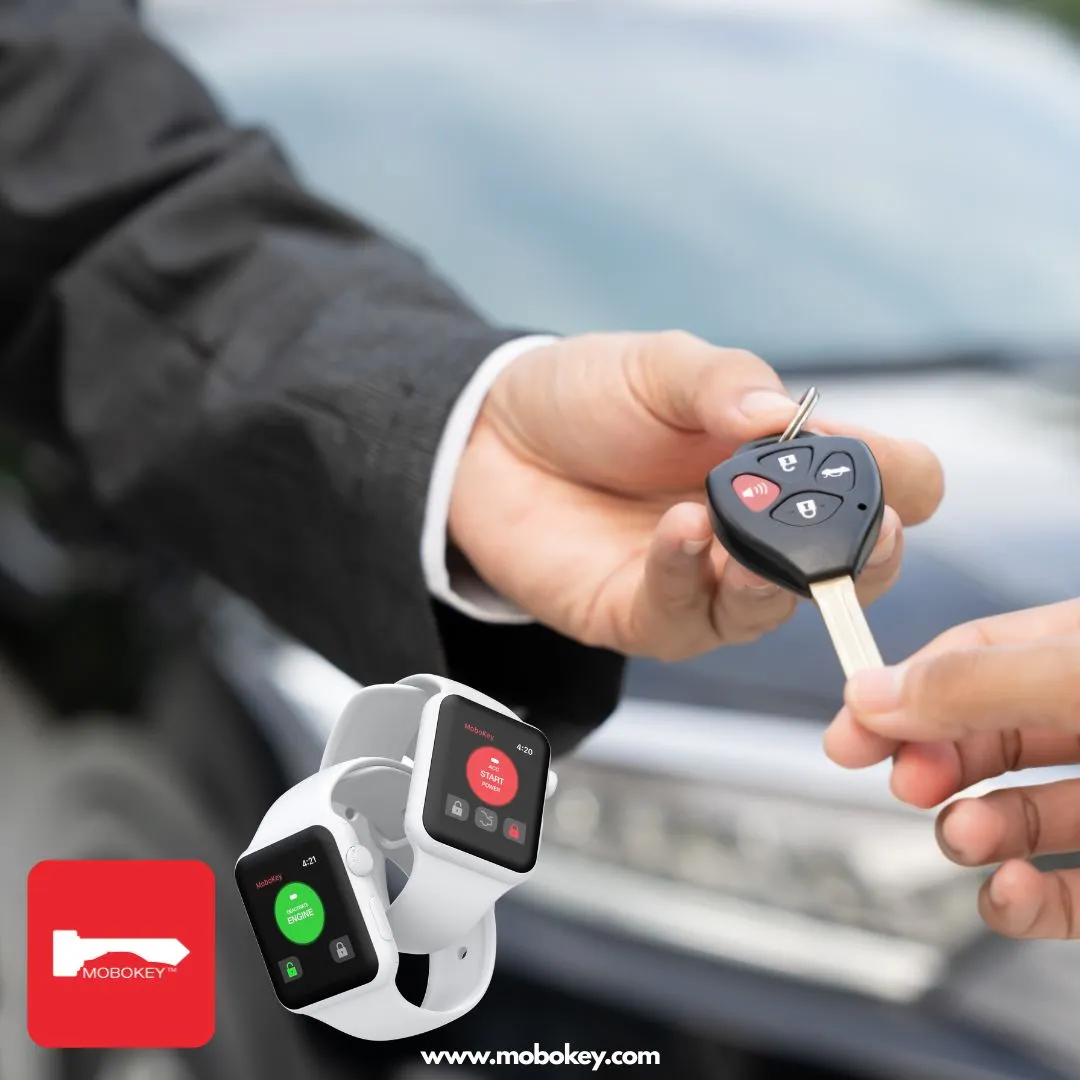
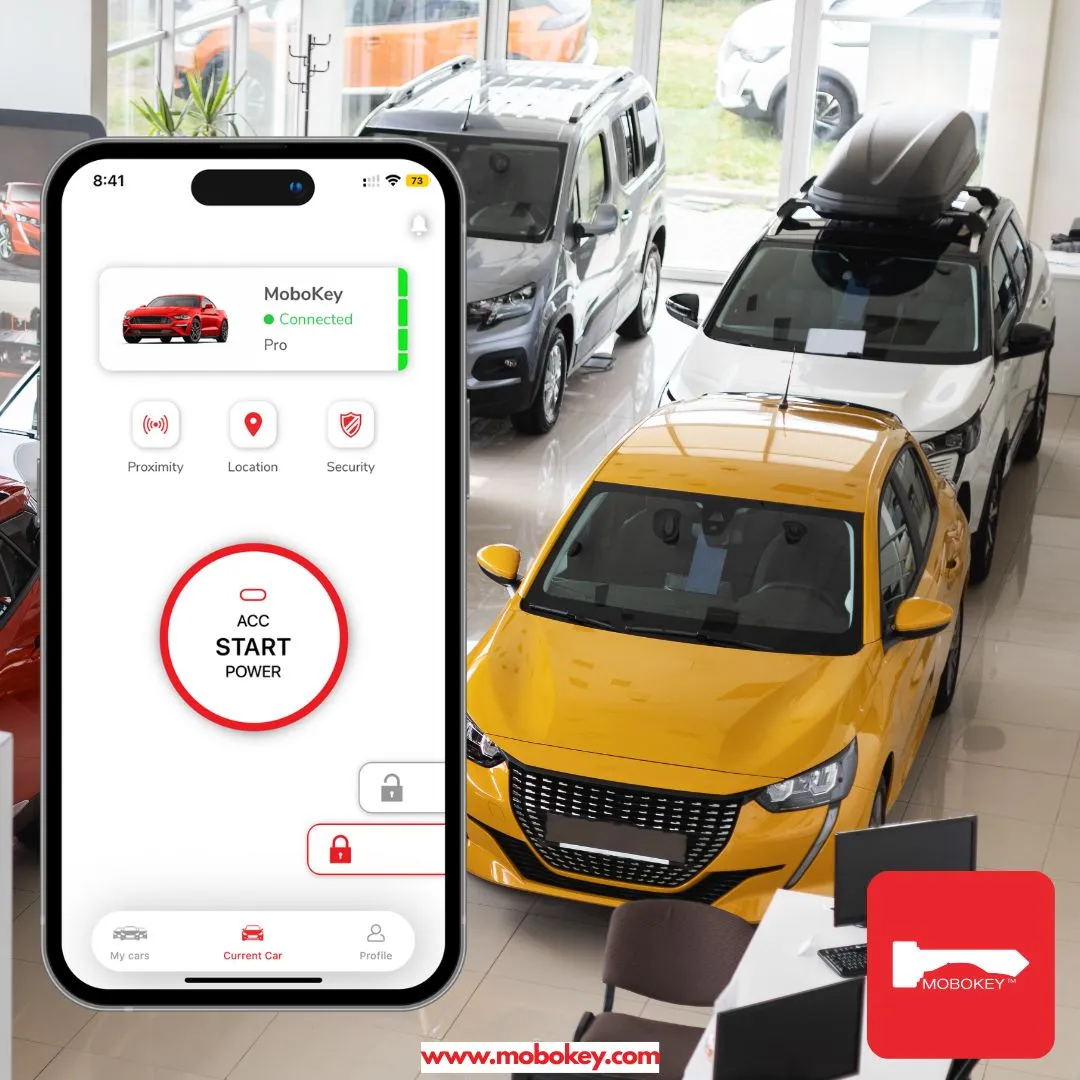
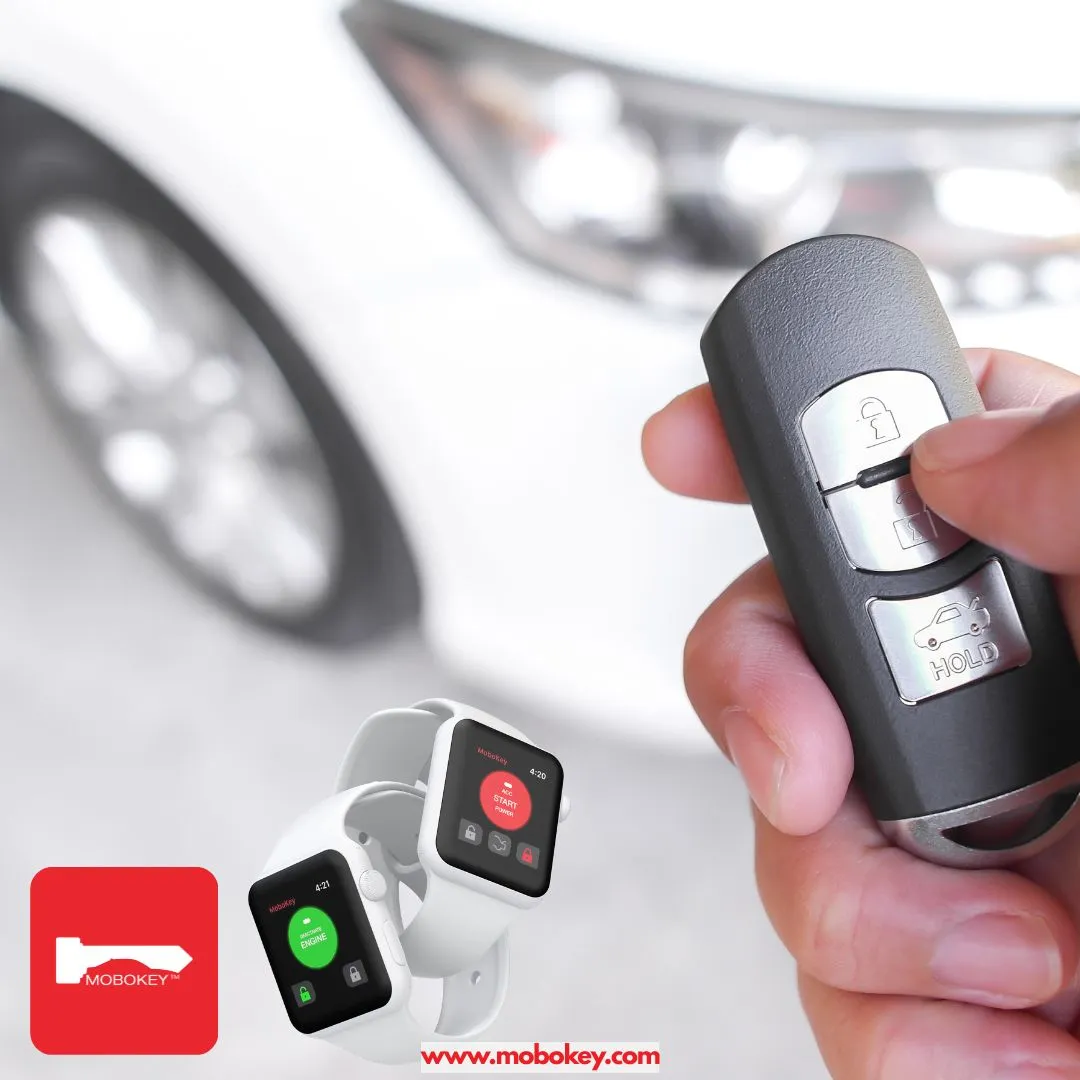
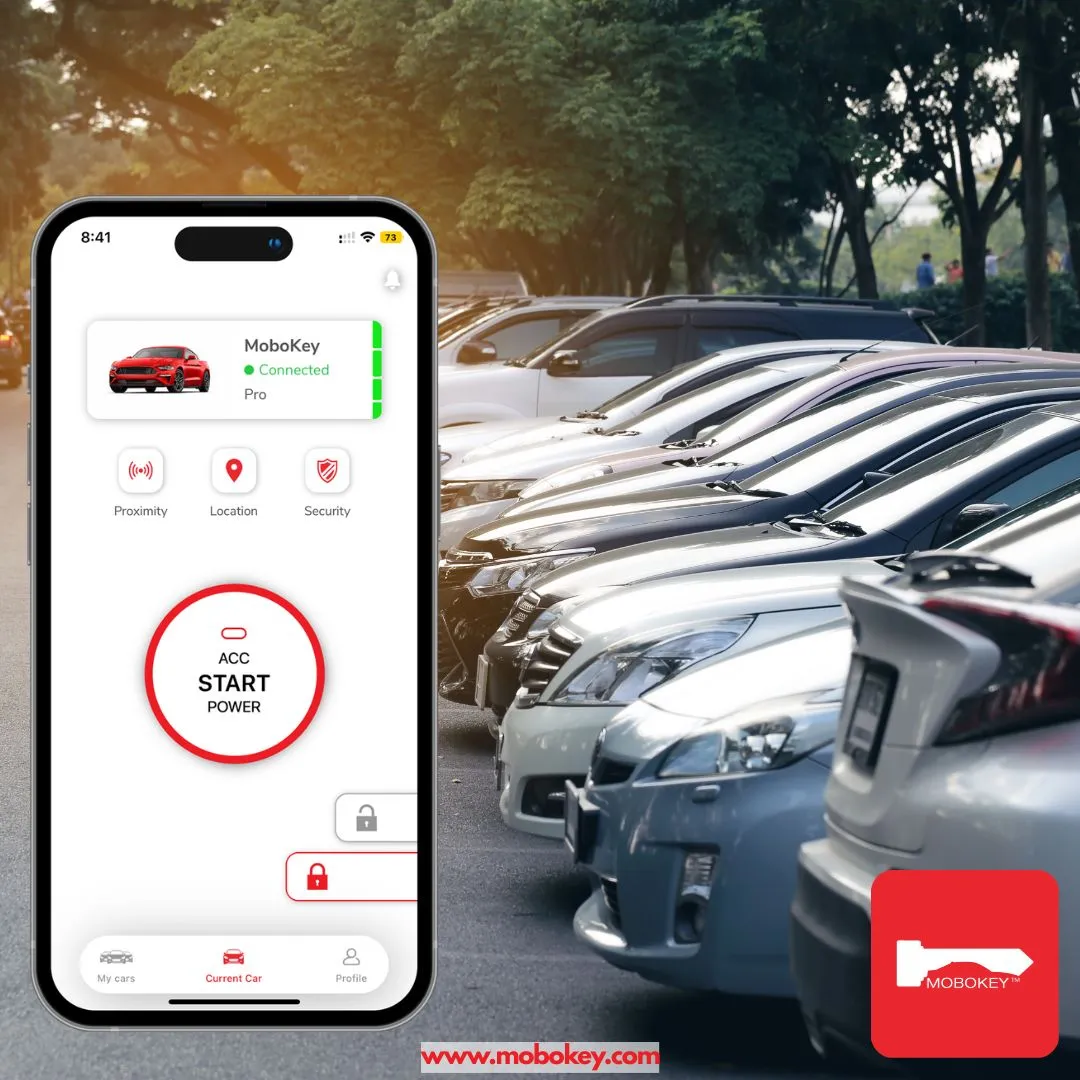
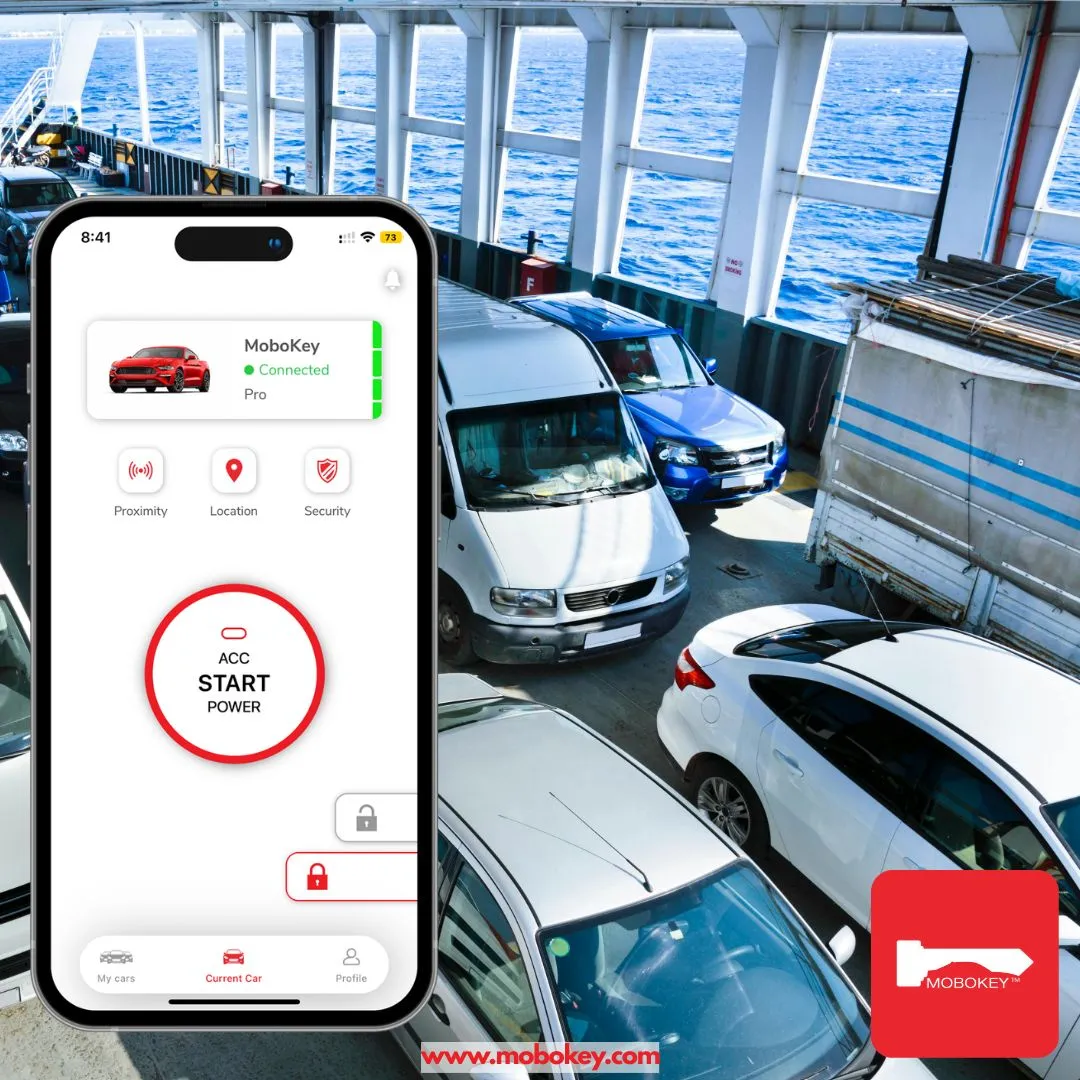
Digital access control moves the “key” to the employee’s smartphone. By installing a hardware device like MoboKey, the vehicle becomes part of a connected ecosystem.
-
Credential-Based Entry: Access is granted via RFID, NFC, or Bluetooth Low Energy (BLE).
-
Centralized Command: Fleet managers can grant, revoke, or restrict access instantly from a single cloud-based dashboard, ensuring that only certified personnel can operate specific vehicles.
Key Features of Corporate Access Control
-
Role-Based Access Control (RBAC): Assign permissions based on job function. For example, a technician may have “Unlock Only” access to retrieve tools, while a driver has “Start & Drive” permissions.
-
Time-Fencing: Restrict vehicle access to specific shift hours. If an employee tries to access a car at 10:00 PM on a Sunday, the digital key remains inactive.
- Remote Immobilization: In the event of an asset being taken out of its permitted zone or reported stolen, managers can remotely disable the engine to prevent it from being restarted.
The Business Value: ROI and Operational Security
1. Enhanced Security and Loss Prevention
Digital keys eliminate the risk of “relay attacks” and key cloning. Integration with GPS and telematics allows for geofencing, where managers receive instant alerts if a vehicle leaves a designated work site.
2. Reduced Downtime and Maintenance
Keyless systems often see a 25% increase in staff productivity because teams no longer waste time searching for keys. Furthermore, digital systems can automate maintenance reminders, ensuring vehicles are serviced based on actual engine hours rather than estimated dates.
3. Compliance and Liability Protection
Corporate fleets face intense scrutiny from regulators and insurers. Digital access control ensures that only drivers with valid, up-to-date certifications can start the vehicle, significantly reducing the company’s legal exposure.
Comparison: Traditional vs. Digital Fleet Access
| Feature | Physical Key Fobs | Digital Access Control (MoboKey) |
| Verification | Possession only | Multi-Factor / Biometric |
| Sharing Logistics | Manual handover | Instant Remote Sharing |
| Audit Log | Manual / Paper-based | Automated Real-Time Cloud Logs |
| Security Control | Passive (Insurance) | Active (Remote Engine Kill) |
| Cost of Loss | $300 – $600 per key | Zero (Digital Re-issuance) |
ROI: The Future of Corporate Efficiency
The transition to digital access often provides an ROI in less than 12 months. By reducing lost key incidents by up to 30% and cutting administrative labor, the system pays for itself while simultaneously lowering insurance premiums through improved security scores.
Explore our Fleet Access Control solutions or learn more about the core benefits of digital keys for business.
Conclusion: Modernize Your Command Center
Digital access control for corporate vehicle fleets is the foundation of a modern, data-driven operation. By removing the physical key, you remove the barriers to efficiency and security. In 2026, the businesses that lead their industries will be those that view their fleet not just as a collection of cars, but as a secure, optimized digital resource.
Ready to secure your corporate fleet? Talk to our Experts.