The mobility landscape in 2026 has reached a critical tipping point. Driven by a global market projected to hit $18.6 billion this year. The transition from traditional ownership to “on-demand usership” is no longer a trend, it is a standard. At the heart of this revolution is contactless car sharing, a technology that has moved from a pandemic-era safety feature to the essential backbone of high-utilization fleets. For B2B fleet operators, car rental agencies, and corporate mobility managers, the “rental counter” is no longer a service hub; it is a bottleneck. Contactless technology allows businesses to bypass the counter entirely, offering an “Arrive and Drive” experience that defines modern quality service.
The Problem: The High Friction of Analog Fleet Management
Traditional car rental and fleet management models are plagued by “friction costs”—the time and money wasted on manual processes.
-
Operational Bottlenecks: Physical key handovers require on-site staff, limiting your business to standard office hours and increasing labor overhead.
-
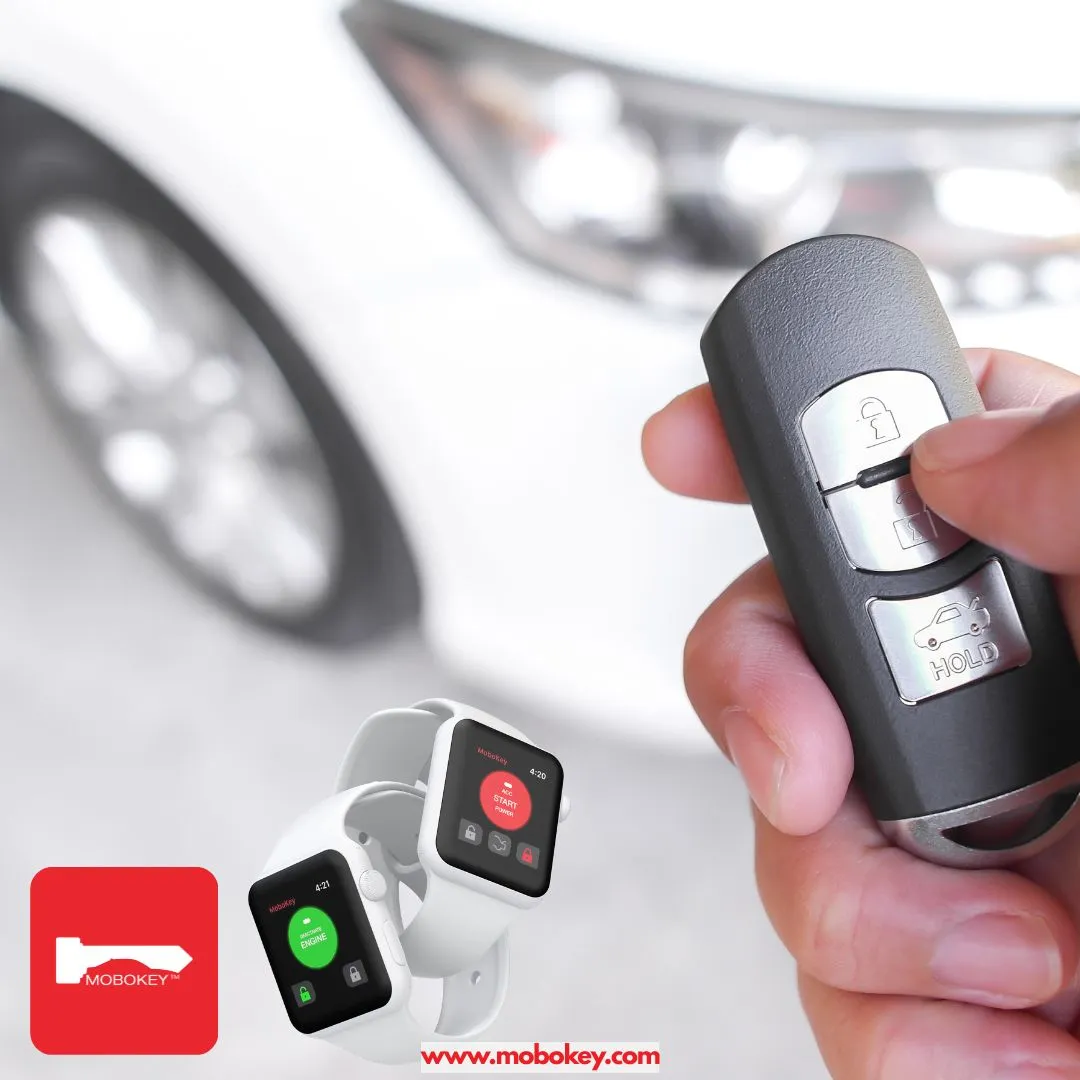
Key Vulnerabilities: Physical fobs are expensive to replace (averaging $300–$600) and are susceptible to signal cloning via relay attacks.
-
Low Asset Utilization: Every minute a car sits waiting for a key exchange or a manual inspection is a minute of lost revenue.
The Solution: Secure, Smartphone-Based Access
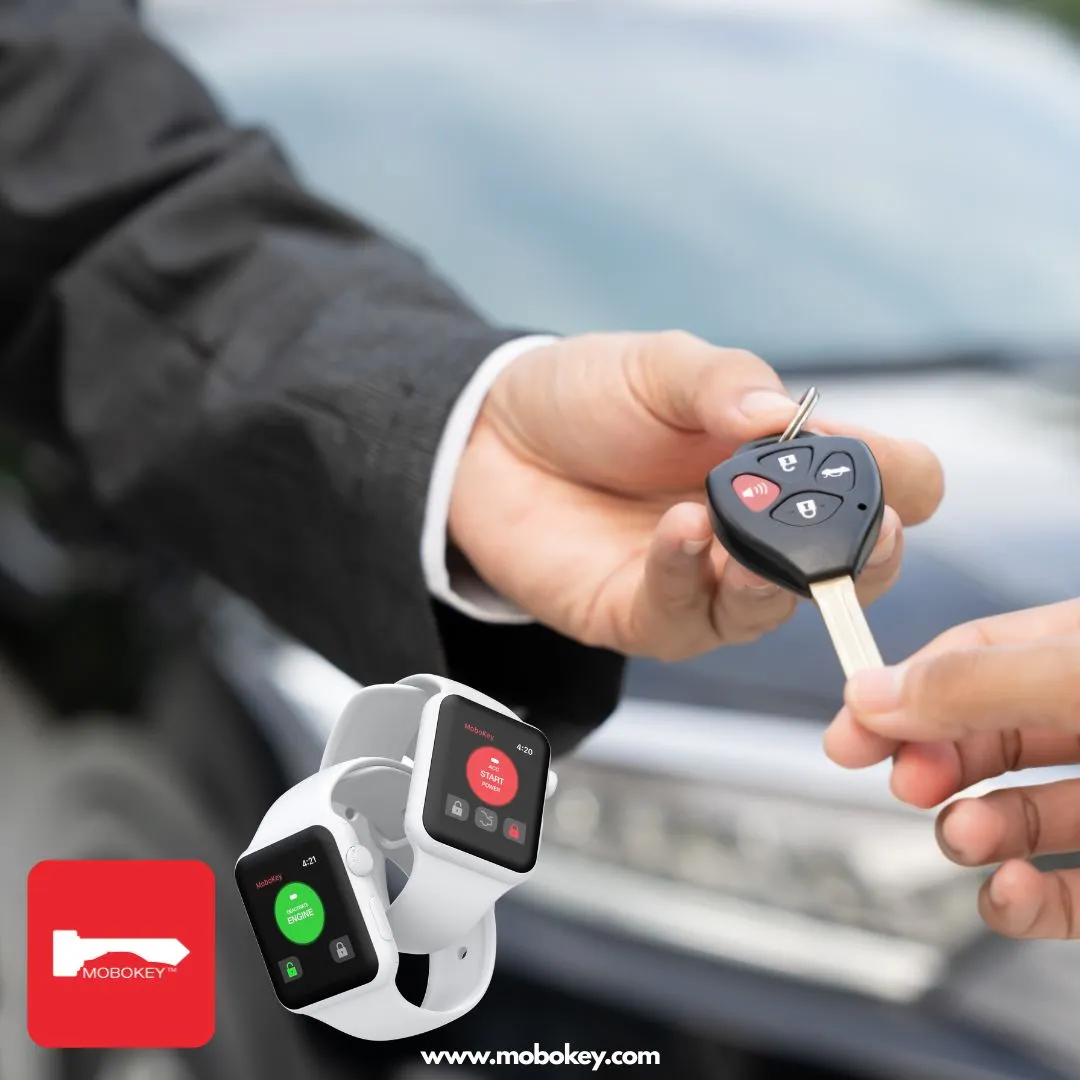
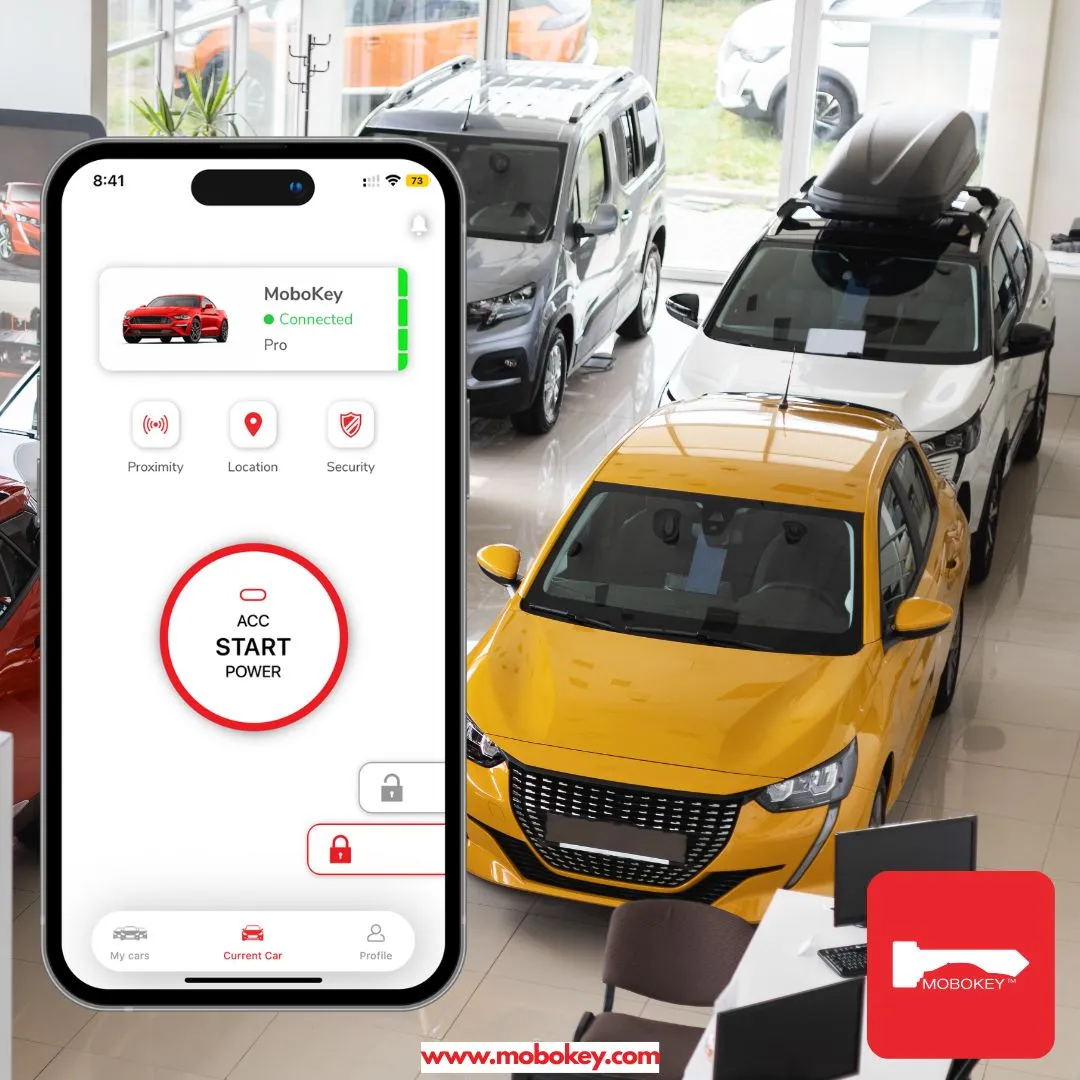
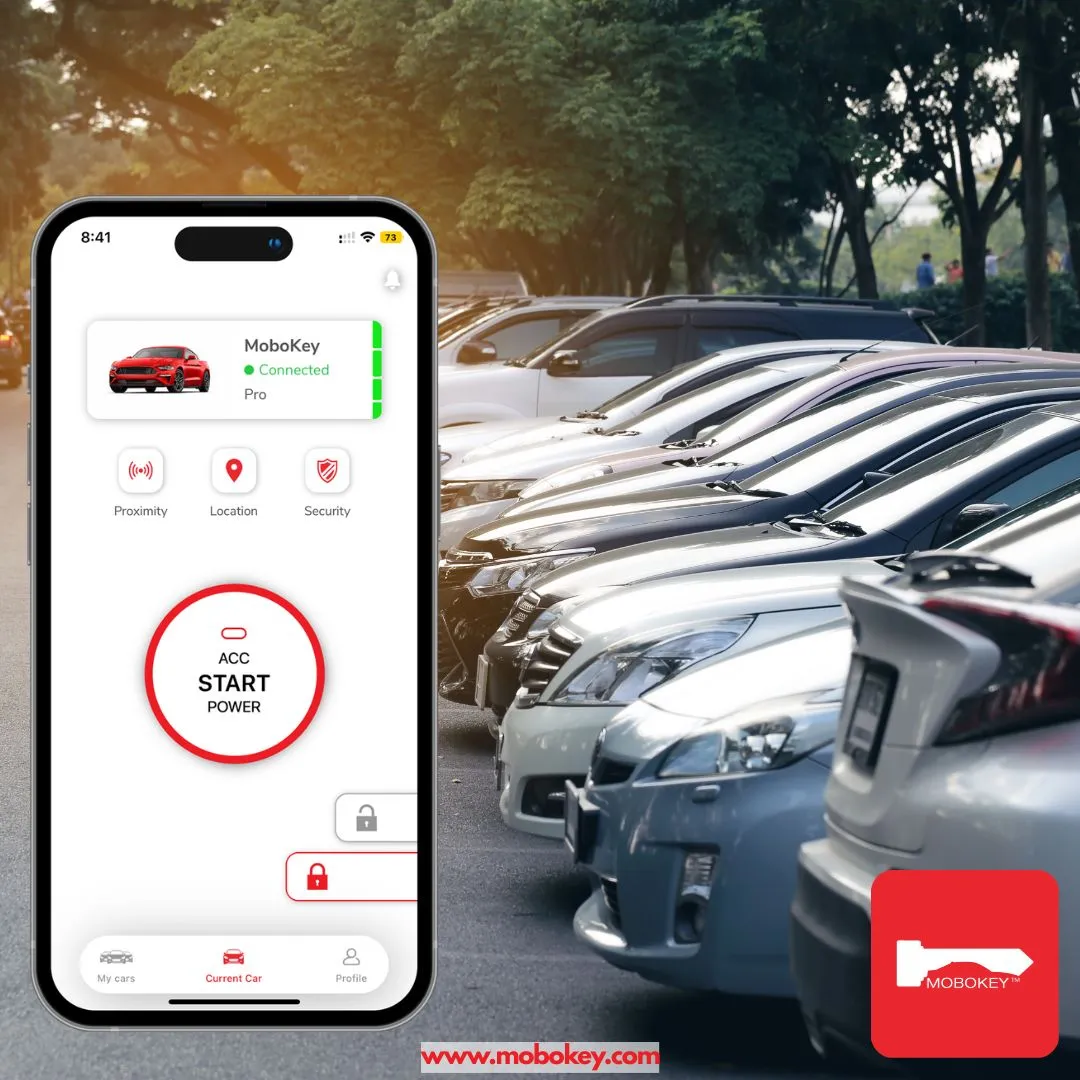
Contactless car sharing solves these issues by digitizing the vehicle’s “start” and “unlock” commands. By installing hardware like MoboKey, the car becomes a self-service asset.
-
The Digital Handshake: Customers complete identity verification (KYC) via the app. Once approved, an encrypted digital key is sent directly to their smartphone.
-
Hybrid Reliability: Modern systems use a combination of Bluetooth Low Energy (BLE) and GSM. This ensures that even in an underground airport parking garage with zero cellular signal, the renter can still unlock and start the car using their phone’s local connection.
Key Features of Contactless Car Sharing in 2026
-
24/7 Automation: Customers can book and access vehicles at 3:00 AM without any staff interaction, enabling round-the-clock revenue generation.
-
Remote Engine Kill: Security is proactive. If a vehicle is flagged as stolen or a rental period ends without payment, managers can remotely disable the ignition from a dashboard.
-
Time-Based Access sharing: Keys are not permanent. You can set the exact minute a rental starts and ends, with the digital key automatically revoking itself once the booking is over.
-
Automatic Return Logging: GPS and telematics automate the check-in process, logging return times and fuel/battery levels instantly for billing.
The Business Value: ROI and Strategic Benefits
1. Measurable Cost Reduction
By replacing physical keys, businesses can reduce administrative tasks by 30–40%. Automation removes the need for expensive branch networks and reduces processing expenses significantly. Some rental companies report full ROI in as little as 18–24 months.
2. Superior Security and Audit Trails
Digital keys provide 100% transparency. Every door unlock and engine start is logged with a timestamp and user ID. Encryption and tokenization have been shown to reduce fraudulent transactions by up to 41%.
3. Sustainability and ESG Impact
A smaller, highly efficient shared fleet helps companies meet environmental, social, and governance (ESG) targets. Digital platforms provide the transparent data required for carbon footprint reporting, demonstrating responsible asset management to stakeholders.
Comparison: Contactless vs. Traditional Models
| Feature | Traditional Fleet Model | Contactless Model (MoboKey) |
| Pickup Process | Counter queue & staff interaction | 100% Self-Service (Skip the Counter) |
| Operating Hours | Restricted by staff availability | 24/7 Automation |
| Access Hardware | Physical Key Fob | Smartphone App / Digital Key |
| Security | Passive (Insurance focus) | Active (Remote Engine Kill Switch) |
| Handoff Logistics | Manual Key Exchange | Automated Digital Sharing |
ROI: The Future-Proof Advantage
Investment in contactless technology is a strategic move toward scalability. Unlike traditional models where adding more cars requires more staff, a digital-first fleet can scale exponentially. Automated systems can handle three times the transaction volume of manual systems without needing additional administrative staff.
Learn how to launch your own car-sharing business or explore our Fleet Access Control solutions.
Conclusion: Digital Autonomy is the Future
The shift toward contactless car sharing is making travel safer, quicker, and significantly more efficient for operators. In 2026, the digital key is no longer just a convenience—it is the essential tool for fleet management. By removing the physical key, you remove the biggest barrier to your company’s growth.
Ready to elevate your customer experience? Talk to our Experts.