In the 2026 real estate market, the definition of “luxury” has officially pivoted from square footage to seamless operational convenience. As urban density rises and the annual cost of car ownership exceeds $15,000, modern tenants are looking for “car-light” lifestyles that don’t sacrifice mobility. For developers, private car sharing for neighborhoods is no longer just a futuristic concept, it is a strategic amenity that drives higher yields, reduces construction costs, and future-proofs the asset.
The Problem: The High Cost of Parking and Key Management
Traditional residential developments are burdened by two major operational drains:
-
The Parking Financial Trap: Constructing a single underground parking spot now costs between $30,000 and $60,000. In a 200-unit building, parking alone can represent a multi-million dollar capital expenditure with low ROI.
-
The “Key Desk” Logistical Nightmare: Managing a shared fleet manually is impossible. Relying on concierges to hand out physical fobs leads to lost keys (costing up to $600 each), security lapses, and restricted “office hour” access for residents.
The Solution: Onsite Sharing with 24/7 Digital Keys
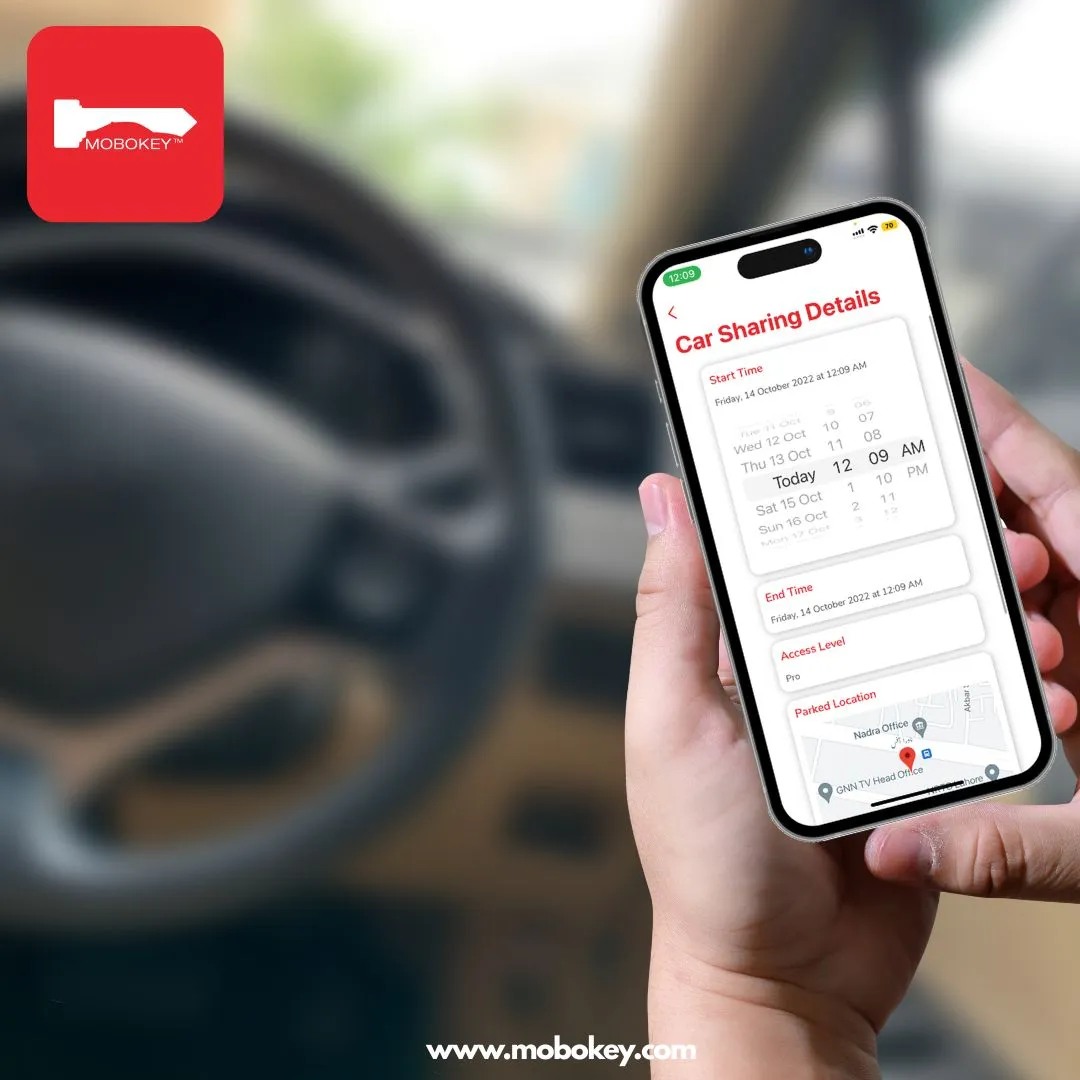
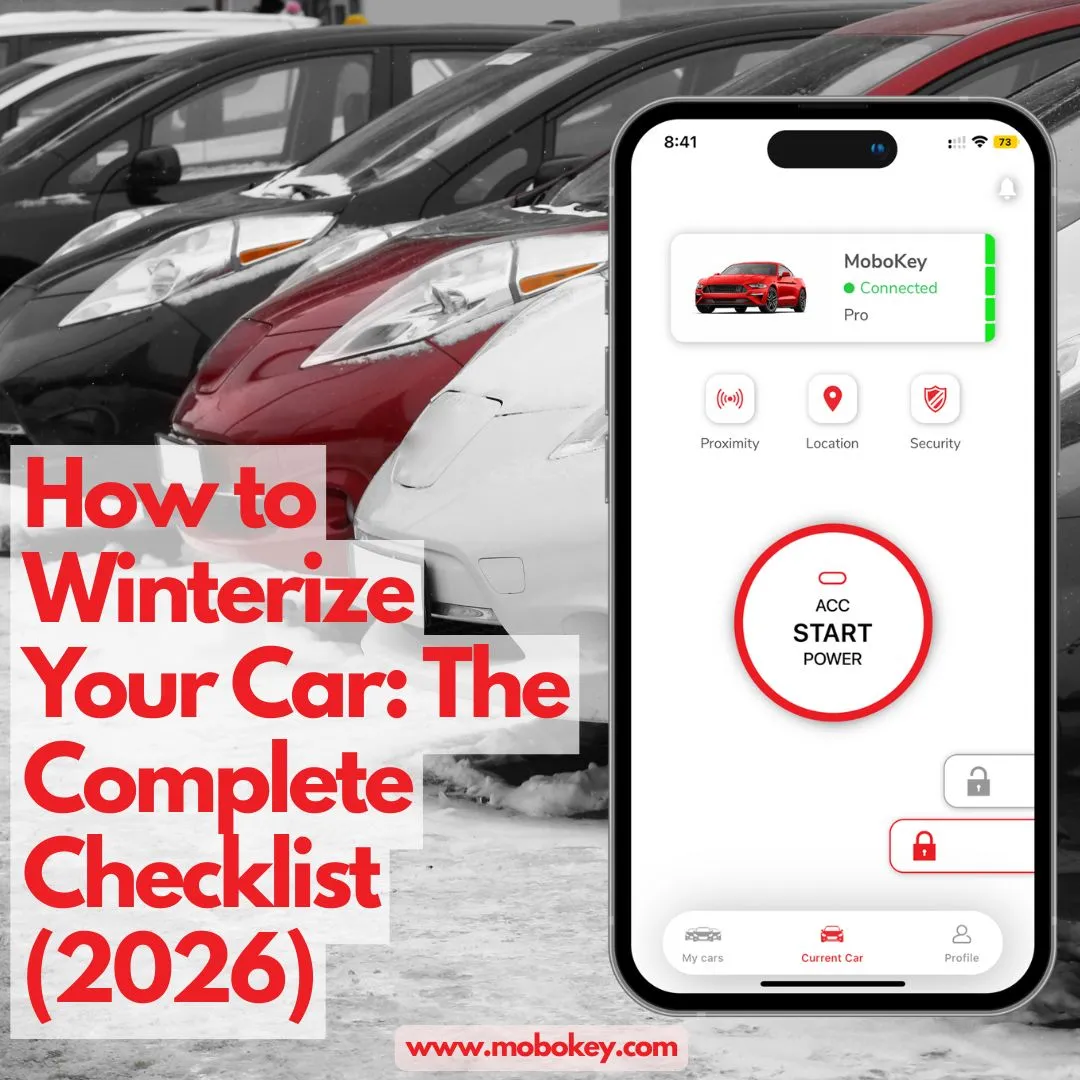
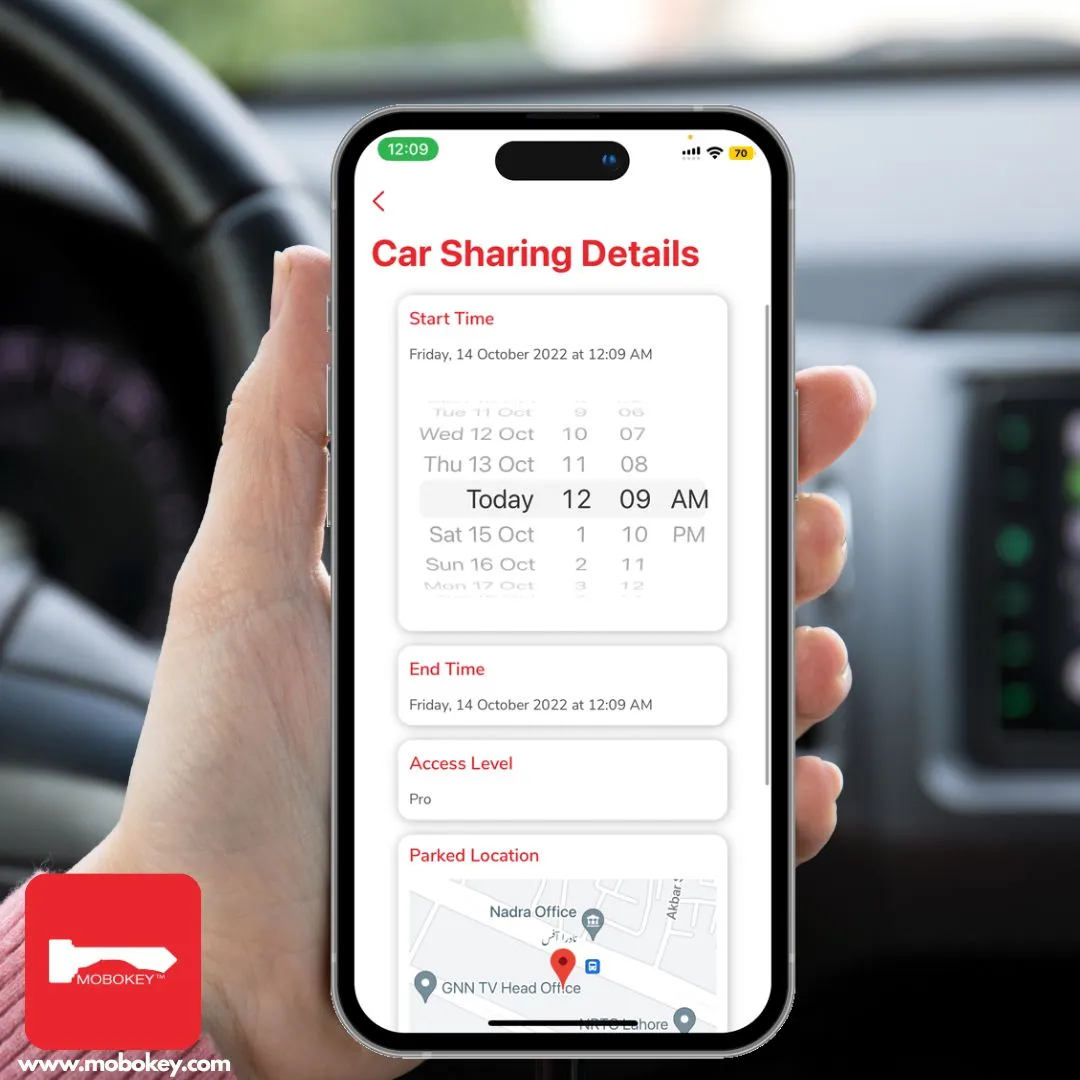
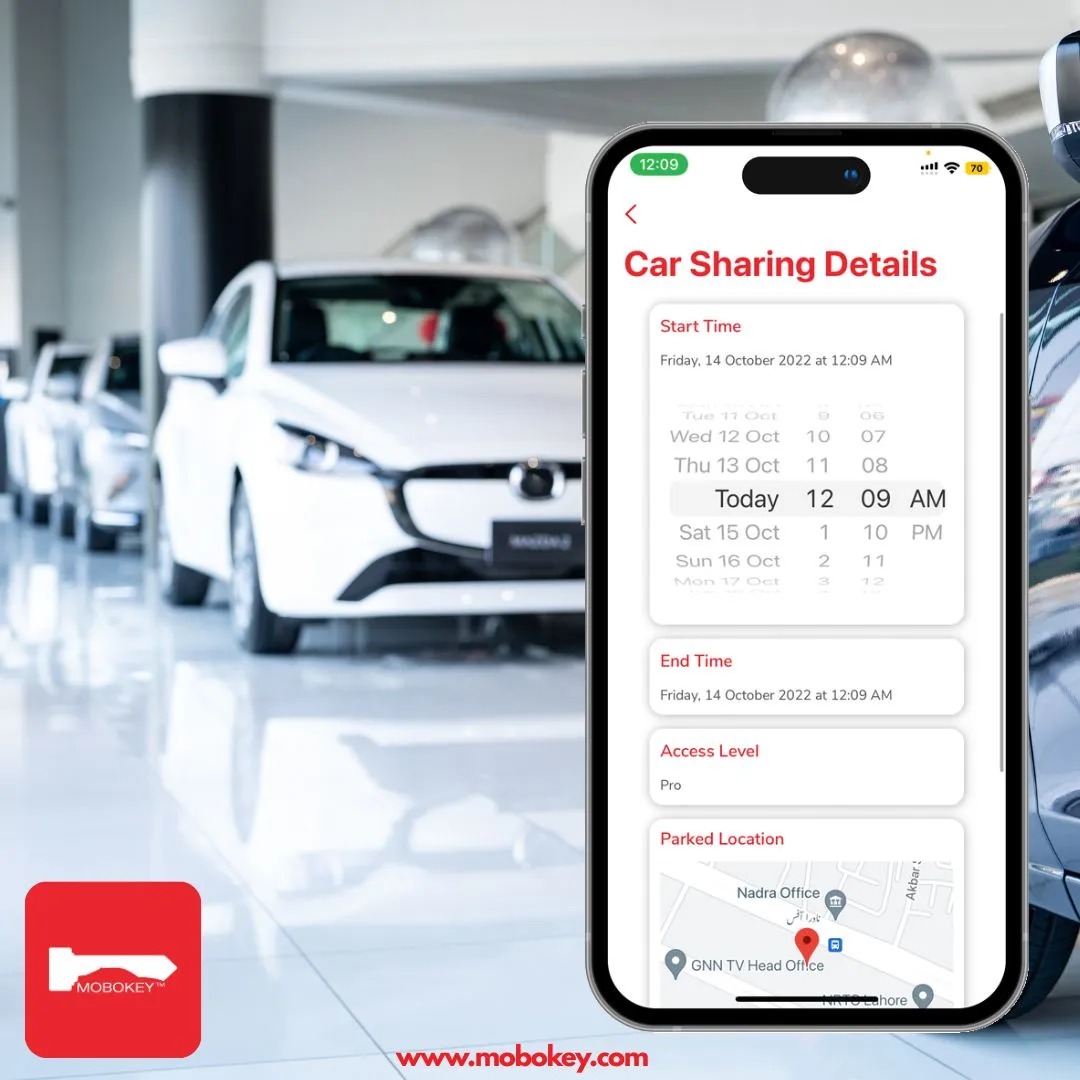
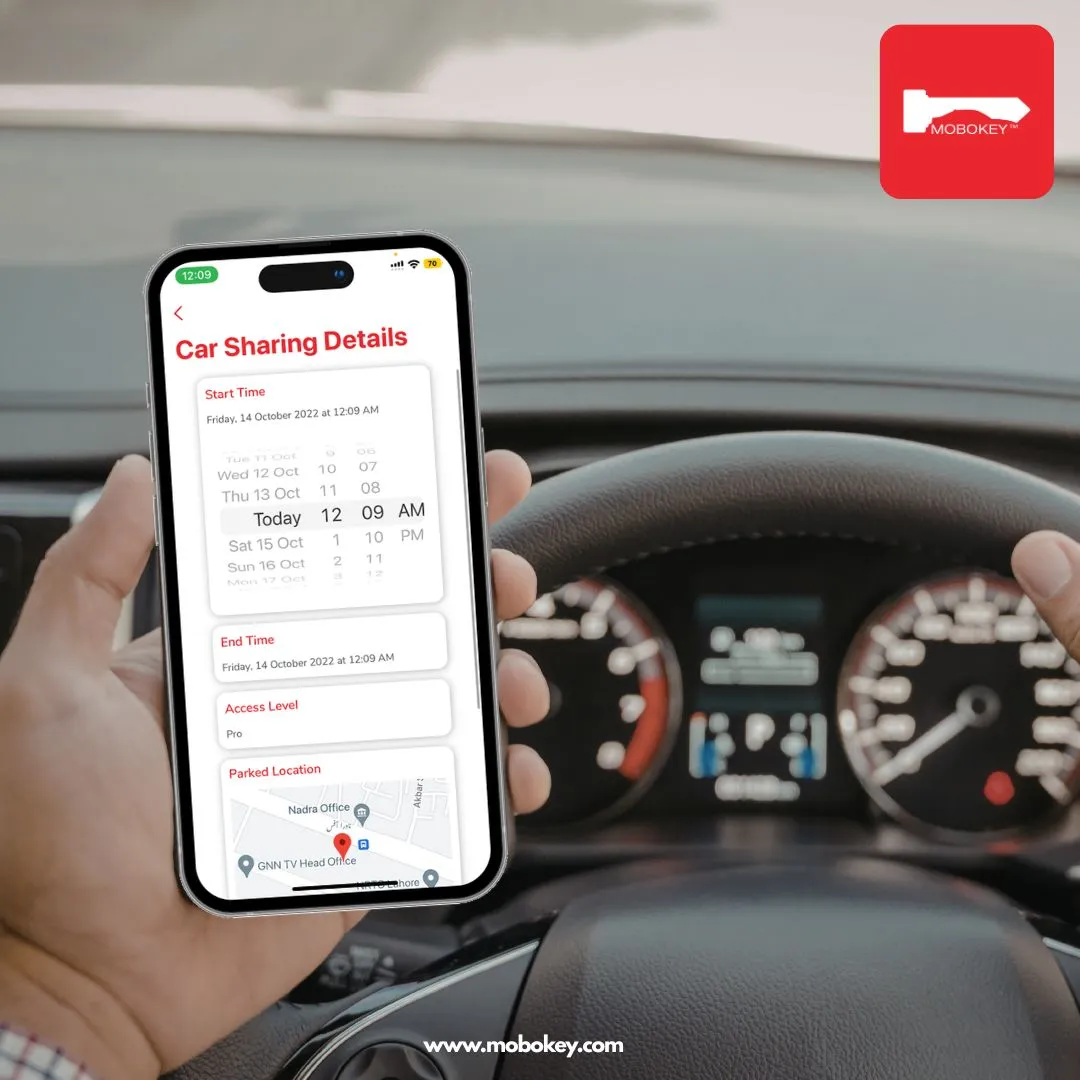
Integrating a private car-sharing fleet managed by digital key technology allows developers to offer a premium mobility service with zero staffing overhead. By digitizing access, the car becomes a self-service amenity as simple to use as the building’s gym or lounge.
Why Onsite Car Sharing is a Triple-Win for Developers
1. Radical Construction Savings (The Parking Pivot)
By incorporating a private car-sharing program, developers can negotiate with municipal planners to reduce mandatory parking ratios.
-
Space Efficiency: One shared vehicle can replace up to 23 private cars.
-
Capital Reallocation: Reducing parking by just 10% can save millions in construction costs, which can be redirected into higher-margin amenities or additional residential units.
2. Enhanced Asset Value and Resident Retention
Properties that provide onsite mobility see a significant uplift in marketability.
-
Lower Churn: Tenants are 30% more likely to renew when lifestyle-essential amenities like car sharing are integrated into their building.
-
Branded Ecosystems: Using a white-label platform (like MoboKey Go) allows the developer to offer a building-branded app, creating a cohesive “ecosystem” that increases tenant loyalty.
3. 100% Automated “Keyless” Operations
The 2026 standard for residential mobility is frictionless access. Digital keys (Phone-as-a-Key) eliminate the need for a physical key desk entirely.
-
24/7 Autonomy: Residents book, unlock, and start vehicles directly from their smartphones at any hour, without involving property management.
-
Full Accountability: Every trip is logged digitally. Managers have a 100% accurate audit trail of who used the car and when, while “Remote Engine Kill” features provide active security against unauthorized use.
Comparison: Traditional Building vs. 2026 Mobility Hub
| Feature | Traditional Condo Model | 2026 Mobility Hub (MoboKey GO) |
| Parking Requirement | High (1:1 Ratio) | Reduced (Shared Fleet Model) |
| Access Control | Physical Fobs / Key Desk | 24/7 Digital Key (Smartphone) |
| Management Labor | High (Staff required for handoffs) | Zero (Autonomous Self-Service) |
| Revenue Stream | Static Parking Leases | Recurring Usage-Based Income |
| Tenant Appeal | Utility | Lifestyle Luxury / Sustainability |
ROI: Building the Infrastructure of the Future
By late 2026, it is expected that 10% of the urban population will rely on car sharing as their primary mode of transport. Developers who adopt the “asset-lite” parking model today aren’t just saving on concrete; they are building a modern ecosystem that commands premium rents and lower operational costs.
Maximize your property’s potential. Explore our Car Sharing solutions or learn how to launch a residential fleet today.
FAQs
Q: How is the car-sharing fleet maintained?
A: Most developers partner with local fleet operators or use the MoboKey Go dashboard to automate maintenance alerts and cleaning schedules based on vehicle usage logs.
Q: Is it safe to allow residents to self-serve?
A: Yes. Digital key systems use encrypted handshakes and biometric phone locks (FaceID/Fingerprint). Furthermore, the system can restrict access based on a tenant’s license validity and insurance status.
Q: Can this be installed in existing buildings?
A: Absolutely. The hardware is vehicle-agnostic and can be retrofitted in approximately 30 minutes, allowing older developments to compete with new high-tech builds.
Conclusion: Reclaim Your Space
In 2026, the most successful real estate players are those who shift from passive ownership to active performance management. Private car sharing for neighborhoods offers the ultimate hedge against rising construction costs while providing the high-tech, “ownership-free” freedom that today’s residents demand.
Ready to turn your parking lot into a profit center? Talk to our Experts.