Car Access

How Car Sharing Systems Work: Traditional vs. Digital Models

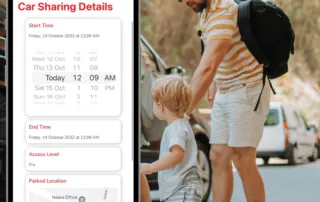
Over the last decade, car-sharing industry has underwent a radical transformation. What began as a local effort involving manual logbooks, a physical handovers has evolved into a global mobility powerhouse. That is driven by automation. To understand how car-sharing systems work today, we must look at the transition from the legacy "managed access" model to the modern "software-defined" model. This shift has not only changed the way users interact with vehicles but has also fundamentally altered the economics of fleet management. The Evolution of Car Sharing The history of car ........

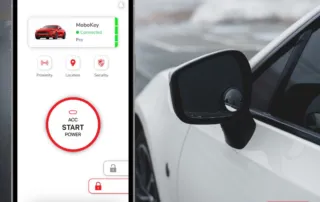
MoboKey vs Traditional Car Sharing System

The transition of car sharing from a niche communal effort to a global mobility powerhouse. We define it by the evolution of its access technology. To understand how car-sharing systems work today, one must contrast the legacy "station-based" hardware with the modern "free-floating" digital ecosystem. It takes us to understand MoboKey vs. Traditional Car Sharing Systems The Evolution of Car Sharing The earliest car-sharing initiatives, dating back to 1948 in Switzerland, were manual and informal. By the late 1990s, the "Zipcar era" introduced a more formalized approach. Relying on station-based ........

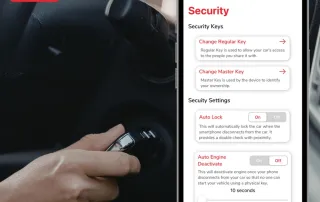
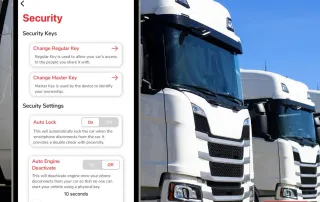
Are Digital Car Keys Secure for Commercial Fleets?

In the fast-paced world of B2B logistics and vehicle mobility, operational friction is the silent killer of profitability. For decades, fleet managers have been tethered to the physical key. A small piece of hardware that creates massive logistical bottlenecks, security vulnerabilities, and administrative headaches. However, as fleets evolve into mobile data hubs, the transition to digital keys for fleet management is no longer a futuristic concept but a strategic necessity. By replacing traditional fobs with encrypted mobile credentials, organizations can achieve a measurable Return on Investment (ROI) while fundamentally streamlining ........

Digital Car Key vs Physical Key: A Comprehensive Comparison

For over a century, the relationship between a driver and their car has been defined by a single object: the key. From the simple metal blades of the 1980s to the complex transponder fobs of today, physical keys have been the standard for security and access. But as vehicles become more connected, the limitations of physical hardware are becoming expensive bottlenecks. Enter the digital car key—a software-based solution that lives on your smartphone. The debate of digital key vs physical key isn't just about cool gadgets; it's a serious calculation ........

What Is a Digital Car Key and How Does It Work?

For over a century, the ritual of driving has started the same way: you reach into your pocket, pull out a piece of metal or plastic, and physically engage the vehicle. Whether it was the jagged metal keys of the 90s or the bulky plastic fobs of the 2000s, the "key" has always been a physical object—something you can lose, break, or forget. But today, the device you use for banking, communication, and navigation is taking over the role of vehicle access. Digital car key technology is rapidly becoming the ........

MoboKey vs Traditional Car Sharing Systems

Car sharing has evolved rapidly over the past decade, but many operators still rely on systems designed for a very different era. As shared mobility scales and customer expectations rise, the limitations of legacy car sharing setups are becoming harder to ignore. This car sharing system comparison explores how traditional car sharing systems stack up against a modern, digital key–based approach like MoboKey, focusing on cost, scalability, hardware complexity, and operational flexibility. If you’re planning to launch, upgrade, or scale a car sharing operation, choosing the right system is a ........

Alternatives to Smart Key Fobs: The Future of Vehicle Access

For years, the smart key fob was the gold standard of automotive convenience. It allowed for push-button starts and proximity-based unlocking, replacing the need to ever physically turn a key in an ignition. However, as we move into a more connected era, even the smart fob is beginning to show its age. Drivers are increasingly looking for smart key alternatives that eliminate the need to carry any physical hardware at all. In this guide, we will explore the limitations of traditional fobs, the rise of digital keys, and why smartphone-based ........

Digital Car Key vs. Physical Key: Choosing the Future of Vehicle Access

For over a century, the physical car key, whether a simple metal blade or a modern electronic fob. It has been the undisputed standard for vehicle entry and ignition. However, as the automotive world moves toward a more connected future. The digital vs physical car key debate has become a central focus for individual drivers and fleet operators alike. While traditional keys offer familiarity, they come with inherent limitations in convenience, security, and scalability that modern digital solutions are designed to overcome. In this guide, we will compare these two ........

GPS Tracking vs. App-Based Access: Navigating the Future of Fleet Management

The automotive industry is at a crossroads between two dominant philosophies for vehicle oversight: traditional hardware-dependent GPS tracking and modern, smartphone-centric app-based access. For fleet managers and car-sharing operators, this choice dictates everything from daily operational efficiency to long-term profitability. While both technologies aim to provide security and transparency, they operate on fundamentally different principles. In this guide, we compare gps vs app car access to help you determine which model aligns best with your privacy standards, budget, and logistical needs. The GPS Tracking Model: Always-On Surveillance Traditional GPS tracking ........

Reducing Key Loss in Rental Fleets: Cost-Saving Strategy for 2026

For rental car operators, a single physical key is more than a tool. It is a $600 liability waiting to happen. In an industry where rental car key loss erodes profit margins. The traditional reliance on physical fobs has become a significant financial and operational risk. As we move into 2026, the automotive digital key market will grow by $640 million. The growth is because digital keys are secure, and offer cost-effective fleet management. This guide quantifies the true impact of key loss and explores how digital keys provide a ........

2026-01-01T18:31:44+05:00Categories: Car Access|Tags: , , |
Go to Top