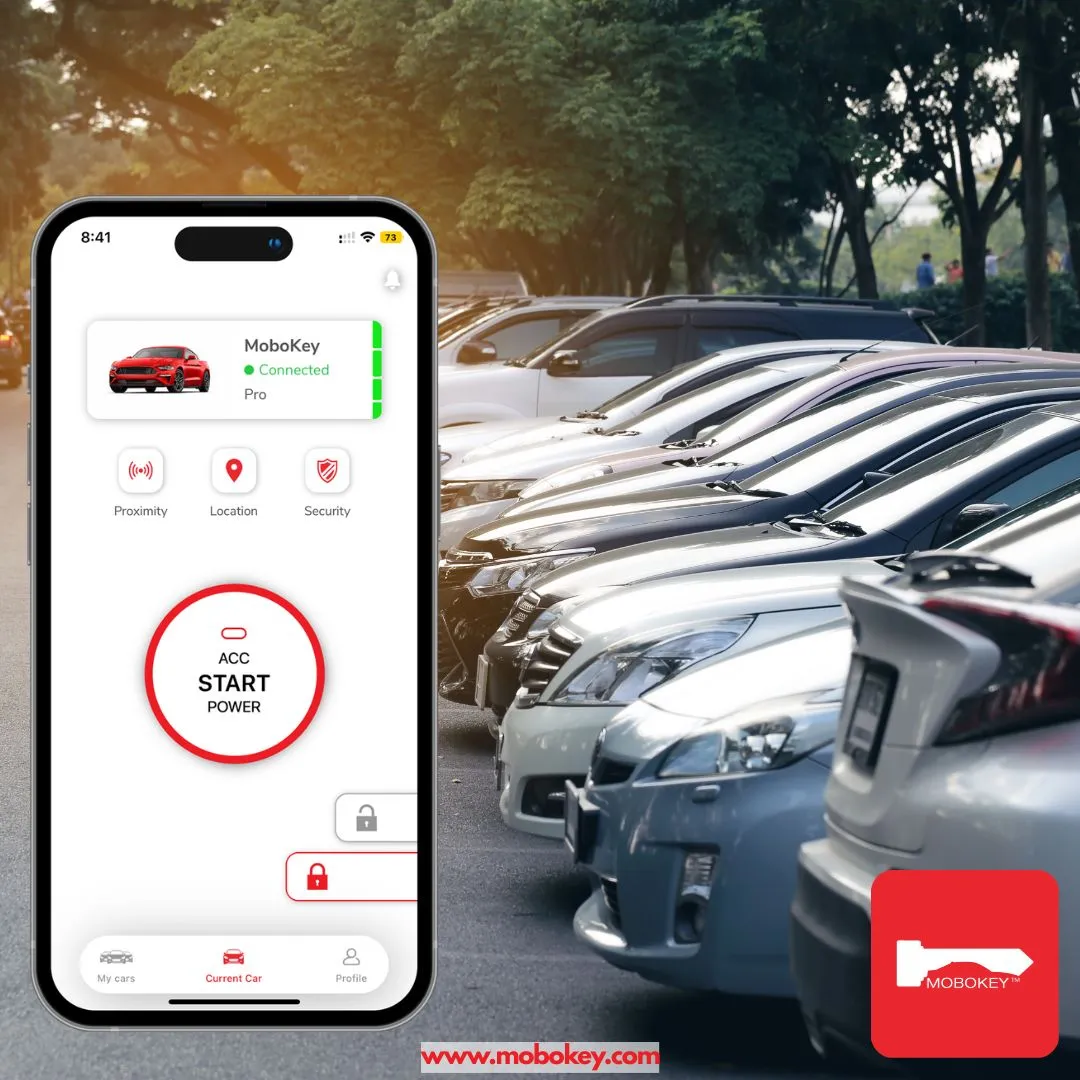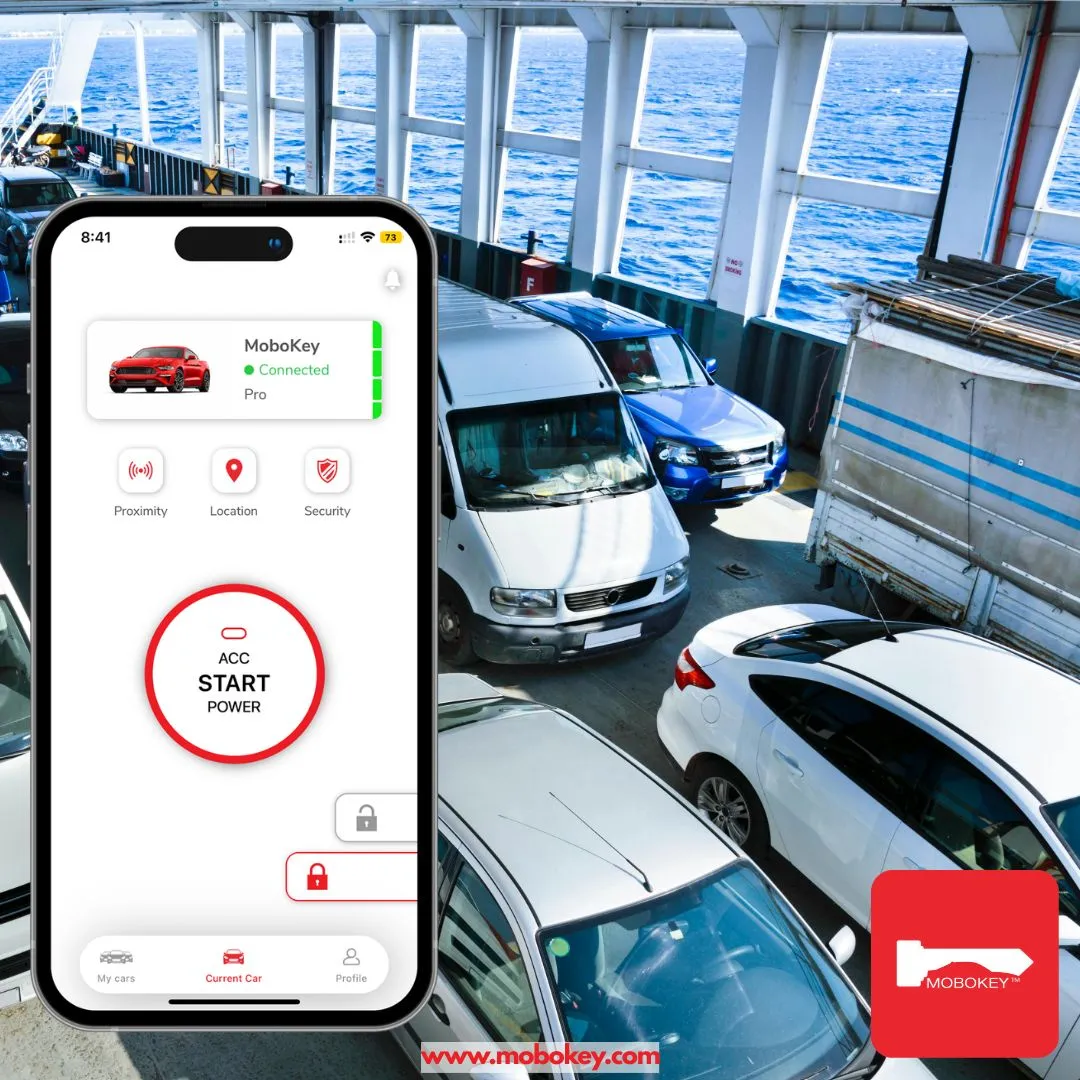
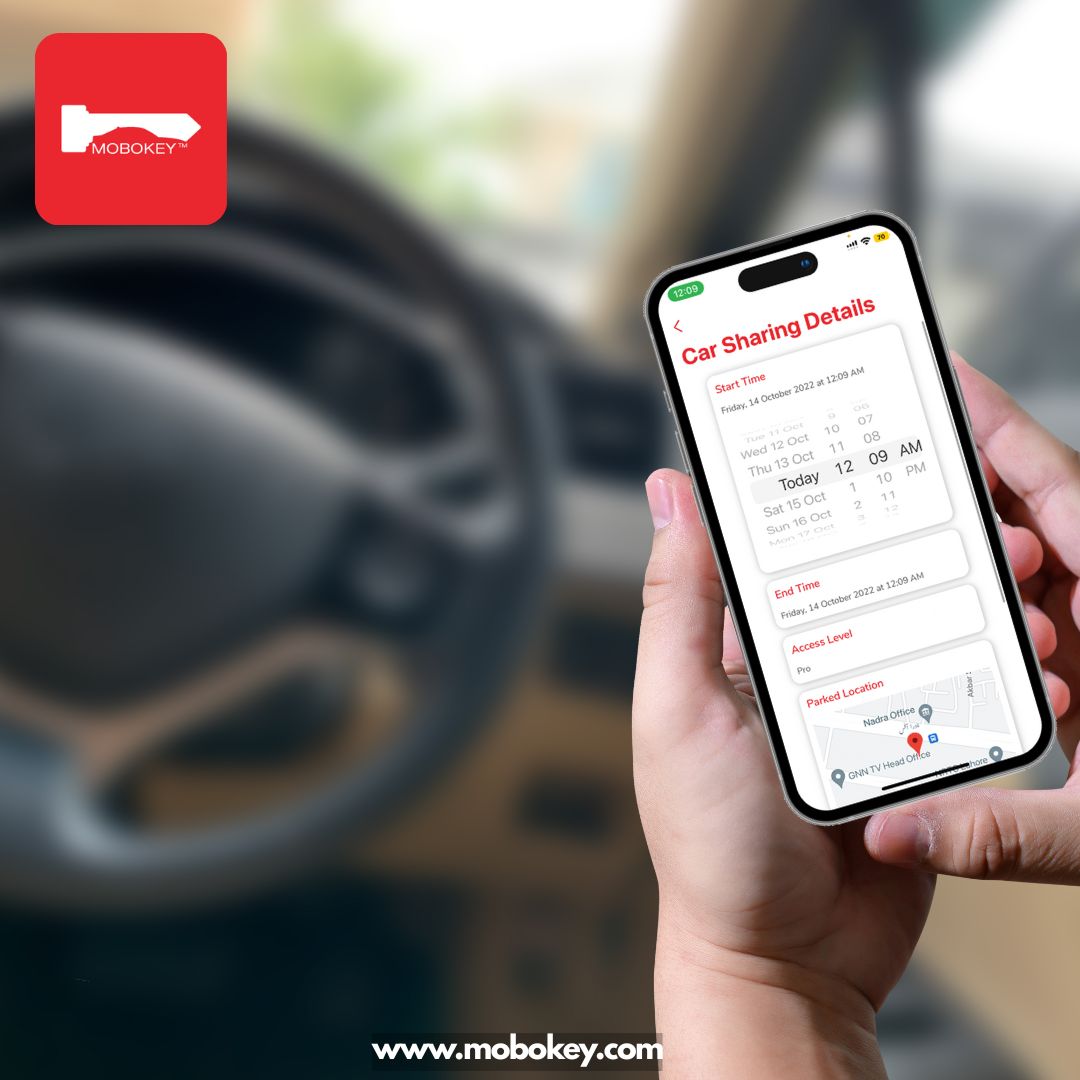
In an era of increasing surveillance, the automotive industry is facing a significant challenge. How to balance the operational needs of car sharing with the growing demand for personal privacy. For many fleet operators and car-sharing hosts, the default solution has been permanent, vehicle-integrated GPS tracking. However, a new paradigm is emerging, MoboKey car sharing without gps. It is tracking directly in the vehicle. By shifting away from always-on vehicle surveillance and toward privacy-first digital keys. Operators can build trust with users while still maintaining the security and efficiency required for a successful sharing platform.
Why Privacy Matters in Car Sharing
For the modern renter, privacy is no longer a luxury; it is a fundamental expectation. Traditional vehicle tracking often captures data regardless of whether the car is being used for a business trip or a private errand. It is creating a “continuous data collection” environment that many find intrusive.
-
The Stigma of Surveillance: Users are increasingly wary of “black boxes” that monitor their every move, speed, and location in real-time.
-
Data Ownership: Integrated GPS systems often send data to third-party cloud servers. It is raising concerns about who owns that information and how it might be used or shared.
-
Trust as a Business Asset: For small-to-medium rental companies and P2P hosts. We are offering a “privacy-first” experience can be a powerful competitive differentiator.
GPS Concerns: The Risks of Always-On Tracking
While GPS is a powerful tool for recovery, its permanent installation in a vehicle introduces several risks for both the operator and the driver.
1. Regulatory Hurdles (GDPR & Beyond)
Under regulations like the GDPR, location data is considered sensitive personal data. Operators who track vehicles must meet strict requirements, including demonstrating a “legitimate aim”. We are providing users with the ability to disable tracking during personal use. Permanent, non-removable GPS units can make compliance difficult and expose businesses to significant legal liability.
2. Signal Vulnerabilities
Integrated GPS systems rely on cellular (GSM) networks to transmit location data. In underground parking garages, narrow urban streets, or remote areas. These signals often fail, leaving the operator blind at the very moment they might need to locate the asset.
3. Battery and Hardware Wear
Always-on GPS trackers can drain a vehicle’s battery over time. This is an issue especially in fleets with lower utilization rates. Additionally, hardwired units require professional installation and can be tampered with by sophisticated thieves.
Phone-Based Location: A Privacy-First Alternative
The most effective way to manage car sharing without gps in the vehicle. It is to leverage the technology already in the user’s pocket: the smartphone.
Instead of a hidden device in the dashboard, the system uses the smartphone’s built-in GPS only when the app is active. This “Phone-as-a-Key” approach provides the necessary location data, such as the Last Parked Location. It works without the need for permanent vehicle-bound surveillance.
-
Accuracy on Demand: Smartphones use a combination of GPS, Wi-Fi, and Bluetooth to provide highly accurate location data exactly when it’s needed.
-
Consent-Driven: Tracking only occurs with the driver’s consent through the app. Ensuring that privacy is maintained once the rental period ends or the app is closed.
Benefits of the Non-GPS Approach
Moving toward a privacy-focused model offers several operational and ethical benefits:
-
Reduced Hardware Costs:
By eliminating the need for expensive GPS “black boxes” and monthly SIM card subscriptions for every car, startups can significantly lower their upfront and recurring costs. -
Simplified Compliance:
Without permanent vehicle tracking, meeting data privacy regulations becomes much simpler, as location data is only captured during the authorized booking window. -
Enhanced User Loyalty:
Transparency about data usage builds a stronger relationship with customers, who are more likely to return to a platform that respects their boundaries.
The MoboKey Model: Privacy, Security, and Freedom
MoboKey has pioneered a model that provides all the security of a connected car without the baggage of permanent GPS tracking. Our smartphone-based car access platform is built on a “privacy-first” philosophy.
-
Bluetooth-Only Access:
MoboKey uses secure, AES-encrypted Bluetooth (BLE) for all core functions—locking, unlocking, and starting the engine. This connection is direct and private, requiring no internet or GSM signal to function. -
Last Parked Location:
Instead of real-time tracking, MoboKey records the Last Parked Location on the owner’s app. This allows you to find your car in a busy lot or verify a return without monitoring the user’s entire journey. -
Remote Security Without Surveillance:
Even without an integrated GPS, MoboKey offers advanced security features like Remote Engine Immobilization and Anti-Snatch Mode. You can deactivate the vehicle’s starter manually through the app if a car is not returned, providing the ultimate “kill switch” for your assets. -
Lifetime Freedom:
With a one-time hardware cost and no monthly or annual charges, MoboKey allows car-sharing hosts to maximize their revenue without being burdened by the “subscription tax” common in the GPS industry.
Build a More Private Future
You don’t need to choose between security and privacy. By embracing app-based access and phone-centric location, you can protect your fleet while respecting your users’ digital rights.
Ready to see how MoboKey enables secure car sharing without vehicle-based GPS? Learn How MoboKey Works Today