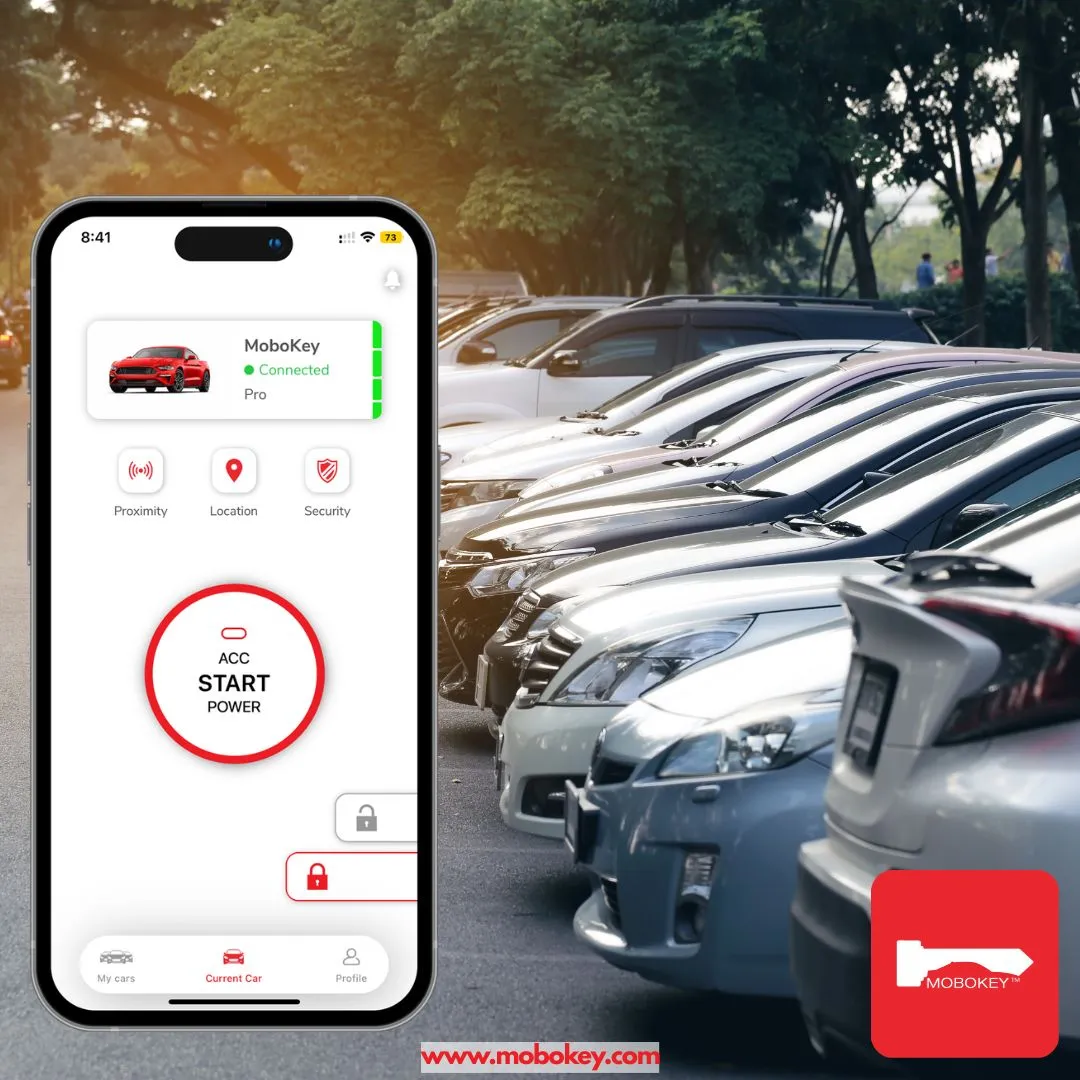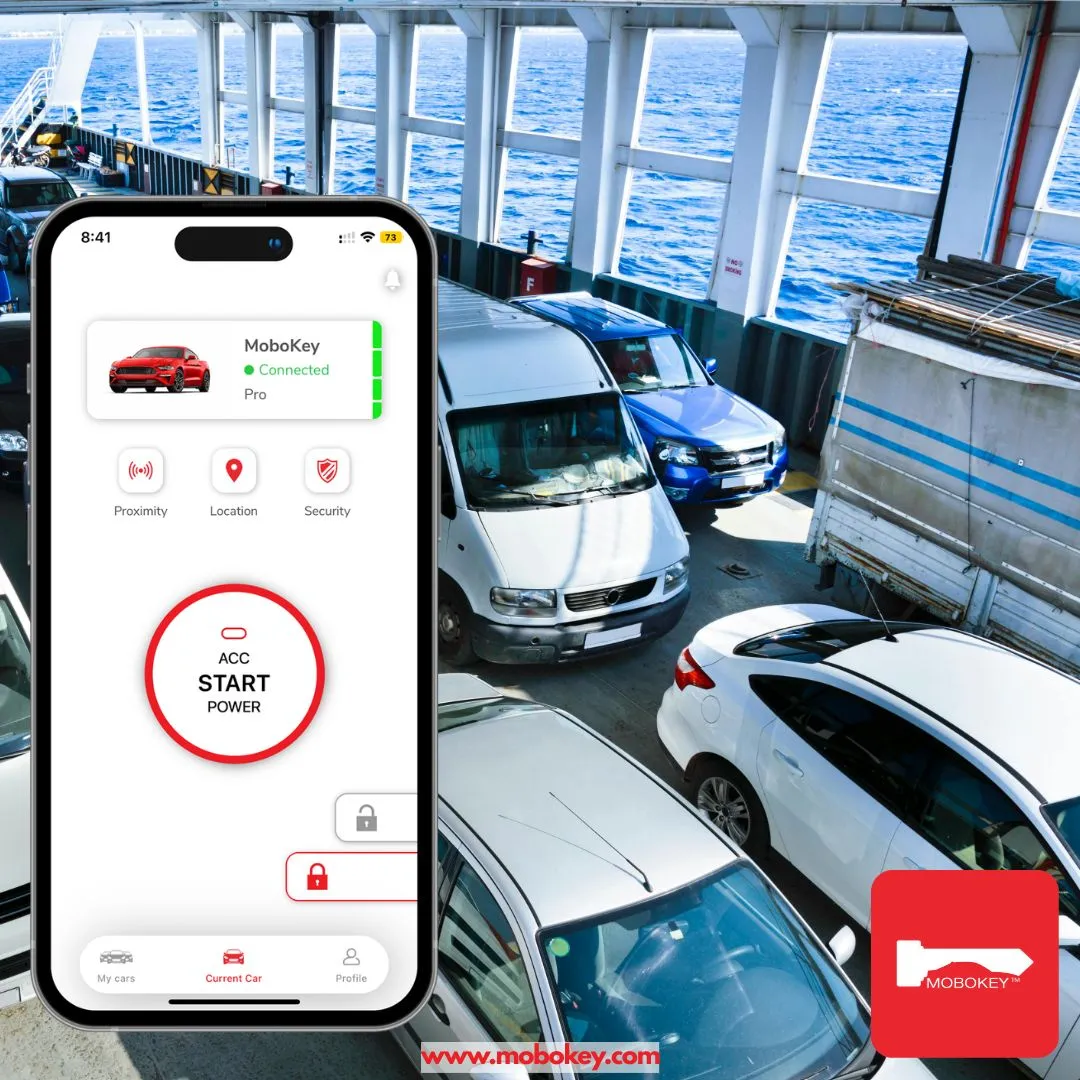
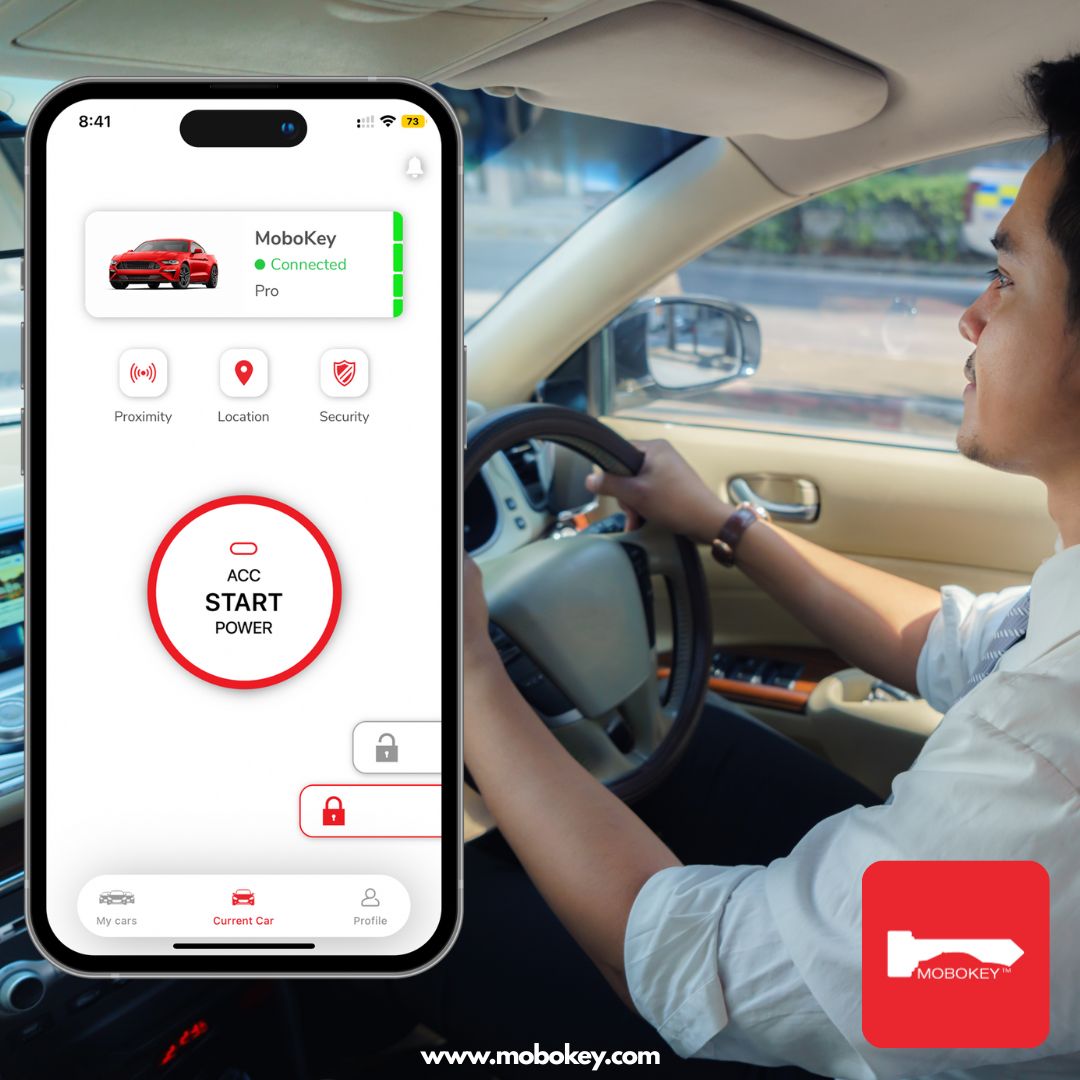
In the fast-paced world of B2B logistics and vehicle mobility, operational friction is the silent killer of profitability. For decades, fleet managers have been tethered to the physical key. A small piece of hardware that creates massive logistical bottlenecks, security vulnerabilities, and administrative headaches. However, as fleets evolve into mobile data hubs, the transition to digital keys for fleet management is no longer a futuristic concept but a strategic necessity. By replacing traditional fobs with encrypted mobile credentials, organizations can achieve a measurable Return on Investment (ROI) while fundamentally streamlining their day-to-day operations.
The Current Challenges of Fleet Key Management
Relying on physical keys in a commercial environment introduces systemic risks that hinder scalability.
-
Operational Sprawl:
Manual key management requires physical coordination for handoffs, leading to “time to road” delays and restricted 24/7 service capability. -
Security Gaps:
Physical keys lack a real-time audit trail. Once a key is handed out, managers lose visibility into who exactly is operating the vehicle at any given second. -
Asset Downtime:
A single lost key can immobilize a revenue-generating asset for days. Hence, disrupting delivery schedules and requiring expensive emergency replacements.
Benefit 1: Instant Remote Access Provisioning
The primary advantage of a digital key system is the ability to automate the rental and assignment lifecycle.
-
Contactless Handovers:
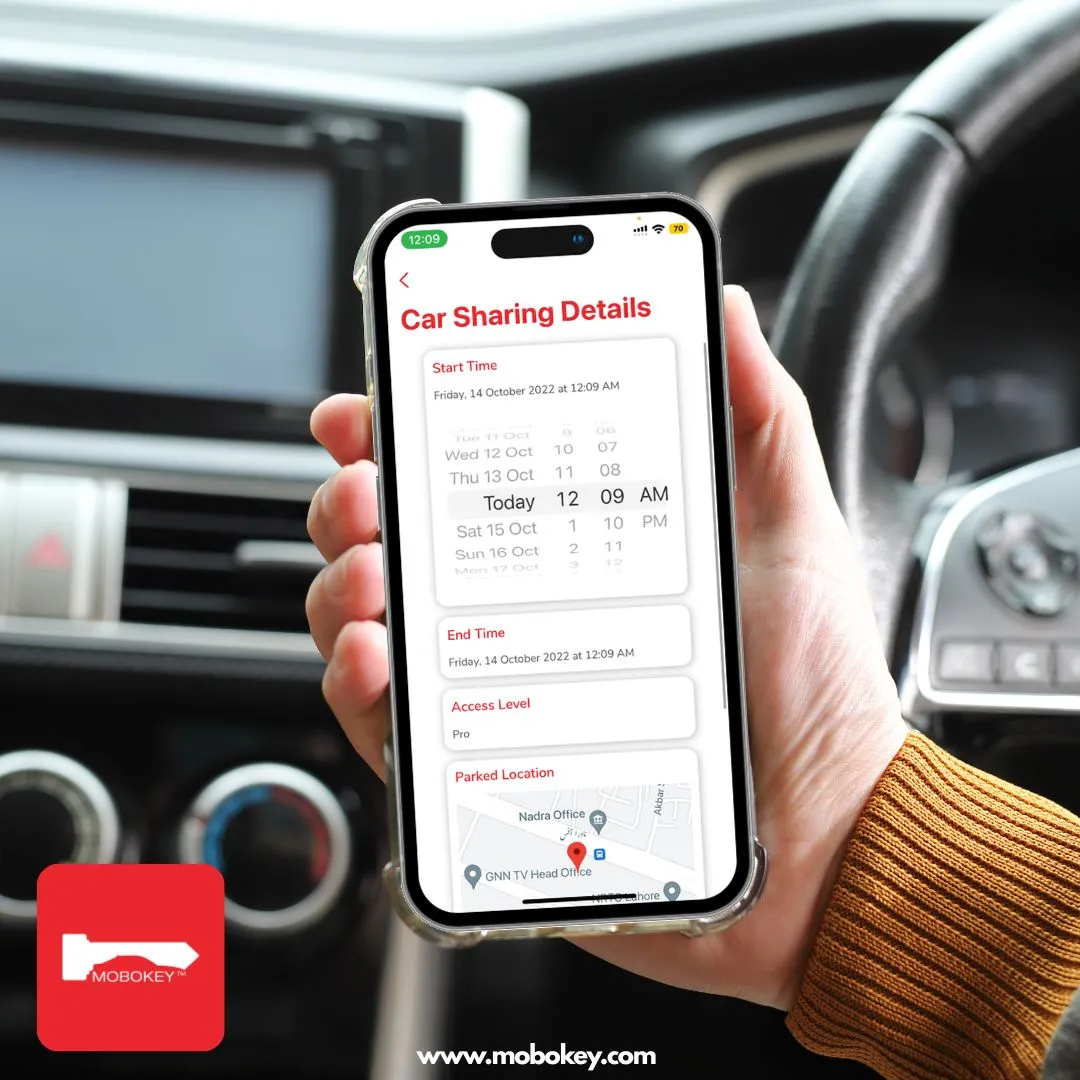
Dispatchers can send secure digital keys directly to a driver’s smartphone. Eliminate the need for yard offices or physical meetups. -
Precision Scheduling:
Managers can define the exact second a rental window starts and ends. Hence, preventing unauthorized early pickups or late returns. -
Temporary Permissions:
Third-party service technicians or yard support can be granted instant. A temporary access through a “scan and go” process, streamlining maintenance workflows.
Benefit 2: Eliminating Lost Key Costs
Physical car keys are high-liability assets that carry significant hidden costs.
-
Reduced Replacement Overhead:
Replacing a modern smart key fob typically costs between $300 and $1,000 when accounting for hardware, labor, and towing. -
Digital Revocation:
If a driver loses their smartphone, access can be revoked instantly from a central dashboard. Rendering the lost “key” useless without needing to re-program the vehicle’s locks. -
Elimination of Lockbox Maintenance:
By keeping keys digitally managed within the vehicle or through an app. The fleets avoid the costs associated with maintaining physical key cabinets or intelligent lockers.
Benefit 3: Enhanced Security and Driver Accountability
Digital keys provide a level of oversight that physical keys simply cannot match. It is creating a “digital fortress” around fleet assets.
-
Anti-Theft Encryption:
Leading solutions like MoboKey use 128-bit AES encryption for all smartphone-to-car communications. Which is effectively neutralizing the “relay attacks” that plague traditional fobs. -
Remote Engine Immobilization:
In cases of theft or non-payment, fleet managers can use a remote engine kill switch. It is to instantly disable the vehicle’s starter from their smartphone. -
Biometric Verification:
Because digital keys reside on mobile devices. They are protected by the phone’s own biometric security (FaceID or fingerprint), ensuring that only the authorized driver can start the engine.
Benefit 4: Real-Time Usage Data and Analytics
Transitioning to digital access turns every vehicle into a connected data point, providing actionable insights into fleet utility.
- Automated Logkeeping:
Digital systems eliminate the need for handwritten sign-out sheets, reducing administrative labor by up to 80% in some taxi and rental fleets. -
Integration with Telematics:
Digital keys can be integrated with broader fleet management software (FMS) to trigger maintenance tickets or repair schedules automatically when specific vehicle data is captured.
Case Study: Efficiency Gains
Digitalization has already proven its value across various high-stakes industries:
-
Construction Logistics:
A materials manufacturer reported a 20% reduction in operational costs after adopting digital fleet management. -
Road Construction:
One company saw a 33% increase in operational efficiency by utilizing real-time digital tracking and access. -
Trucking and Freight:
Organizations using route optimization and digital driver monitoring have seen a 15% reduction in fuel costs. And a 10% increase in on-time deliveries.
Command Your Fleet Digitally
The transition from manual key management to a digital, keyless fleet is no longer an optional luxury. It is a competitive necessity for staying relevant in the modern mobility market. By embracing solutions like MoboKey, fleet managers can reclaim lost hours, eliminate the high cost of missing keys, and scale their operations with total transparency.
Ready to see how digital keys can transform your business? Request a Demo to see how digital keys can save your fleet 20% in operational costs.