A kill switch physically cuts power to your engine, stopping a thief from starting or driving the vehicle. An immobilizer does the same electronically and is standard in most cars made after 1998. A GPS tracker does not prevent theft it only locates a stolen vehicle afterward. For active theft prevention, a kill switch or immobilizer is the most effective choice. Car theft has not gone away. The methods thieves use have changed, but the goal has not. Choosing the right protection means understanding what each device actually does.
What is a kill switch, an immobilizer, and a GPS tracker?
A kill switch is a device that cuts your engine power on command. It can be a hidden manual switch or a remote system on a smartphone app. When activated, the vehicle cannot start or continue running.
An immobilizer is an electronic security system built into most vehicles made after 1998. It reads a chip inside the key fob. If the chip is absent or unrecognized, the engine will not start. It is passive — it works automatically without any input from the driver.
A GPS tracker reports a vehicle’s location in real time using a cellular network. It does not prevent theft. Helps locate a stolen vehicle after the fact. It requires an active data subscription to function.
Which one actually prevents your car from being stolen?
A kill switch prevents theft actively. When engaged, it stops the engine from starting. A remote kill switch goes further — it cuts the engine even after a theft begins. The operator disables the vehicle from their phone in seconds.
A factory immobilizer is one of the most effective passive theft deterrents available. It requires no driver action and activates every time the car is parked. Most modern vehicles come with one fitted from the factory. Older vehicles and some budget models may not have one.
A GPS tracker does not prevent your car from being stolen. It tells you where the car is after it has been taken. This is useful for recovery but offers no protection at the point of theft.
How do kill switches, immobilizers, and GPS trackers compare?
| Feature | Remote kill switch | Factory immobilizer | GPS tracker |
|---|---|---|---|
| Prevents theft? | Yes | Yes | No |
| Stops vehicle mid-theft? | Yes | No | No |
| Works without internet? | Yes (Bluetooth) | Yes (built-in) | No |
| Remote smartphone control? | Yes | No | Location only |
| Monthly fees? | No | No | $10–$40/month |
| Works on older vehicles? | Yes | Only if fitted | Yes |
A factory immobilizer costs nothing extra on most cars built after 1998. If your vehicle does not have one, aftermarket immobilizers cost between $100 and $300 installed.
A GPS tracker requires a monthly data subscription ranging from $10 to $40 per month. Without the subscription, the tracker does not report location.
A remote kill switch like MoboKey requires a one-time hardware cost per vehicle. There are no annual fees and no monthly subscription.
Which car theft protection is right for you?
If you want passive, hands-off protection, an immobilizer is the baseline. Most cars already have one. If yours does not, adding an aftermarket immobilizer is the single most effective step you can take.
If you want active remote control, a remote kill switch adds what an immobilizer cannot provide. You can disable the engine from anywhere at any time. A thief may bypass a key signal — they cannot bypass a remotely cut engine.
If recovery matters as much as prevention, a GPS tracker adds location visibility after a theft. It does not stop the theft, but it improves the chance of getting the vehicle back.
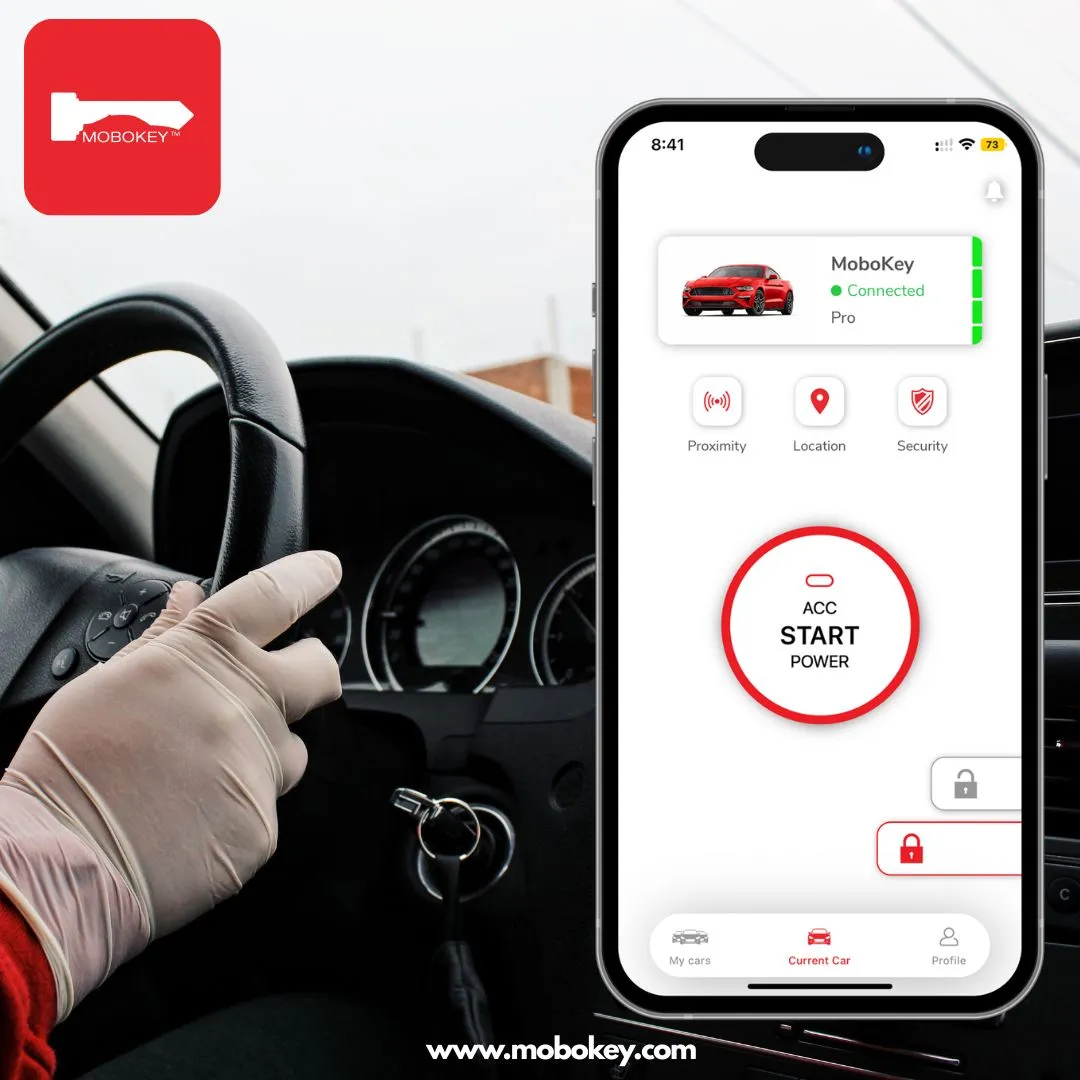
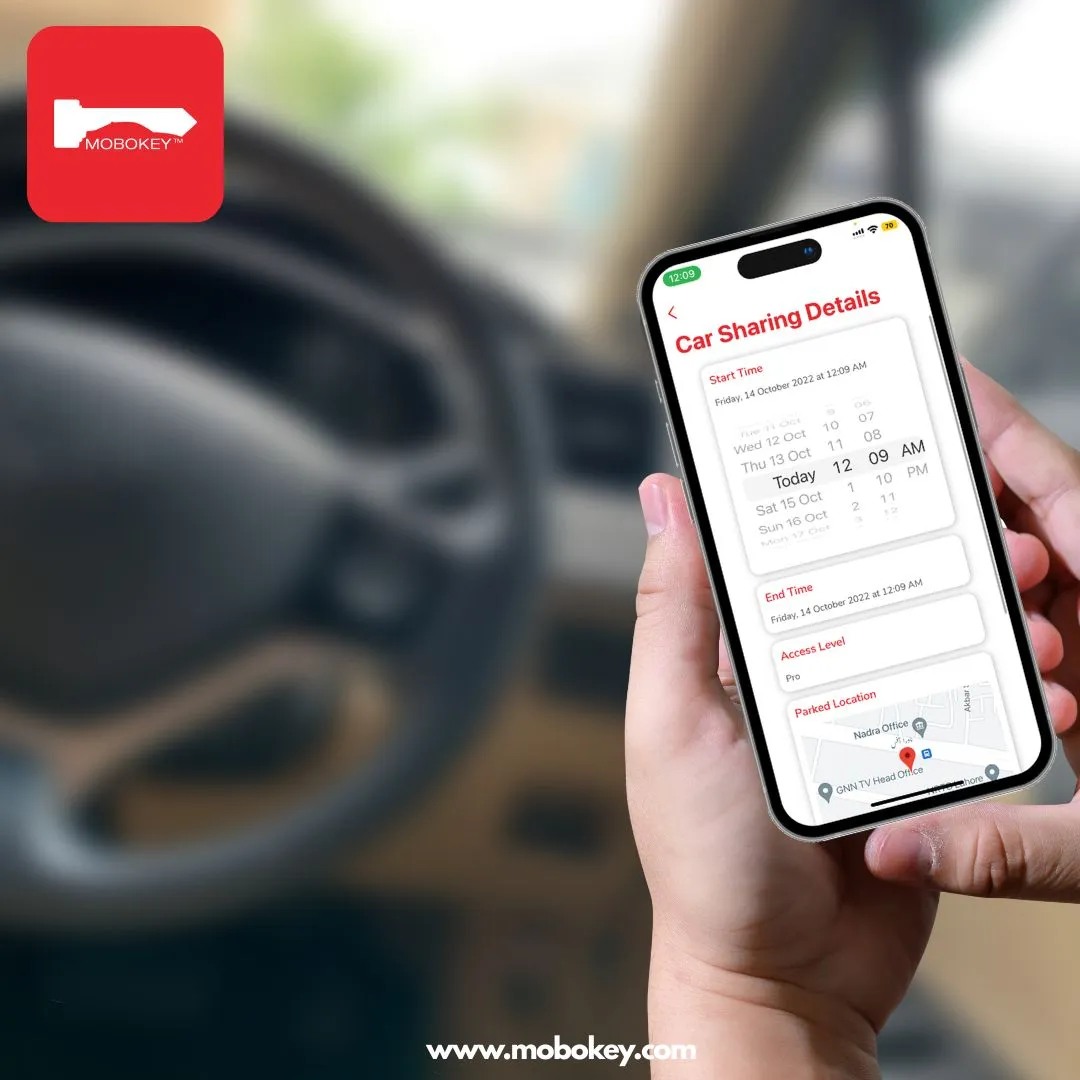
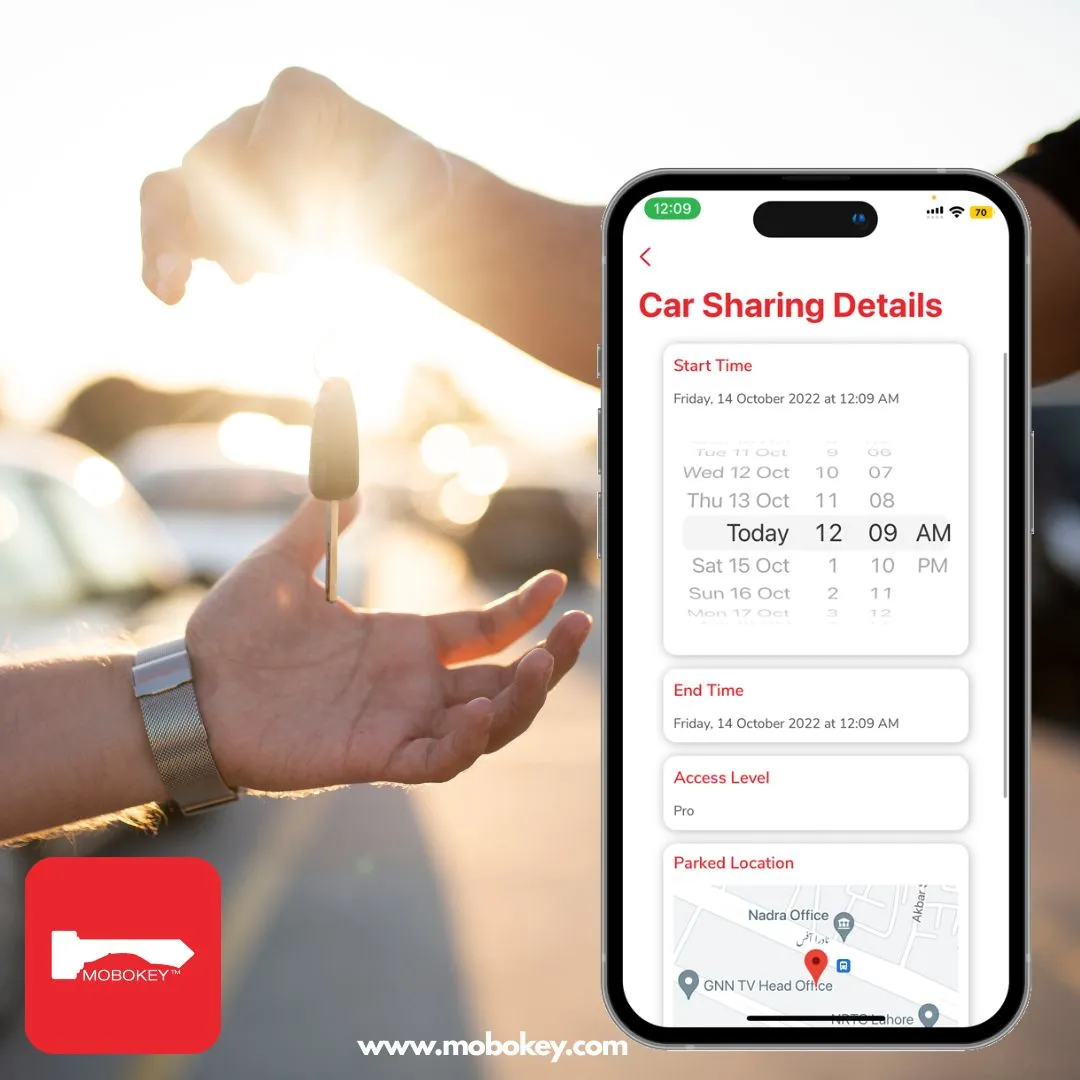
If you want active prevention plus location tracking in one device, MoboKey combines a remote kill switch, Bluetooth-based digital key access, and parked location tracking with no separate subscriptions. Hardware details are at MoboKey Shop.
Bureau of Justice Statistics reports that motor vehicle theft remains one of the most common property crimes in the United States. When comparing a kill switch vs immobilizer vs GPS tracker, the strongest protection is layered: an immobilizer as the passive baseline, a remote kill switch for active control, and location tracking as a recovery backup.
Ready to go keyless and protect your vehicle? Visit mobokey.com or contact us today to get started.
Frequently asked questions: kill switch vs immobilizer vs GPS tracker
Is a kill switch better than an immobilizer?
They work differently and are most effective when combined. An immobilizer is passive — it prevents the engine from starting without the correct key chip. A kill switch is active — it gives you remote control to cut the engine on demand. Use both for maximum protection.
Can thieves bypass a factory immobilizer?
Yes, using relay attacks or ECU replacement on some models. A remote kill switch adds a second layer that a relay attack cannot defeat — it cuts engine power independently of the key system.
Does a GPS tracker prevent car theft?
No. A GPS tracker cannot stop your car from being stolen. It reports the vehicle’s location after the theft has occurred. For prevention, you need a kill switch or immobilizer.
Do I need both a kill switch and a GPS tracker?
For most private owners, a kill switch or immobilizer is sufficient. For fleet operators, combining remote kill switch control with location tracking gives the most complete coverage — which MoboKey provides in one device.
Is a remote kill switch legal?
Yes. Installing a kill switch on your own vehicle is legal in the United States and most other countries. It is classified as an anti-theft device. Some insurance providers offer reduced premiums for vehicles with approved anti-theft systems.
What is the cheapest effective car theft deterrent?
A factory immobilizer is already in most cars made after 1998 at no extra cost. If your car does not have one, a hidden kill switch provides strong deterrence. A remote kill switch like MoboKey provides smartphone control for a one-time hardware cost with no ongoing fees.