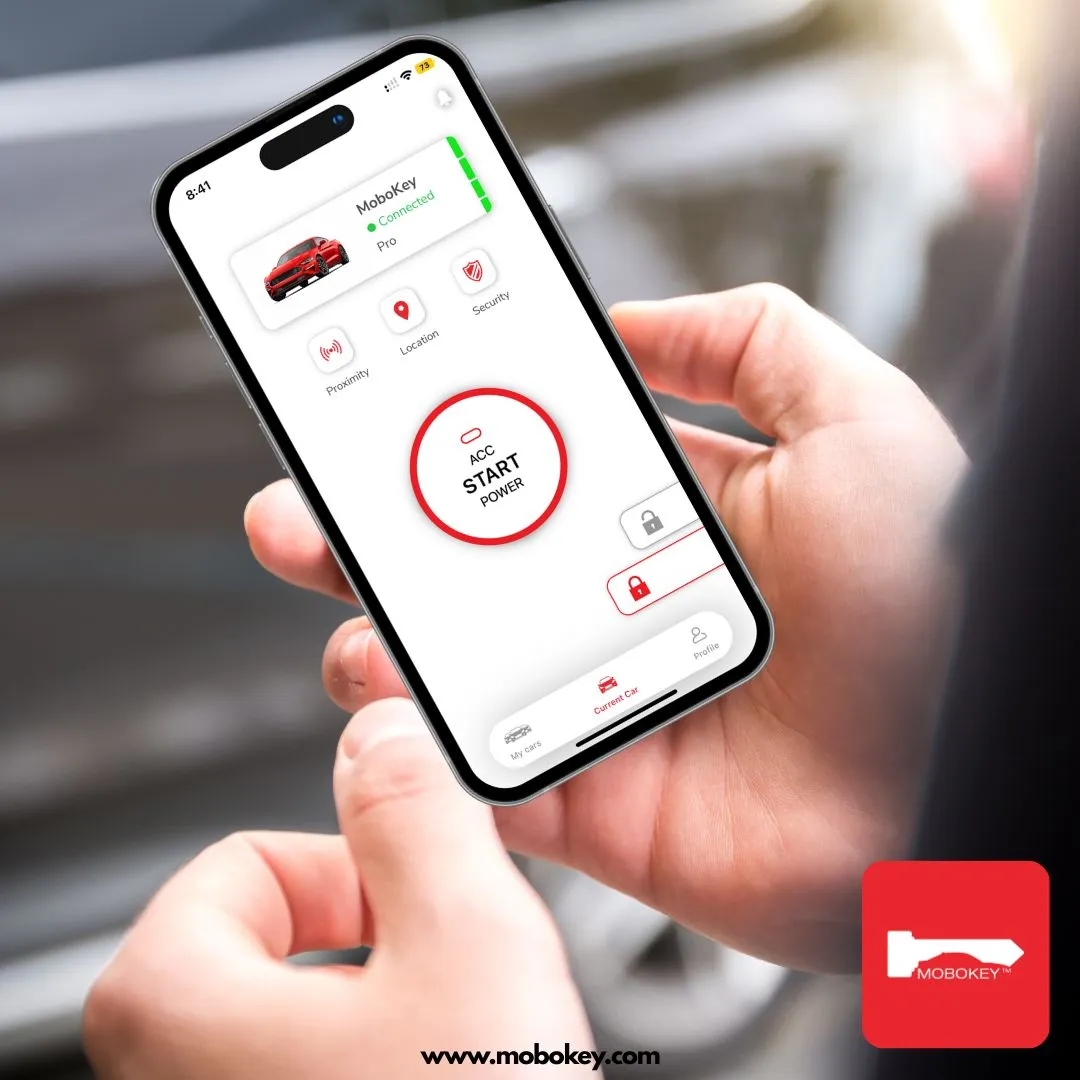
The traditional brass key and plastic fob are rapidly becoming the “floppy disks” of the automotive world. For businesses managing fleets, rental agencies, or car-sharing platforms, the shift toward smartphone-based car access is no longer just a trend, it is a fundamental change in how high-value assets are managed. However, moving to a fully digital entry system isn’t without its hurdles. For a B2B operator, the decision to go keyless requires a balanced look at the operational “wins” versus the technical “risks”.
Is your business ready to ditch the fob? Contact us here!
The Problem: The Logistical Bottleneck of Physical Keys
For a business, a physical key is more than just a tool; it is a liability.
-
Manual Handovers: Traditional rentals require a staff member to be physically present for every key exchange, limiting your business to standard office hours.
-
Expensive Replacements: A lost smart fob can cost between $200 and $600 to replace and reprogram, plus the cost of towing and the loss of revenue while the car is grounded.
-
No Accountability: Physical keys leave no digital footprint. You cannot verify who was in the car or when they accessed it without manual logs.
The Solution: Smartphone-as-a-Key (PaaK)
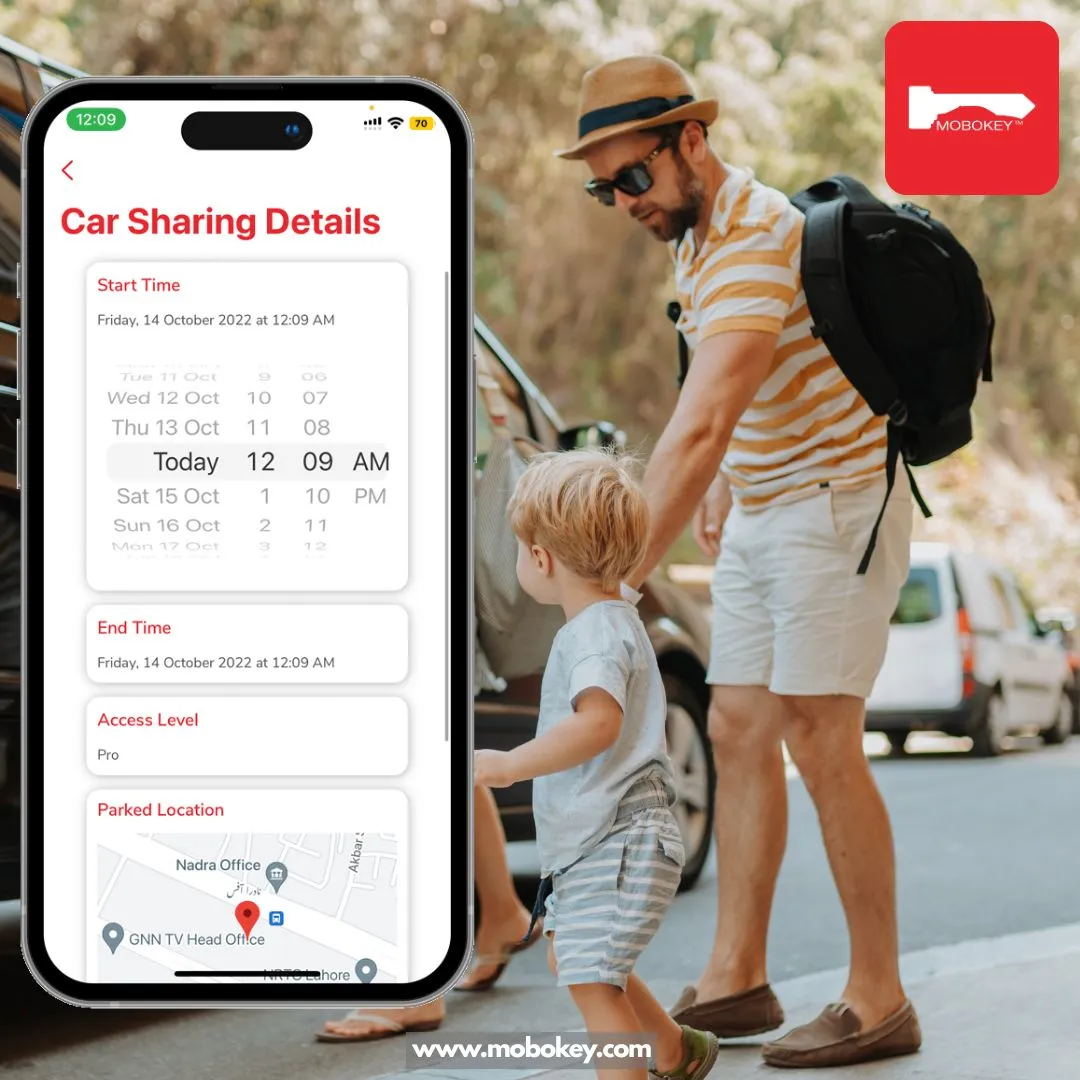
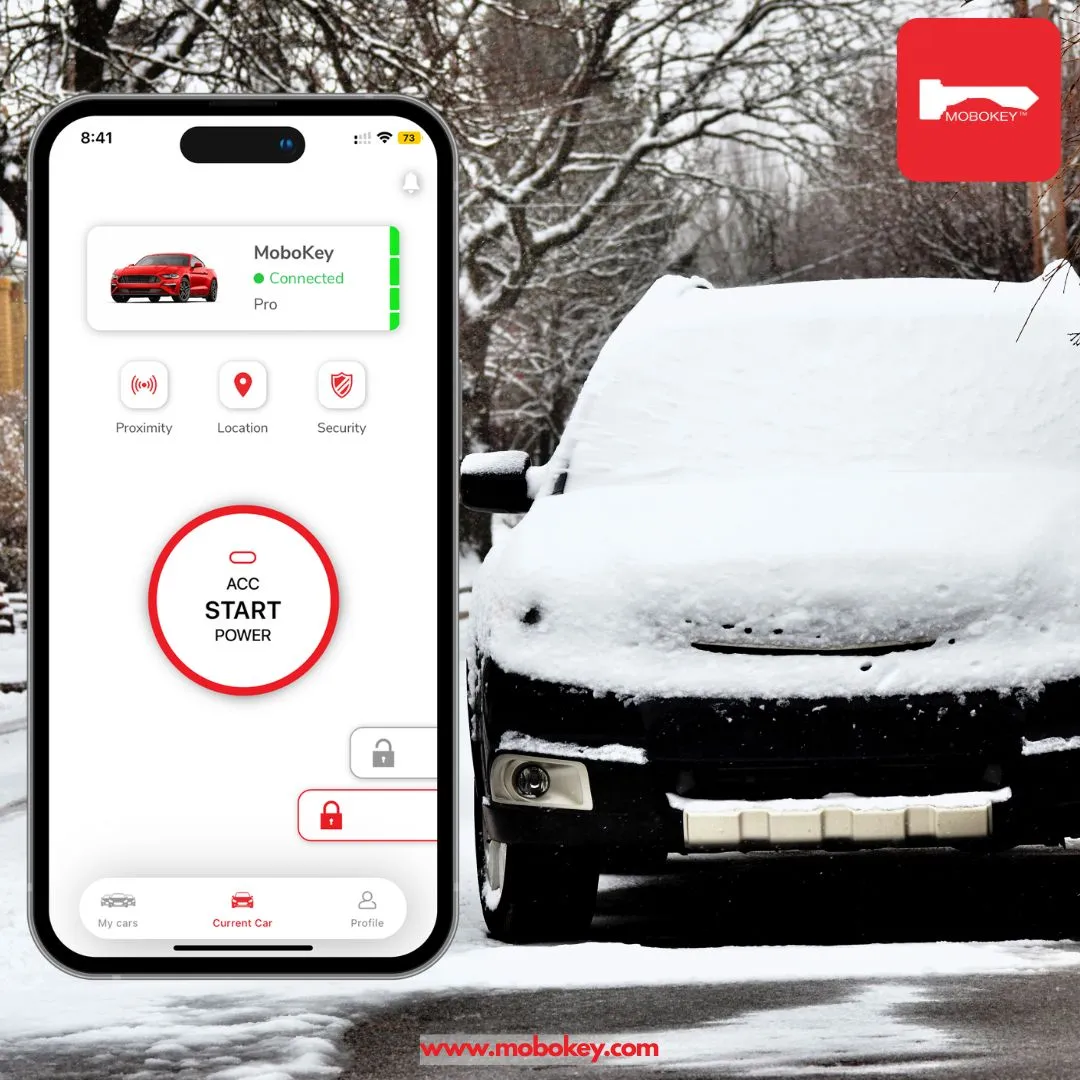
Smartphone-based car access uses a digital credential stored in an app to communicate with a telematics device installed in the car. Utilizing Bluetooth Low Energy (BLE) and GSM, solutions like MoboKey allow users to unlock, start, and return vehicles entirely through their mobile devices.
The Pros: Why Businesses are Scaling Digitally
1. 24/7 Self-Service Operations
Digital keys enable unattended pick-ups and drop-offs. Your business can operate 24 hours a day without the overhead of midnight shift staff, allowing you to capture revenue from travelers arriving on late-night flights or weekend commuters.
2. Superior Security and Remote Control
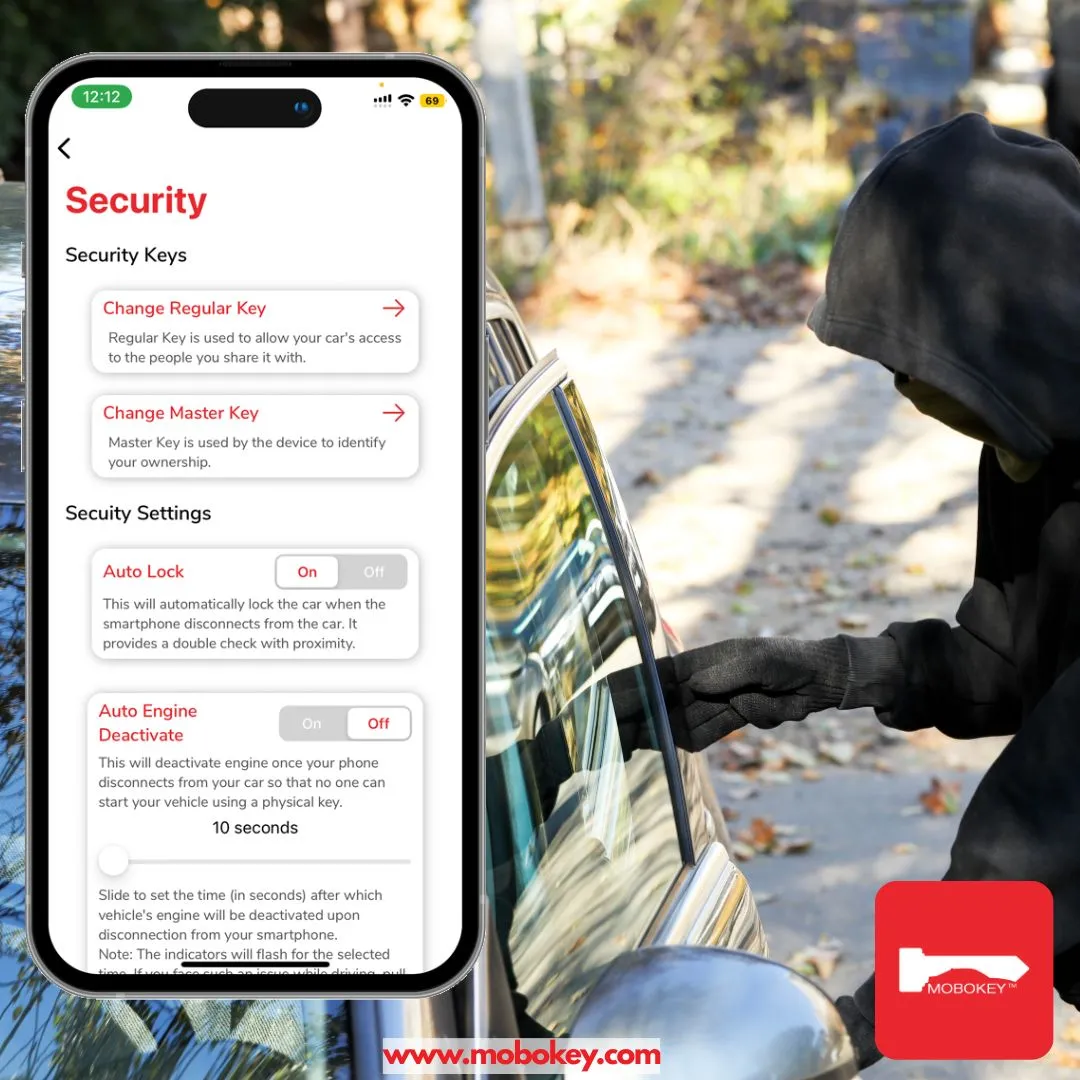
Unlike physical keys, which are vulnerable to “relay attacks” and cloning, smartphone access uses banking-grade encryption.
-
Remote Immobilization: In case of theft or a rental dispute, you can remotely “kill” the engine from your dashboard, rendering the car a 2-ton paperweight.
-
Instant Revocation: If an employee leaves or a rental period ends, you can revoke access in a single click—no locks to change and no keys to chase.
3. Real-Time Data and Audit Trails
Digital access provides a 100% accurate log of every interaction. You know exactly who unlocked the car, at what time, and where it was located. This data is invaluable for insurance compliance and maintenance scheduling.
The Cons: Challenges to Consider
1. Technology Dependencies
The system relies on two devices: the car’s hardware and the user’s phone.
-
Phone Battery/Connectivity: If a user’s phone dies or they lose their device, they lose their “key”. The Fix: Modern systems like MoboKey often include backup NFC cards or master keys for emergencies.
-
Technical Inconsistency: Older smartphones or specific operating systems may experience glitches.
2. Upfront Costs and Installation
While digital keys save money in the long run, there is an initial investment.
-
Hardware Capex: You must purchase and install a device in every vehicle, typically costing $100 to $300 per unit.
-
Inventory Consistency: Maintaining a fleet of 50 vehicles requires ensuring every unit is properly integrated and tested.
Comparison: Digital Access vs. Traditional Management
| Feature | Physical Key Fob | Smartphone Access (MoboKey) |
| Pick-up Process | In-person meeting | 100% Contactless / Self-Service |
| Key Replacement | High ($200-$600) | Zero Cost (Downloadable) |
| Operating Hours | Restricted by staff | 24/7 Automation |
| Theft Prevention | Passive | Active (Remote Engine Kill) |
| Scalability | High admin overhead | Infinite Scaling via Software |
ROI: The Future of Fleet Profitability
Transitioning to smartphone-based access often pays for itself within the first 6 to 12 months. By eliminating key replacement costs and reducing administrative labor by up to 30%, businesses can reinvest those savings into fleet expansion rather than operational “leakage”.
Explore our Fleet Access Control solutions or see how to launch your own car-sharing business.
Conclusion: Weighing the Shift
The pros and cons of smartphone-based car access reveal a clear trend: while there are upfront costs and technical dependencies, the massive gains in security, scalability, and customer convenience far outweigh the limitations of legacy keys. For any business looking to lead in the mobility space, the smartphone is the only key that matters.
Ready to upgrade your fleet’s access? Talk to our Fleet Experts today.
Download the application here: Go to Play Store or App Store!