
The rise of the “sharing economy” has transformed how we view vehicle ownership. With a few taps on a smartphone, you can locate, unlock, and drive a car that isn’t yours. However, behind this seamless user experience lies a complex web of data collection. As cars become increasingly software-defined. They are evolving into powerful data-gathering hubs, raising significant questions about car sharing privacy. For users and operators alike, understanding the privacy landscape is no longer optional. It is a necessity for safe and ethical mobility.
The Digital Footprint: What Data is Being Collected?
Car sharing apps collect far more than just your name and payment information. Because these apps act as a gateway to both your phone and the vehicle’s internal computer. The depth of data collection can be startling.
-
Precise Location Tracking:
Most apps track GPS coordinates continuously while you drive, knowing your exact position within a few meters. They can see when you leave home, the routes you take, and where you stop for fuel. -
Driving Behavior Profiles:
Modern automotive apps build detailed profiles of how you drive. They track acceleration patterns, hard braking events, cornering behavior, and even how often you use your indicators. -
Biometric and Personal Data:
Some connected vehicle systems can collect sensitive data such as facial expressions, weight. Even inferences about a user’s health or “intelligence”. -
App Interaction and Device Info: Beyond the car, companies collect data on how you navigate their app. Your phone’s battery voltage, or genetic information in extreme cases discovered by privacy researchers.
User Concerns: Why Car Sharing Privacy Matters
The vast amount of data being harvested has led to a growing wariness among consumers. In fact, one survey found that 71% of drivers would consider buying an older vehicle just to avoid intrusive data collection.
Surveillance and Constant Tracking
The heavy reliance on continuous GPS monitoring can reveal intimate details about a user’s routines and lifestyle choices. If this data is mishandled, it could lead to privacy violations or physical safety risks.
Data Sharing and Selling
A major concern is that 84% of car brands researched by the Mozilla Foundation. It say they can share personal data with third parties, and 76% say they can sell it. This data often ends up with advertisers, insurance providers, and data brokers. For example, sharing “safety data” with insurance companies has led to some drivers.
Cybersecurity Threats
Car sharing apps are prime targets for cybercriminals. A breach can expose personal identification, payment details, and travel history, leading to identity theft or financial fraud.
Regulatory Landscape: GDPR, CCPA, and Beyond
To protect users, global regulations have stepped in to impose strict requirements on how automotive companies handle data.
-
GDPR (General Data Protection Regulation): Applicable to any business processing data of EU residents, it requires “explicit consent” for data collection and grants users the “right to be forgotten”. Under GDPR, data generated in a vehicle is often considered the property of the driver.
-
CCPA/CPRA (California Consumer Privacy Act): This law gives California residents the right to know what data is collected, the right to delete it, and the right to opt-out of the sale or sharing of their personal information.
-
Data Minimization: A core principle of these regulations is that companies must collect only the data essential for the service and retain it for the shortest period necessary.
Privacy-First Solutions: Mitigating the Risks
As privacy concerns grow, the industry is moving toward “privacy by design”. This means building systems that prioritize user anonymity and data security from the outset.
-
Encryption:
Using robust protocols like AES (Advanced Encryption Standard) protects data while it is stored in the vehicle and while it is being transferred to the cloud. -
Explicit Consent Frameworks:
Moving away from “fine print” toward clear, transparent consent requests at key touchpoints, such as when a journey starts. -
Local Processing:
Instead of sending all data to a central cloud, “privacy-first” apps process sensitive information locally on the vehicle. The user’s phone deleting it once the specific task (like navigation) is complete.
The MoboKey Approach: Security Without Intrusion
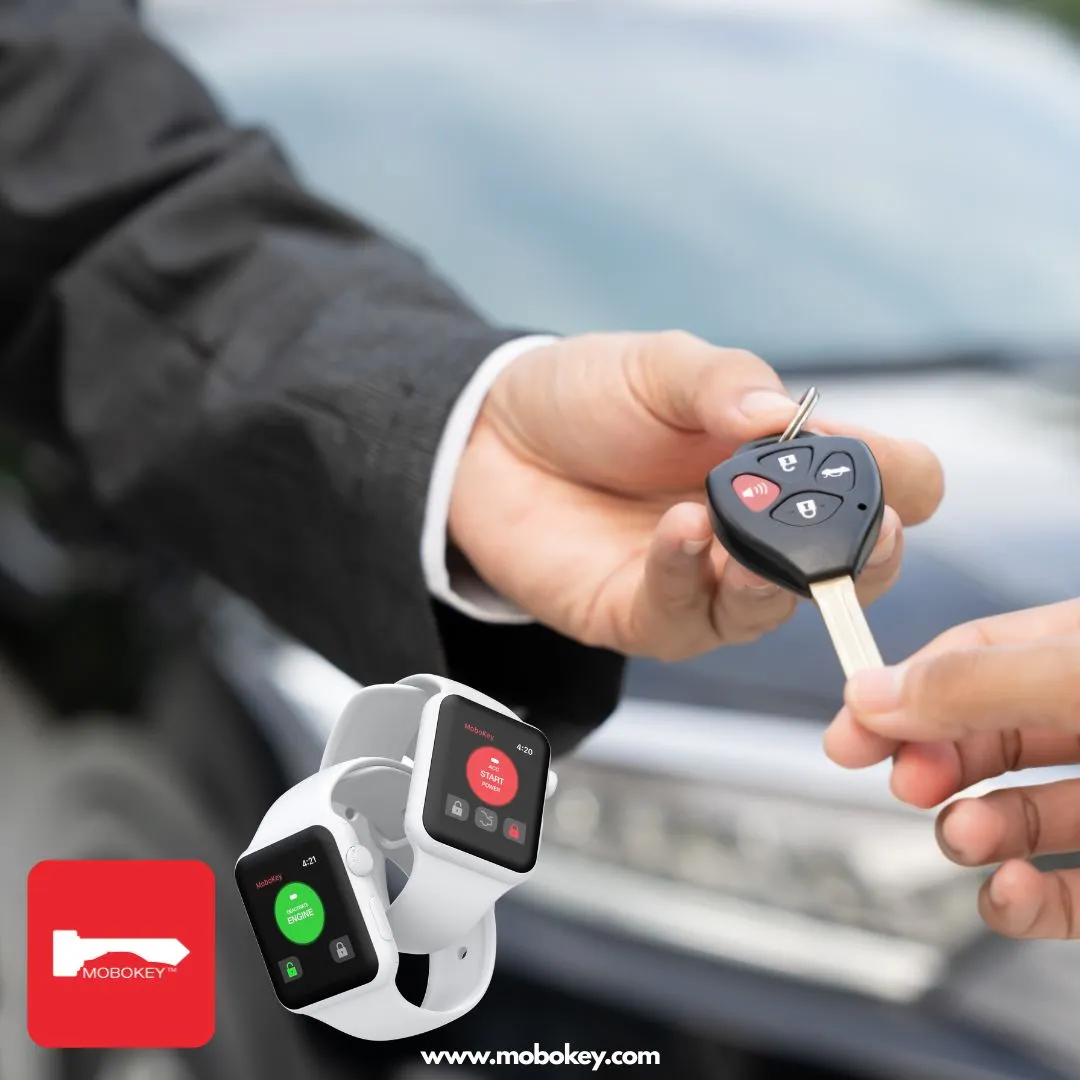
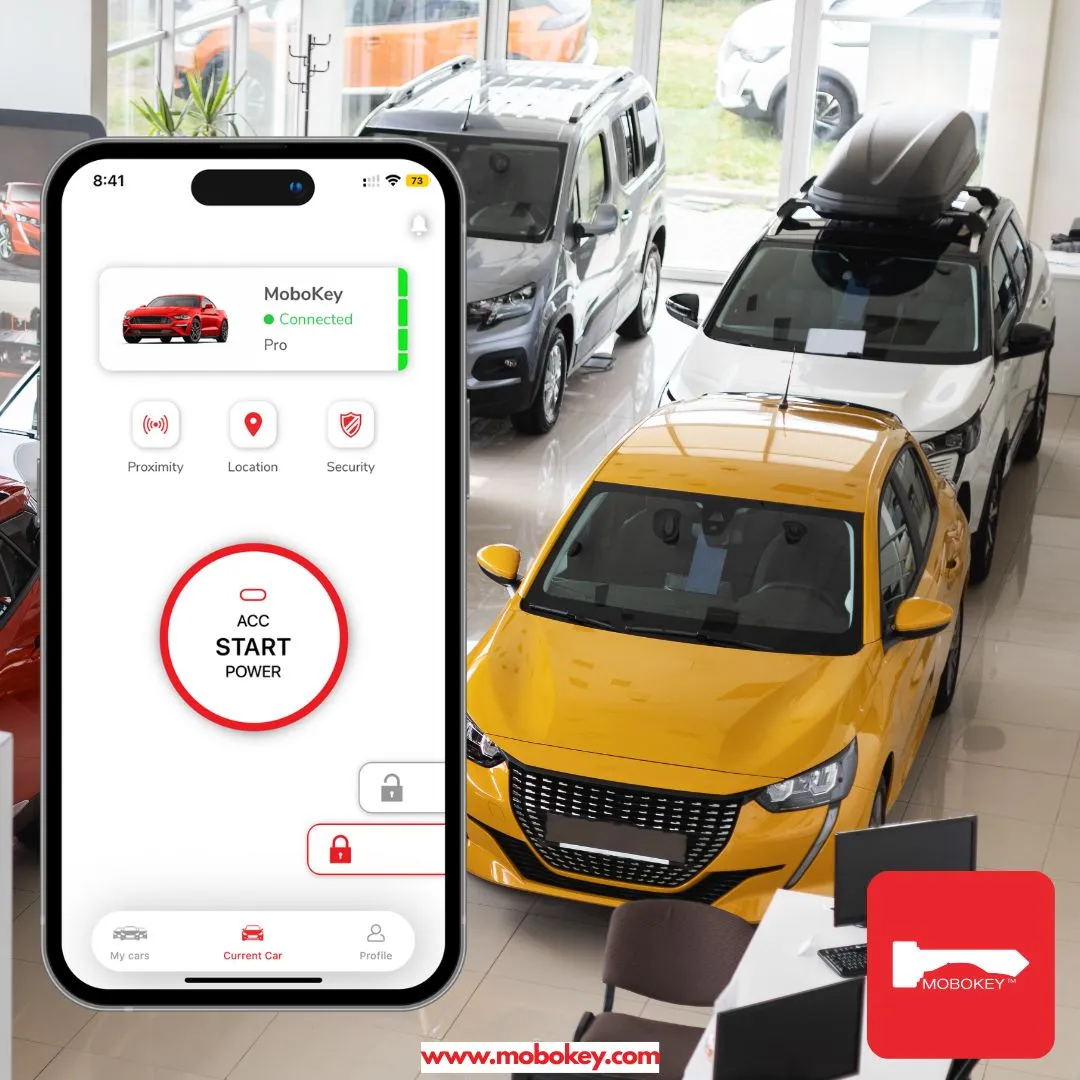
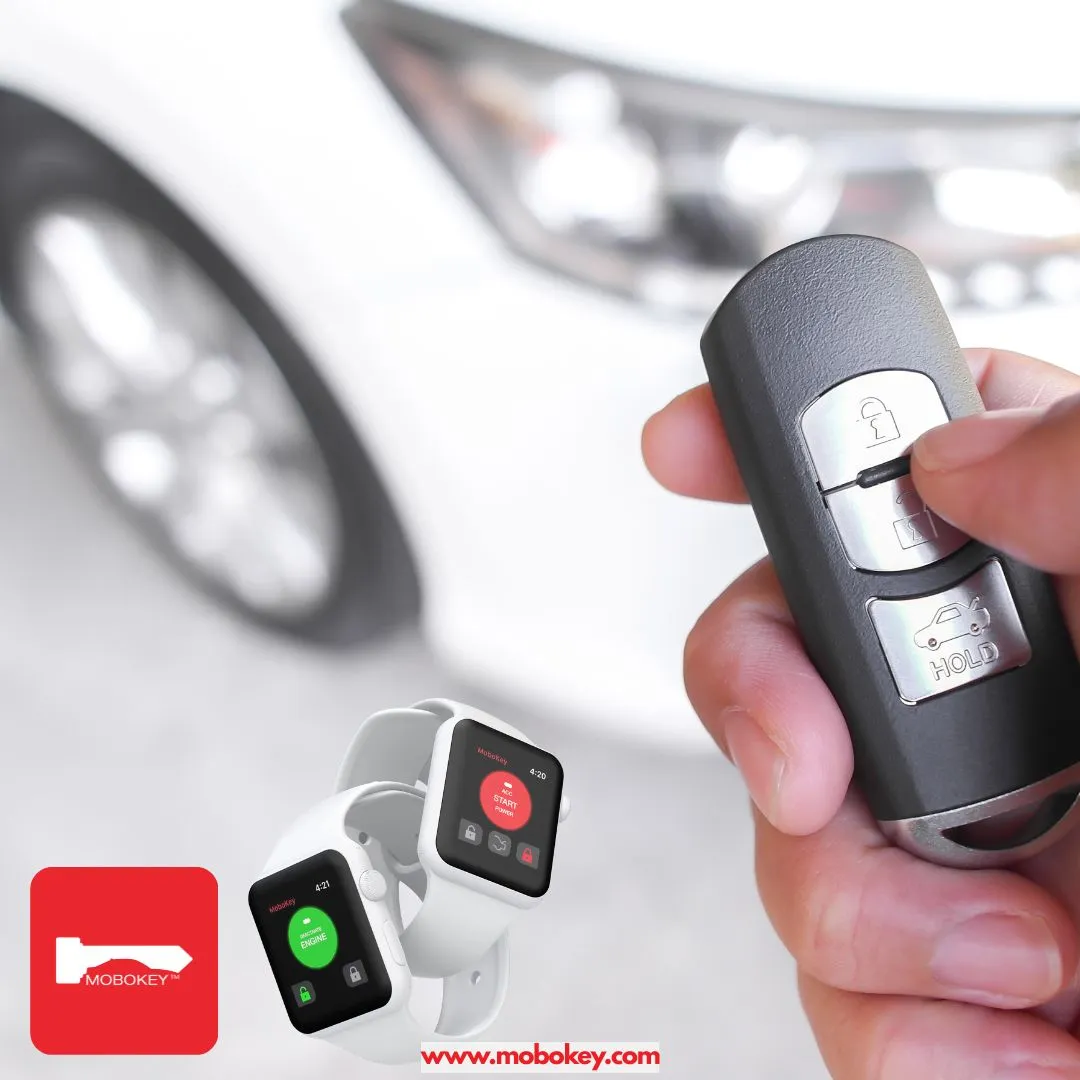
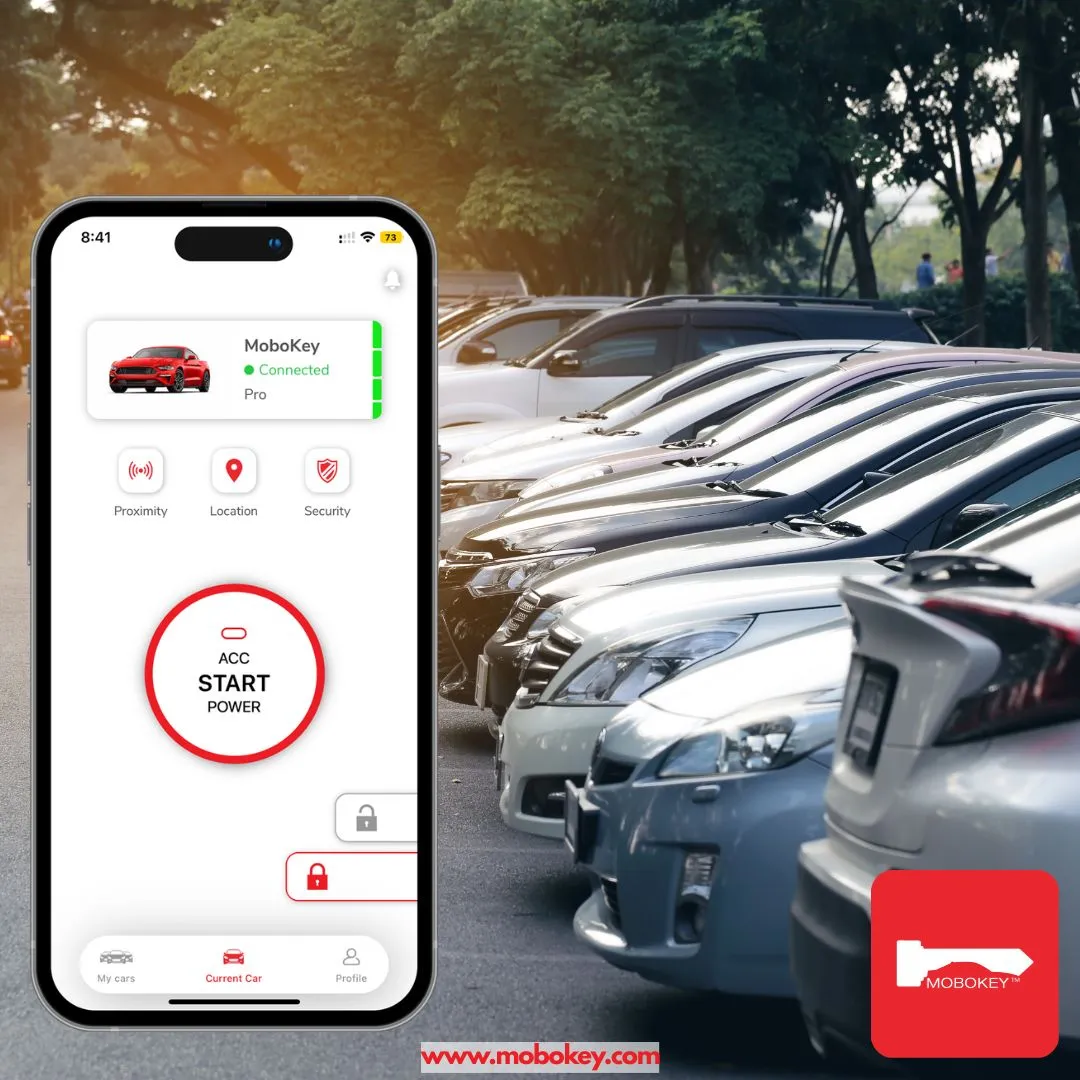
MoboKey provides a modern alternative to traditional, data-heavy car sharing systems by focusing on secure, smartphone-based car access rather than constant surveillance.
-
AES-Encrypted Communication: All communication between your smartphone and the MoboKey device is AES-encrypted, ensuring that your digital “handshake” remains private and secure from prying eyes.
-
Bluetooth-Centric Access: MoboKey uses Bluetooth (BLE) for core functions like locking, unlocking, and starting the engine. This direct link can work without an internet connection, reducing the need for constant cloud-based data exchanges.
-
Transparency in Location: While MoboKey allows you to check the Last Parked Location of your car. A vital feature for fleet management, it does so through the phone’s GPS. Hence, providing location data only when needed rather than continuous vehicle tracking.
-
User-Controlled Sharing: The owner has full command over the level of access granted to “friend” devices, including the ability to set specific time allocations and revoke access instantly if a session expires.
-
Audit Logging for Accountability: For car-sharing businesses, MoboKey keeps detailed logs of who accessed the car and when, fulfilling security requirements without needing to harvest intimate personal behavior data.
Reclaim Your Privacy
The future of car sharing shouldn’t come at the cost of your personal data. By choosing platforms that prioritize security and transparency, you can enjoy the convenience of modern mobility with total peace of mind.
Ready to see how MoboKey protects your privacy and your car? Explore Privacy-First Access with MoboKey Today