Car sharing has evolved rapidly over the past decade, but many operators still rely on systems designed for a very different era. As shared mobility scales and customer expectations rise, the limitations of legacy car sharing setups are becoming harder to ignore. This car sharing system comparison explores how traditional car sharing systems stack up against a modern, digital key–based approach like MoboKey, focusing on cost, scalability, hardware complexity, and operational flexibility.
If you’re planning to launch, upgrade, or scale a car sharing operation, choosing the right system is a foundational decision. The difference between traditional systems and digital access platforms can directly impact profitability, user experience, and long-term growth.
Traditional Car Sharing Systems: How They Work and Where They Struggle
Traditional car sharing systems were built around physical processes and heavy infrastructure. While they enabled early shared mobility models, they now present significant challenges for modern operators.
Common characteristics of traditional systems
-
Physical key handovers or RFID cards
-
Key cabinets, lockers, or on-site kiosks
-
Manual identity verification and booking confirmations
-
Staff involvement for access management
-
Limited remote control over vehicle access
These systems often work adequately at small scale, but problems emerge quickly as fleets grow.
Operational limitations
Traditional systems depend on physical touchpoints. Keys must be stored, tracked, transported, and replaced when lost. Access is often restricted to specific locations or operating hours, reducing flexibility for both operators and users.
For customers, this results in:
-
Longer pickup times
-
Reduced availability outside business hours
-
Inconsistent user experience across locations
For operators, it means:
-
Higher staffing requirements
-
Increased operational overhead
-
Slower expansion into new markets
While functional, traditional car sharing systems are inherently constrained by their reliance on physical infrastructure.
The Digital Key Model: A Modern Alternative
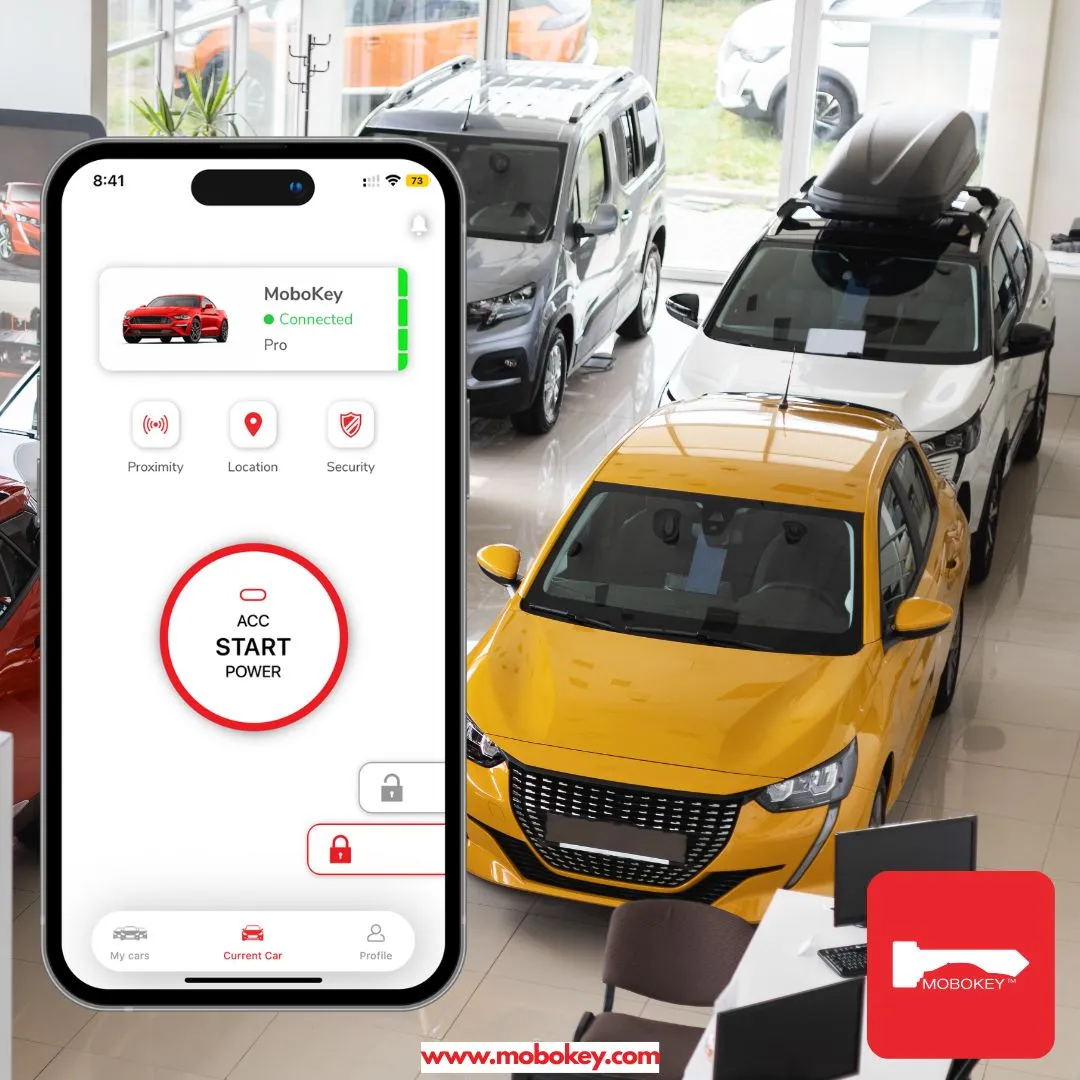
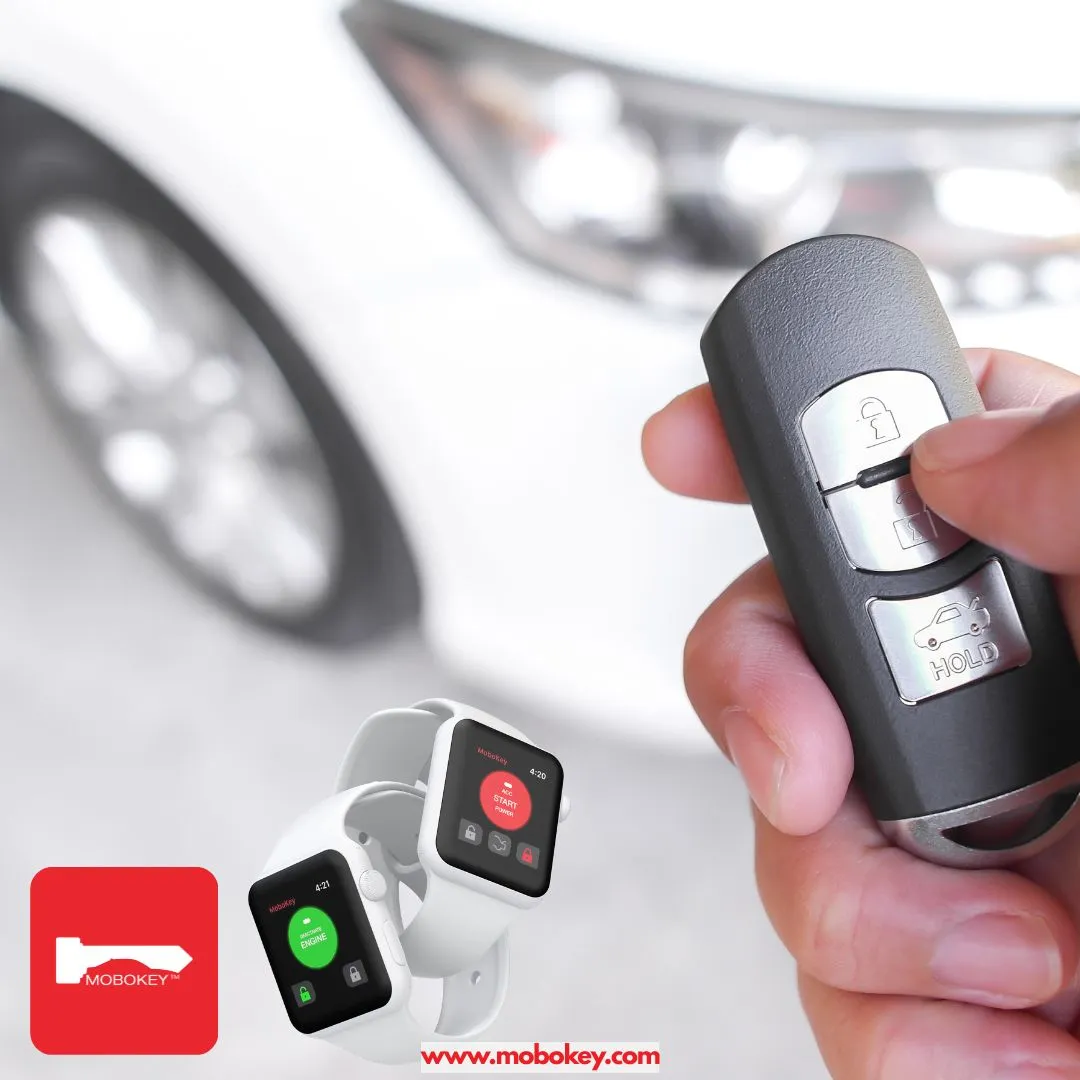
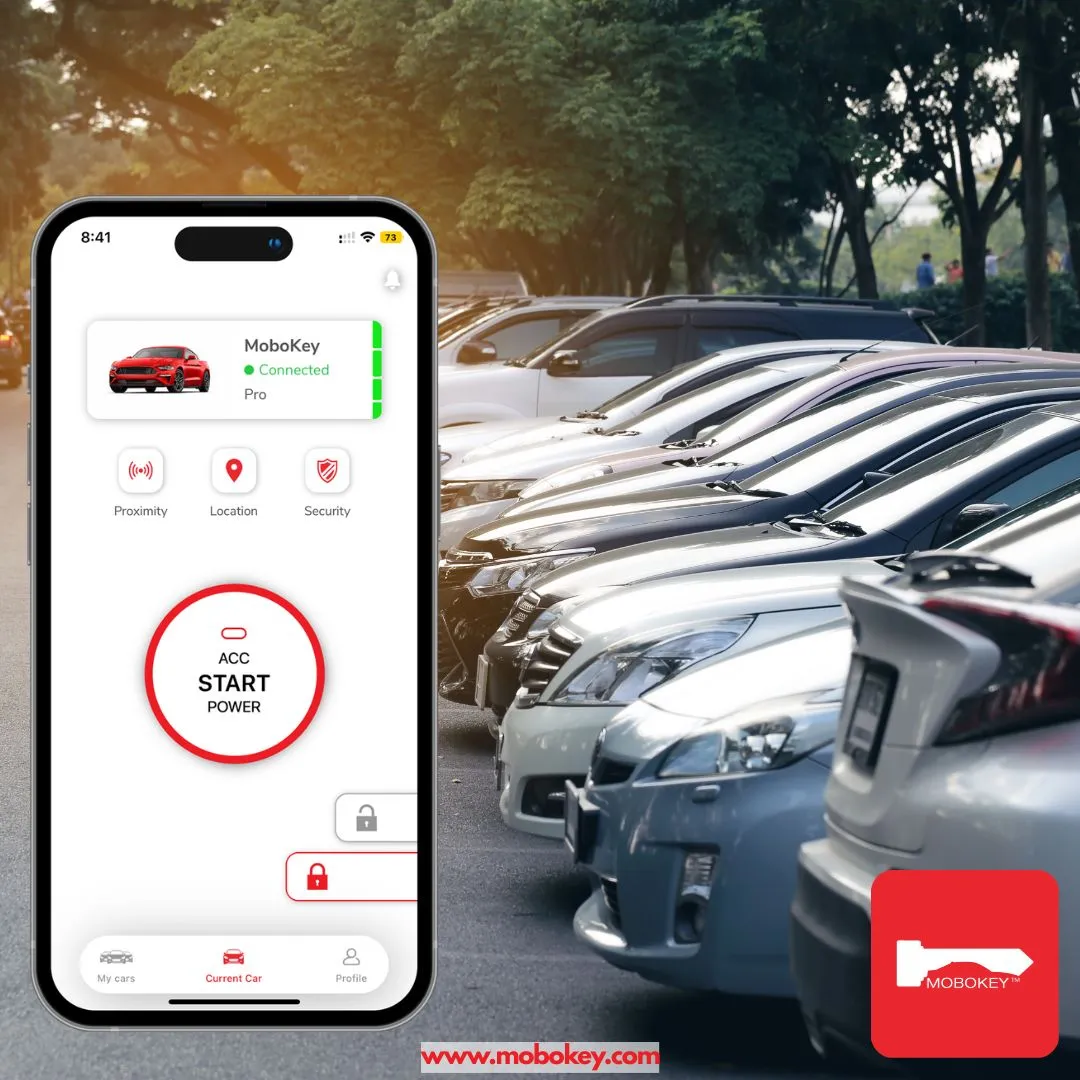
The digital key model replaces physical keys and access points with secure, app-based vehicle access. Users unlock and start vehicles using their smartphones, while operators manage access centrally through software.
MoboKey represents this modern approach, focusing on access control rather than complex physical systems.
How the digital key model works
-
Vehicles are equipped with a compact access device
-
Authorized users receive time-bound digital access
-
Access is managed remotely through a centralized platform
-
Permissions can be granted or revoked instantly
This model removes many of the bottlenecks found in traditional systems and aligns more closely with how users already interact with mobility services.
Cost Comparison: Traditional Systems vs MoboKey
Cost is one of the most decisive factors in any car sharing system comparison. While traditional systems may appear familiar, their long-term costs are often underestimated.
Traditional car sharing system costs
Traditional setups typically involve:
-
Key cabinets or kiosks
-
RFID cards or physical keys
-
Installation and maintenance of on-site hardware
-
Staff for key management and customer support
-
Replacement costs for lost or damaged keys
As fleets scale, these costs increase disproportionately. Each new location often requires additional infrastructure and staff, making expansion expensive.
Digital key–based cost structure
With MoboKey’s digital access model:
-
Physical key logistics are eliminated
-
Hardware requirements are minimal
-
Staffing needs are reduced
-
Vehicles experience less downtime due to lost keys
Instead of scaling costs linearly with fleet size, operators can grow more efficiently. This results in a lower total cost of ownership over time, especially for operators managing multiple vehicles or locations.
Scalability: Growing Without Growing Complexity
Scalability is where the gap between traditional systems and digital platforms becomes most apparent.
Challenges with traditional systems
- New locations require new key infrastructure
-
Key logistics become complex across cities
-
Operational consistency is difficult to maintain
-
Expansion increases reliance on manual processes
These challenges often slow down growth or force operators to compromise on user experience.
How MoboKey enables scalable car sharing
MoboKey is designed for scale from the outset:
-
Vehicles can be added without physical key redistribution
-
Access rules remain consistent across locations
-
Remote management allows centralized control
-
Expansion does not require proportional increases in staff
This makes it easier to test new markets, launch pilot programs, or expand fleets without operational friction.
Hardware Complexity: Heavy Infrastructure vs Lightweight Access
Hardware complexity is another major differentiator in this car sharing system comparison.
Traditional hardware heavy approach
Traditional systems often rely on:
-
Kiosks or access terminals
-
Key lockers or cabinets
-
On-site infrastructure that requires maintenance
-
Physical points of failure
These components add cost, increase downtime risk, and require regular maintenance.
MoboKey’s simplified hardware model
MoboKey minimizes hardware dependency:
-
Compact, vehicle-installed access devices
-
Smartphone-based user interaction
-
No need for large kiosks or key cabinets
This lightweight approach reduces installation time, lowers maintenance requirements, and improves overall system reliability.
Flexibility and Operational Control
Modern car sharing operators need flexibility to respond quickly to changes in demand, bookings, and user behavior.
Limitations of traditional systems
-
Access changes often require physical intervention
-
Difficult to support short-term or dynamic bookings
-
Limited ability to manage exceptions remotely
This rigidity makes it harder to offer innovative rental models or adapt operations in real time.
Flexibility with MoboKey
MoboKey provides operators with:
-
Real-time access control
-
Time-based permissions
-
Instant activation or deactivation of access
-
Centralized management across fleets
This flexibility supports a wide range of use cases, from hourly car sharing to longer-term rentals, without operational complexity.
User Experience: Expectations Have Changed
Customer experience is no longer a secondary concern. It’s a competitive differentiator.
Traditional user experience
-
Physical counters or kiosks
-
Waiting times during pickup
-
Manual verification steps
-
Limited after-hours access
These experiences feel outdated to users accustomed to app-based services.
Digital-first experience with MoboKey
-
Smartphone-based access
-
Faster, contactless vehicle pickup
-
Consistent experience across locations
-
Greater convenience and transparency
A smoother user journey leads to higher satisfaction, better reviews, and increased repeat usage.
Security and Control in Modern Car Sharing
Security is often cited as a concern when moving away from physical keys, but digital systems can offer stronger controls when implemented correctly.
Traditional system security challenges
-
Physical keys can be lost or duplicated
-
Limited visibility into access events
-
Delayed response to access issues
MoboKey’s access focused security model
-
Time-bound, user-specific access
-
Instant revocation when needed
-
Clear access logs for accountability
By focusing on access control rather than intrusive tracking, MoboKey balances security with privacy and operational simplicity.
Why MoboKey Outperforms Traditional Car Sharing Systems
When comparing MoboKey vs traditional car sharing systems, the advantages of a digital key–based approach become clear.
Lower long-term costs
Reduced hardware, staffing, and key replacement expenses.
Better scalability
Expand fleets and locations without operational bottlenecks.
Simpler infrastructure
Minimal hardware and fewer points of failure.
Greater flexibility
Real-time access control and dynamic permissions.
Improved user experience
Faster, app-based access that meets modern expectations.
For operators serious about building or scaling a car sharing business, these advantages translate directly into competitive strength.
Choosing the Right System for the Future
Traditional car sharing systems played an important role in the early days of shared mobility. But they are not easy to scale scale. Moreover, they don’t meet the new customer requirements. As the market matures, operators need systems that are flexible, efficient, and built for growth.
A digital key, based platform like MoboKey aligns with these needs, enabling car sharing businesses to operate more efficiently while delivering a modern user experience.
If you’re evaluating options, exploring a modern car sharing system comparison is the first step toward future-proofing your operation. You can learn more about modern digital access models on MoboKey’s car sharing solution page.
Ready to move beyond traditional car sharing systems?
Switch to MoboKey and see how a modern, digital key, based platform can simplify operations, reduce costs, and help your car sharing business scale with confidence.