The global Mobility as a Service (MaaS) market is projected to reach nearly $240 billion by late 2026, marking a structural shift in how urban populations move. We are no longer in an era of fragmented transport options; we are in the era of the “Mobility Super App”. For car-sharing operators, the goal in 2026 is no longer just to get a user into a car—it is to become a seamless link in a multimodal journey. Whether a traveler is stepping off a train and into a shared vehicle or using a car to reach a bus hub, the connection must be invisible, instant, and automated.
The 2026 Trend: The Rise of the Mobility Super App
In 2026, the lines between ride-hailing, car rentals, and public transit have blurred. Industry giants like Uber and Lyft have completed their transformation into all-in-one mobility platforms, integrating third-party car rentals and micro-mobility directly into their interfaces.
-
Unified Planning & Payment: Users now expect to plan, book, and pay for a multi-leg journey—incorporating a train, a shared car, and a scooter—within a single digital interface.
-
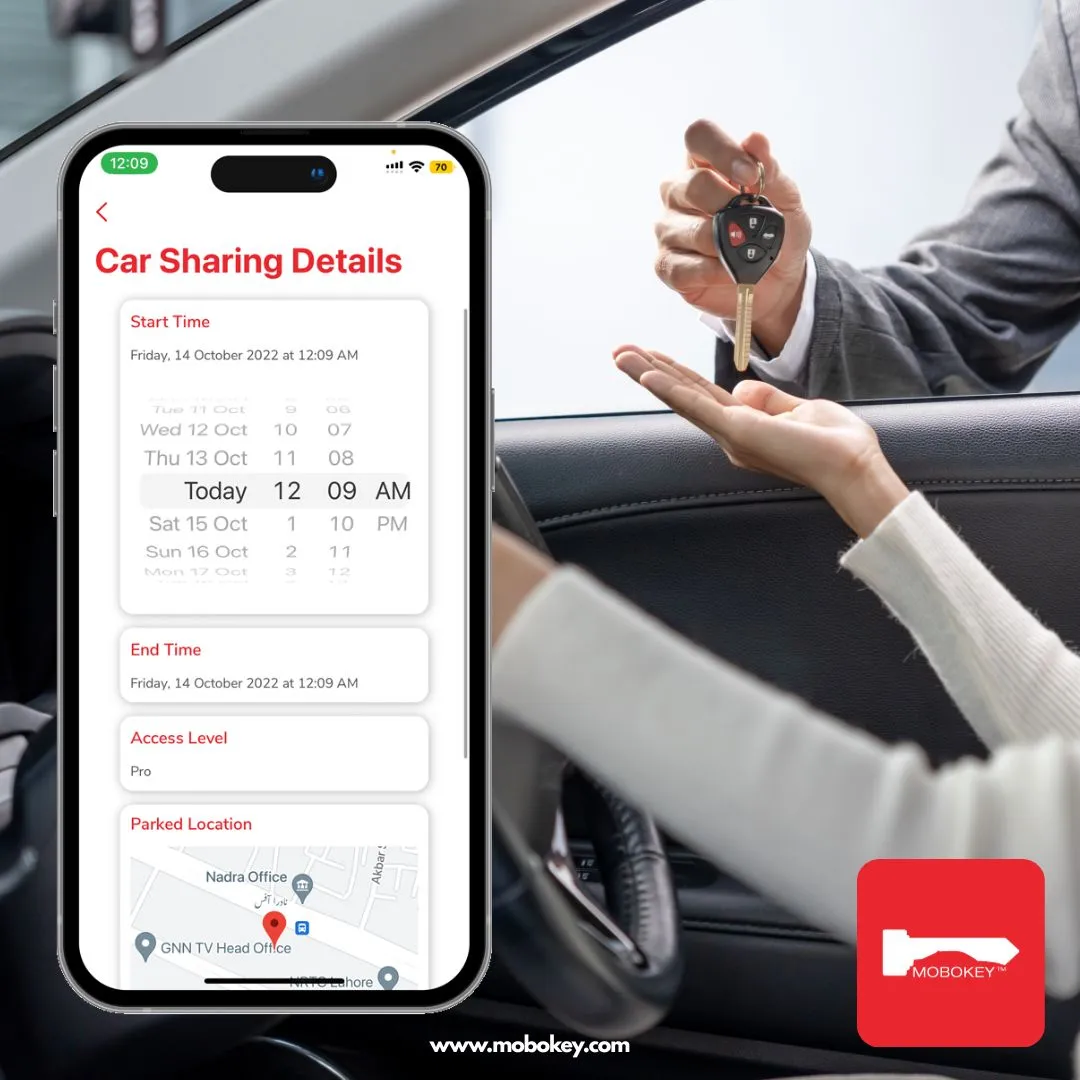
The “Skip-the-Counter” Mandate: In a Super App ecosystem, there is no room for physical key handovers. Access must be digital and immediate.
Why a Robust API is the Heart of Integration
To participate in this $240 billion ecosystem, your car-sharing fleet cannot be a data silo. Integration requires an API-first architecture that allows external platforms to “talk” to your vehicles in real-time.
A robust API, like the one powering MoboKey, acts as the digital translator between your hardware and the MaaS Super App.
1. Real-Time Availability and Telematics
A Super App needs to know exactly where your cars are, their fuel/battery levels, and their current booking status. A high-performance API retrieves this data in milliseconds, ensuring that when a user sees a car on their map, it is actually there and ready to drive.
2. Digital Key Provisioning
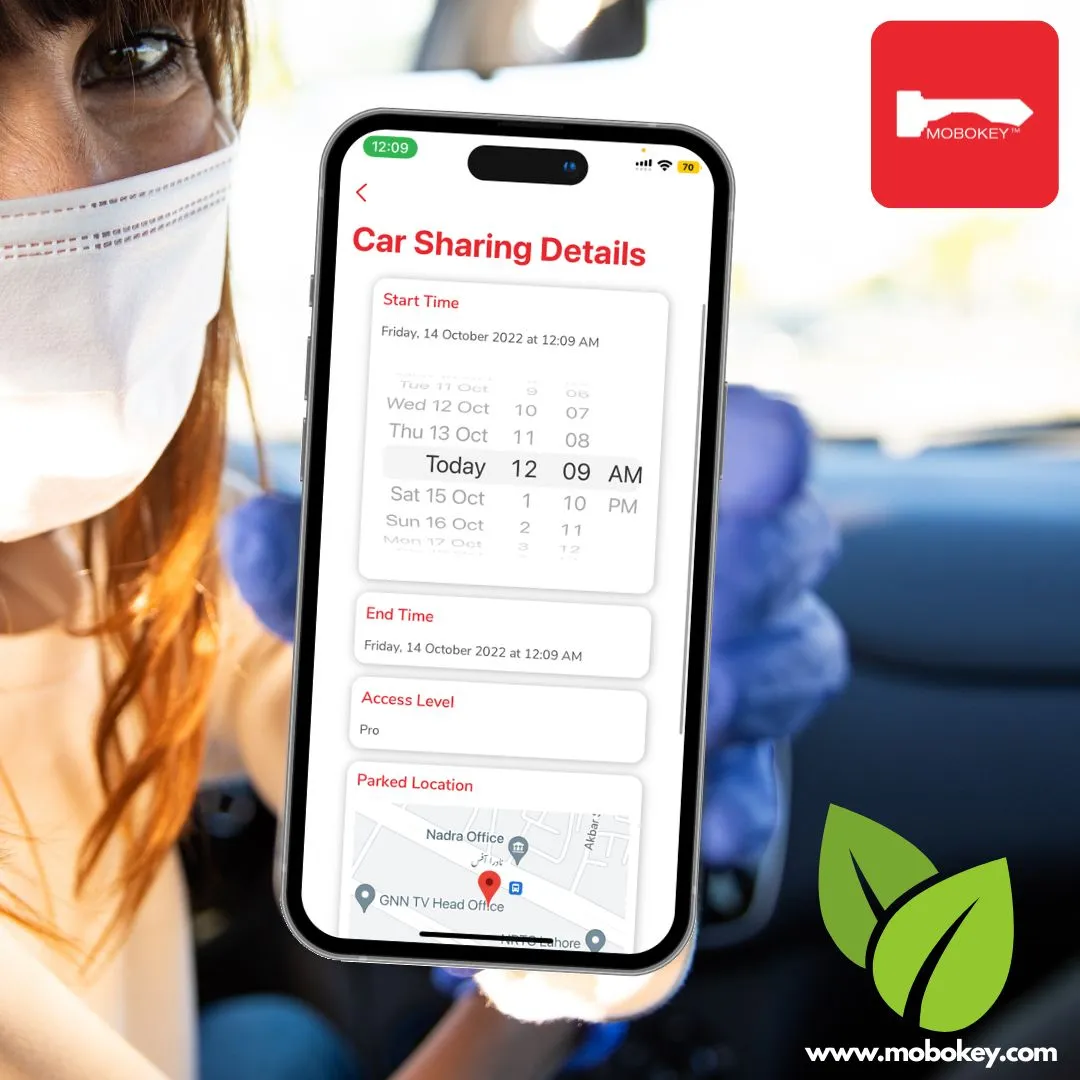
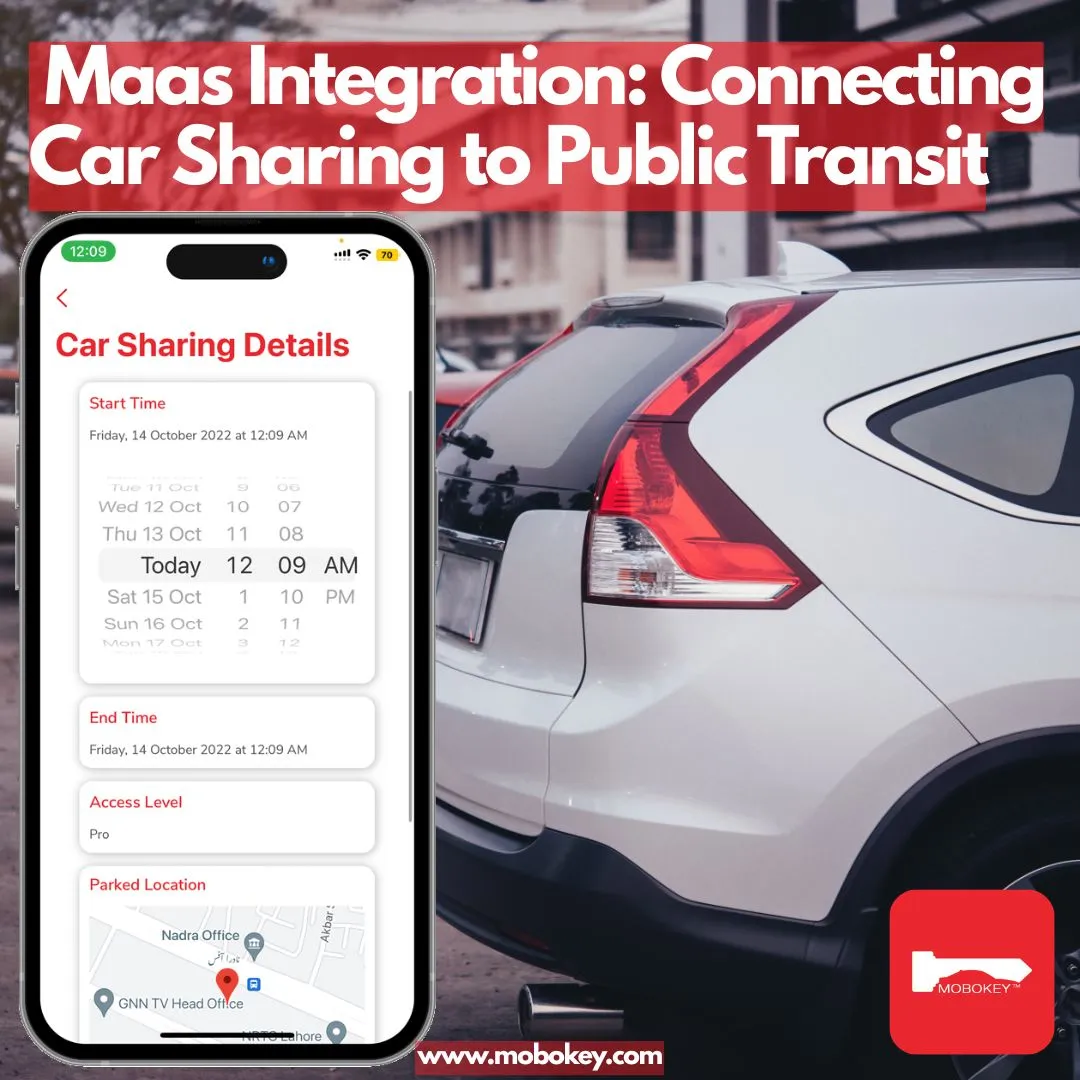
This is the most critical link in the MaaS chain. The Super App must be able to securely request and deliver a digital key to the user’s phone without the user ever leaving the primary app environment. MoboKey’s API handles the complex cryptography of key sharing, allowing external platforms to unlock your vehicles safely.
3. Automated Revenue and Billing
Integration isn’t just about the drive; it’s about the dollar. A professional API manages:
-
Usage-Based Charging: Automatically billing the user based on the exact duration and mileage logged by the hardware.
-
Cross-Platform Reconciliation: Ensuring your business is paid instantly by the MaaS provider once a trip is validated.
Comparison: Isolated Fleet vs. MaaS-Integrated Fleet
| Feature | Isolated Sharing Fleet | MaaS-Integrated (API-Driven) |
| User Acquisition | Limited to your own app | Access to millions of Super App users |
| Access Method | Manual or Proprietary App | Seamless Digital Key via API |
| Data Visibility | Siloed | Real-time 5G/BLE sync with city hubs |
| Revenue Stream | Single Channel | Multimodal / Partner-Driven |
ROI: The Strategic Value of Connectivity
In 2026, connectivity is currency. Mobility as a service: Car-sharing operators that provide robust API access see a 40% increase in vehicle utilization because their assets are visible to the entire MaaS network, not just their own customer base. By 2026, 71% of mobility organizations are strategically dependent on third-party APIs to fuel their growth.
Don’t stay invisible. Explore MoboKey’s White Label options or learn how to launch a scalable car-sharing business today.
Conclusion: The Future belongs to the Connected
MaaS integration is the bridge between being a local rental company and becoming a global mobility player. In 2026, the businesses that thrive are those that view their fleet not as a collection of cars, but as a set of connected nodes within a massive, integrated urban transit web.
Ready to connect your fleet to the MaaS ecosystem? Talk to our Integration Experts