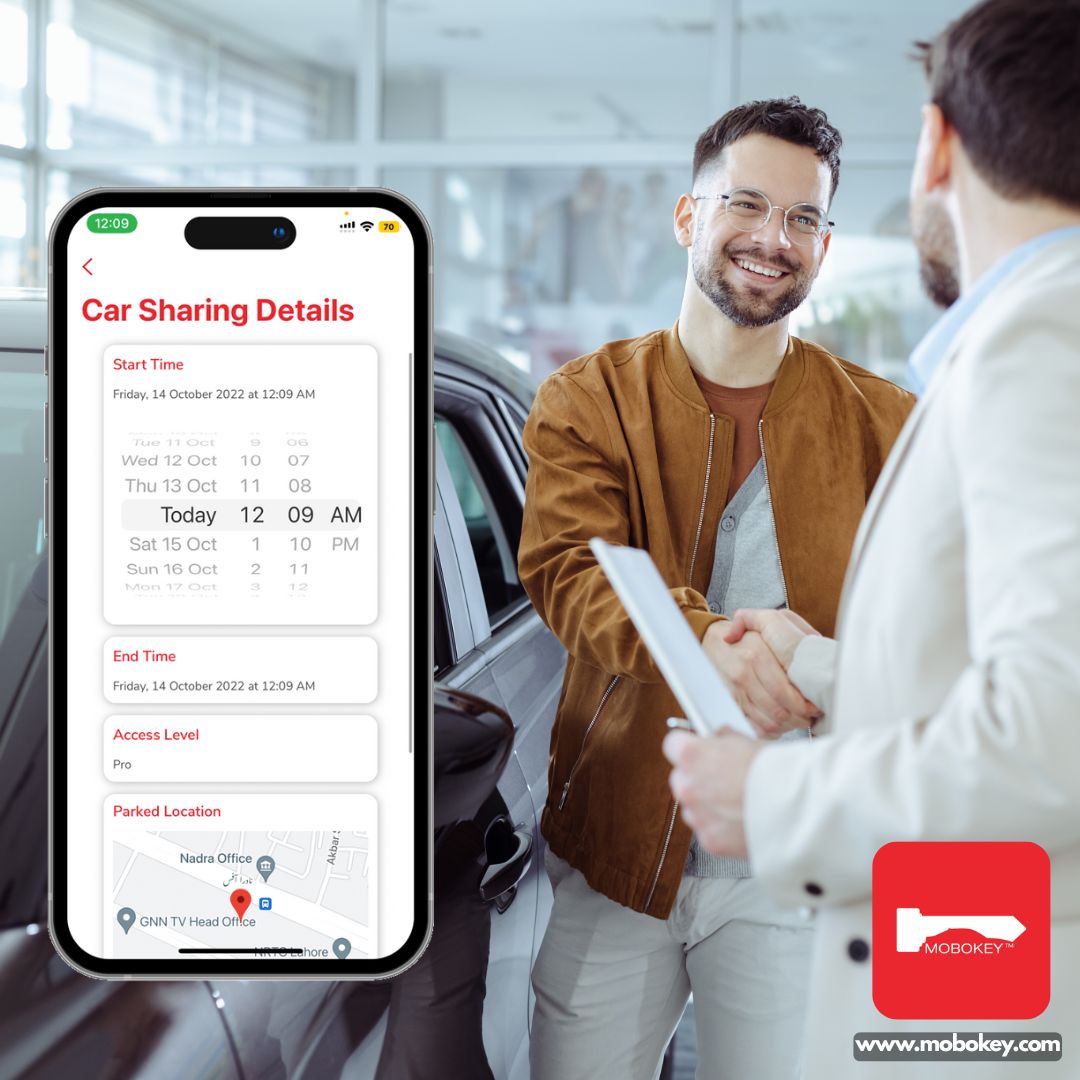
The mobility landscape is shifting. In 2026, the dream of car ownership is being replaced by the convenience of “Mobility as a Service” (MaaS). With the global car-sharing market projected to exceed $9 billion this year, there has never been a better time to start a car sharing business. Whether you are an individual looking to monetize a few vehicles on Turo or an entrepreneur building a branded fleet, the path to success requires a blend of market savvy, legal compliance, and the right technology stack.
1. Market Research: Finding Your Profitable Niche
Before you buy a single vehicle, you must understand the local demand. The car-sharing market is no longer a monolith; it is a collection of specific niches.
Identify Your Target Audience
-
The Urban Professional: Needs a car for errands or weekend getaways without the hassle of city parking.
-
The Eco-Conscious Commuter: Specifically looks for Electric Vehicles (EVs) to reduce their carbon footprint.
-
The Business Traveler: Requires premium, reliable vehicles with seamless, “no-wait” airport access.
-
The Peer-to-Peer (P2P) Renter: Users looking for specific car models (SUVs for trips, convertibles for dates) on platforms like Turo.
Competitor Analysis
Research the existing players in your city. If Zipcar or GIG dominate the “free-floating” market, look for gaps. Perhaps there is a lack of luxury SUVs or a need for a station-based model in a newly developed suburban hub.
2. Choosing Your Business Model
Your business model dictates your upfront costs, operational complexity, and scaling potential.
| Model | Description | Pros | Cons |
| Peer-to-Peer (P2P) | You list your personal vehicles on a 3rd-party app. | Lowest entry barrier. | High commission fees to the platform. |
| Free-Floating | Users pick up and drop off cars anywhere within a zone. | Maximum user convenience. | High operational cost (rebalancing the fleet). |
| Station-Based | Cars have a dedicated “home” parking spot. | Predictable logistics; lower insurance. | Less flexible for “one-way” trips. |
| Subscription | Users pay a monthly fee for a set number of days/miles. | Predictable recurring revenue. | Requires a larger, diverse fleet to be attractive. |
3. The Technology Stack: Hardware vs. Software
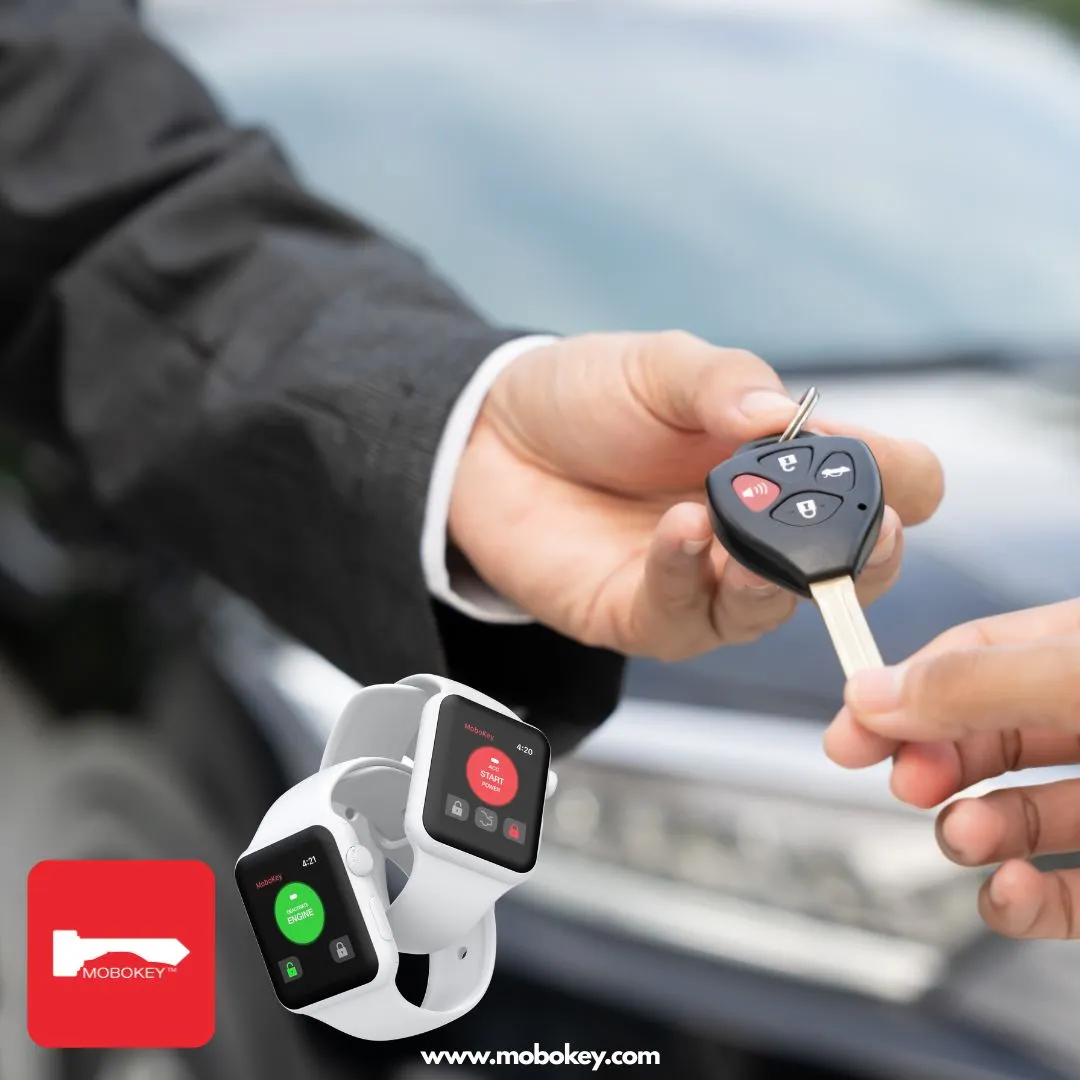
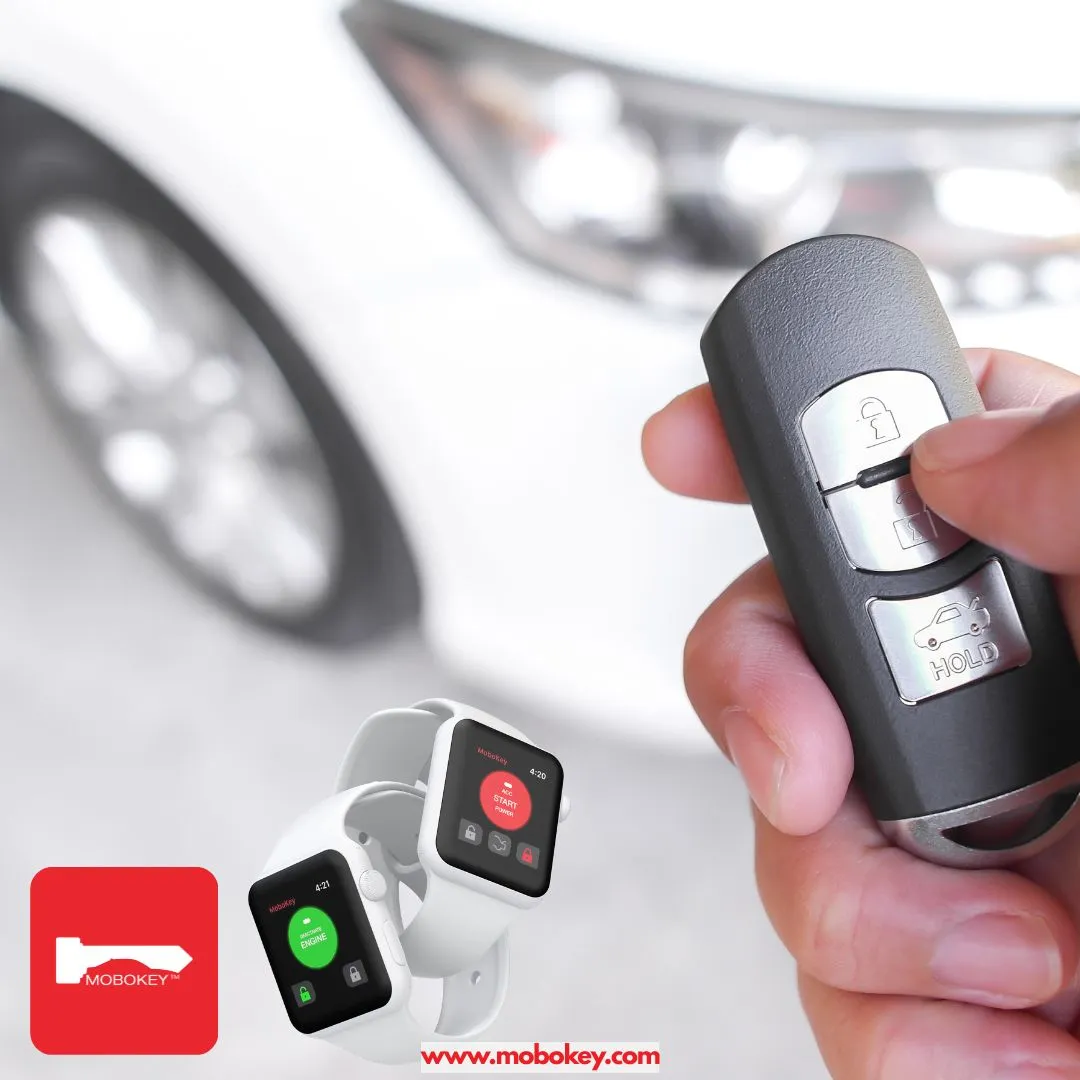
In 2026, “contactless” is the standard. If a user has to meet you to get a physical key, your business is already behind.
The Hardware: Digital Keys
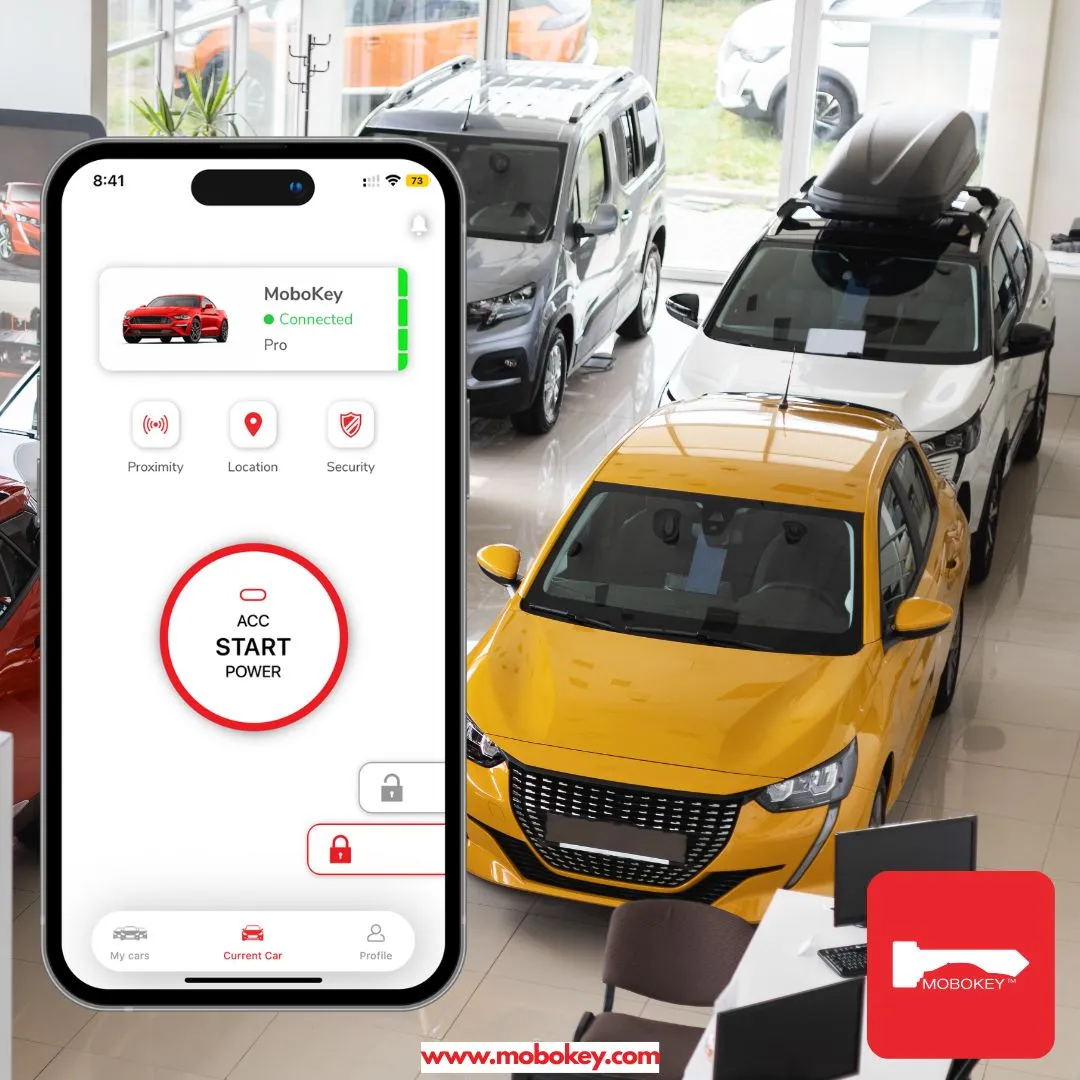
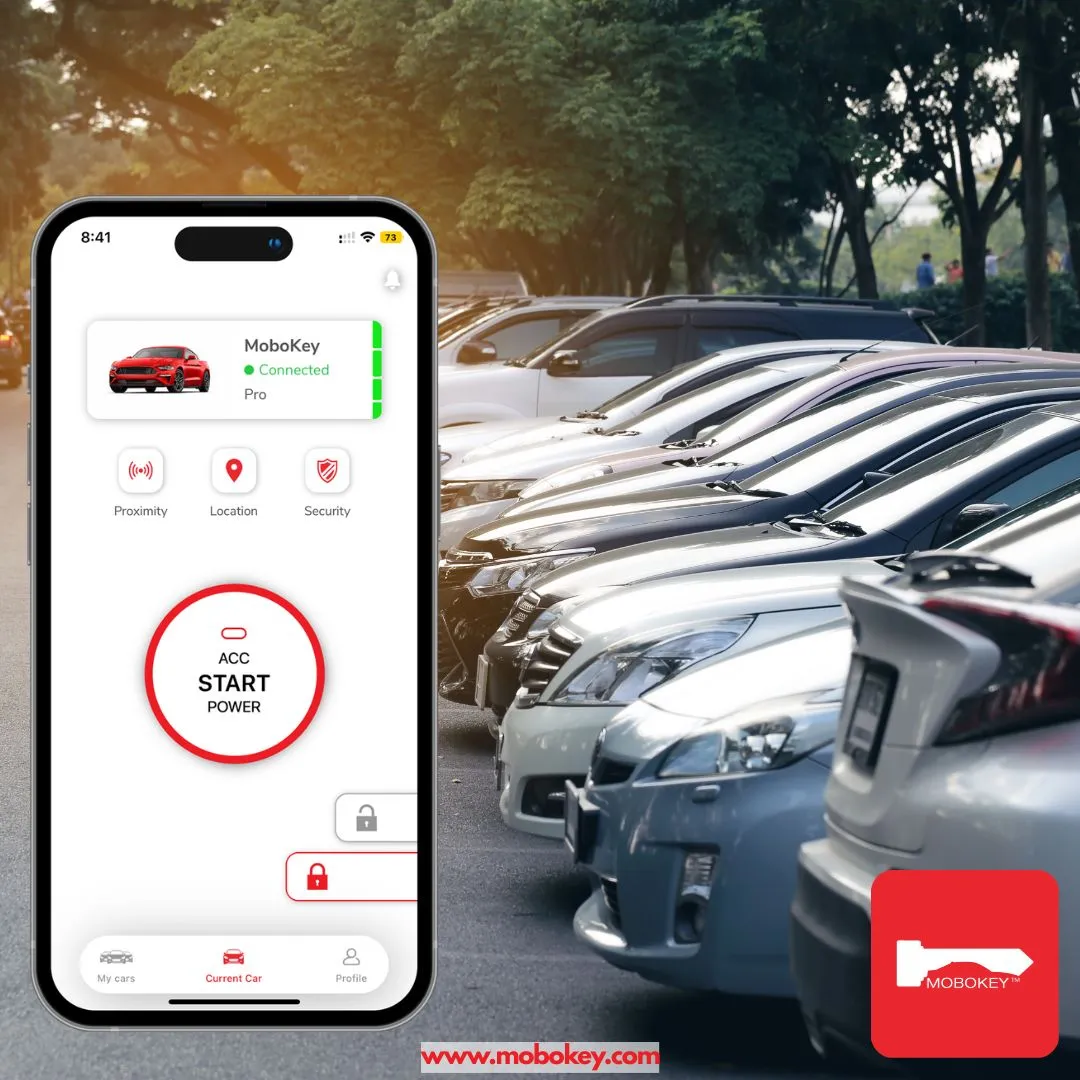
To start a car sharing business that scales, you need a way to grant access remotely. This is where MoboKey comes in.
-
Bluetooth Connectivity: Unlike GPS-only systems, Bluetooth works in underground parking garages where cellular signals fail.
-
The “Kill Switch”: For security, you need the ability to remotely disable the starter if a vehicle is reported stolen or a rental period has ended without payment.
The Software: The User Experience
Your software needs to handle four critical functions:
-
Identity Verification: Automated KYC (Know Your Customer) to verify driver’s licenses.
-
Booking Engine: Real-time availability and dynamic pricing.
-
Payment Gateway: Secure processing for deposits and rental fees.
4. Legal and Regulatory Framework
This is the “unsexy” part of the business that determines whether you stay in business.
Business Structure
Most small-to-medium car-sharing startups choose an LLC (Limited Liability Company). This protects your personal assets from business liabilities.
Insurance: The Critical Factor
Standard personal auto insurance does not cover commercial car sharing. You will need:
-
Commercial Auto Liability: Covers bodily injury and property damage.
-
Contingent Collision/Comprehensive: Protects your asset while it’s in the renter’s possession.
-
Excess Liability: High-limit coverage for catastrophic events.
Local Permits
Check your city’s zoning laws. Some municipalities require a “Vehicle Rental License” even if you don’t have a physical storefront.
5. Launching Your Business: A Step-by-Step Checklist
-
Acquire Your Fleet: Start small. 3–5 vehicles are enough to test a local market. Focus on high-demand, low-maintenance models (e.g., Toyota hybrids or Teslas).
-
Install MoboKey: Equip your fleet with keyless entry and remote start technology. This eliminates the need for physical handovers.
-
Finalize Your Terms of Service: Define late fees, cleaning fees, and fuel/charging policies clearly.
-
Set Up Internal Links: If you are building your own site, ensure you link to specialized pages like your car sharing solution to improve SEO and user trust.
-
Soft Launch: Run a “friends and family” beta test for 2 weeks to iron out bugs in your booking process.
Why MoboKey is the Backbone of Your Business
Starting a car-sharing business is expensive, but your technology shouldn’t be. Many platforms charge high monthly subscription fees per car. MoboKey offers a one-time hardware cost with a lifetime app license, significantly increasing your profit margins.
With MoboKey, you can:
-
Automate 24/7 Access: Your business never sleeps, and you don’t have to be there.
-
Enhance Security: Use the engine immobilizer to protect your investment.
-
Scale Effortlessly: Add 100 cars to your dashboard as easily as you added the first one.
Ready to Turn Your Fleet Into a Profit Engine?
Building a car-sharing business requires the right partner to handle the technical complexities of vehicle access. Let’s discuss how we can integrate MoboKey into your specific business model.