The automotive industry is at a crossroads between two dominant philosophies for vehicle oversight: traditional hardware-dependent GPS tracking and modern, smartphone-centric app-based access. For fleet managers and car-sharing operators, this choice dictates everything from daily operational efficiency to long-term profitability.
While both technologies aim to provide security and transparency, they operate on fundamentally different principles. In this guide, we compare gps vs app car access to help you determine which model aligns best with your privacy standards, budget, and logistical needs.
The GPS Tracking Model: Always-On Surveillance
Traditional GPS tracking relies on dedicated hardware modules installed directly into the vehicle’s electrical system or OBD-II port. These devices communicate with satellite constellations to determine precise location, speed, and path.
Core Characteristics:
-
Independent Operation: Dedicated GPS trackers operate regardless of whether a driver’s phone is present or powered on.
-
Persistent Monitoring: These systems provide continuous, real-time data transmission via built-in cellular or satellite links.
-
Vehicle Diagnostics: Many high-end GPS units integrate with the car’s onboard computer to report engine health, fuel consumption, and maintenance alerts.
The App-Based Access Model: Smartphone-First Connectivity
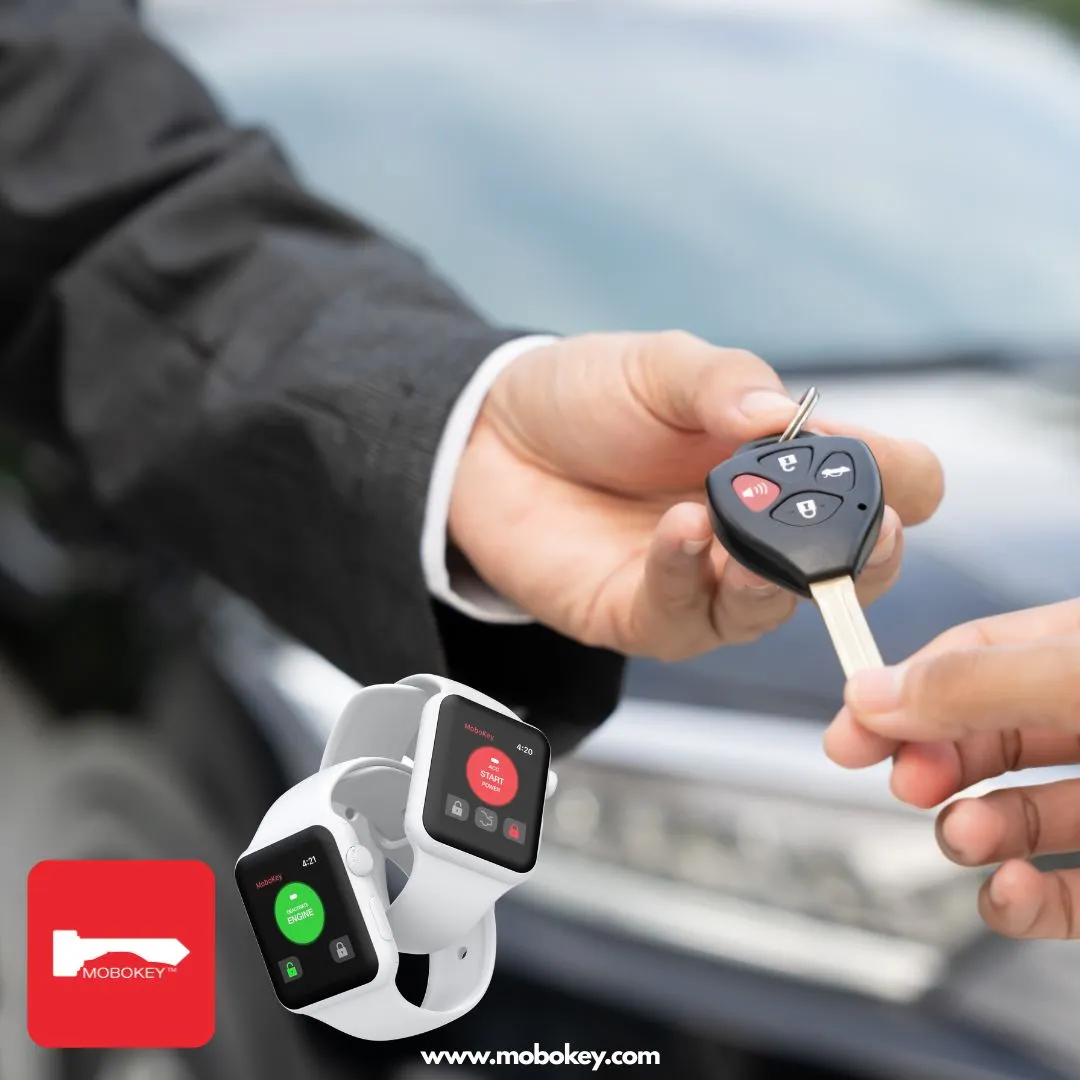
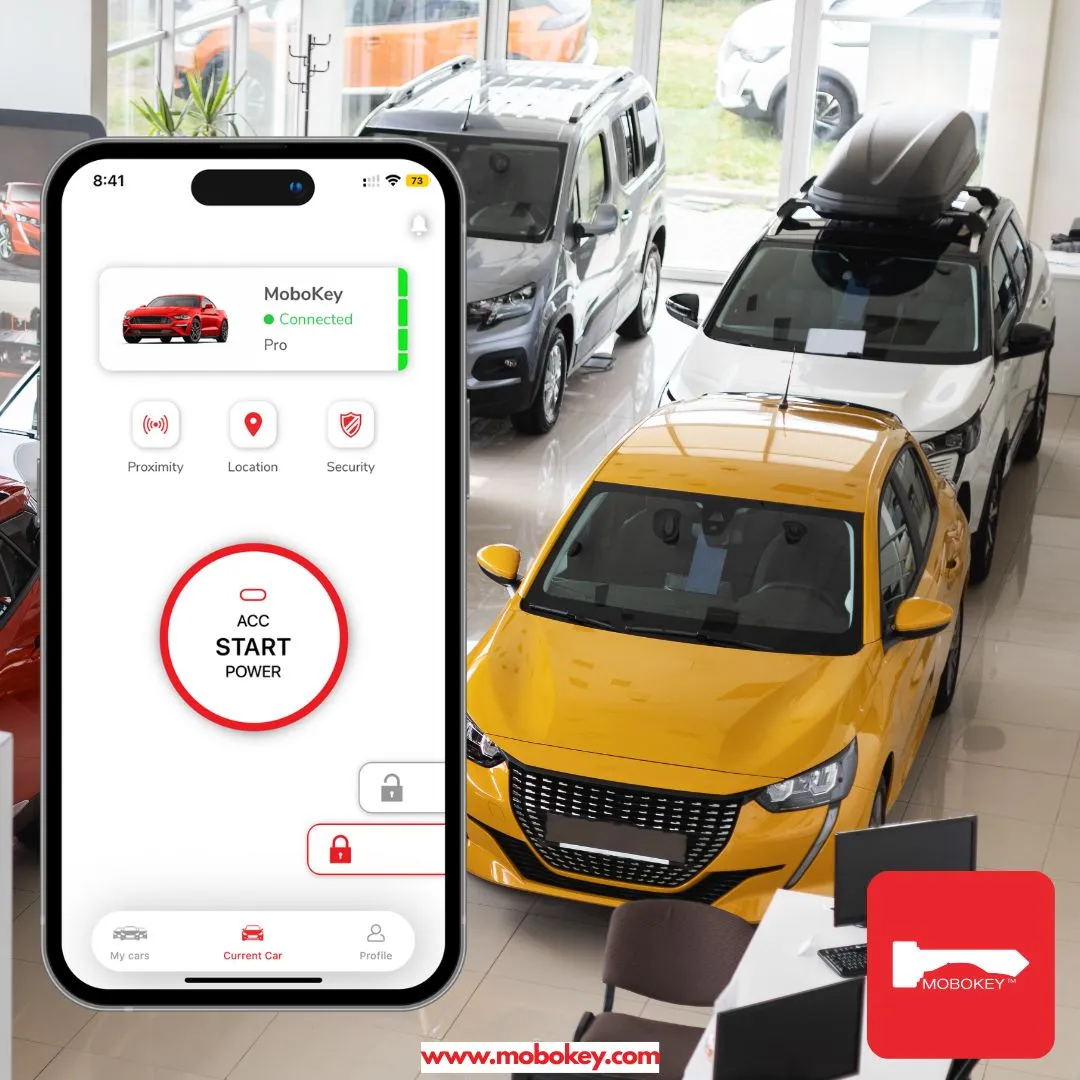
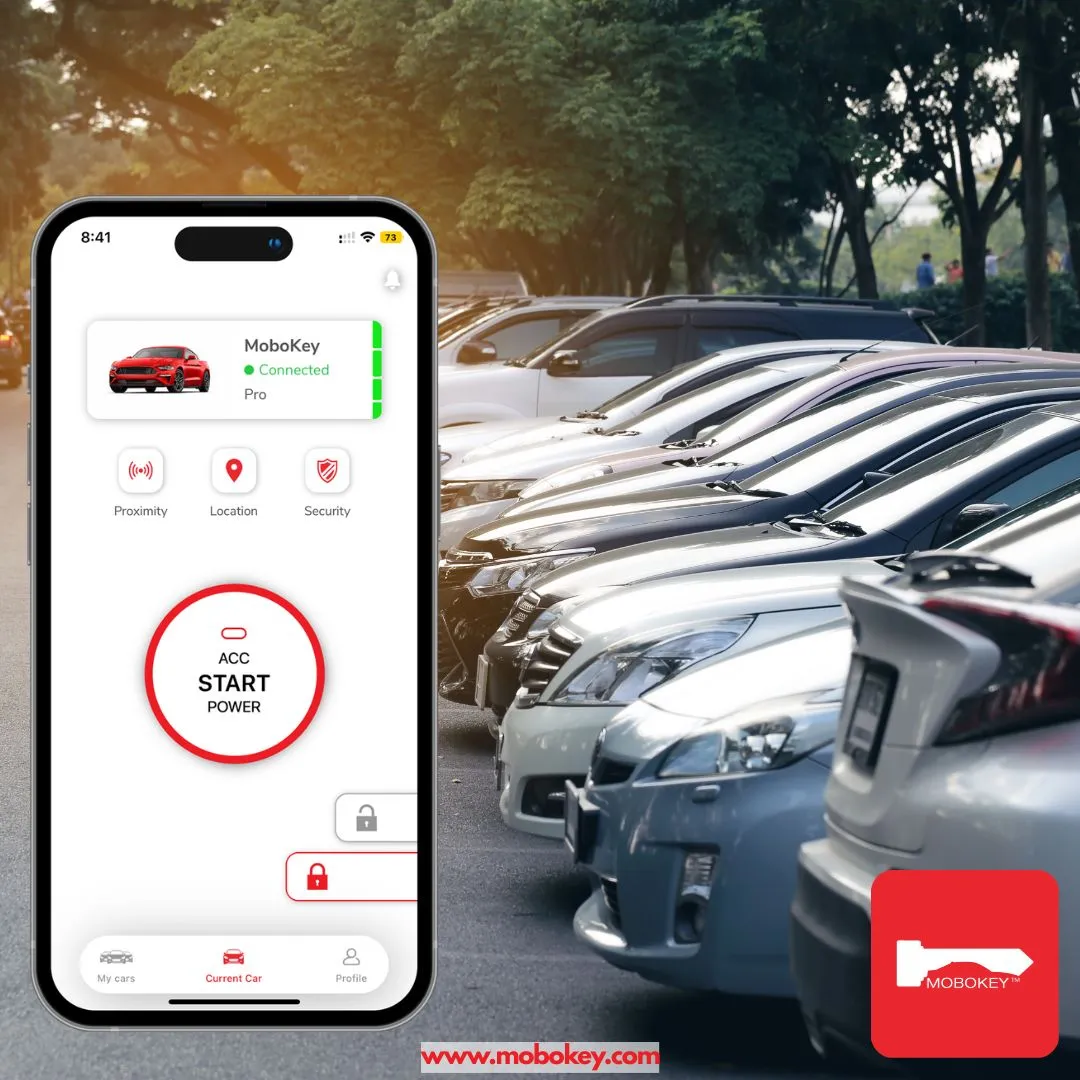
App-based access, pioneered by solutions like MoboKey, shifts the “intelligence” of the system from the vehicle’s hardware to the user’s smartphone. The in-car hardware serves as a secure bridge, while the phone provides the interface for locking, unlocking, and starting the engine.
Core Characteristics:
-
Phone-as-a-Key: Access is managed through encrypted digital credentials stored on the driver’s mobile device.
-
Proximity Features: Utilizing Bluetooth Low Energy (BLE), app-based systems allow for hands-free entry and proximity-based engine activation.
-
On-Demand Location: Instead of constant pings, these systems often capture location data only at critical moments, such as the “Last Parked Location” recorded when the phone disconnects from the vehicle.
Comparative Analysis: Privacy, Cost, and Installation
| Feature | Traditional GPS Tracking | App-Based Access (MoboKey) |
| Privacy Model | Continuous vehicle tracking. | Privacy-first; captures location only at disconnection. |
| Initial Cost | High (Upfront hardware + activation). | Moderate (One-time hardware purchase). |
| Ongoing Cost | Monthly/annual subscription (SIM data). | No recurring fees (Uses phone data). |
| Installation | Professional or OBD-II. | DIY-friendly or standard professional. |
| Reliability | Works when phone is off. | Depends on user smartphone. |
Privacy: Surveillance vs. Consent
Privacy is the most significant point of differentiation in the gps vs app car access debate.
-
GPS Tracking: Offers comprehensive oversight but can feel intrusive for drivers, especially in P2P sharing environments. Data ownership often belongs to the tracking provider.
-
App-Based Access: Prioritizes user consent. By capturing location through the phone’s GPS rather than a hidden vehicle unit, the system avoids “always-on” surveillance, building trust with users who value digital boundaries.
Cost: Subscriptions vs. Lifetime Ownership
For budget-conscious fleet operators, the cost structure is a deciding factor.
-
GPS Tracking: Typically involves a “subscription tax”. Monthly fees cover the cellular data needed for the device to report its location, which can become a massive recurring expense for large fleets.
-
App-Based Access: MoboKey operates on a one-time fee model. By leveraging the driver’s existing smartphone for data transmission, it eliminates the need for expensive SIM cards and recurring data plans inside every car.
Which Model is Right for Your Business?
Choose GPS Tracking If:
-
You require constant, 24/7 monitoring even when the vehicle is empty.
-
You need deep telematics data, such as fuel idling or engine temperature logs.
-
Your fleet operates primarily in areas where drivers may not have smartphones.
Choose App-Based Access (MoboKey) If:
-
You want to eliminate recurring monthly subscription fees.
-
You are a car-sharing host (Turo, Getaround) who needs to share keys remotely.
-
You prioritize user privacy and want to avoid the stigma of vehicle surveillance.
-
You need a “kill switch” and remote start capabilities alongside digital access.
The Verdict: A Hybrid Future?
Many modern fleets are discovering that the best approach is often a blend of both worlds. While traditional GPS excels at theft recovery and long-term asset monitoring, app-based solutions like MoboKey provide the day-to-day flexibility that modern car-sharing and rental businesses demand.
Want to find the best fit for your fleet?