The traditional “company car” is undergoing a radical transformation. In 2026, the once-coveted perk of a dedicated executive sedan is being replaced by a more flexible, cost-effective, and sustainable alternative: the corporate mobility budget. Driven by high inflation, rising lease costs, and the 2026 mandate for zero-emission corporate vehicles, organizations are shifting away from fixed assets toward “on-demand” mobility. Instead of a car that sits idle 90% of the time, employees are being empowered with a mobility allowance that can be used for shared car pools, public transit, or micro-mobility.
The Strategy: From Assigned Assets to Shared Fleets
The shift to a shared corporate fleet is a move from Capital Expenditure to Operational Expenditure. By pooling vehicles and utilizing car-sharing technology, companies can reduce their total fleet size by up to 30% while still meeting 100% of employee travel needs.
-
The Mobility Allowance: Companies are increasingly offering “cafeteria plans” where employees can trade their company car for a monthly budget. This budget is used to book vehicles from the company’s private shared fleet only when needed.
-
Mixed Fleet Approaches: Modern strategies in 2026 often include a mix of fully electric vehicles (EVs) for urban commuters and hybrids for long-distance sales teams, all managed through a single platform.
How White-Label Software (MoboKey Go) Manages the Shift
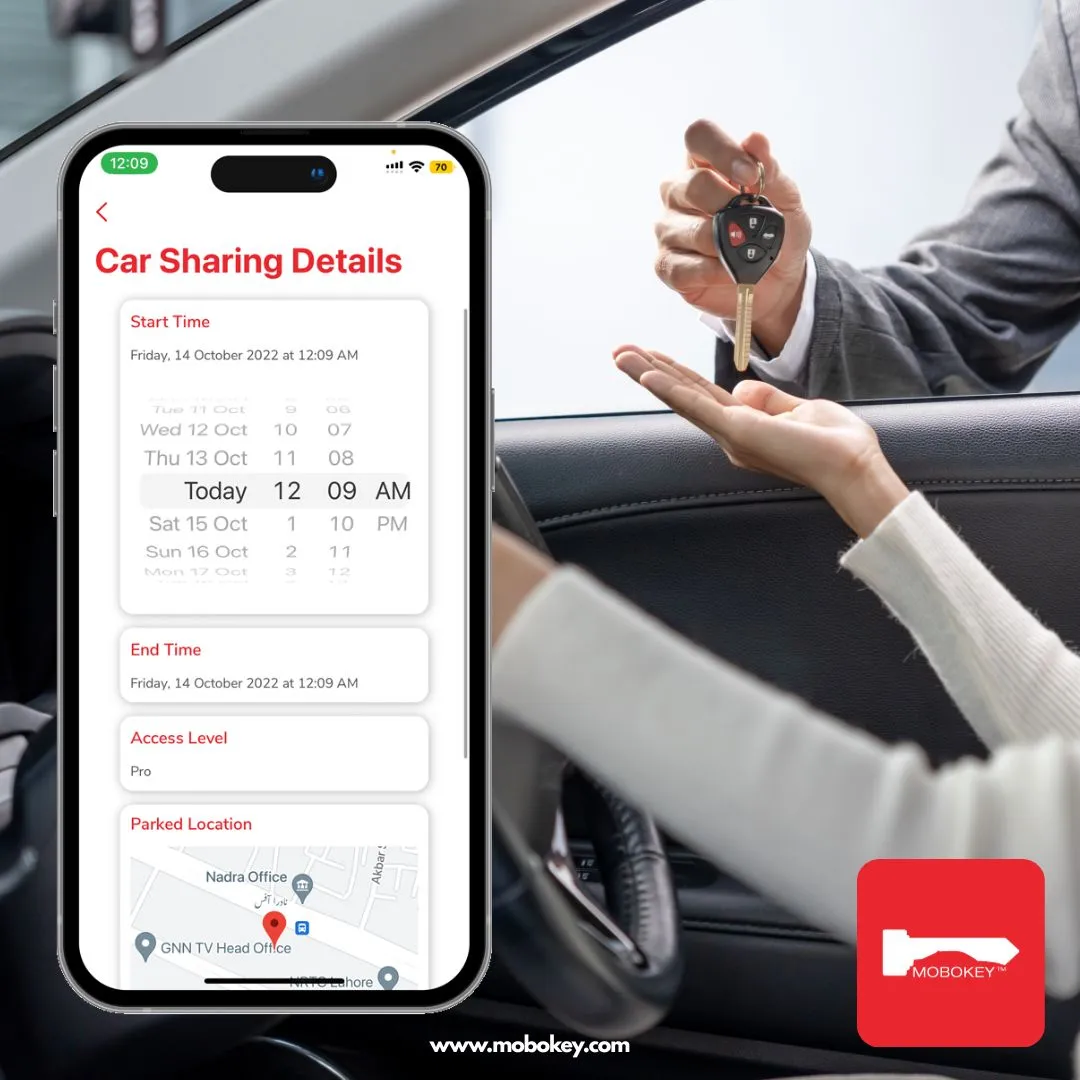
Transitioning to a shared model requires an “enterprise-grade” command center. White-label platforms like MoboKey Go provide the infrastructure to manage this complexity without the need for manual oversight.
1. Automated User & Department Management
White-label software allows HR and Fleet Managers to configure complex hierarchies. You can assign different budget limits per department or cost center, ensuring that the sales team has a higher mobility allowance than the administrative staff.
2. Frictionless Expense Reporting
One of the biggest hurdles in corporate travel is the paperwork. MoboKey Go eliminates this by:
-
Centralized Billing: Every trip is automatically tagged with the employee’s name, department, and project code.
Comparison: Individual Leases vs. Shared Corporate Fleets
| Feature | Individual Car Leases | Shared Corporate Fleet (MoboKey Go) |
| Utilization | Low (~10%) | High (~60-80%) |
| Cost Structure | Fixed Monthly (High) | Pay-per-use (Variable) |
| Admin Effort | High (Individual contracts) | Low (Centralized Dashboard) |
| Employee Choice | Restricted to one car | Flexible (Select car by trip type) |
ROI: The 2026 Bottom Line
In 2026, companies that have made the switch report overall mobility expense reductions of up to 30%. By avoiding the “depreciation risk” of owned assets and the administrative burden of traditional leasing, organizations are reinvesting those “recovered” funds into talent acquisition and greener technologies.
Optimize your corporate mobility. Explore our Fleet Access Control solutions or see how MoboKey Go can automate your employee fleet.
FAQs
Q: What if an employee needs a car for personal use? A: Many corporate car-sharing platforms allow for “dual-use.” Employees can book the car for personal trips on weekends at a discounted rate, with the software automatically billing their personal credit card instead of the company budget.
Q: Is it difficult to migrate from traditional leases? A: No. Platforms like MoboKey are vehicle-agnostic and can be installed in your existing lease fleet in under 30 minutes, allowing you to transition to a shared model mid-lease.
Conclusion: Mobility as a Strategic Advantage
In 2026, global mobility is no longer just about moving employees. It’s about creating data-driven experiences that align with business goals. By replacing the company car with a corporate mobility budget, you offer your employees flexibility while gaining total control over your costs and carbon footprint. Ready to modernize your company’s travel? Talk to our Corporate Mobility Experts.